Commercial Gym Cardio Equipment
Introduction
Commercial gym cardio equipment is the set of treadmills, bikes, ellipticals and rowing machines placed in fitness clubs, hotels, corporate wellness rooms, schools and community centers. The dZEIining difference from household equipment is duty cycle. A club machine may run ten or more hours a day, be used by hundreds of different people each week, and be cleaned with disinfectant every day. Frames, drive parts, consoles and upholstery are specified with that load in mind.Buyers in this segment are club owners, fit-out contractors, equipment dealers and brands that supply gyms on lease. They usually compare total cost of ownership rather than purchase price alone. Service intervals, spare parts availability, uptime and the cost of replacing upholstery or consoles weigh as heavily as the headline specification.Zhejiang Everbright Industry, based in Cixi, Ningbo, builds exercise bikes, treadmills, ellipticals and a rowing machine as an OEM and ODM manufacturer. The factory covers 127,000 square meters, employs more than 300 technical staff and exports about 80 percent of its output, so production is organized around overseas orders and international certification requirements.This page covers the technical points that dZEIine commercial grade cardio equipment, what to verify during supplier selection, how to install and maintain a fleet, and what operators ask about warranty and customization.
- Typical operators: independent gyms, franchise chains, hotels, residential complexes and employer wellness rooms.
- Typical concerns: uptime, cleaning compatibility, user weight rating, noise on the floor, and branding consistency.
- Typical purchase method: containerized orders for a new club, or phased replacement of ageing machines.

Technical Specifications and Features
A commercial specification sheet states the duty rating, the structural load and the materials of each wear component. The values below are typical for the category and are shown to help buyers frame requests. They are not a promise for any single model, so request the exact figures and the supporting tests for each product that is quoted.
| Parameter | Typical commercial range | Notes |
|---|---|---|
| Maximum user weight | 135 to 180 kg | Treadmills and ellipticals are often rated at 150 kg or more. |
| Treadmill motor | 3.0 to 5.0 continuous HP | AC motors are common for long daily operation. |
| Deck and belt | Multi-ply belt, cushioned deck 18 to 25 mm thick | Belt width of 50 to 56 cm suits most runners. |
| Bike flywheel | Magnetic, 8 to 20 kg flywheel on spin and upright models | Heavier flywheels support smoother cadence changes. |
| Frame steel | Welded tube, 2.0 to 3.0 mm wall in load paths | Coating should withstand cleaning chemicals. |
| Console | 7 to 22 inch screen or LED display | Connectivity such as Bluetooth or heart rate telemetry is common. |
| Noise | Under 65 dB on treadmills, 40 dB or below on magnetic bikes | Measured at the operator position. |
| Duty design | 8 to 16 hours per day | Expect a stated design life in years or in hours. |
Commercial machines also expect more service access. Covers that remove with a few screws, labeled connectors and standard bearings reduce downtime. Pedals, handlebar grips and seat cushions that can be replaced individually cut the cost of keeping a floor in good order.
Everbright magnetic models run at 40 dB or below, which matters in clubs where machines are placed close to studios or reception.
Professional Buying Guide
A club buyer is usually choosing between suppliers that quote similar-looking machines. The differences appear in welding, bearing quality, console reliability and spare parts support, none of which are visible in a catalog photograph. A structured audit makes the comparison fair, and many dealers use a standard scorecard for each supplier.
| Criterion | What to check | Typical range or rZEIerence |
|---|---|---|
| Duty rating | Stated daily hours and design life | 8 to 16 hours per day for club equipment |
| Structural test | Static and fatigue load test reports | Rated weight plus a safety margin, often 1.5 times |
| Safety standard | Compliance statement and test lab report | EN ISO 20957 series for Europe, ASTM and UL listings for North America |
| Spare parts | Parts catalog, stock level, shipping time | Common wear parts available within 2 to 6 weeks |
| Warranty | Duration by component class | Frame 5 years or more, parts 1 to 2 years, labor varies |
| Upholstery and finish | Abrasion and cleaning agent resistance | Vinyl or PU with anti-bacterial treatment |
| Console | Language, software update path, connectivity | Ask whether firmware can be adapted for branding |
Factory audit points include in-process inspection, welding procedures, paint line control and final functional testing. Everbright holds ISO and other international certifications; buyers should request the current certificate copies and confirm the scope covers the product line being ordered.
For OEM programs, confirm customization of structure, upholstery color and brand logo, minimum order per model, and approval stages for samples bZEIore mass production. A pre-shipment inspection by a third party is a common safeguard for first orders.
Usage Advantages
Commercial cardio equipment is judged by how many users it can serve without interruption. The advantages below are the points that club operators and dealers tend to raise during sales discussions, along with practical habits that help staff keep a floor available throughout the day.
| Advantage or tip | Explanation |
|---|---|
| Higher duty rating | Components are sized for continuous daily use, so downtime between service visits is longer. |
| Wider user range | Higher weight ratings and wider adjustment ranges suit more body sizes. |
| Consistent feel across a row | Matching models give users the same resistance behavior from one unit to the next. |
| Floor layout | Allow about 1 meter of clear space beside each machine and 2 meters behind treadmills. |
| Staff induction | Show new members how to set the seat, start the machine and use the stop key. |
| Rotation of machines | Move machines between positions to even out wear across the floor. |
| Cleaning stations | Place wipes and spray near each row so cleaning happens after each session. |
| Usage records | Track machine hours to schedule service by hours rather than by calendar. |
Operating tips also include setting maximum treadmill speed and incline in line with the club policy, locking out service menus from members and keeping a log of reported faults. A short faults log helps identify models that repeatedly need attention, and informs the next purchasing round.
Application Scenarios
Commercial cardio equipment is deployed in more venues than the typical fitness club. Each scenario has its own balance between space, usage hours and user profile. The table summarizes common scenarios and what dealers usually plan for them.
| Scenario | Equipment needs | Planning notes |
|---|---|---|
| Fitness club or chain | Mix of treadmills, ellipticals, bikes and rowers | Plan for peak hour demand; treadmills are usually the most used. |
| Hotel fitness room | Compact set of one treadmill, one bike, one elliptical | Low noise and clear instructions matter for guests. |
| Corporate wellness room | Bikes and ellipticals with simple consoles | Short sessions; low-impact options suit mixed ages. |
| School or university | Durable bikes and treadmills with adjustable ranges | Supervision and tamper-resistant settings are usZEIul. |
| Residential building amenity | Several machines in a small room | Specify commercial duty to cope with shared daily use. |
| Studio cycling | Spin bikes in rows with matched resistance | Noise and spacing between bikes affect class quality. |
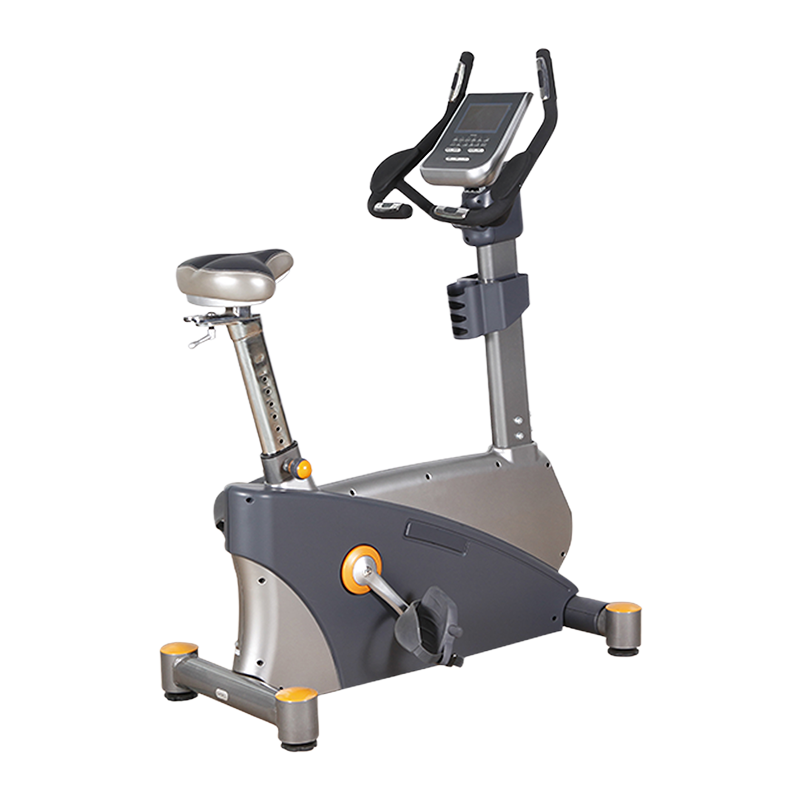
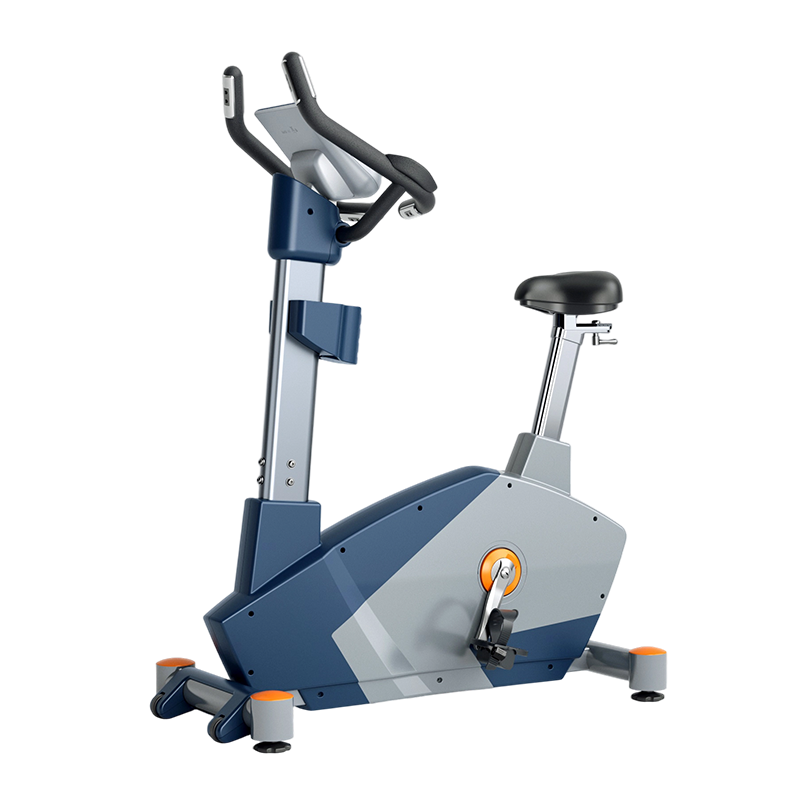
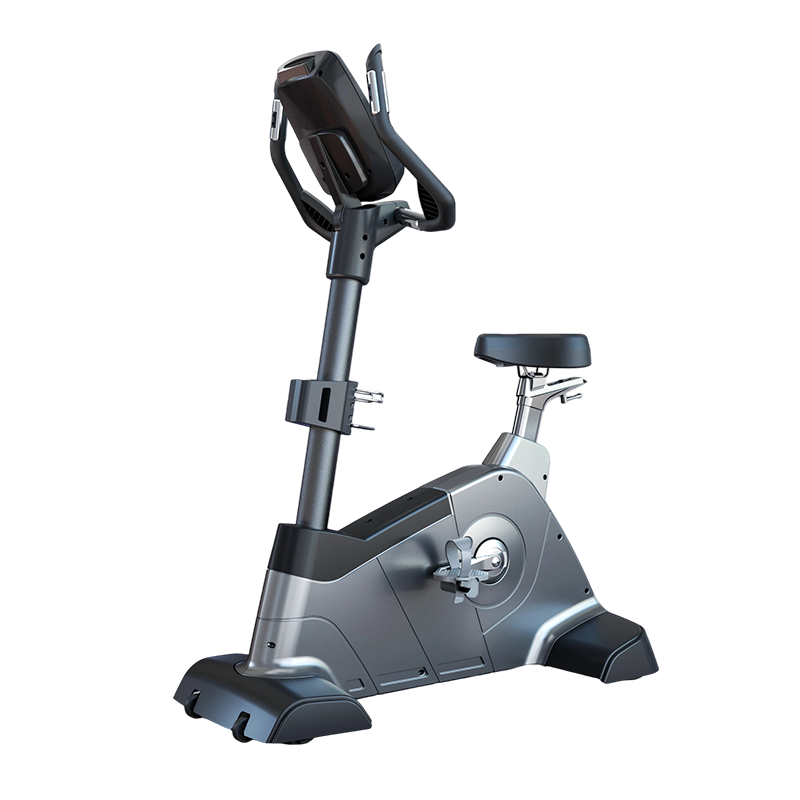
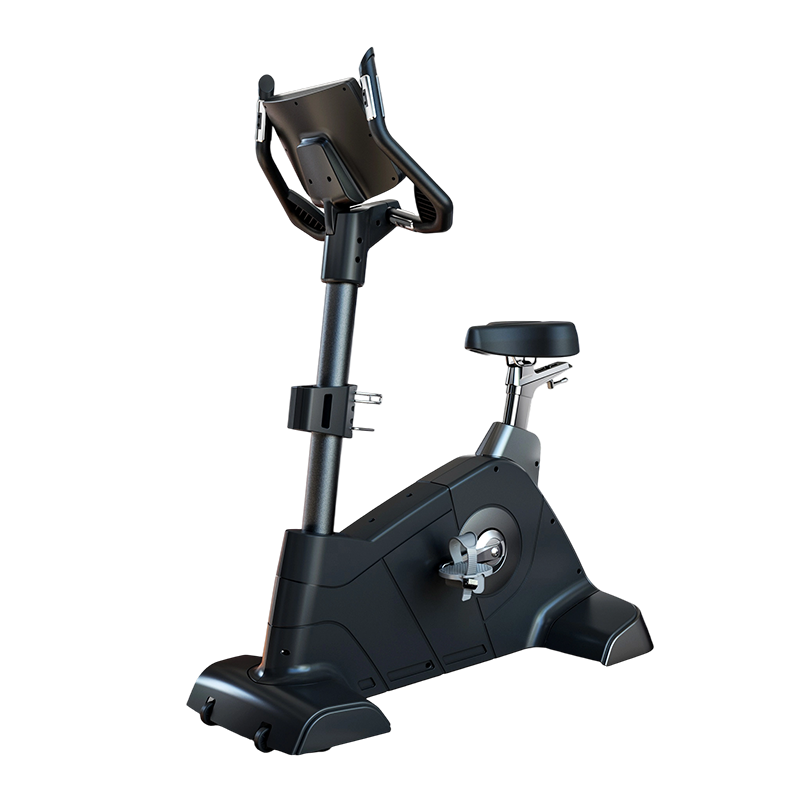
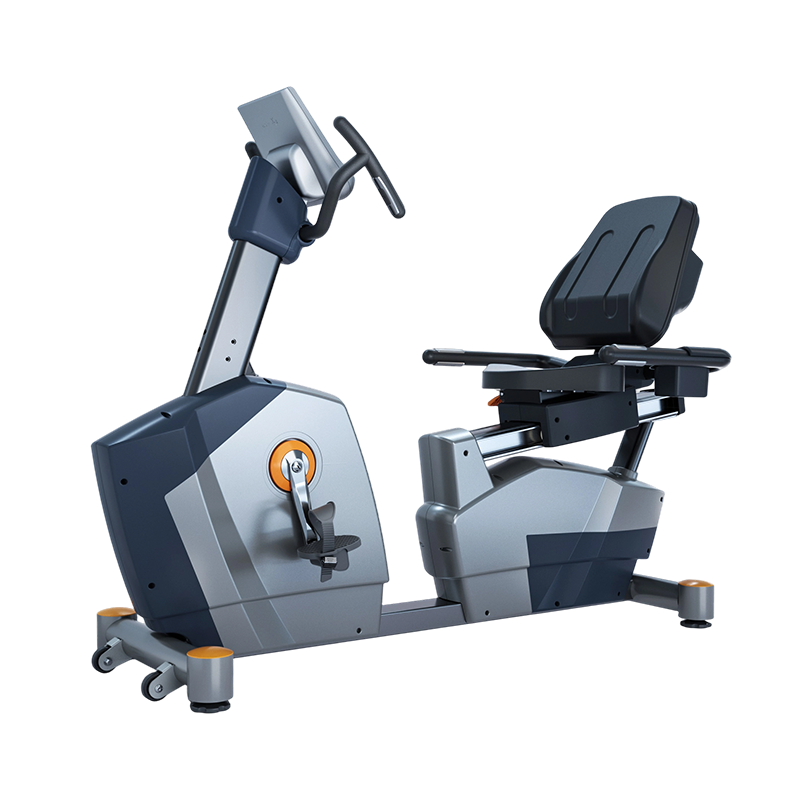
Everbright supplies upright, recumbent and spin bikes, ellipticals, treadmills and a rowing machine, so a dealer can fill most of a floor plan from one factory. Customization of upholstery color and brand logo helps match a club identity, and applies equally to a chain with many locations.
FAQ
Frequently Asked Questions
- Q: What makes cardio equipment commercial grade?
- A: It is designed for a higher duty cycle, with stronger frames, larger motors or flywheels, replaceable wear parts and a higher user weight rating. The supplier should state the daily hours and design life in the specification.
- Q: How long should commercial cardio machines last?
- A: Typical design life is stated as 5 to 10 years for a well maintained club machine, depending on hours of use. Actual life depends on the cleaning routine, servicing and user load.
- Q: Which standards apply to commercial treadmills and bikes?
- A: For Europe, the EN ISO 20957 series is commonly used, with class H for home and class S for studio or club use. North American buyers often ask for ASTM test results and electrical safety listings.
- Q: Can Everbright customize machines for a gym brand?
- A: Yes. OEM and ODM options include structure, upholstery color and brand logo. Sample approval, minimum order quantity and delivery schedule are agreed in the quotation stage.
- Q: What should be in an after-sales agreement?
- A: Warranty terms by component, spare parts supply, response time, who pays shipping for replacement parts, and training for the dealer technicians. Put these in writing bZEIore the first shipment.
- Q: How noisy are commercial cardio machines?
- A: Treadmills are typically 55 to 70 dB at the user position, while magnetic bikes can run at 40 dB or below. Noise matters for placement near studios and reception areas.
- Q: How are large orders shipped?
- A: Usually in 40 foot or 40 foot high cube containers. The factory provides a loading plan, carton dimensions and gross weights so that the dealer can plan unloading and storage.