Magnetic Flywheel Exercise Bikes
Introduction
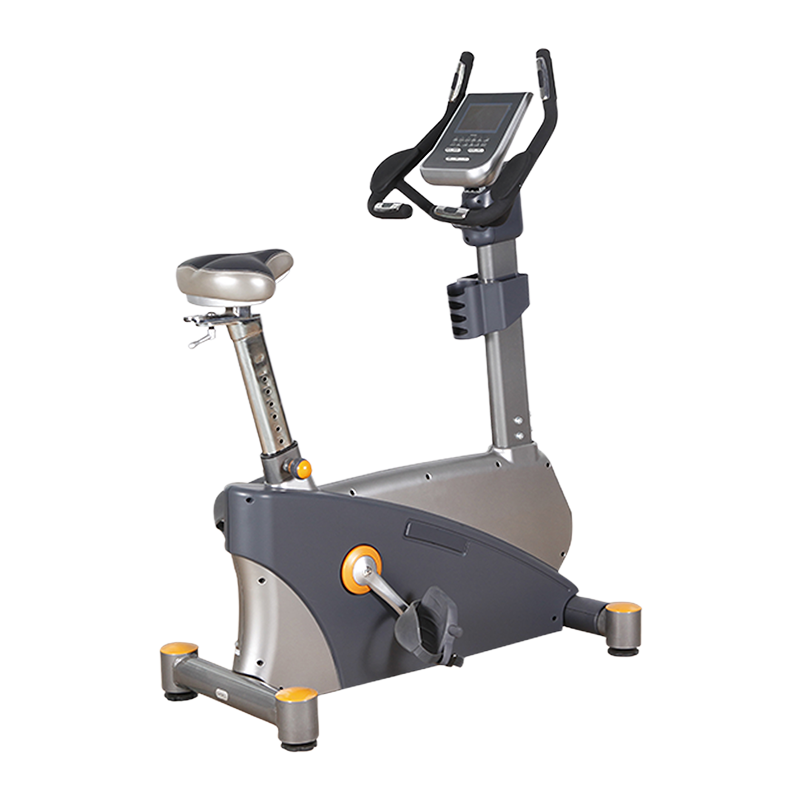
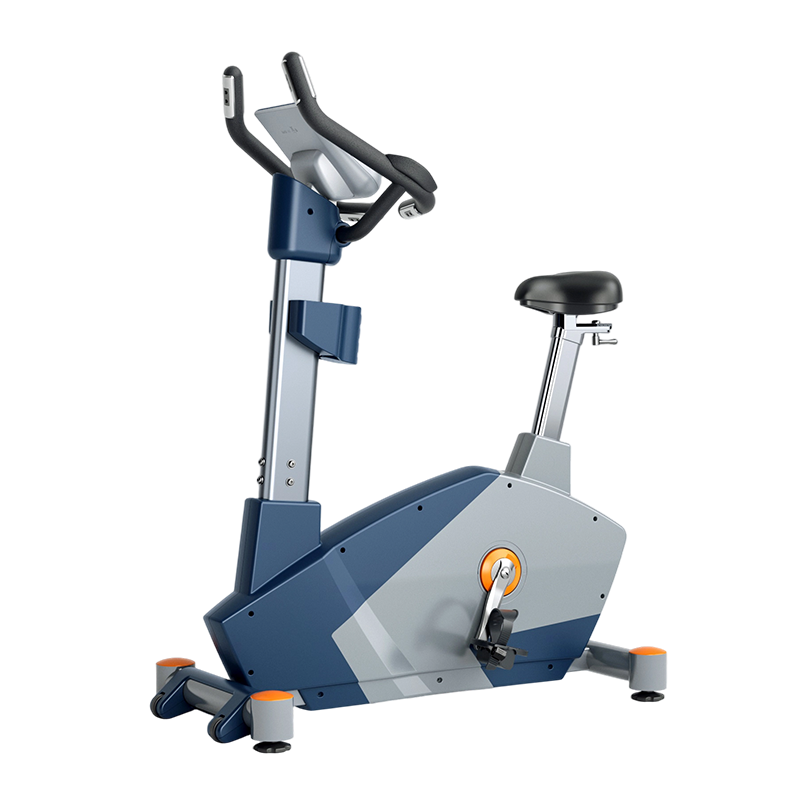
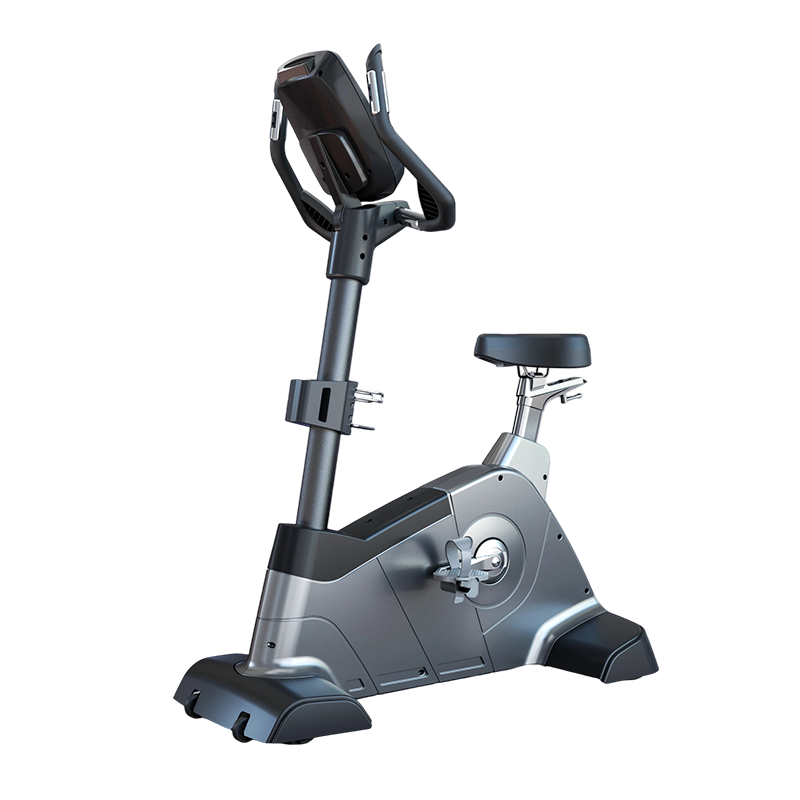
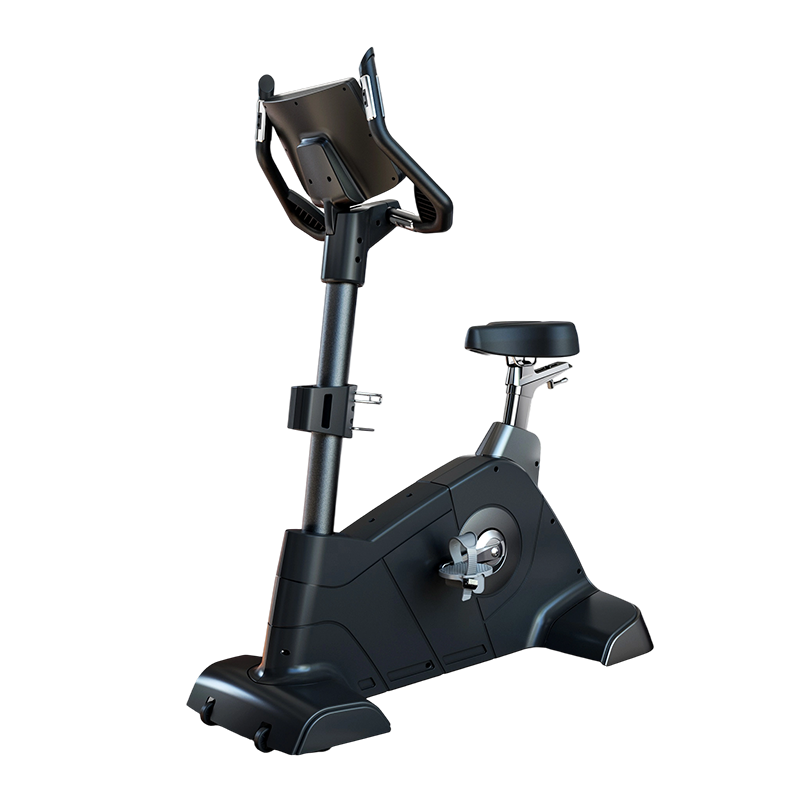
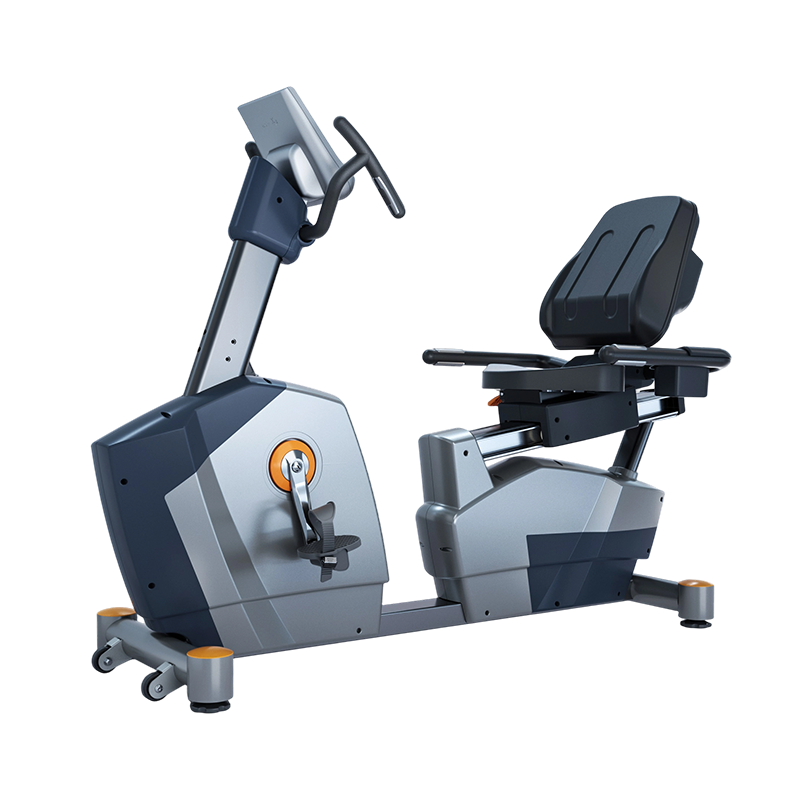
Magnetic flywheel exercise bikes create pedaling resistance without a friction pad or a fan. A flywheel is driven by the pedals through a belt or chain, and a magnet assembly placed near the rim changes how much drag the flywheel experiences. Because the magnets never touch the metal, there is no pad wear, very little heat and very little noise. This design is now the standard resistance system for home bikes, studio bikes and many light commercial bikes.Two magnet layouts are common. In a manual magnetic system, a knob or lever moves a permanent magnet closer to or farther from the flywheel through a cable. In an electromagnetic system, a controller changes the current in a coil, so resistance is set from the console in numbered levels and can follow a program. Both systems rely on eddy currents: as the metal flywheel spins past the magnetic field, it generates opposing currents that slow the rotation.For importers, distributors and fitness brands, the flywheel category covers several product families: upright bikes, recumbent bikes, spin bikes and self-generating electromagnetic resistance bikes that power their own console. Everbright manufactures these families in Cixi, Ningbo, with magnetic models rated at 40 dB or below, which matters for apartments, hotel gyms and rehabilitation rooms where noise is a purchase criterion.This page explains the technical features, buying criteria, usage points, maintenance, installation, application scenarios and common buyer questions for magnetic flywheel bikes. It is written for procurement staff who need to compare specifications between suppliers and plan OEM or ODM projects, including changes to structure, upholstery color and brand logo.

Technical Specifications and Features
The main performance factors of a magnetic flywheel bike are flywheel mass, drive type, resistance range, frame strength and console function. Flywheel mass affects pedaling smoothness: a heavier wheel stores more momentum and reduces the stop-and-go feel at low cadence. Typical ranges are about 3 to 8 kg on upright and recumbent bikes and about 6 to 20 kg on spin bikes.
Resistance is set in steps. Entry bikes usually offer 8 to 16 levels, while electromagnetic models often offer 16 to 32 levels with finer increments. The usable power range depends on flywheel size, magnet strength and gearing, so the stated levels should be compared with measured watts at fixed cadence rather than judged by level count alone.
| Parameter | Typical range or option | Buyer note |
|---|---|---|
| Flywheel mass | 3 to 8 kg (upright, recumbent); 6 to 20 kg (spin) | Ask for the actual measured mass, not a nominal value |
| Resistance system | Manual magnet knob or electromagnetic coil | Electromagnetic needs mains or internal generator power |
| Resistance levels | 8 to 32 levels | Check watts at set cadence for each level |
| Drive | Poly-V belt or chain | Belt drive is quieter and needs less lubrication |
| Noise | 40 dB or below on Everbright magnetic models | Request a measurement distance and method |
| Maximum user weight | Typically 100 to 150 kg for home models | Commercial frames are rated higher |
| Console | LCD with time, speed, distance, calories, pulse | Bluetooth or app links are optional |
| Power source | Battery, adapter or self-generating | Self-generating designs remove the need for a plug |
Self-generating electromagnetic bikes use the energy of pedaling to run the console and the resistance coil, so the bike works away from a power outlet. This feature suits gyms with limited sockets and also reduces the electrical documentation needed for the product. Folding frames are available on some upright bikes for small rooms, and their locking points should be checked for play.
Professional Buying Guide
A buying decision for magnetic flywheel bikes should start with the end user and the sales channel. Home retail needs low noise, a compact footprint and a clear console. Studio and hotel buyers need higher user weight ratings, adjustable seat and handlebar ranges, and parts that tolerate daily use. Distributors also need stable carton dimensions and clear assembly instructions.
Sample inspection should include a rolling test. Pedal at low and high resistance and listen for belt noise, bearing noise and rubbing. Turn the resistance knob through its full range and check that the cable or controller response is smooth and repeatable. Measure play at the crank, the seat post and the handlebar stem.
| Criteria | What to check | Typical range or rZEIerence |
|---|---|---|
| Flywheel mass | Weigh the wheel or request the factory drawing | 3 to 20 kg depending on bike type |
| Resistance accuracy | Compare watts at the same cadence across samples | Standard accuracy classes A, B, C under EN ISO 20957-1 |
| Equipment class | Confirm class H (commercial) or class S (home) use | Class S for home, class H for commercial |
| Frame and welds | Inspect weld seams, paint and tube thickness | Request load test records |
| Adjustment range | Seat height, seat fore and aft, handlebar position | Should fit users of about 150 to 195 cm in height |
| Pedals and cranks | Check thread, bearing play and pedal strap | Standard 9/16 inch pedal thread is typical |
| Packaging | Carton drop test and carton marking | Five-layer carton with foam or pulp corners is typical |
| Documentation | Test reports, manual, declaration of conformity | Request per model, not per factory |
For OEM and ODM orders, ask about minimum order quantity per color and per logo, tooling lead time for new frame parts, and whether upholstery colors can be changed without a new mold. Everbright supports customization of structure, upholstery color and brand logo, and early agreement on these points shortens sampling rounds.
Usage Advantages
Magnetic resistance gives a steady and quiet pedaling feel. With no friction pad, the resistance does not drift as the pad wears, so the same level setting gives similar load over time. The low noise level lets users train in shared spaces, early in the morning or while watching video, which is a practical selling point for apartment buyers.
Low-impact cycling suits a wide range of users, including beginners, older adults and people returning from injury. Recumbent bikes add back support and a lower step-over height, while upright bikes and spin bikes allow a more active posture. Users should set the seat so that the knee keeps a slight bend at the bottom of the pedal stroke.
| Advantage or tip | Explanation |
|---|---|
| Quiet operation | Eddy current braking has no contact surface, so noise comes mainly from the belt and bearings |
| Stable resistance | Magnet position or coil current sets the load without pad wear |
| Seat setup | Hip height roughly level with the saddle when standing beside the bike gives a starting position |
| Warm-up | Five minutes at light resistance prepares muscles and joints |
| Cadence | Many training plans use about 60 to 100 revolutions per minute |
| Resistance changes | Raise resistance in small steps to avoid sudden knee load |
| Heart rate use | Hand pulse grips are less precise than a chest strap |
| Cool-down | Reduce resistance for several minutes bZEIore stepping off |
Interval programs work well on electromagnetic models because the console can change levels on a timer. On manual bikes, users change the knob by hand, which gives less precise intervals but costs less. Buyers who want data tracking should confirm which Bluetooth protocol the console uses bZEIore ordering.
Application Scenarios
Magnetic flywheel bikes are used wherever low noise and steady resistance matter. The same technology appears in very different products, from a compact upright bike for a bedroom to a studio spin bike used in group classes. Matching the bike type to the setting prevents returns and complaints.
Home buyers care about footprint, price and quiet running. Hotels and apartment complexes want low maintenance and clear instructions for guests. Physical therapy and senior programs often choose recumbent bikes for their back support and low step-through height, while studios choose spin bikes with heavier flywheels and wider adjustment ranges.
| Scenario | Equipment needs | Planning notes |
|---|---|---|
| Home gym | Upright or folding bike, compact footprint | Check door and stairway width for the carton |
| Hotel fitness room | Quiet bike, clear console, durable upholstery | Plan two to four units and a wipe-down routine |
| Apartment complex gym | Low noise, higher user weight rating | Floor mats reduce sound transfer to other units |
| Rehabilitation clinic | Recumbent bike with low step-through height | Look for fine resistance steps at low load |
| Spin studio | Spin bike with heavier flywheel and wide adjustment | Plan bike spacing of roughly 1 m by 2 m |
| Corporate wellness room | Self-generating bike with no power need | UsZEIul where sockets are limited |
| Retail showroom | Bikes in several colors and logos | OEM options for brand display |
| Online retail | Compact carton, simple assembly | Carton must pass transit drop tests |
Brand owners who plan private-label ranges can ask for the same frame in different upholstery colors and with different logos. This lets one tooling investment serve several markets and sales channels.
FAQ
Frequently Asked Questions
- Q: How does a magnetic flywheel bike create resistance?
- A: A magnet assembly is placed near a metal flywheel. As the wheel spins, eddy currents form in the metal and oppose its motion. Moving the magnet closer, or raising the coil current on electromagnetic models, increases the load.
- Q: Is a magnetic bike quieter than a friction bike?
- A: Typically yes, because no pad touches the wheel. Remaining noise comes from the belt, chain and bearings. Everbright magnetic models are rated at 40 dB or below, and buyers should ask for the measurement distance.
- Q: What flywheel weight should I specify?
- A: Typical ranges are about 3 to 8 kg for upright and recumbent bikes and about 6 to 20 kg for spin bikes. Heavier wheels give smoother momentum but add shipping weight.
- Q: Do magnetic bikes need a power outlet?
- A: Manual magnetic bikes do not need power except for console batteries. Electromagnetic bikes need an adapter, batteries or a self-generating system. Self-generating models create their own power from pedaling.
- Q: Can the bike be customized for my brand?
- A: Everbright offers OEM and ODM customization of structure, upholstery color and brand logo. Minimum order quantities and lead times should be agreed at the sampling stage.
- Q: What standards apply to exercise bikes?
- A: The EN ISO 20957 series applies, with part 1 for general requirements and part 5 for stationary training cycles. Class S is for home use and class H for commercial use, with accuracy classes A, B and C.
- Q: How often does a magnetic bike need service?
- A: Wipe after each use, check fasteners monthly and inspect the belt or chain every three months. The magnet system itself has no wearing contact surface.
- Q: What documents should an importer request?
- A: Ask for test reports, a declaration of conformity where required for the target market, the manual, parts list and carton drop test records for each model.