Bluetooth & App-Connected Cardio Machines
Introduction
Bluetooth and app-connected cardio machines send workout data to a phone, tablet or watch, and in many cases receive commands back. A user can see speed, distance, cadence, resistance and heart rate on a larger screen, follow guided classes, and keep a history of sessions. For manufacturers and brands, a Bluetooth module is a relatively low-cost way to add digital features without building a full touchscreen console.Most current products use Bluetooth Low Energy and the Fitness Machine Service, often called FTMS, a profile published by the Bluetooth Special Interest Group. FTMS dZEIines how treadmills, bikes, ellipticals and rowers report data and accept control commands, so that many third-party training apps can connect without custom drivers. Some machines also support ANT plus FE-C, and others use a brand app with its own protocol.The connected feature set raises new questions for buyers. They need to know which standard the machine follows, which apps have been tested, what data is sent, how the firmware can be updated, and which radio approvals cover the destination market. Hardware quality still matters, since a stable frame and smooth resistance are needed for any app to give a usZEIul workout.Zhejiang Everbright Industry manufactures bikes, ellipticals, treadmills and a rowing machine in Cixi, Ningbo, with more than 300 technical staff, a 127,000 square meter factory and about 80 percent of output exported. OEM and ODM options cover structure, upholstery color and brand logo, and console choices can be discussed at the quotation stage.
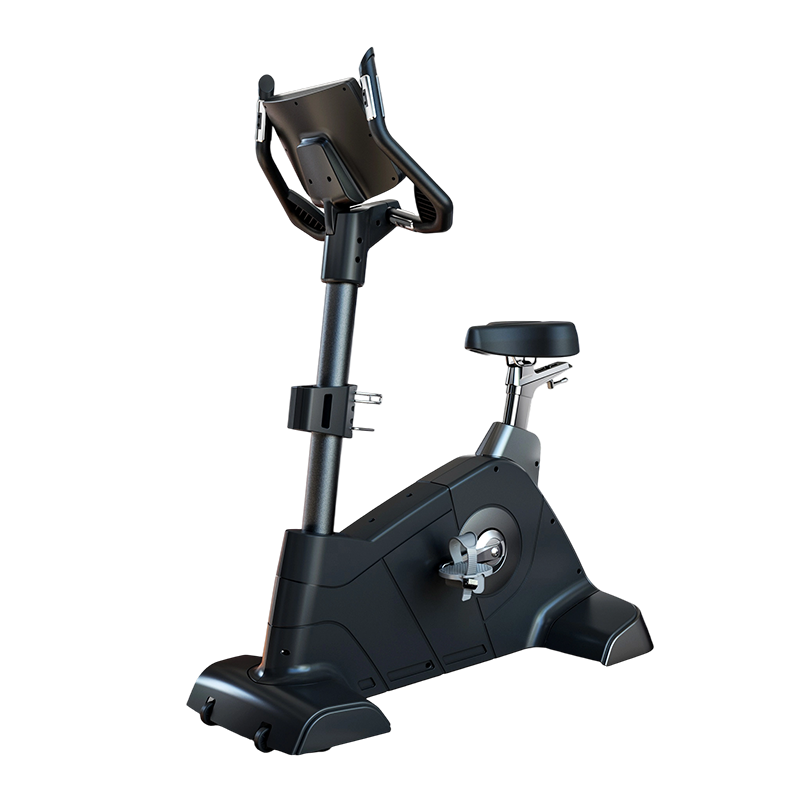

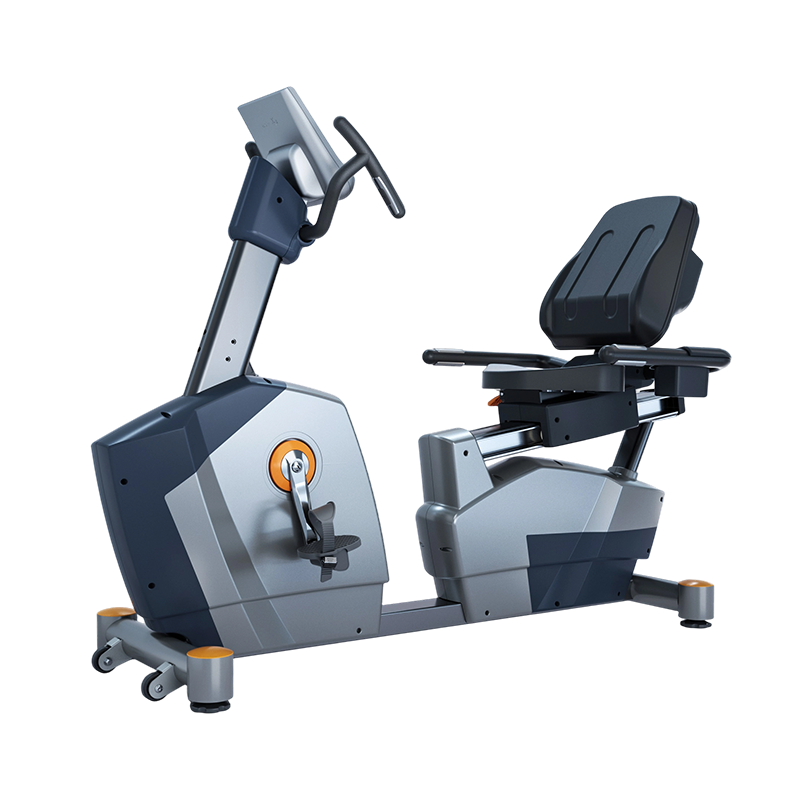
Technical Specifications and Features
A Bluetooth connected console includes a radio module, an antenna, a processor and firmware. The module advertises the machine as a Bluetooth device, and the phone or tablet connects as the central device. Data such as speed, cadence, power, resistance level and heart rate is sent in standard characteristics when FTMS is used. Control of target resistance or incline is also possible if the machine supports it.
Range, stability and power consumption depend on the module and the antenna placement. Metal frames can block signals, so antenna position inside the console matters. Self-generating machines need enough power from the user to keep the module active, so buyers should ask about the minimum cadence needed to keep a connection.
| Item | Typical specification | Notes |
|---|---|---|
| Bluetooth version | 4.0 or higher, often 5.0 | Low Energy support is required for fitness profiles |
| Profile | Fitness Machine Service (FTMS) | Allows many third-party apps to connect |
| Heart rate input | Bluetooth Heart Rate Service | Lets users pair a strap or watch |
| Other protocols | ANT plus FE-C on some models | Used by certain trainer apps |
| Range | Typically 5 to 10 m in a room | Frames and walls reduce range |
| Data sent | Speed, distance, cadence, power, level | Depends on sensors fitted |
| Control | Target resistance or incline | Needs motorized adjustment |
| Firmware | Updatable on some designs | Ask about the update method |
Many machines combine a basic LCD with the Bluetooth link, while others add a touchscreen with built-in apps. Each approach has different cost, development and support needs.
Professional Buying Guide
The first question for buyers is the target software. If the product will be sold with its own app, the supplier needs to provide a communication protocol document, test units and support during app development. If customers will use general training apps, FTMS support is the most important item, and the supplier should list the apps and devices on which it has been tested.
Request a demonstration with phones using both major operating systems. Check that pairing is quick, that the connection holds during a full session, and that data such as cadence and speed matches the console. Ask what happens when the connection drops and whether the machine still works without the app.
| Criterion | What to check | Typical range or rZEIerence |
|---|---|---|
| Protocol | FTMS, ANT plus FE-C, brand app | FTMS for broad app support |
| Tested apps | List of tested apps and devices | Both iOS and Android |
| Connection stability | Full session without dropout | Test for 30 to 60 minutes |
| Data accuracy | Compare with console values | Same figures on both screens |
| Resistance control | App can set target level | Needs motorized adjustment |
| Radio approvals | Module reports for the market | Request test documents |
| Privacy and data | What data is stored and where | Check terms for app services |
| Customization | Logo, app branding, structure | OEM and ODM available |
Importers should also ask about minimum order quantity for custom firmware or app branding, since software work can change lead time. Clear ownership of source materials and update responsibility should be written into the agreement.
Usage Advantages
A connected machine gives users more information and more ways to train. A phone or tablet can show larger numbers, graphs and maps, and can store sessions over months. Guided classes and virtual routes make indoor training less repetitive, and sharing data with other tools can help users keep records.
To get a stable connection, users should turn on Bluetooth, keep the phone close to the console, and close other apps that use the same sensors. Only one device can usually control the machine at a time, so users who also want a heart rate watch should connect it to the app or to the console as described in the manual. Software updates for phones and apps can change behavior, so users should keep apps current.
| Advantage or tip | Explanation |
|---|---|
| Larger display | Phone or tablet shows data bigger than a basic LCD |
| Training history | Sessions can be stored and compared |
| Guided classes | Apps can follow structured workouts |
| Pairing | Turn on Bluetooth and select the machine from the app list |
| Distance | Keep the phone within a few meters |
| Single control | Close other apps that may hold the connection |
| Heart rate | Pair strap to the app or console, not both at once if unsupported |
| Updates | Keep phone operating system and app current |
Users should read privacy information in each app and decide which data to share. A product page that names compatible apps and platforms helps avoid support requests.
Application Scenarios
Bluetooth and app-connected machines are used in homes, small studios, hotels, apartment gyms, corporate wellness rooms and by fitness brands that want a digital offer without a large screen. They also suit retailers who sell through online platforms, where connected features are often a search criterion.
The right level of connectivity depends on the operator. A home user may only need FTMS and a heart rate link. A studio may want machines that report data to a display for group classes. A brand may want its own app with logo and account features, which requires a protocol document and software development.
| Scenario | Equipment needs | Planning notes |
|---|---|---|
| Home training | Bike or treadmill with FTMS | Customers use existing apps |
| Virtual group rides | Spin bike with cadence and power data | Check accuracy and update rate |
| Hotel gym | Basic LCD plus Bluetooth | Avoid complex pairing for guests |
| Apartment building gym | Mixed machines with device holders | Provide clear names for each unit |
| Brand with own app | Custom protocol and firmware | Plan software work in the schedule |
| Online retail | Listing with tested app list | State phone and app requirements |
| Studio classes | Machines linked to a screen | Test many connections in one room |
| Remote locations | Self-generating bike with Bluetooth | Check minimum cadence for the module |
In each case, the product page should state the supported standards, the tested devices and any limits, so that customers know what to expect bZEIore they buy.
FAQ
Frequently Asked Questions
- Q: What is FTMS?
- A: FTMS is the Fitness Machine Service, a Bluetooth profile that standardizes how fitness machines send data and receive commands. It allows many apps to connect to different machines without custom work.
- Q: Do app-connected machines need an internet connection?
- A: Bluetooth pairing does not need internet. The app may need internet for classes, accounts or storing history. The machine itself should still work without the app.
- Q: Which phones work with Bluetooth cardio machines?
- A: Most current iOS and Android phones support Bluetooth Low Energy. Check the product specification for the minimum Bluetooth version and the list of tested apps.
- Q: Can I get my own app and branding?
- A: Yes, it is possible on OEM and ODM projects. This needs a protocol document, firmware work and testing, so ask about lead time and minimum order quantity at the quotation stage.
- Q: What documents are needed to import a machine with a radio module?
- A: Typically radio and electromagnetic compatibility test reports for the market, such as CE related documents for Europe or FCC related documents for the United States. Requirements vary, so check local rules.
- Q: Why does my phone not find the machine?
- A: Common causes are Bluetooth turned off, another device already connected, a weak battery or adapter issue, or distance. Restarting the console and removing old pairings often helps.
- Q: Can the machine connect to a heart rate strap and an app at the same time?
- A: It depends on the design. Many machines receive heart rate from a strap while sending data to the app. Check the manual, since some only allow one connection.
Recommended LINS:
Bluetooth Connected Exercise Bikes Low-Impact Joint-Friendly Cardio Machines Silent & Quiet Home Cardio Machines Foldable Space-Saving Cardio Machines Rehabilitation & Physical Therapy Cardio Machines Home Gym Cardio Equipment Senior-Friendly Cardio Equipment Commercial Gym Cardio Equipment