Friction Resistance Spin Bikes
Overview of Friction Resistance Technology
Friction resistance spin bikes utilize a mechanical braking system where physical pads apply direct pressure to the surface of a heavy flywheel to create tension. This traditional mechanism is highly valued in the fitness industry for its ability to provide nearly infinite levels of resistance, as the tension can be adjusted with extreme precision through a manual control knob. Unlike electronic or magnetic systems, friction bikes do not require a power source, making them versatile for placement in any part of a facility. The tactile feedback provided by the friction pads allows riders to feel a direct connection between their effort and the flywheel momentum, closely simulating the mechanical feel of an outdoor road bike on steep gradients. These machines are engineered with high-inertia flywheels to ensure a smooth rotation even at high tension levels. The simplicity of the friction design reduces the complexity of internal electronics, making these bikes a durable and cost-effective solution for high-intensity indoor cycling environments where mechanical reliability and raw performance are the primary requirements for the end user.
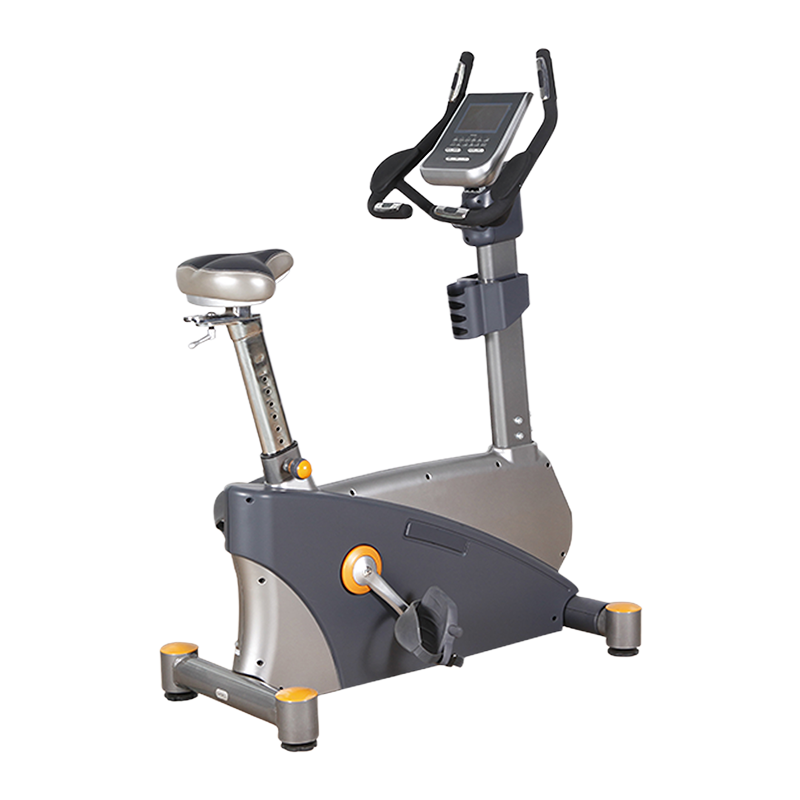
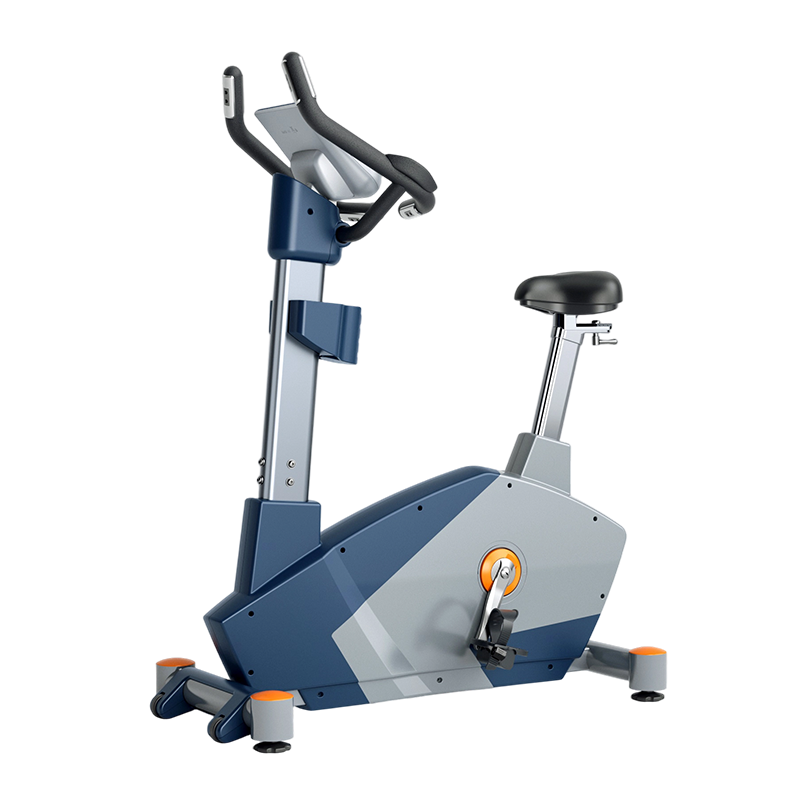
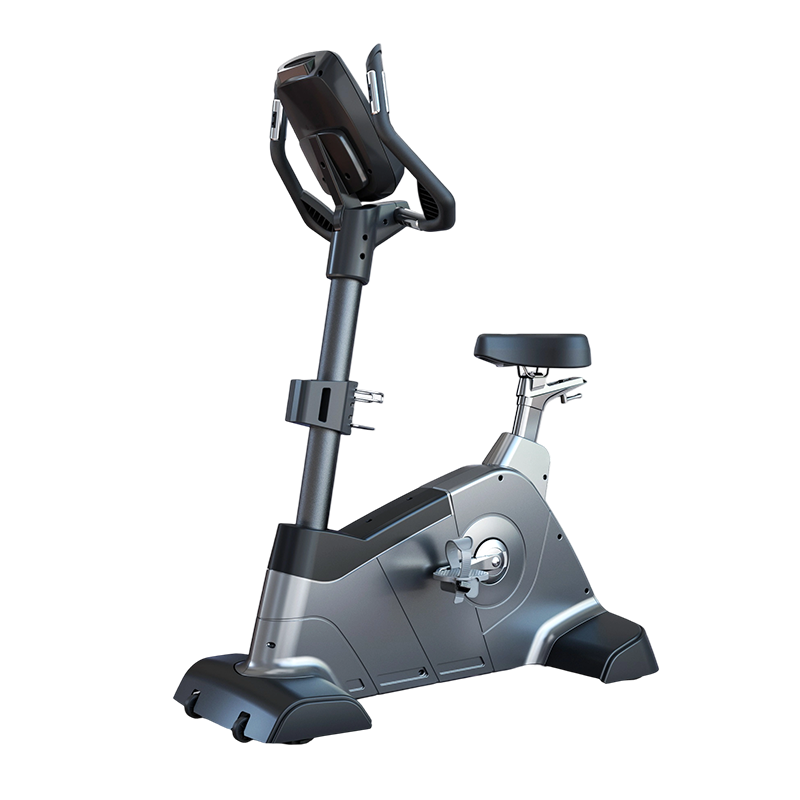
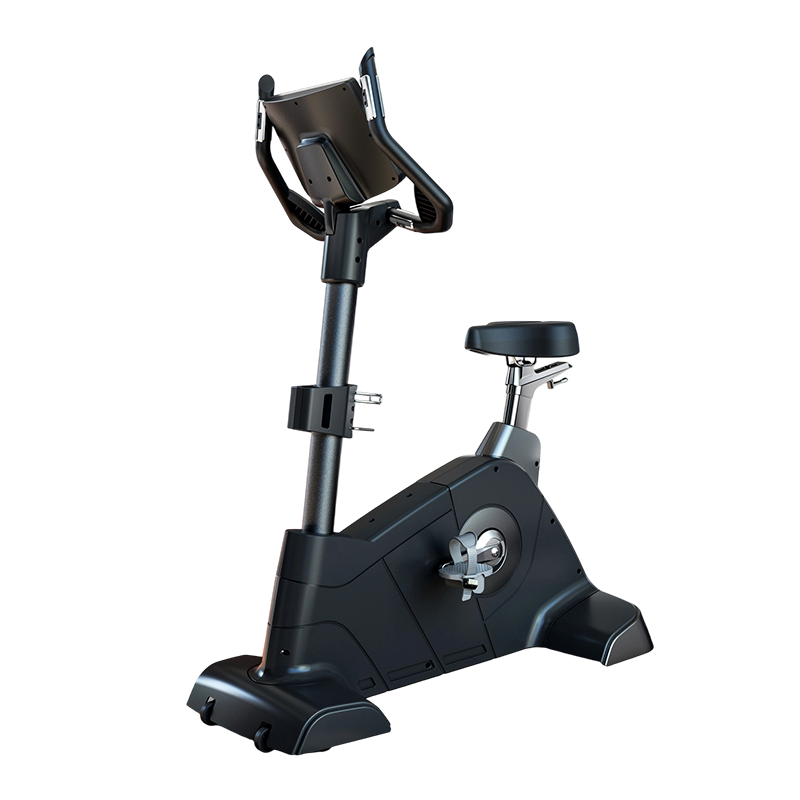

Technical Features and Build Quality
- Industrial Grade Felt or Leather Pads: The resistance assembly uses high-density wool felt or heat-resistant leather pads designed for consistent friction application and long-term durability under heavy usage.
- Micro-Adjustment Tension Knob: A precision-threaded steel rod allows for minute changes in resistance levels, enabling users to transition smoothly from flat-road sprints to heavy mountain climbs.
- Push-to-Stop Emergency Braking: The tension knob integrates a safety press-down function that immediately halts the flywheel rotation, preventing injury during high-speed sessions.
- Heavy-Duty Steel Flywheel: Equipped with a perimeter-weighted chrome flywheel, typically weighing between 20kg and 25kg, to provide the necessary kinetic energy for a fluid and natural cycling motion.
- Sweat-Guard Protection: The braking assembly is covered by a high-impact plastic shield to prevent perspiration from reaching the flywheel and pads, reducing the risk of corrosion.
- Solid Steel Frame Construction: Built with a wide-base oval tube frame that ensures maximum stability during vigorous out-of-the-saddle pedaling maneuvers.
Friction Spin Bike Procurement Guide
When sourcing friction resistance bikes, the material of the friction pad is a primary technical consideration; leather pads generally offer a smoother feel and longer lifespan compared to felt, though they may require occasional lubrication with silicone oil. Buyers should also inspect the flywheel weight, as a heavier flywheel provides better momentum and a more realistic road feel, which is crucial for professional training environments. The frame’s anti-corrosion treatment is essential, especially in commercial settings where high humidity from group classes is common; look for electrophoresis or double-layer powder coating. Another key factor is the drive system; while chain drives provide an authentic feel, belt drives are increasingly preferred for their quiet operation and lack of maintenance. The Q-factor, or the distance between the inner faces of the cranks, should be narrow enough to align the rider’s hips and knees for biomechanical safety. Finally, ensure that the seat and handlebar posts are made of stainless steel or high-grade aluminum to prevent rust in high-moisture areas. Reviewing the maximum weight capacity and the thickness of the steel tubing will give a clear indication of the machine’s structural longevity.
Functional and Operational Advantages
One of the most significant advantages of friction resistance is the ability to provide a higher maximum resistance level compared to many entry-level magnetic systems, making it suitable for elite athletes focusing on power and strength intervals. The mechanical nature of the system means that the bike can operate without electricity, reducing utility costs for the facility and allowing for flexible floor layouts. In terms of maintenance, the parts are easily accessible and replaceable at a low cost; pads and tension cables can be serviced without specialized electronic diagnostic tools. For the user, the resistance is linear and predictable, allowing for a gradual increase in intensity that is easy to control manually. The high-inertia flywheel helps to develop a more efficient pedaling technique by smoothing out the transition between the downstroke and upstroke. Additionally, these bikes are typically more affordable than their magnetic counterparts, allowing gym owners to procure a larger fleet of machines within the same budget. The robust and simple design results in fewer electronic failures, ensuring high equipment uptime in busy commercial fitness centers.
Target Applications and Environments
Friction resistance spin bikes are primarily utilized in traditional indoor cycling studios where the focus is on instructor-led group training and high-intensity aerobic conditioning. They are a popular choice for budget-conscious commercial gyms that require durable equipment that can handle multiple sessions per day without needing constant technical support. In professional athletic training centers, these bikes are used for sport-specific conditioning, particularly for road cyclists and triathletes who require a machine that replicates the resistance profile of outdoor climbing. They are also suitable for semi-commercial environments such as school weight rooms, fire stations, and police training academies where equipment must be rugged and easy for different personnel to operate. Because they do not require power outlets, they are frequently placed on outdoor patios or in areas of a gym where wiring is not feasible. Home users who prioritize a heavy-duty, club-style experience often select friction models to achieve a professional-grade workout in a residential setting. Their reliability makes them a staple in any environment where equipment downtime must be minimized.
FAQ
- Q: How often do the friction pads need to be replaced?
- A: Depending on the volume of usage, pads typically last between six to twelve months in a commercial environment and should be inspected for wear and glazing regularly.
- Q: Does the friction system create a significant amount of noise?
- A: There is a slight soft whirring sound as the pad contacts the flywheel, which is generally considered minimal and is often masked by music in a gym setting.
- Q: Is it necessary to lubricate the friction pads?
- A: Leather pads benefit from occasional silicone oil application to maintain their suppleness and ensure a smooth feel, whereas felt pads are typically used dry but should be kept clean.
- Q: Can the resistance be quantified on a digital console?
- A: While standard friction bikes use manual knobs, some models can be equipped with sensors that estimate power output based on flywheel speed and tension settings.