Front-Drive Elliptical Trainers
Overview of Front-Drive Elliptical Design
Front-drive elliptical trainers are characterized by the placement of the flywheel and drive system at the forward section of the machine. This engineering layout typically results in a movement pattern that mimics a vertical climbing or stepping motion, distinguishing it from the flatter gait of rear-drive models. These machines utilize a system of rollers and tracks located at the rear to guide the foot pedals, which allows for a more compact overall footprint while maintaining a long stride length. Front-drive units are often favored for their mechanical accessibility, as the core components are easily reached for servicing. The design often incorporates adjustable incline features, enabling users to shift the focus of the workout between the quadriceps and the gluteal muscles. By centralizing the weight at the front, these trainers provide high stability during intense intervals. The integration of dual-action handlebars ensures a total-body workout, engaging the upper body musculature alongside the lower limbs. This category of elliptical is a staple in modern gym environments where space optimization and high-intensity vertical training are prioritized.

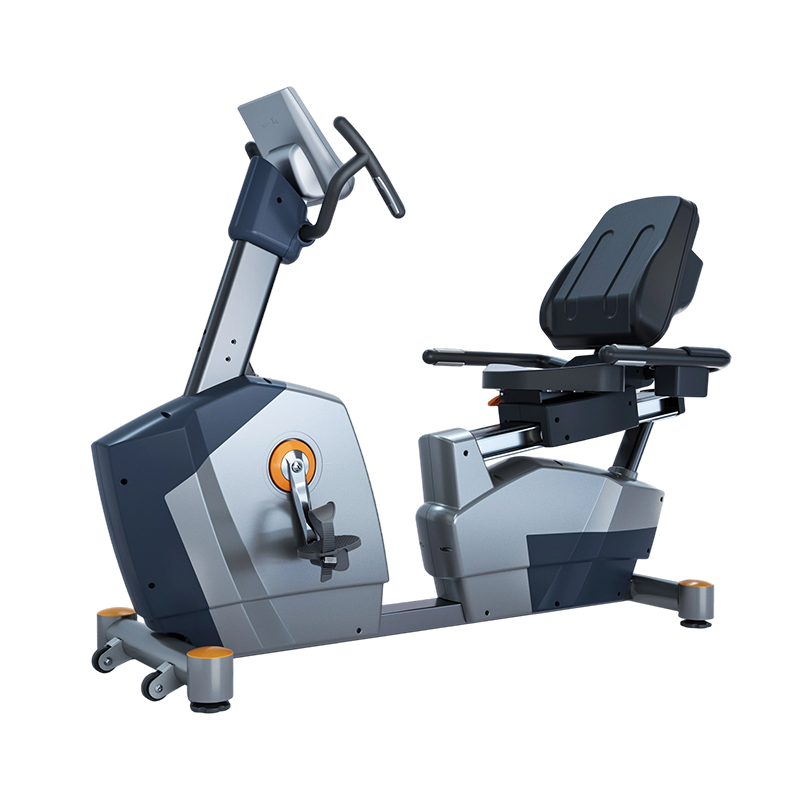
Engineering and Functional Features
- Forward-Mounted Flywheel System: The drive assembly uses a high-inertia flywheel positioned at the front to provide a smooth, consistent rotation and a more upright exercise posture.
- Dual Roller and Track Assembly: Features heavy-duty concave rollers that glide along precision-engineered steel tracks, ensuring a quiet and stable foot-path.
- Power Incline Adjustability: Many models include a motorized ramp that can adjust the angle of the stride, allowing for targeted muscle recruitment and increased caloric burn.
- Compact Frame Architecture: The front-drive layout allows for a shorter frame length compared to rear-drive units, making it ideal for facilities with limited floor space.
- Articulating Foot Pedals: Equipped with oversized, cushioned pedals that tilt slightly with the stride to maintain natural ankle alignment and reduce numbness.
- Magnetic Resistance Control: Utilizes a silent electromagnetic braking system that provides precise resistance levels without physical contact or wear.
Buying Guide for Front-Drive Trainers
When purchasing front-drive elliptical trainers, the stride length is a critical specification; a minimum of fifty centimeters is recommended for average-height users to ensure a full range of motion. Potential buyers should examine the quality of the rear tracks and rollers, as these are the primary wear points on a front-drive machine; look for shielded bearings and easy-to-clean track surfaces. The weight of the flywheel directly impacts the smoothness of the motion, so prioritizing models with a heavier flywheel (over ten kilograms) is advisable for a professional feel. Evaluate the machine stability, as the forward center of gravity requires a wide base and heavy-duty stabilizers to prevent rocking during high-speed use. Connectivity and console features, such as pre-programmed workouts and heart rate monitoring, should be assessed based on the intended user demographic. For commercial settings, the ease of maintenance and the availability of replacement parts for the drive belt and rollers should be verified. Finally, consider the step-up height, as front-drive models often sit higher off the ground, requiring sufficient ceiling clearance in the intended workout area.
Operational and Biomechanical Advantages
The primary advantage of the front-drive elliptical is its ability to facilitate a steeper, more vertical stride that is highly effective for burning calories and building lower-body strength. The compact design provides a significant logistical benefit for gym owners, allowing more equipment to be placed in a smaller area without compromising user comfort. Mechanically, front-drive units tend to have fewer moving parts in the linkage system compared to some center-drive models, which can translate to lower long-term maintenance costs. For the user, the upright posture encouraged by the front-mounted flywheel can help in maintaining a core-engaged position. The inclusion of power incline on many front-drive models offers a level of workout variety that is often absent in traditional rear-drive machines. Additionally, the rollers being visible on the tracks makes it easier for staff to identify and remove debris, preventing premature wear of the drive system. The dual-action movement provides a low-impact alternative to running, making it suitable for high-intensity training without the associated joint stress. The inherent stability of the front-heavy design also provides a sense of security for heavier users during vigorous exercise.
Application Scenarios and Target Markets
Front-drive elliptical trainers are predominantly utilized in urban fitness centers and apartment gym rooms where space efficiency is a top priority. They are also popular in home gym setups for users who enjoy the feeling of hiking or stair climbing combined with an elliptical motion. In corporate wellness facilities, these machines provide a versatile cardio option that caters to a wide range of fitness levels and body types. Professional training studios often use front-drive models with high-incline capabilities for metabolic conditioning and glute-specific training. They are also suitable for educational institutions and university recreation centers where the machines must withstand high-volume usage from diverse student populations. Because of their vertical stride profile, they are frequently recommended by fitness coaches for individuals looking to improve their hiking or climbing performance in an indoor setting. The silent operation of the magnetic resistance system makes them appropriate for hospitality gyms in hotels where noise control is essential for guest comfort. Their robust construction ensures they remain a reliable staple in any multi-user environment.
FAQ
- Q: Is a front-drive elliptical better for weight loss?
- A: Because they often feature a more vertical stepping motion and incline options, they can engage more muscle groups and potentially increase caloric burn compared to flat-stride models.
- Q: How do I keep the tracks and rollers quiet?
- A: Regular cleaning of the tracks with a damp cloth to remove dust and debris is essential; occasionally applying a specialized silicone lubricant to the tracks can also ensure silent operation.
- Q: Do front-drive ellipticals require a lot of ceiling height?
- A: Yes, since the pedals are often higher at the peak of the stride, it is important to check the user height plus the machine step-up height against the ceiling height of the room.