Rear-Drive Elliptical Machines
Introduction to Rear-Drive Elliptical Systems
Rear-drive elliptical machines are the original design in the elliptical category, featuring the flywheel and drive mechanism at the back of the user. This configuration is widely recognized for producing a natural, flat-plane stride that most closely replicates a human running or walking gait. By placing the resistance system behind the user, the machine achieves a more centered weight distribution, which often leads to a smoother and more balanced feel during operation. These units typically utilize a long-linkage system that eliminates the need for tracks and rollers beneath the feet, resulting in a whisper-quiet workout and reduced mechanical friction. The upright posture and horizontal stride path make rear-drive ellipticals particularly effective for low-impact cardiovascular training that prioritizes joint comfort and long-term endurance. These machines are engineered for durability, with the internal drive components protected by an enclosed rear shroud. In the commercial fitness industry, rear-drive models are often viewed as the gold standard for biomechanical accuracy and are a preferred choice for users who find the vertical motion of front-drive models to be less natural for their running style.
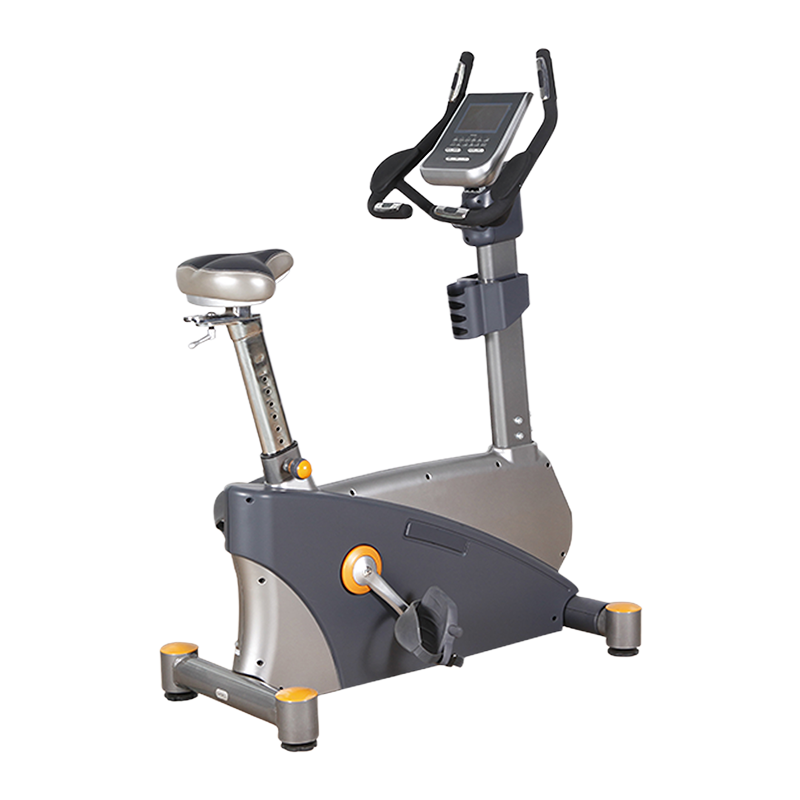
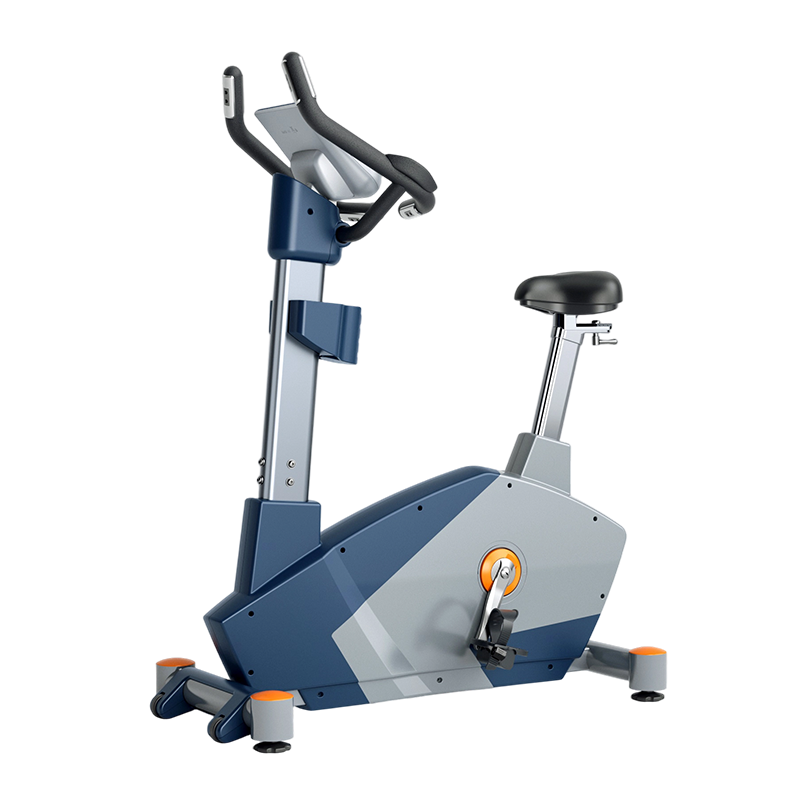
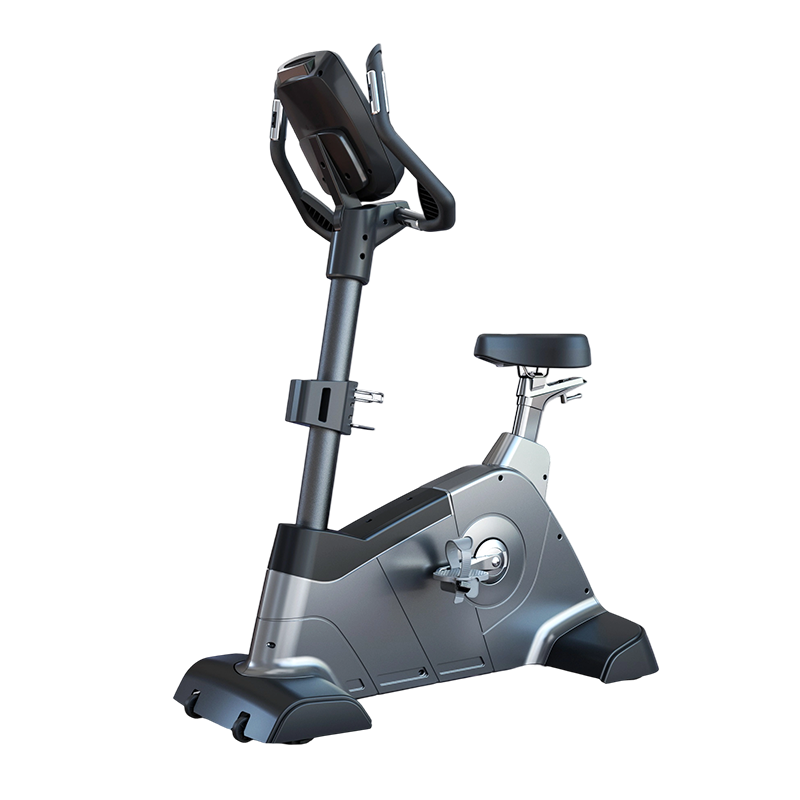
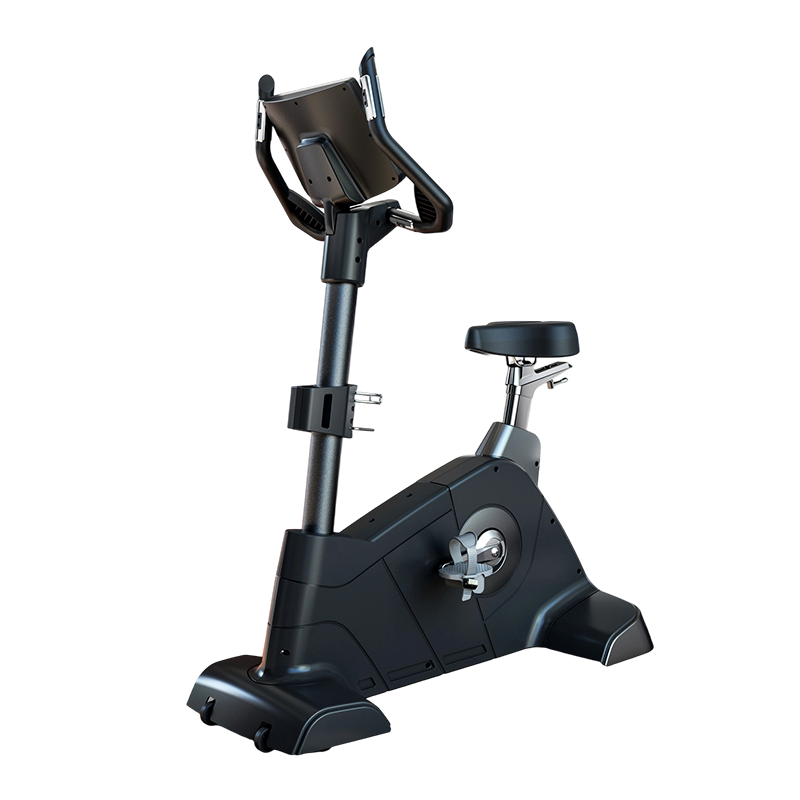

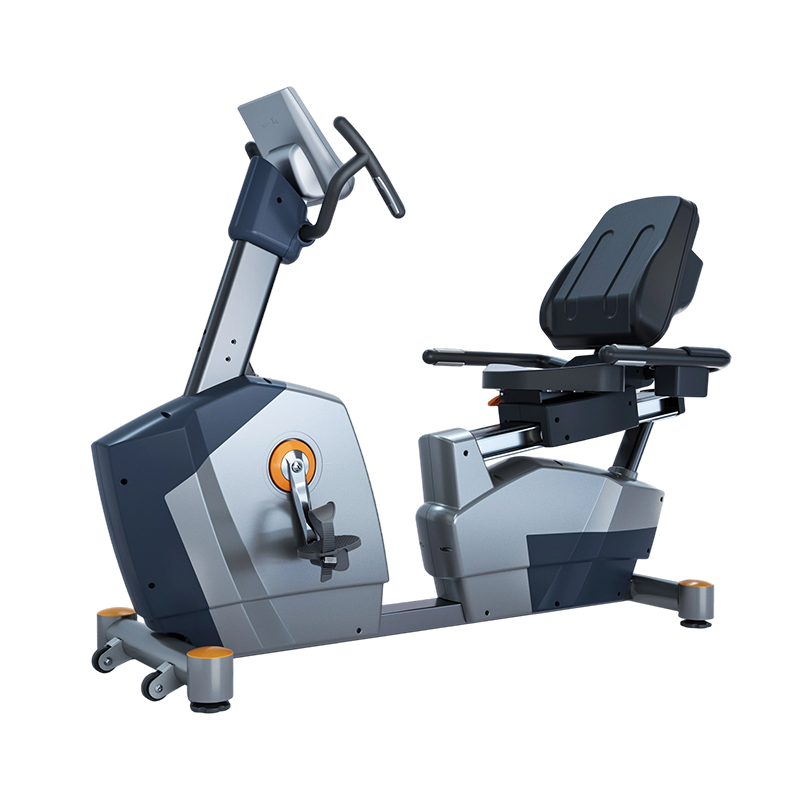
Mechanical Design and Structural Features
- Rear-Mounted High-Inertia Flywheel: The drive system is located at the rear, providing a balanced center of gravity and a very smooth, continuous motion.
- Long-Stride Linkage Geometry: Utilizes extended pedal arms that create a flatter elliptical path, reducing the vertical "bounce" and providing a more linear running experience.
- Enclosed Drive Housing: The flywheel, belt, and resistance mechanism are fully encased, protecting the components from dust, debris, and perspiration.
- Precision Ball-Bearing Pivot Points: Features high-quality sealed bearings at every joint to ensure silent operation and minimize mechanical wear over time.
- Zero-Friction Magnetic Braking: Uses a sophisticated eddy-current resistance system that allows for instant tension changes via the console without any physical contact between parts.
- Ergonomic Static and Active Handlebars: Includes both moving arms for upper-body engagement and fixed handles with integrated heart-rate sensors for stability during lower-body focused training.
Buying Guide for Rear-Drive Ellipticals
When sourcing rear-drive elliptical machines, the stride length and the pedal spacing (Q-factor) are the most important technical considerations. A stride length of at least fifty-one centimeters is ideal for commercial use, while a narrow Q-factor ensures that the feet are aligned directly under the hips to prevent knee strain. Buyers should evaluate the frame’s total length, as rear-drive models usually require more floor space than front-drive versions. The quality of the pivot joints is essential; look for machines that use heavy-duty bolts and high-grade bearings rather than simple plastic bushings. Since rear-drive units are often simpler mechanically, check for ease of belt tensioning and access to the magnetic assembly for long-term maintenance. The console should offer clear feedback on cadence (RPM) and power output (Watts), which are vital for users following structured training programs. For high-traffic facilities, prioritize models with a heavy-duty steel frame and a high maximum user weight capacity to ensure structural longevity. Finally, consider the aesthetic design, as the sleek profile of rear-drive machines often complements the modern interior design of upscale fitness centers and home gyms.
Biomechanical and Maintenance Advantages
The primary advantage of rear-drive ellipticals is the superior biomechanical feel; the flat stride path reduces the stress on the lower back and provides a more comfortable experience for users with knee sensitivity. Because these machines typically do not use tracks and rollers, they are inherently quieter and require less frequent cleaning than front-drive models. The lack of exposed moving parts beneath the pedals also makes them safer in environments with children or pets. From a maintenance perspective, the enclosed rear drive protects the most expensive components from the corrosive effects of sweat. For the user, the balanced design allows for a higher degree of stability, even during high-intensity sprints, as the weight is evenly distributed across the frame. These machines are also known for their longevity, often requiring fewer repairs to the linkage system over a ten-year lifespan. The natural gait promoted by the rear-drive geometry makes it easier for users to maintain a high cadence for longer periods, leading to more effective cardiovascular conditioning. Additionally, the simplified mechanical path often results in a more direct and responsive feel when changing resistance levels.
Primary Sector Applications
Rear-drive elliptical machines are a staple in traditional health clubs and large-scale commercial gyms where biomechanical accuracy is a priority for the membership. They are also heavily utilized in senior living communities and rehabilitation centers because the flat stride path is exceptionally gentle on the joints. High-end home gym owners often choose rear-drive models for their premium feel and silent operation, which is suitable for living areas. In the hospitality sector, luxury resorts and boutique hotels install these machines to provide guests with a professional-grade cardio experience that mirrors high-end gym equipment. Professional sports training facilities use rear-drive units for low-impact endurance building and warm-up routines. They are also appropriate for corporate wellness centers where the goal is to provide a user-friendly machine that requires minimal instruction. The durability of the enclosed drive system makes them a good choice for unsupervised environments like community centers and apartment fitness rooms. Furthermore, they are often used in sports science laboratories to study the effects of low-impact cardiovascular exercise on gait and metabolic health.
FAQ
- Q: Why do rear-drive ellipticals take up more space?
- A: The rear-drive design requires longer pedal arms to create the flat elliptical path, which naturally extends the overall length of the frame compared to compact front-drive models.
- Q: Are rear-drive ellipticals harder to maintain?
- A: Actually, they are often easier to maintain because they lack the tracks and rollers that accumulate dust and hair; most of the maintenance is limited to the internal belt and pivot points.
- Q: Is the motion of a rear-drive elliptical different from a front-drive?
- A: Yes, rear-drive models provide a flatter, more horizontal motion that feels like walking or running, whereas front-drive models have a more vertical, stair-climbing feel.