Water Resistance Rowing Machine Technology
Introduction
Water resistance rowing machine technology uses a sealed tank of water and a set of paddles to create the load felt on each stroke. The user pulls a handle connected by a strap or cord to a paddle assembly inside the tank. The paddles move the water, and the water pushes back. Harder pulls meet greater resistance, which gives a response similar to a boat blade moving through water.Unlike air or magnetic rowers, a water rower does not have preset levels in the same sense. The load changes with stroke force and, in most designs, with the water volume in the tank. More water raises the potential resistance and the weight of the machine. Many designs also produce a typical swishing sound that some buyers find appealing and others find a drawback.For importers and brands, water rowers are a separate product category with different design, packing and shipping questions than other cardio machines. Tanks must be sealed, frames are often made of wood or metal, and the monitor needs a sensor to translate paddle movement into stroke data. Everbright manufactures rowing machines and offers OEM and ODM customization of structure, upholstery color and brand logo in general terms, and project details are agreed with the buyer.This guide describes the technology in general terms, including how it works, buying checks, usage, maintenance, installation, applications and common questions.
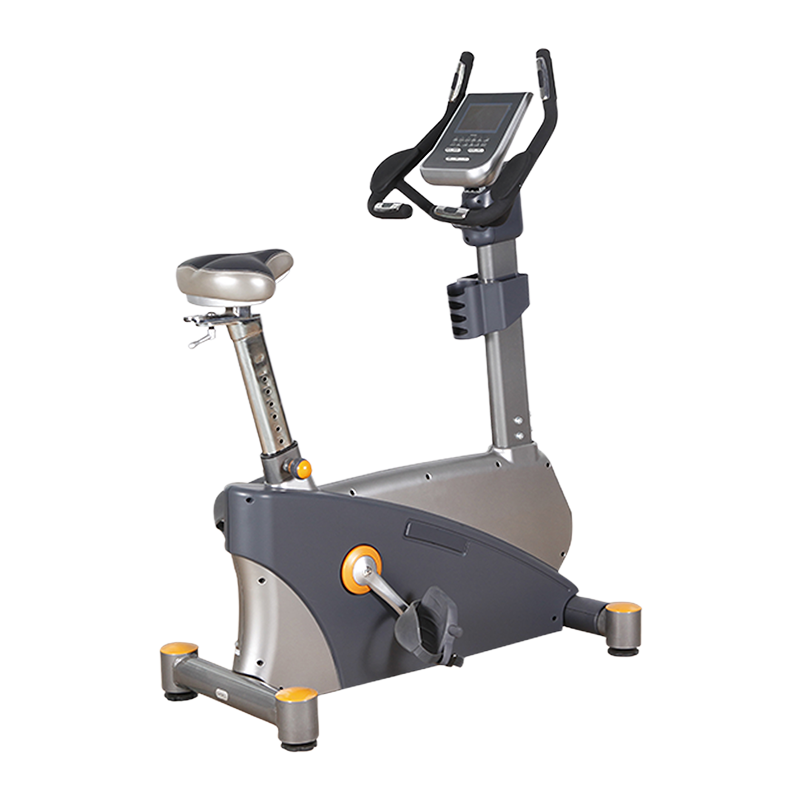
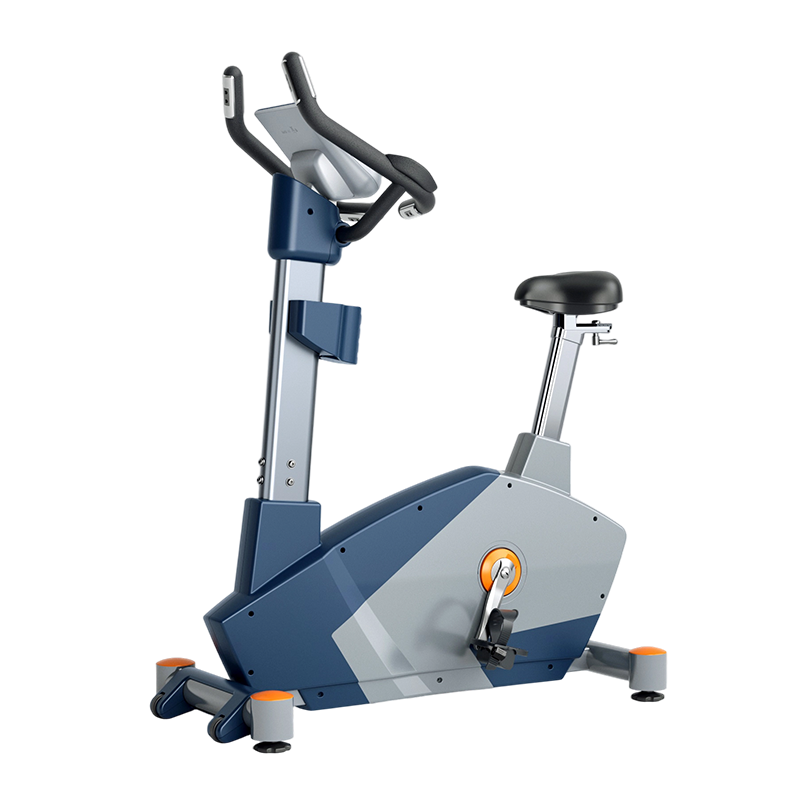
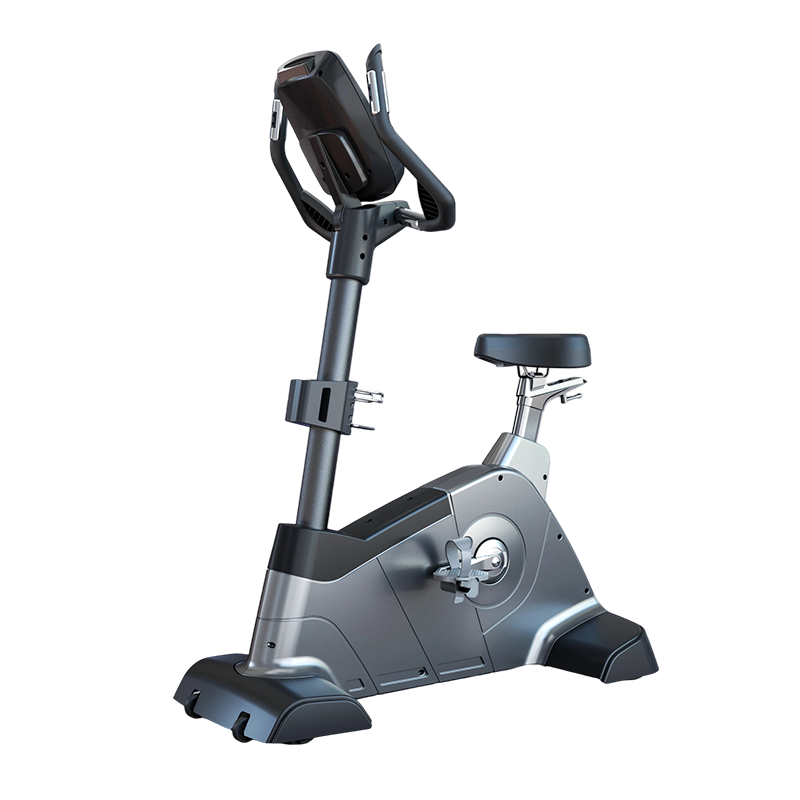
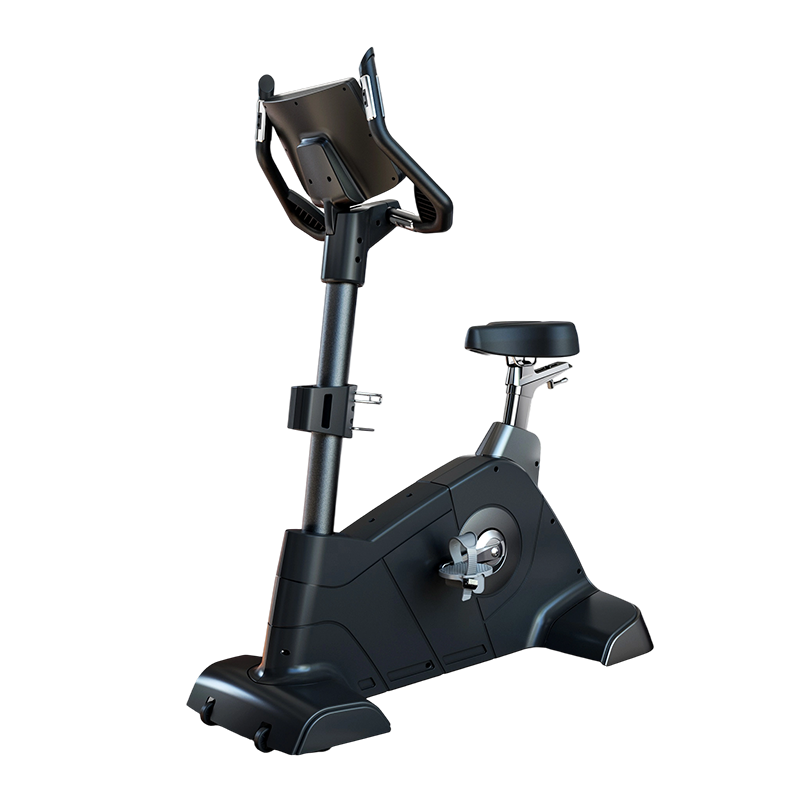

Technical Specifications and Features
A water rower has four functional groups: the tank and paddle assembly, the handle and strap system, the seat and rail, and the monitor with sensor. The tank is typically a clear or tinted polymer or a glass tank, with a fill opening and a drain. The paddles or impeller are attached to a shaft that turns when the user pulls the handle.
Resistance is controlled by the water volume and by how hard the user pulls. Typical tanks hold roughly 12 to 20 liters, although the exact figure depends on the design. Some designs have adjustable internal vents or baffles that change the drag, but these are a feature of specific models, not of the technology in general.
| Parameter | Typical range or option | Buyer note |
|---|---|---|
| Tank volume | Roughly 12 to 20 liters | Check the fill line and total weight |
| Tank material | Polymer or glass | Check for leaks and clouding |
| Paddle design | Two to eight blades or an impeller | Affects feel and sound |
| Resistance control | Water level and pull force | Some models add vent adjustment |
| Frame material | Wood, aluminum or steel | Check coating and joints |
| Rail length | About 120 to 210 cm in total length | Affects user height range |
| Monitor data | Stroke rate, time, distance, estimated power | Estimates not lab-grade values |
| Machine weight | Typically 25 to 60 kg empty | Ask for packed weight |
Monitor accuracy depends on the sensor and the calibration method. Because water resistance is not a fixed value, distance and power figures are estimates based on paddle speed and a model of the drag. Buyers should avoid comparing monitor numbers between brands unless the same method is used.
Professional Buying Guide
The main purchase questions for water rowers are leak safety, noise, size, storage method and monitor function. A tank that leaks or becomes cloudy would cause complaints, so the seal design and the water treatment plan are among the first items to check.
Shipping is another factor. Rowers are normally shipped empty, because water adds weight and can freeze in cold transit. The end user fills the tank on site. Check that the carton protects the tank, and that the manual explains filling and draining steps clearly.
| Criteria | What to check | Typical range or rZEIerence |
|---|---|---|
| Tank seal | Check gasket, cap and drain valve | Run a fill test for at least 24 hours |
| Water treatment | Tablets or cleaning agent in the manual | Follow maker advice |
| Noise | Stroke sound at normal rate | Measure at set distance |
| Frame durability | Welds, wood finish, joint hardware | Check rail and seat wear |
| Seat and rail | Seat bearing, rail finish | Smooth glide without rattle |
| Monitor | Data and sensor type | Check battery type |
| Storage | Upright storage option | Water is drained or kept in the tank per the manual |
| Documentation | Test reports and manual | Relevant EN ISO 20957 part |
Where the machine will be sold under an OEM program, check the lead time for tank and paddle tooling, since these parts are often specific to each design. Customization of logos and finish is generally simpler than a change of tank or paddle shape.
Usage Advantages
Water rowing offers a continuous, smooth resistance with no dead spot between strokes, since the water keeps moving after the drive phase. The machine responds directly to the force the user applies, which makes the stroke feel natural to people used to rowing on water.
Good technique matters on any rowing machine. The stroke runs in sequence: legs drive, then the trunk swings back, then the arms pull the handle to the chest. The recovery reverses this order. Keep the back straight and avoid pulling with the arms first.
| Advantage or tip | Explanation |
|---|---|
| Smooth load | The water has momentum, so resistance does not stop between strokes |
| Self-regulating ZEIfort | Load follows the pull force of the user |
| Stroke order | Legs, then trunk, then arms on the drive |
| Recovery | Arms, trunk, then legs return forward |
| Stroke rate | Many programs use about 18 to 28 strokes per minute |
| Foot straps | Adjust so the heel lifts slightly |
| Warm-up | Several minutes at easy ZEIfort |
| Posture | Avoid rounding the lower back at the catch |
Beginners should begin with short sessions and focus on form bZEIore speed. A mirror or a video of the stroke can help with technique.
Application Scenarios
Water rowers appear in home gyms, boutique studios, hotels and rehabilitation settings. Buyers often choose them for the natural feel and the visual interest of the tank, and sellers use the water sound and the tank display as a point of difference.
Noise is a factor in shared spaces. The water sound is typically a steady swish, which some users find calm. Compared with fan-based rowers, the sound can be lower in pitch, though a quantified comparison depends on the models tested.
| Scenario | Equipment needs | Planning notes |
|---|---|---|
| Home gym | Compact rower with upright storage | Check floor load and water fill source |
| Boutique studio | Several matched rowers | Plan spacing for class use |
| Hotel gym | Simple monitor and stable base | Provide cleaning instructions |
| Rehabilitation clinic | Smooth load and low impact | Guide users on technique |
| Corporate wellness room | Quiet machine | Check noise in open spaces |
| Retail showroom | Display unit with tank filled | Keep water clean |
| OEM brand range | Custom logo, finish and seat | Agree customization in general terms with supplier |
| Cold-climate distributor | Shipped empty | Educate users on filling and draining |
Distributors should prepare a short guide on filling, treatment and draining, as these points are specific to this technology and generate many first-year questions.
FAQ
Frequently Asked Questions
- Q: How does water resistance work on a rowing machine?
- A: The handle turns a paddle assembly inside a sealed water tank. The water pushes back against the paddles, so the load rises with pull force and with water volume.
- Q: How much water does a rowing machine tank hold?
- A: Tanks typically hold roughly 12 to 20 liters, depending on the design. Check the fill mark in the manual for each model.
- Q: How often should the water be treated or changed?
- A: Treatment is typically every three to six months with a maker-approved product, and a full change is often every one to two years or when the water is cloudy.
- Q: Are water rowers shipped filled?
- A: Normally not. They are shipped empty to reduce weight and avoid freezing damage, and the user fills the tank on site.
- Q: Are monitor readings exact?
- A: They are estimates based on paddle speed and a drag model, so values should not be compared across brands without checking the method.
- Q: Can Everbright customize a water rowing machine?
- A: Everbright offers OEM and ODM customization in general terms, including structure, upholstery color and brand logo. Details for a water rower are discussed per project.
- Q: Is a water rower quiet?
- A: The sound is typically a steady swish rather than a fan roar, but loudness varies by paddle design and stroke force.
- Q: What standard applies to rowing machines?
- A: The EN ISO 20957 series applies, with a part for rowing machines. Class S is for home use and class H for commercial use, with accuracy classes A, B and C.