Ergonomic Cardio Equipment
Biomechanical Precision in Cardio Design
Ergonomic cardio equipment is designed based on anthropometric data to ensure that the machine conforms to the natural movements of the human body. By prioritizing proper joint alignment and spinal posture, these machines reduce the risk of strain and maximize muscle activation. This category focuses on the relationship between the user and the interface points, such as pedals, handles, and seating.
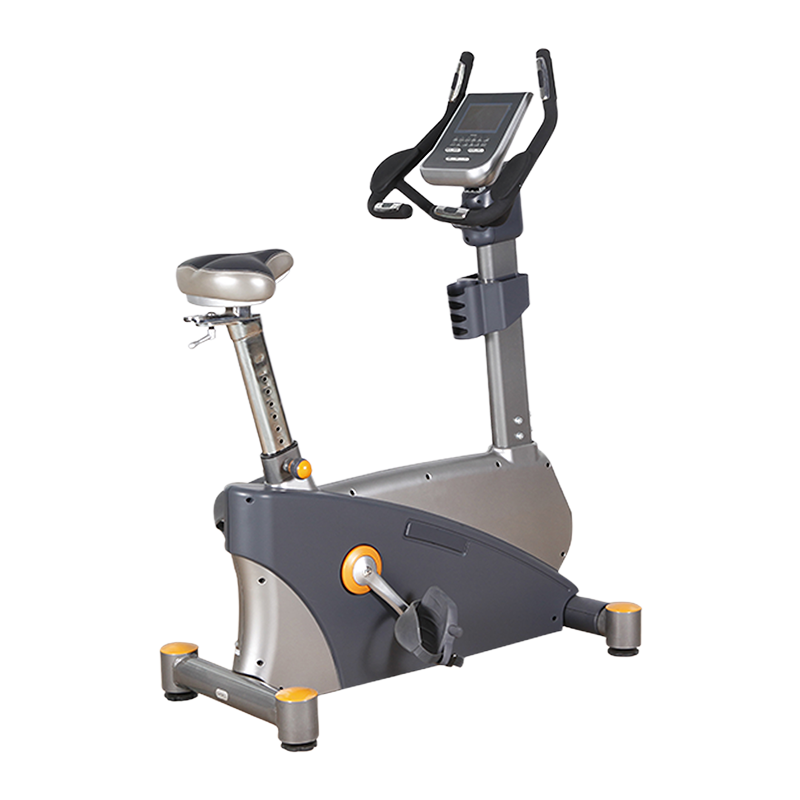
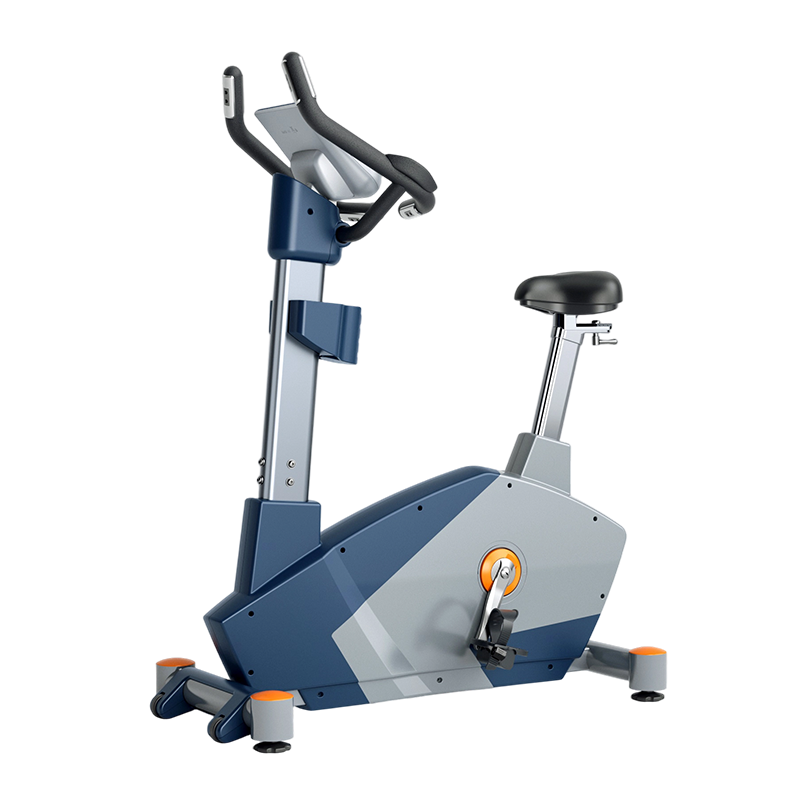
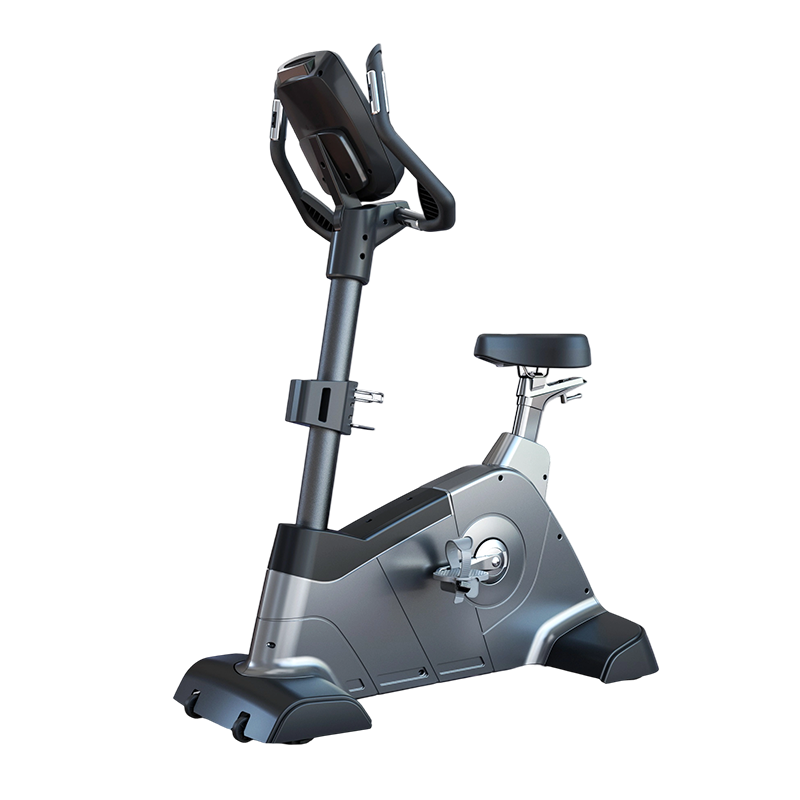
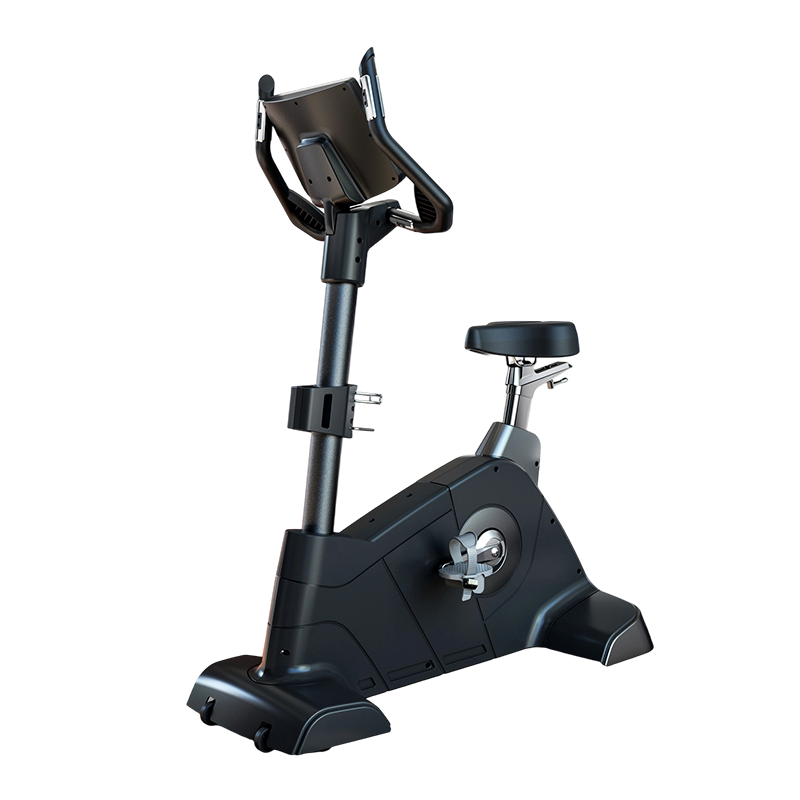

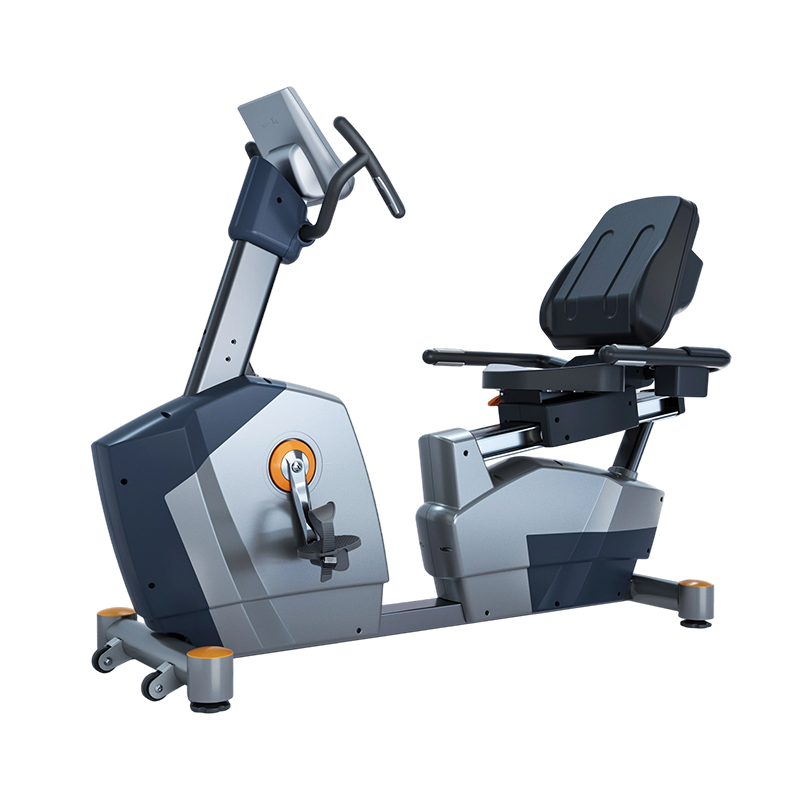
Key Ergonomic Design Features
- Optimized Q-Factor: The lateral distance between the pedals is minimized to align the rider’s hips, knees, and ankles, preventing lateral joint stress.
- Articulating Footplates: Pedals that tilt and pivot to mirror the natural change in ankle angle throughout a stride, reducing numbness and pressure points.
- Multi-Position Grip Handlebars: Ergonomically curved handles allow for various hand placements, reducing wrist fatigue and allowing for different upper-body muscle engagement.
- Contoured Lumbar Support: Seated equipment features backrests designed to maintain the natural S-curve of the spine, preventing slouching and lower back pain.
- Step-Through Access: Low-profile frame designs allow for easy mounting and dismounting without requiring excessive hip flexion or balance.
- Adjustable Stride and Reach: Digital or manual adjustments that allow the machine to accommodate users of different heights while maintaining ideal biomechanical paths.
Ergonomic Selection and Buying Guide
When choosing ergonomic cardio equipment, the first priority should be the range of adjustability. A machine that is ergonomic for a 160cm user may not be ideal for a 190cm user unless it offers significant customization. Look for seats that move both vertically and horizontally, and handlebars that can be angled to prevent wrist strain. In ellipticals, the stride path should be natural rather than jerky, and the Q-factor should be as narrow as possible (under 5cm for best results). For treadmills, the deck should offer responsive cushioning that is firm enough for push-off but soft enough for landing. Evaluate the console placement; it should be at eye level to prevent neck strain during long sessions. The quality of the padding in the seats is also vital; high-density foam that does not bottom out is preferred for long-term comfort. Buyers should also check for intuitive control placement, ensuring that speed and resistance can be adjusted without reaching or losing balance. For commercial environments, consider machines that automatically adjust based on user height or those that use "natural motion" technology. Finally, verify that the equipment has been tested by biomechanical experts or has certifications relating to orthopedic safety.
Health and Performance Advantages
The primary advantage of ergonomic cardio equipment is the significant reduction in repetitive stress injuries, which are common when using poorly designed machinery. Proper alignment ensures that the workload is distributed across the correct muscle groups, leading to more efficient caloric burn and better toning results. For users with existing conditions like arthritis or chronic back pain, ergonomic machines provide a pathway to cardiovascular health that would otherwise be too painful to pursue. These machines also improve circulation by preventing the compression of nerves and blood vessels in the hands and feet. From a performance standpoint, being in the correct biomechanical position allows athletes to generate more power and maintain higher intensities for longer periods. The comfort provided by ergonomic design also has a profound psychological impact; users are more likely to enjoy their workouts and adhere to their fitness plans when they do not finish a session with unnecessary aches or pains. For facility owners, providing ergonomic equipment reduces the risk of liability and demonstrates a commitment to the long-term wellness of their members. Additionally, the high-quality materials required for ergonomic touchpoints often lead to a more durable and premium-feeling product overall.
Applications in Modern Health Facilities
Ergonomic cardio equipment is essential in physical therapy clinics and rehabilitation centers where patients are recovering from joint surgeries or back injuries. It is also a staple in corporate wellness centers where the goal is to provide safe exercise options for office workers who may already suffer from postural issues. High-end athletic clubs use ergonomic machines to cater to a membership that values longevity and precision in their training. In senior living communities, these machines are preferred for their ease of use and the protection they offer to aging skeletal systems. Professional sports teams integrate ergonomic trainers into their recovery protocols to allow players to maintain aerobic fitness while minimizing joint load. They are also highly effective in home gyms for individuals who have invested in their long-term health and want to prevent the development of chronic pain. Furthermore, university sports science departments use these machines as benchmarks for studying human movement and efficiency. The universal design of ergonomic equipment makes it suitable for inclusive fitness environments that serve a wide range of body types and physical abilities.
FAQ
- Q: Why is the Q-factor important?
- A: A wide Q-factor forces the legs to move in an unnatural outward angle, which can cause significant knee and hip pain over time.
- Q: Can ergonomic machines help with weight loss?
- A: Yes, because they are more comfortable, you can often exercise for longer durations and at higher intensities, leading to greater total caloric expenditure.
- Q: Is ergonomic equipment more expensive?
- A: Generally yes, as it requires more intensive R&D and higher-quality adjustable components, but the reduction in injury risk provides a better long-term value.