CE Certified Gym Equipment
Compliance and Safety Standards in Fitness
CE certified gym equipment has been rigorously tested to meet the health, safety, and environmental protection standards of the European Economic Area. This certification ensures that the equipment is safe for public and residential use, covering everything from electrical safety to structural stability and mechanical durability.
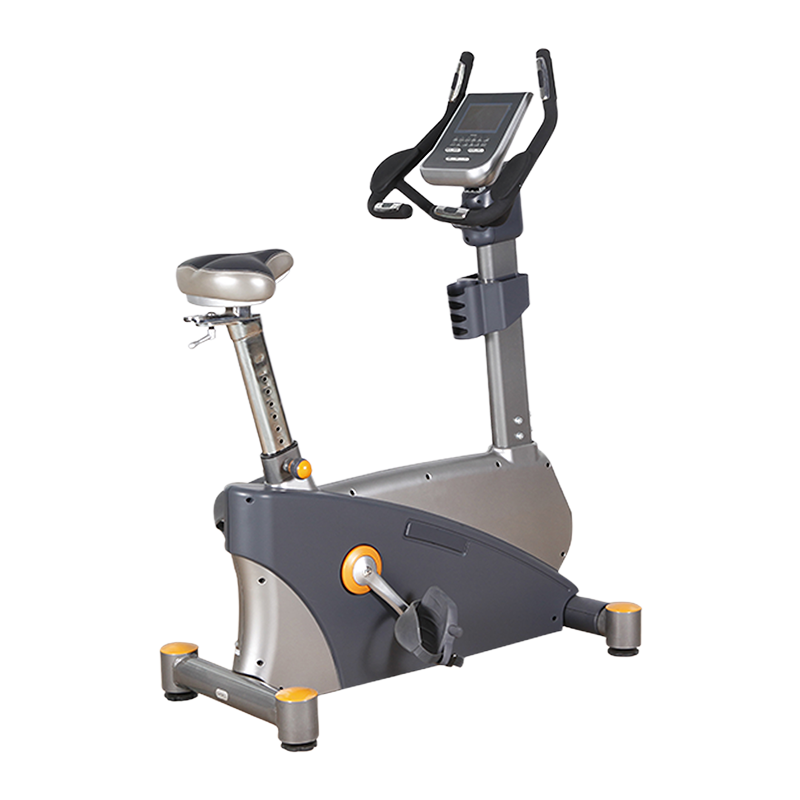
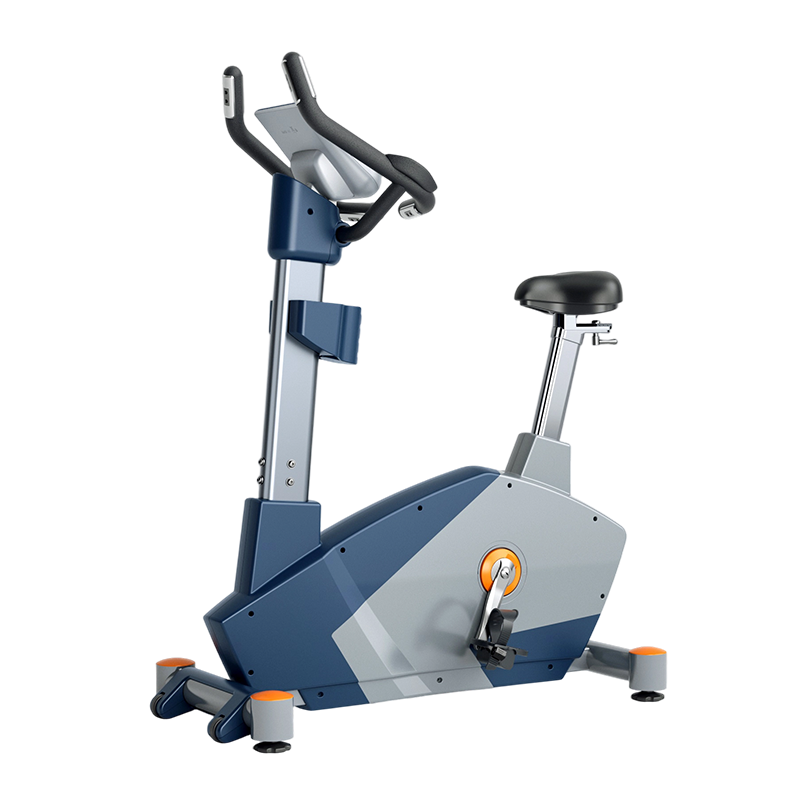
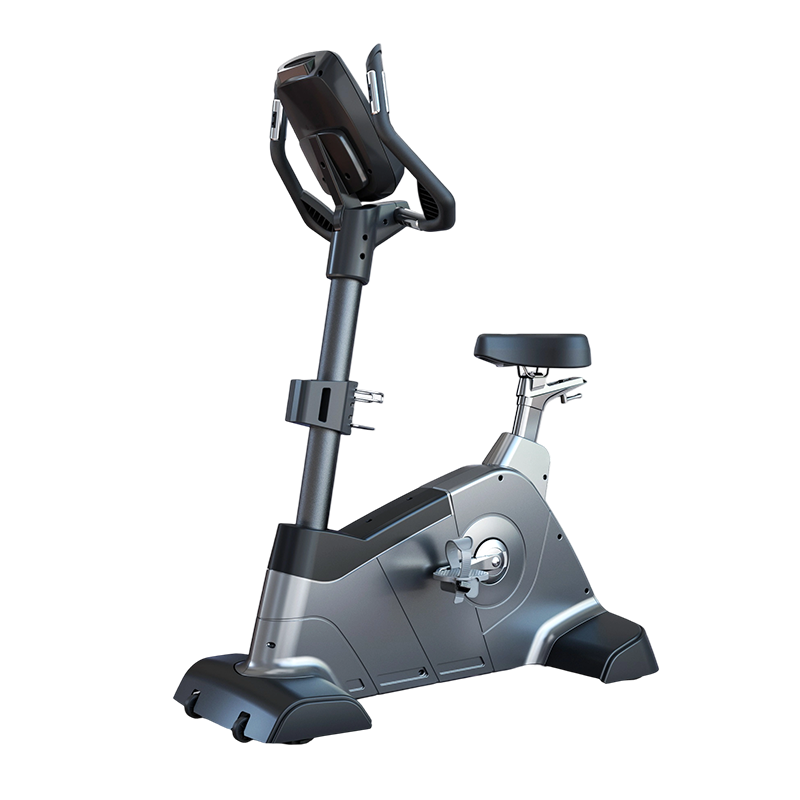
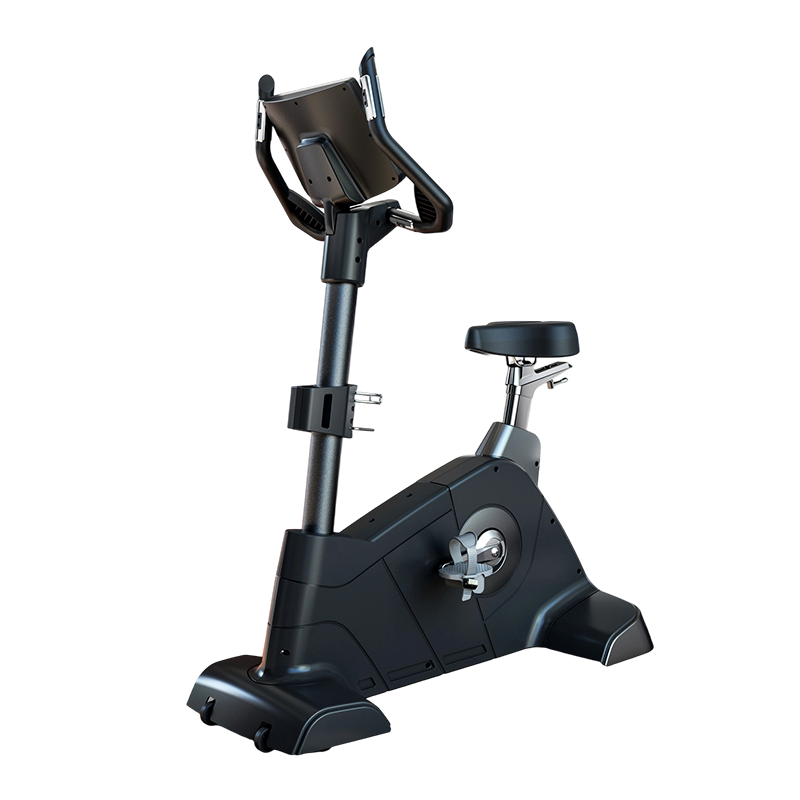

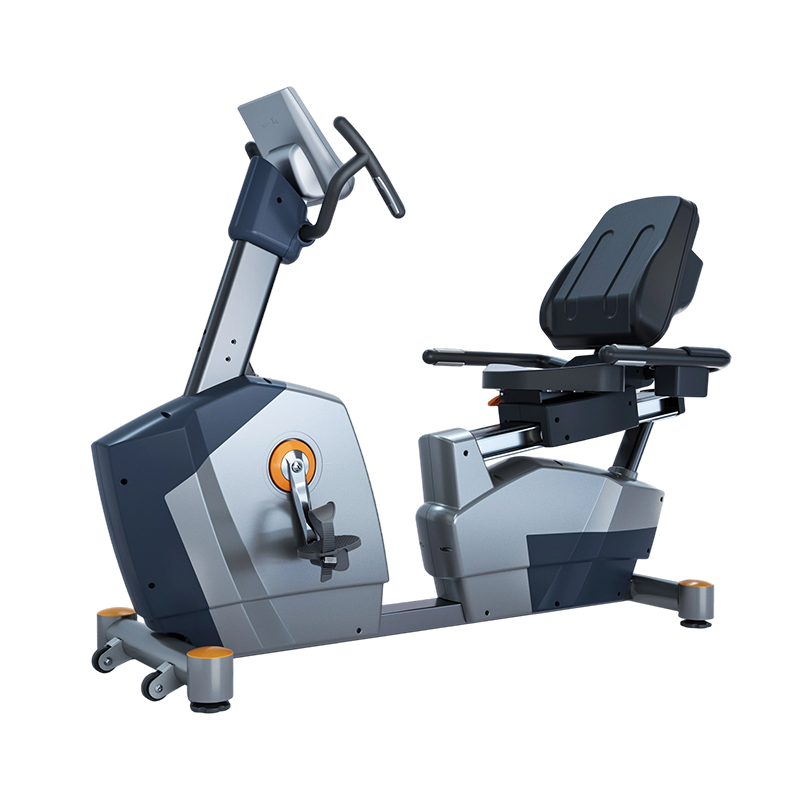
Testing and Compliance Features
- EN ISO 20957 Compliance: The equipment meets the specific European standard for stationary training equipment, ensuring it can handle the rated user loads without structural failure.
- Electromagnetic Compatibility (EMC): Certified machines do not emit harmful electronic interference and are shielded against external signals that could cause malfunctioning.
- Non-Toxic Material Selection: All plastics, rubbers, and paints are tested for harmful substances like lead, mercury, and phthalates, meeting RoHS requirements.
- Emergency Stop Mechanisms: Treadmills and motorized units must feature a validated safety pull-cord or button that halts the machine instantly in an emergency.
- Anti-Pinch Point Design: The frame and moving parts are engineered with shields and gaps that prevent fingers or clothing from being caught in the mechanism.
- Low Voltage Directive (LVD): All electrical components and wiring are insulated and grounded to prevent electric shock or fire hazards during operation.
Buying Guide for Certified Fitness Equipment
When purchasing fitness equipment for commercial or international sale, verifying the CE certification is a non-negotiable step. Buyers should ask for the official Declaration of Conformity and the test reports from recognized third-party laboratories. It is important to distinguish between the CE mark for "China Export" and the official European Conformity mark; the latter requires rigorous testing and documentation. For commercial facilities, ensure the equipment is rated as "Class S" (Studio) under the EN 957 standard, rather than "Class H" (Home). Inspect the labels on the machine; they should include the manufacturer’s name, the model number, and the maximum user weight in a permanent format. For motorized equipment, check that the power cords and plugs are appropriately certified for your region. Buyers should also consider the environmental impact; CE certification often includes REACH compliance, which limits the use of chemicals that are harmful to the environment. For international distributors, purchasing certified gear is essential for legal entry into the EU and for minimizing product liability insurance costs. Finally, verify that the certification covers the entire machine, including the console and software, and not just a single component like the motor.
Benefits of Safety-Certified Machinery
The primary advantage of CE certified gym equipment is the guaranteed safety of the user, which is critical in both home and high-traffic commercial environments. This certification reduces the risk of mechanical failure or electrical fire, protecting the facility owner from significant legal and financial liabilities. For distributors and retailers, selling certified equipment ensures smooth passage through customs and compliance with regional trade laws. From a quality perspective, the testing required for certification often forces manufacturers to use better materials and more precise engineering, resulting in a more durable and reliable product. Users also benefit from the peace of mind that their equipment has been scrutinized by independent experts for structural integrity and chemical safety. Furthermore, certified equipment often has a higher resale value and is more attractive to professional gym buyers. The inclusion of standardized safety features, such as emergency stops and finger guards, prevents common gym accidents and makes the equipment suitable for users of all experience levels. Finally, CE certification is a hallmark of professional manufacturing, signaling that the factory adheres to international standards and values long-term product quality over short-term cost-cutting.
Applications Across Regulated Markets
CE certified gym equipment is mandatory for any commercial fitness center, school gym, or hotel fitness room operating within the European Union and many other global regions that follow similar standards. It is also highly recommended for residential users who prioritize safety and want equipment that meets the same standards as a professional health club. In government and public sector projects, such as municipal recreation centers and military barracks, CE certification is often a baseline requirement in the tendering process. Insurance companies frequently require the use of certified equipment to validate coverage for public fitness facilities. It is also essential for corporate offices that provide gym amenities to employees, ensuring that the company is meeting its health and safety obligations. In the medical and rehabilitation field, certified equipment is necessary to ensure that patients are not exposed to toxic materials or mechanical hazards during therapy. Additionally, international exporters rely on CE certification to access a global market and build trust with diverse consumer bases. The broad acceptance of CE standards makes this equipment suitable for any facility that values safety, legality, and engineering excellence.
FAQ
- Q: Is CE certification the same as UL?
- A: No, CE is the standard for Europe, while UL is primarily used in the United States, though many high-end machines carry both certifications for global sale.
- Q: Does certification affect the performance of the machine?
- A: Generally, it improves performance by requiring higher manufacturing tolerances and better-quality electrical components.
- Q: Can I check if a certificate is authentic?
- A: Yes, you can verify the certificate number through the database of the issuing laboratory (such as TUV, Intertek, or SGS).