Home Gym Fitness Equipment
Comprehensive Home Gym Equipment Overview
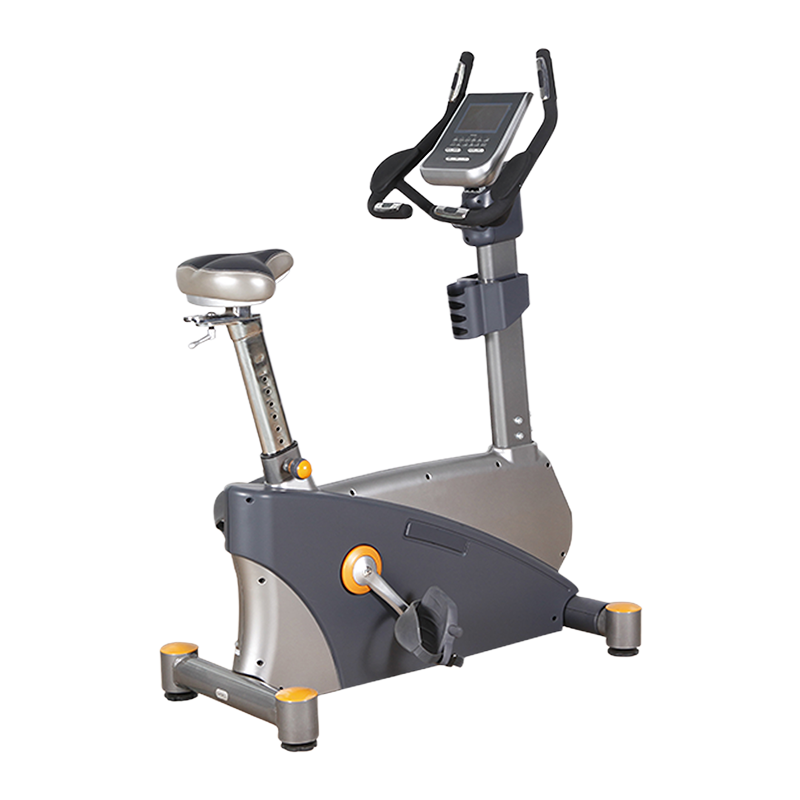
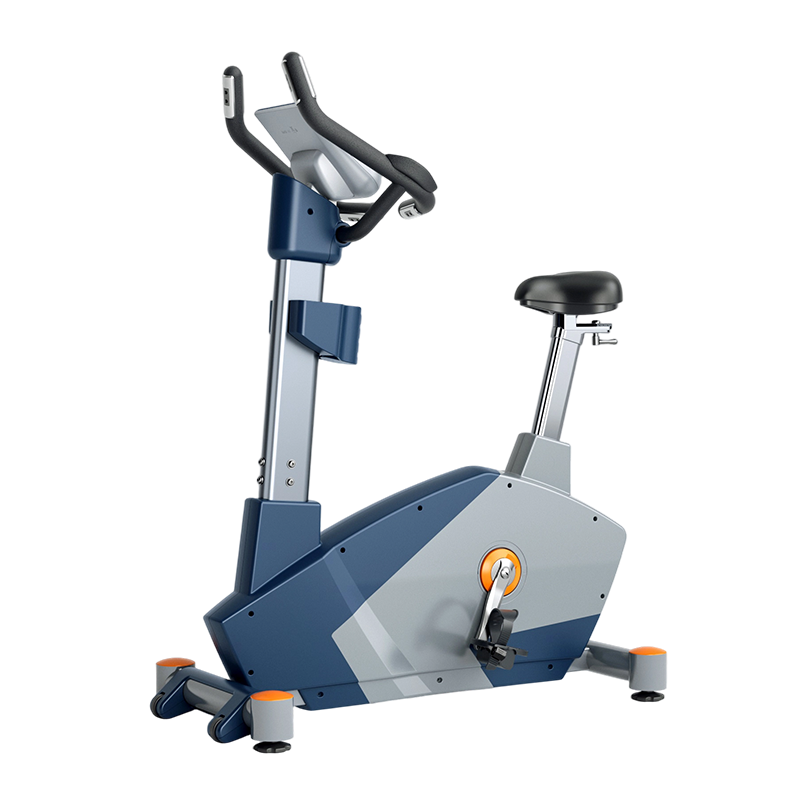
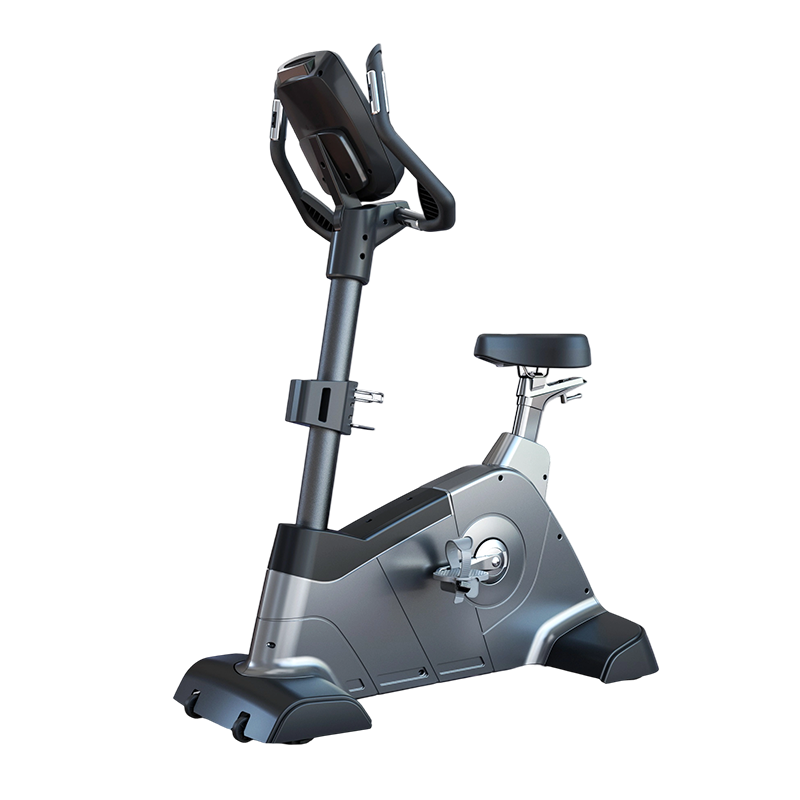
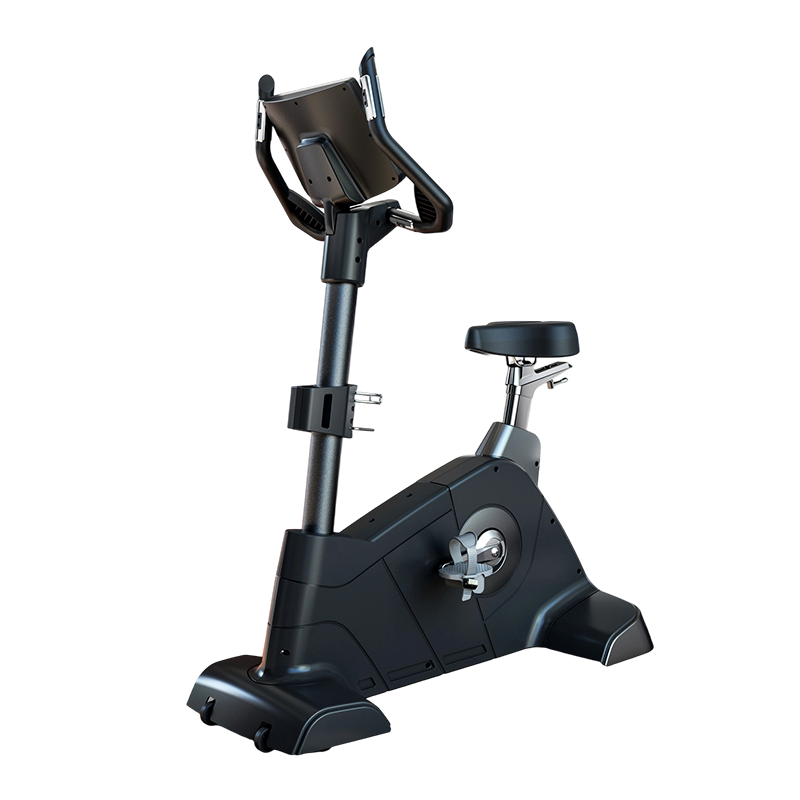
Home gym fitness equipment encompasses a wide range of strength and cardio machines designed specifically for residential use, emphasizing space efficiency, versatility, and user-friendly operation. The goal of a modern home gym setup is to provide a full-body workout experience that rivals a commercial health club within a limited footprint. This category includes everything from multi-functional power racks and adjustable benches to compact cardio machines like foldable treadmills and space-saving ellipticals. Home-use equipment is typically engineered with high-tensile steel frames that are lighter than commercial models but still offer significant stability for individual users. Manufacturers prioritize noise reduction through the use of nylon-coated cables and magnetic resistance systems to ensure the equipment can be used without disturbing other household members. The integration of digital connectivity allows home users to access on-demand training classes and track their progress through mobile applications. As more individuals move toward flexible workout schedules, high-quality home gym equipment has become an essential investment for maintaining long-term physical health and consistency in fitness routines.

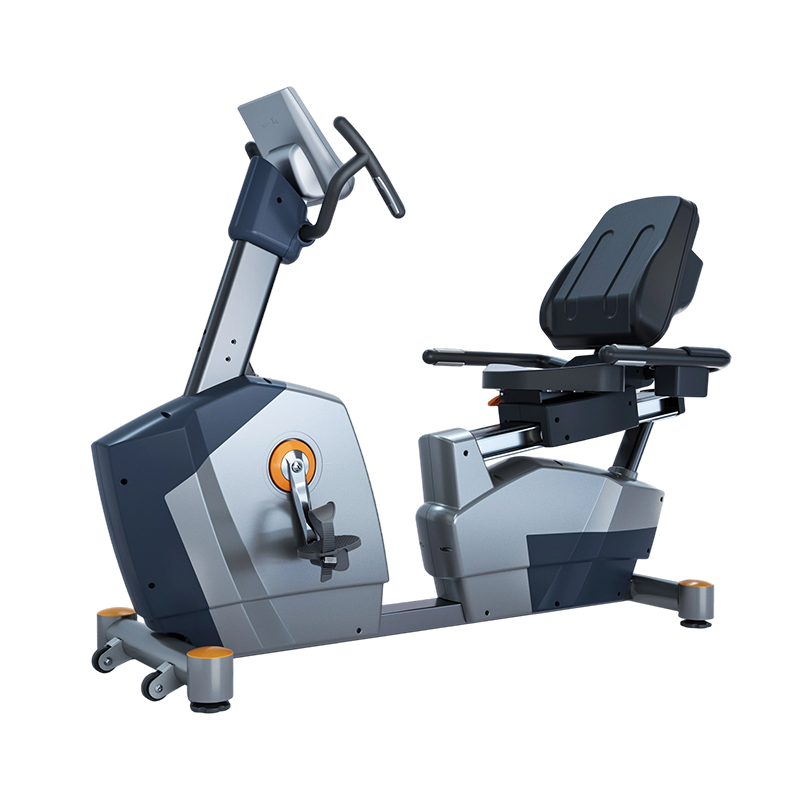
Design Features and Residential Innovation
- Multi-Functional Workstations: Many home units combine several exercises into one machine, such as a lat pull-down, chest press, and leg extension, maximizing utility in small spaces.
- Compact and Foldable Frames: Features like folding treadmill decks and vertical storage rowing machines allow equipment to be tucked away into closets or corners when not in use.
- Magnetic Resistance Technology: Utilizes whisper-quiet magnetic braking for cardio machines and weight stacks with nylon bushings to minimize metallic clanging during strength training.
- High-Quality Powder Coating: Frames are finished with scratch-resistant powder coats to maintain their appearance in a home environment and prevent rust in garage or basement settings.
- Ergonomic Soft-Touch Grips: Handlebars and pull-down bars are coated in high-density foam or textured rubber for comfort and a secure grip during intense exercise.
- Smart Device Integration: Consoles often feature tablet holders and USB charging ports, allowing users to stream workouts or follow interactive training programs.
Residential Fitness Procurement Guide
When selecting home gym equipment, the first step is to accurately measure the available floor space and ceiling height, taking into account the necessary clearance for safe movement. Buyers should prioritize versatility; for example, an adjustable bench paired with a power rack can facilitate hundreds of different exercises. Evaluate the build quality by checking the gauge of the steel tubing; 11-gauge or 14-gauge steel is ideal for home strength equipment. For cardio machines, consider the weight of the flywheel or the horsepower of the motor to ensure smooth operation and longevity. Noise level is a major factor; magnetic or belt-driven systems are generally quieter than air or chain-driven ones. Examine the ease of assembly, as many home units are shipped flat-packed and require basic tools to set up. Security and stability are paramount; ensure the equipment includes floor levelers and safety locks for foldable parts. Warranty coverage is also important, specifically looking for terms that cover the frame for a lifetime and moving parts for several years. Finally, consider the aesthetic design and whether the equipment fits the decor of the home gym area, as this can subconsciously affect motivation levels and the frequency of use.
Benefits of Investing in Home Fitness
The primary advantage of having a home gym is the elimination of travel time and membership fees, which significantly increases the likelihood of maintaining a consistent exercise schedule. Home equipment offers a level of privacy that can be beneficial for beginners or those who prefer to train without the distractions of a public facility. From a hygiene perspective, personal equipment is easier to keep clean and is not shared with hundreds of other people daily. For families, a home gym provides a convenient way for multiple members to stay active without needing separate gym memberships. The ability to customize the equipment selection to specific fitness goals ensures that every piece of machinery is used effectively. Modern home fitness gear is also designed to be much more durable than in the past, often lasting for decades with minimal maintenance. The convenience of being able to squeeze in a 20-minute workout at any time of day or night is a major physiological benefit for busy professionals. Additionally, owning your equipment allows for a personalized environment—control over the music, temperature, and lighting can lead to a more enjoyable and productive training experience.
Applications and User Personas
Home gym fitness equipment is used extensively by busy professionals who need to integrate exercise into tight schedules without commuting to a gym. It is also a primary solution for parents with young children who need to stay within the home while working out. Senior citizens utilize home-based cardio and light strength machines to maintain mobility and cardiovascular health in a safe, controlled environment. Garage gym enthusiasts often build comprehensive strength training zones using power racks and Olympic platforms for heavy lifting. Apartment dwellers favor compact, foldable equipment like walking pads and magnetic exercise bikes that can be easily hidden. In rural areas where commercial gyms are far away, home fitness setups provide a vital link to physical wellness. They are also used by athletes who require a dedicated space for specific conditioning outside of their regular team practices. Additionally, individuals undergoing long-term rehabilitation use home fitness gear to follow their physical therapy protocols daily. The range of equipment available today means that a high-quality fitness experience is accessible regardless of the size of the living space or the specific training objectives of the user.
FAQ
- Q: Is home gym equipment as effective as commercial machines?
- A: Yes, if the equipment is chosen correctly, you can achieve the same physiological results. The main difference is that commercial gear is built for continuous 24/7 use by many people.
- Q: How do I protect my floors from heavy gym equipment?
- A: Using high-density rubber gym mats or interlocking foam tiles under the equipment will protect the flooring and help dampen noise and vibration.
- Q: What are the most essential pieces for a basic home gym?
- A: A set of adjustable dumbbells, an adjustable bench, and a versatile cardio machine like a folding treadmill or an upright bike provide a very comprehensive foundation.