Commercial Spin Bikes
Professional Commercial Spin Bike Overview
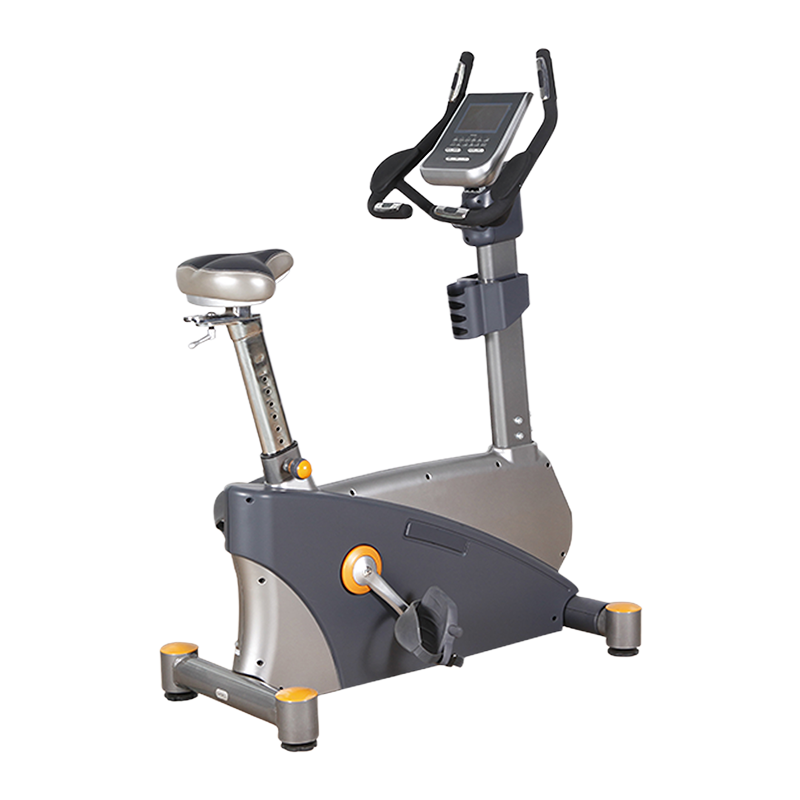
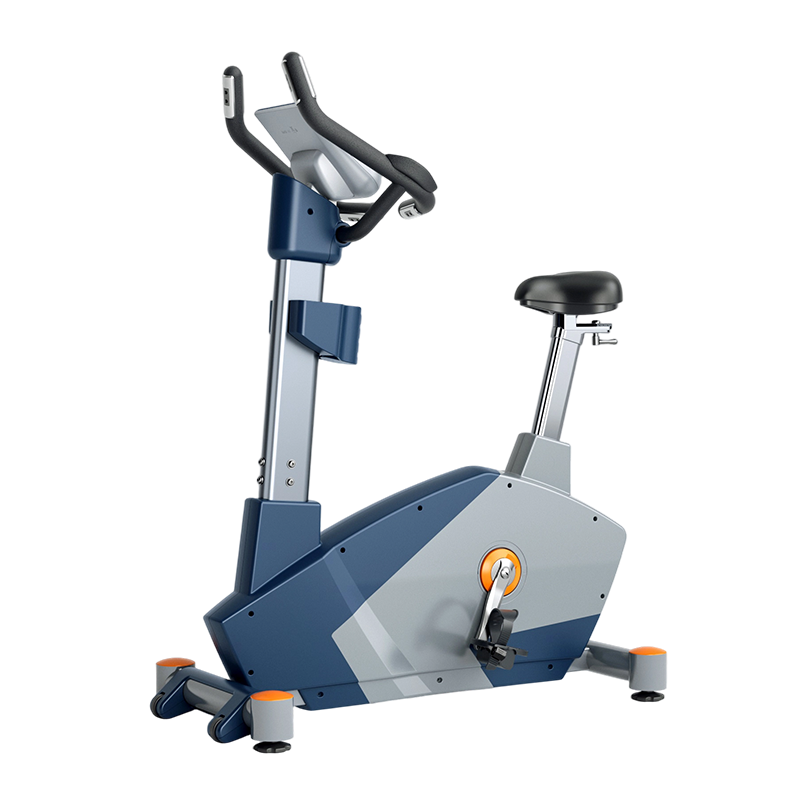
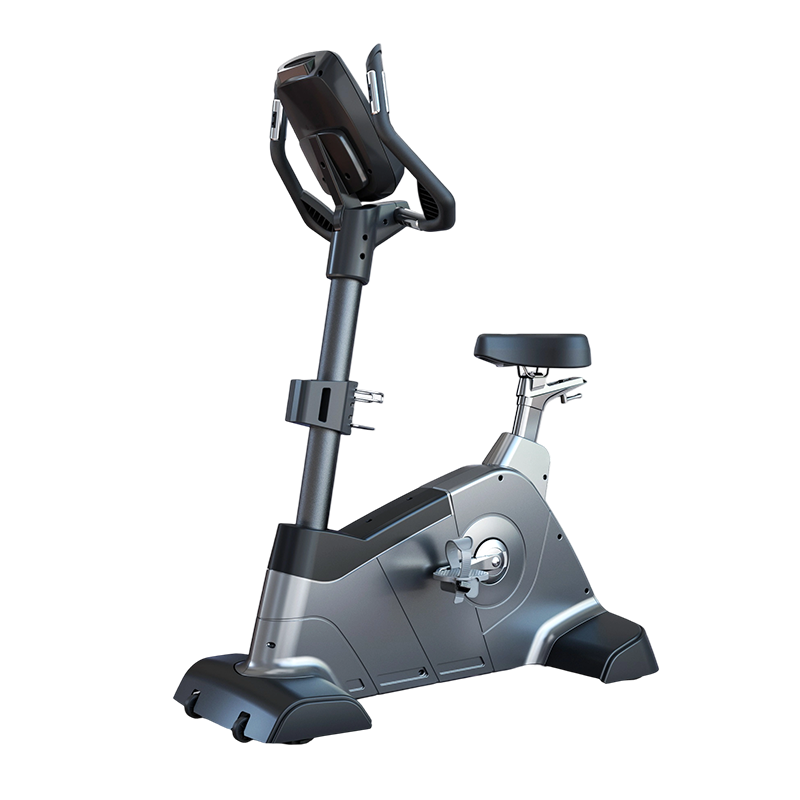
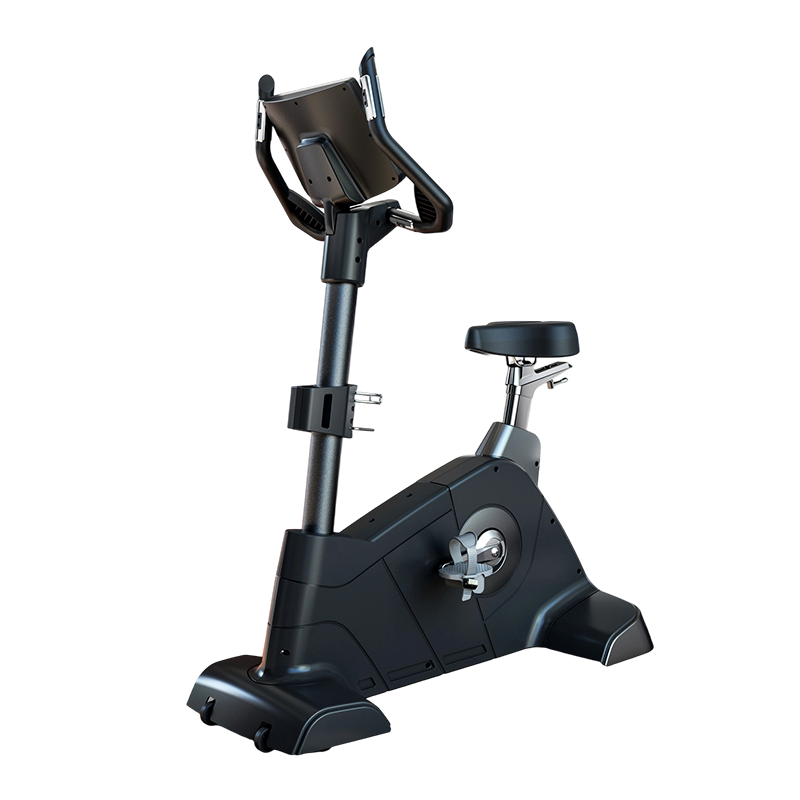
Commercial spin bikes, also known as indoor cycle trainers, are engineered to withstand the rigorous demands of high-traffic fitness facilities and boutique cycling studios. These machines differ from standard exercise bikes through their heavy-duty construction, high-inertia flywheels, and fixed-gear or freewheel drive systems that closely simulate the experience of outdoor road cycling. The primary objective of a commercial-grade indoor cycle is to provide a stable platform for high-intensity interval training (HIIT) and endurance workouts. Built with reinforced steel or aluminum frames, these bikes are designed to accommodate users of various sizes and skill levels while maintaining structural integrity during standing climbs and high-speed sprints. The integration of precision-engineered components ensures that the equipment remains operational for multiple hours of daily use. In a professional setting, the focus is on biomechanical efficiency, allowing for a full range of motion that targets the glutes, hamstrings, and calves while minimizing unnecessary stress on the knee joints. The lack of a motor makes these bikes an energy-efficient solution for large-scale gym operations.

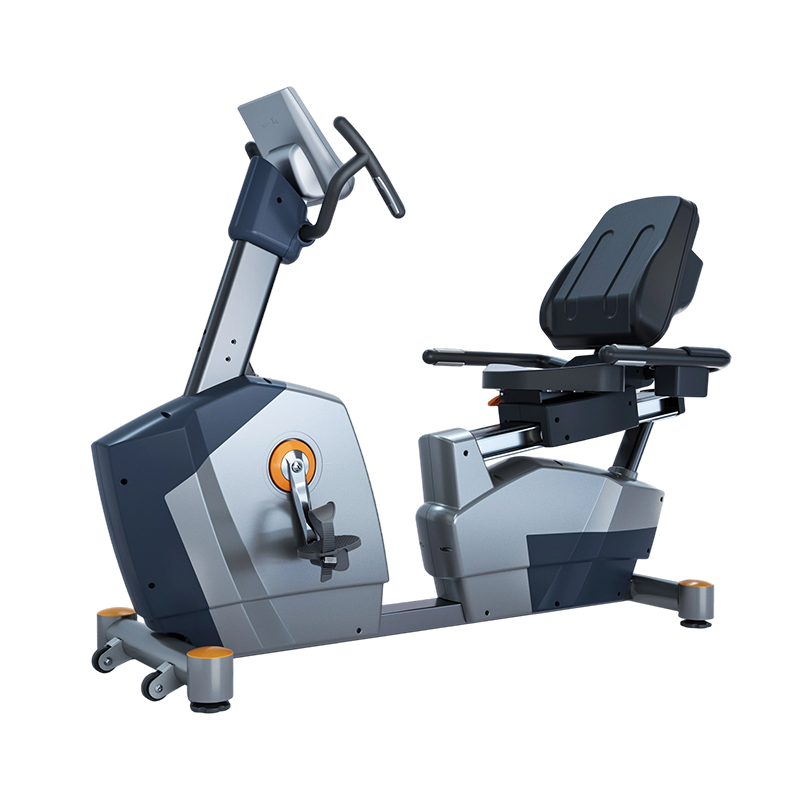
Technical Specifications and Engineering Features
- Heavy Perimeter-Weighted Flywheel: These bikes utilize flywheels typically ranging from 18kg to 25kg, providing high rotational inertia for a smooth, consistent pedal stroke that mimics real-road momentum.
- Dual-Sided Pedals: Most commercial models feature SPD-compatible clips on one side for professional cycling shoes and toe cages on the other for standard athletic footwear, ensuring versatility for all members.
- Four-Way Adjustable Cockpit: Both the seat and the handlebars offer micro-adjustments in vertical and horizontal directions, allowing for precise ergonomic alignment based on the user’s inseam and torso length.
- Commercial Resistance Systems: Equipped with either high-friction felt pads or magnetic braking systems, controlled by a tension knob that also serves as an emergency stop for safety.
- Sweat-Resistant Coating: The frames are treated with multi-stage powder coating or electrophoresis to prevent corrosion from moisture and salt, which is critical in high-intensity studio environments.
- Reinforced Bottom Bracket: The crank system is built with heavy-duty bearings and oversized axles to handle the torque generated during out-of-the-saddle climbing segments.
Commercial Procurement and Selection Guide
When selecting spin bikes for a commercial facility, the drive system is one of the most important technical considerations. Chain-driven models provide a traditional feel but require regular lubrication and tensioning, whereas belt-driven models using Kevlar-reinforced polymers offer a quieter, lower-maintenance experience. Buyers must also evaluate the frame material; aluminum frames are lighter and naturally rust-resistant, making them ideal for high-humidity areas, while steel frames offer maximum stability for heavy-duty use. The Q-factor, which measures the distance between the pedal attachments, should be analyzed to ensure it matches the natural pelvic width of human anatomy to prevent hip misalignment. Console connectivity is another modern requirement; many facilities now opt for bikes with ANT+ or Bluetooth capabilities to sync with group training software or individual wearables. Finally, facility managers should consider the ease of mobility; high-quality commercial bikes include front-mounted transport wheels and adjustable floor levelers to ensure the equipment can be easily repositioned and stabilized on uneven gym flooring. Detailed warranty terms on the frame, wear items, and labor should be scrutinized to calculate the long-term return on investment.
Operational and Physiological Advantages
The primary operational advantage of commercial spin bikes is their mechanical simplicity, which translates to high uptime and low repair costs compared to motorized treadmills. For the facility owner, these bikes occupy a small footprint, allowing for high equipment density and the ability to host group classes that maximize revenue per square meter. Physiologically, the fixed-gear nature of many spin bikes forces the user to maintain a consistent cadence, which is highly effective for improving cardiovascular capacity and anaerobic threshold. The high-inertia flywheel helps smooth out the dead spots in the pedal stroke, promoting better muscle recruitment across the entire lower body. Because these machines do not require electricity, they can be placed anywhere in a facility without the need for complex wiring, and they contribute to a lower overall utility cost. The durability of the components means that even with hundreds of users per week, the bike maintains its performance characteristics. Furthermore, the psychological benefit of a group cycling environment, facilitated by these professional machines, is a significant factor in member retention and community building within fitness centers.
Primary Application Scenarios
Commercial spin bikes are predominantly utilized in boutique indoor cycling studios where light and sound systems create an immersive workout experience. They are also a staple in full-service health clubs, providing a dedicated area for both individual cardio sessions and scheduled group fitness classes. Professional sports team training facilities incorporate these cycles for off-season conditioning and active recovery, as they allow athletes to maintain aerobic fitness without the impact forces associated with running. In corporate wellness centers, spin bikes offer a time-efficient workout option for employees, requiring minimal technical knowledge to operate. High-end hospitality gyms, such as those in five-star hotels and luxury resorts, utilize these machines to provide guests with a professional-grade workout that matches their home or gym routines. Additionally, they are increasingly found in multi-family housing fitness centers, where the low noise profile of belt-driven models is essential for maintaining a quiet living environment. Educational institutions and university recreation centers also deploy these bikes to withstand the heavy usage patterns typical of student populations.
FAQ
- Q: What is the difference between friction and magnetic resistance on a spin bike?
- A: Friction resistance uses felt or leather pads to apply physical pressure to the flywheel, while magnetic resistance uses eddy currents to create tension without contact, resulting in a silent and maintenance-free system.
- Q: How much maintenance do commercial spin bikes require?
- A: Routine maintenance involves wiping down the frame after each class to prevent corrosion, checking pedal tightness, and occasionally lubricating the chain or inspecting the belt tension every few months.
- Q: Are the seats and pedals on these bikes replaceable?
- A: Yes, most commercial spin bikes use standard bicycle seat rails and 9/16 inch pedal threads, allowing facility managers to upgrade or replace them with aftermarket parts if necessary.
- Q: Can these bikes accommodate very tall or short users?
- A: The multi-point adjustment system is designed to accommodate a wide range of heights, typically from 150cm to over 200cm, by altering both the height and the fore/aft position of the components.