Heavy-Duty Commercial Treadmills
Introduction
Heavy-Duty Commercial Treadmills are engineered to address specific cardiovascular and musculoskeletal training demands. The category has expanded significantly over the past decade as manufacturers have refined drive systems, frame geometry, and digital integration to meet the expectations of both home buyers and commercial procurement teams.The fundamental design goal across this product category is to deliver a reliable, repeatable workout stimulus with minimal equipment downtime and low total cost of ownership. Frame materials, resistance mechanisms, and drive systems are selected to achieve long service life under the loading cycles typical of regular use. From a procurement perspective, Heavy-Duty Commercial Treadmills occupy an important position in fitness equipment portfolios. They serve user populations with distinct physical profiles and training goals, and their specifications must be aligned with the operational demands of the intended facility or home environment. Advances in connected fitness technology have added a digital layer to this category. Many current-generation units feature Bluetooth-enabled consoles, app integration, and performance tracking that extend the utility of the equipment beyond standalone exercise sessions. This connectivity is increasingly expected by buyers in both residential and commercial markets.
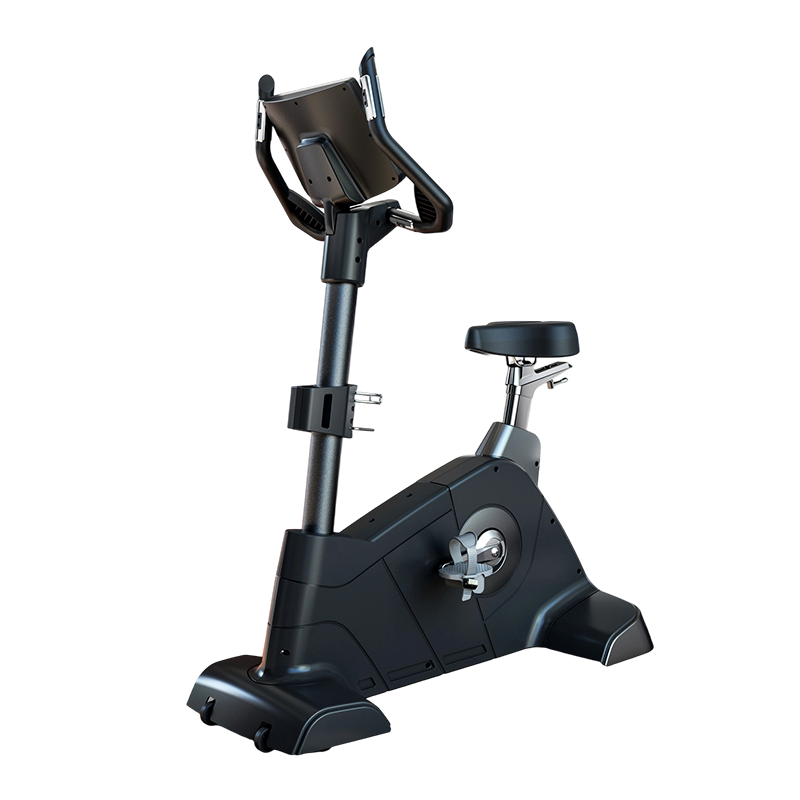

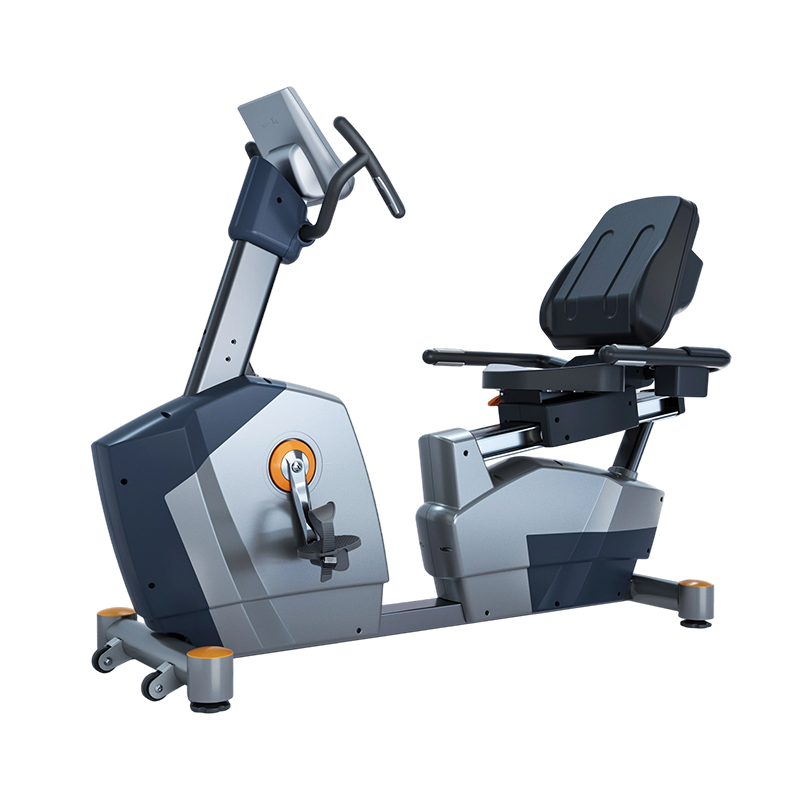
Technical Specifications and Features
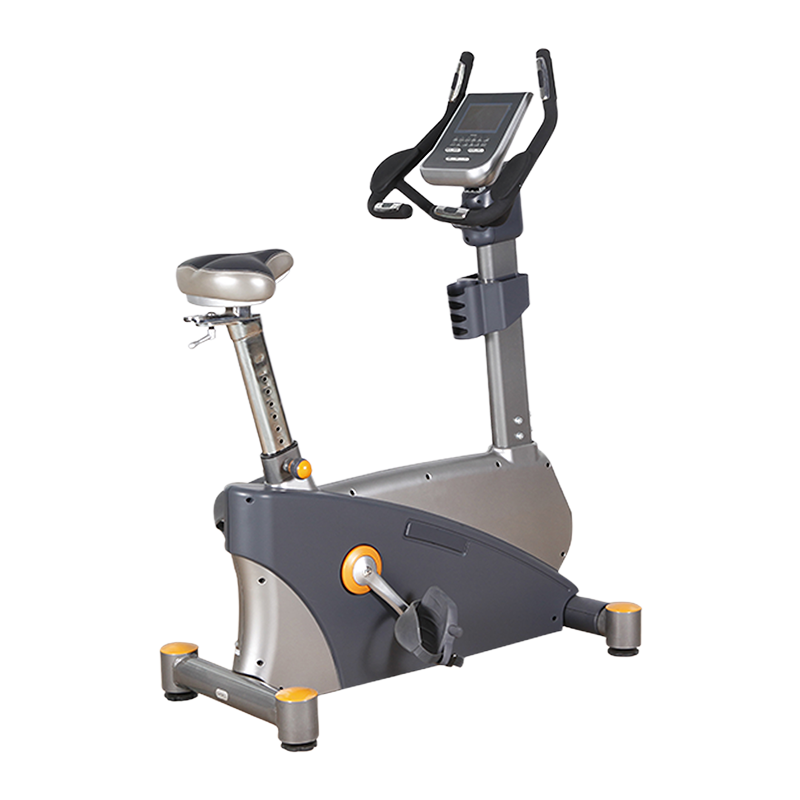
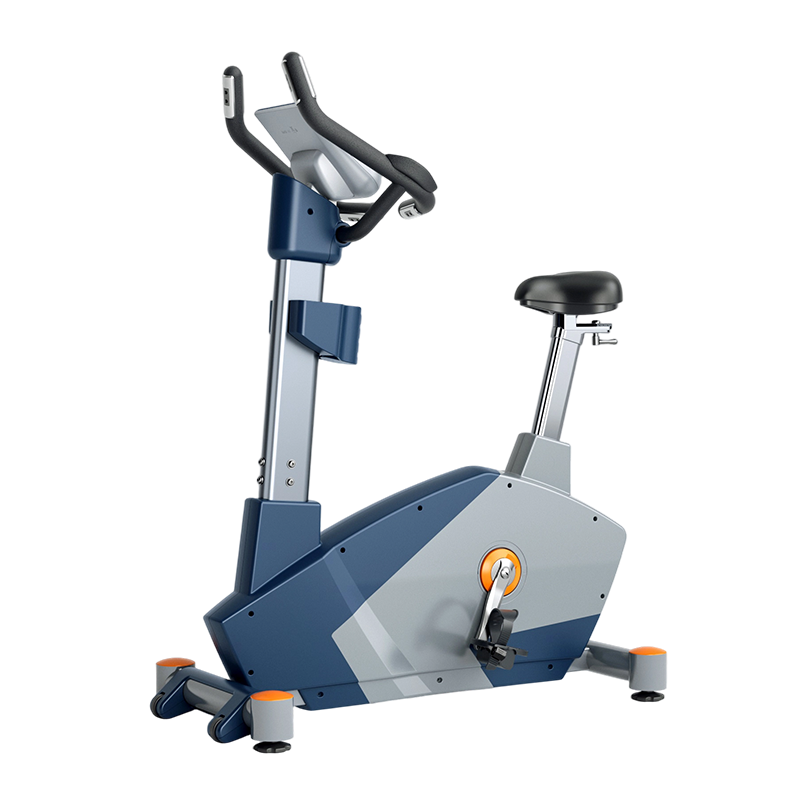
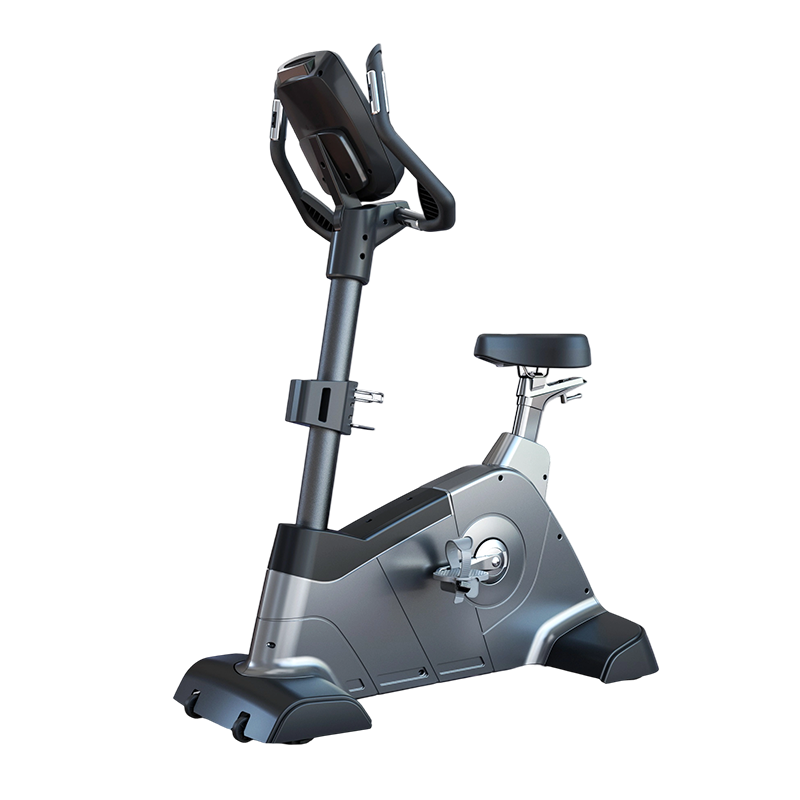
The performance characteristics of Heavy-Duty Commercial Treadmills are defined by a set of core engineering parameters. Understanding these specifications enables buyers to select equipment that matches their intended use case and user population.
Frame Construction: Heavy-gauge steel frames with continuous welds provide the structural integrity needed to handle repetitive loading cycles. Frame thickness and joint construction are among the most reliable indicators of long-term durability.
Resistance System: Magnetic and electromagnetic systems are the dominant technologies in this category. Electromagnetic systems offer programmable resistance control and are required for integration with structured training apps and automatic workout programs.
| Specification | Standard Range | Commercial Grade |
|---|---|---|
| Frame Material | Steel alloy | Heavy-gauge steel |
| Max User Weight | 100–120 kg | 135–160 kg |
| Resistance System | Magnetic / EM | Electromagnetic |
| Warranty (Frame) | 2–3 years | 5–10 years |
| Drive System | Belt or chain | Belt drive |
Console features range from basic LCD displays showing time, distance, calories, and heart rate to full-color touchscreens with streaming fitness content, goal tracking, and multi-user profile storage. The console specification should reflect the expected user sophistication and the facility's investment in digital fitness experiences.
Professional Buying Guide
Procuring Heavy-Duty Commercial Treadmills requires a structured evaluation process. The following framework covers the most critical decision points for buyers sourcing equipment for home, hospitality, or commercial fitness environments.
Define the User Base: Identify the weight range, fitness level, and training goals of expected users. These parameters directly influence the required frame rating, resistance range, and seat or handlebar adjustability specifications.
Evaluate Drive and Resistance Systems: Belt-drive magnetic systems offer the best combination of quiet operation and low maintenance for most applications. Electromagnetic systems add programmability at a higher price point. Confirm that the resistance system supports the workout protocols intended for the facility.
| Buying Factor | Key Question | Implication |
|---|---|---|
| Frame Rating | Does it exceed max user weight by 15%? | Ensures structural safety margin |
| Resistance Type | Manual or electromagnetic? | Affects program flexibility |
| Warranty Terms | Parts and labor included? | Impacts total cost of ownership |
| Parts Availability | Local distributor or import only? | Affects downtime risk |
| Console Compatibility | Supports required fitness apps? | Affects user engagement |
Request documentation of manufacturing quality standards, including ISO certifications or equivalent. For commercial orders, negotiate service-level agreements that specify response times for spare parts and on-site repair. Confirm that the supplier maintains local inventory for high-wear components.
Usage Advantages
Heavy-Duty Commercial Treadmills deliver a combination of operational and performance benefits that justify their selection over alternative equipment categories for specific applications.
- Consistent performance across sessions: Engineered resistance systems maintain calibrated output levels over the equipment's service life, ensuring users receive a reliable training stimulus.
- Broad user accessibility: Adjustable seats, handlebars, and wide resistance ranges accommodate users across fitness levels and body types without requiring multiple equipment types.
- Low noise profile: Magnetic and belt-drive systems keep operational noise below levels that would disturb adjacent spaces, which is particularly valuable in residential and hospitality settings.
- Reduced service burden: Fewer consumable components and longer service intervals lower the ongoing cost of maintaining equipment in working condition.
| Advantage | Description | Benefit to Buyer |
|---|---|---|
| Durability | Commercial-grade frames rated for multi-user daily use | Lower replacement frequency |
| Quiet Operation | Magnetic resistance produces minimal noise | Suitable for residential and hospitality settings |
| Low Maintenance | No consumable friction components | Reduced service cost |
| User Versatility | Wide resistance range suits beginners to advanced | Single equipment type serves multiple users |
| Space Efficiency | Compact designs available | Fits smaller facilities |
Application Scenarios
Heavy-Duty Commercial Treadmills are deployed across a diverse range of environments. Each setting imposes distinct requirements on equipment durability, feature set, and maintenance logistics.
| Application | Environment | Key Specification Need |
|---|---|---|
| Home Fitness | Private residence | Compact design, quiet operation |
| Hotel Gym | Hospitality facility | Commercial durability, low maintenance |
| Corporate Wellness | Office building | Multi-user support, easy sanitization |
| Rehabilitation | Medical or physiotherapy clinic | Low starting resistance, precise control |
| Apartment Complex Gym | Residential shared facility | Commercial warranty, abuse resistance |
In home fitness environments, the primary considerations are compact footprint, quiet operation, and ease of assembly. Users in this segment typically exercise alone or with one other household member, so single-unit purchases are common and the machine must integrate into living spaces without creating noise or visual disruption.
In commercial environments such as hotels, corporate offices, and apartment gyms, the equipment must withstand continuous use by multiple users of varying fitness levels and body weights. Frame durability, commercial warranty coverage, and readily available spare parts are the primary procurement criteria in these settings.
FAQ
Frequently Asked Questions
- Q: What maintenance schedule is recommended for Heavy-Duty Commercial Treadmills in a commercial setting?
- A: Commercial units used by multiple users daily should receive quarterly inspections covering belt tension, fastener tightness, pedal thread condition, and console calibration. Bearings in high-stress pivot points should be checked annually and replaced as needed. Lubrication requirements depend on the specific drive system; belt-drive magnetic units typically require no regular lubrication.
- Q: How long is the typical lead time for bulk orders of Heavy-Duty Commercial Treadmills?
- A: Standard lead times for stock models range from 15 to 45 days depending on order quantity and the supplier's current production schedule. Custom configurations or branded OEM products typically require 60 to 90 days. Buyers planning fitness center openings should confirm lead times and factor in shipping and installation time when setting project schedules.
- Q: What certifications should Heavy-Duty Commercial Treadmills carry for commercial use?
- A: Equipment intended for commercial sale in major markets should carry EN 957 (European standard for stationary training equipment), CE marking for EU markets, and UL or ETL certification for North American electrical components. Some markets require additional national certifications. Buyers should request certification documentation from suppliers before committing to commercial orders.
- Q: Can Heavy-Duty Commercial Treadmills be customized with a company logo or specific color scheme?
- A: Most manufacturers offer OEM and ODM programs that allow buyers to specify frame colors, upholstery materials, console branding, and packaging. Minimum order quantities for custom specifications typically start at 20–50 units depending on the supplier. Lead times for customized orders are longer than for standard catalog products.
- Q: What is the best way to compare Heavy-Duty Commercial Treadmills from different suppliers?
- A: Request a standardized specification sheet covering frame material and gauge, weight capacity, resistance type and levels, flywheel weight (where applicable), warranty terms, and certification marks. Where possible, request a sample unit for physical inspection before placing a bulk order. Pay particular attention to weld quality, bearing smoothness, and console responsiveness during the sample evaluation.