Magnetic Exercise Bikes
Introduction
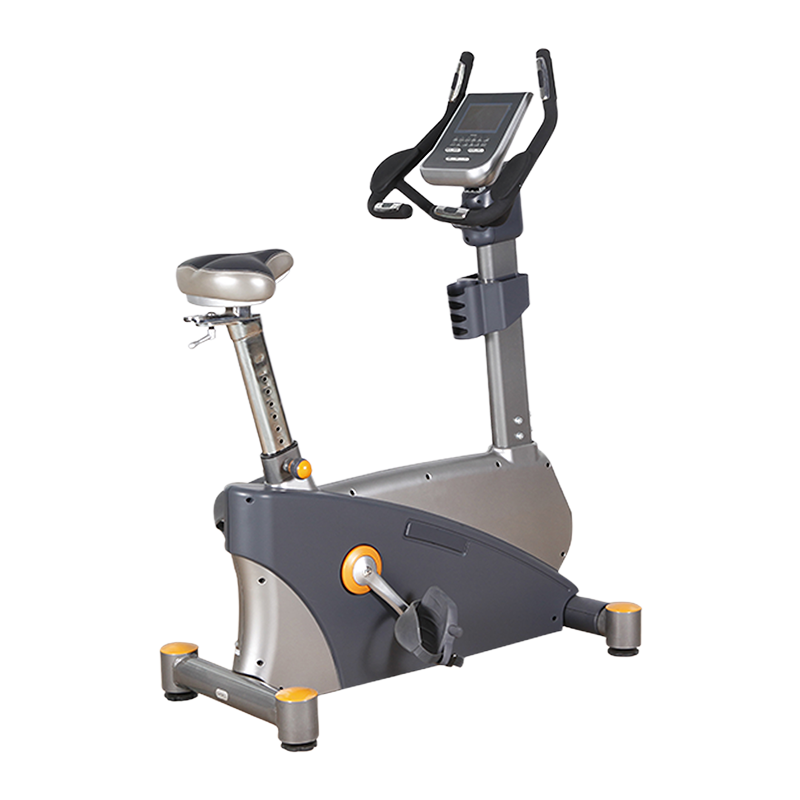
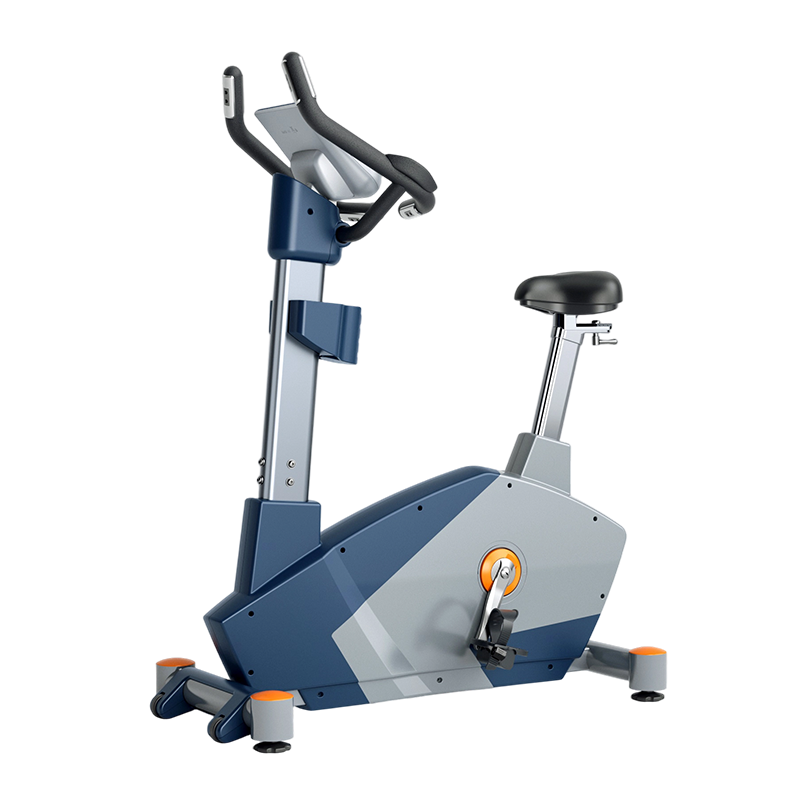
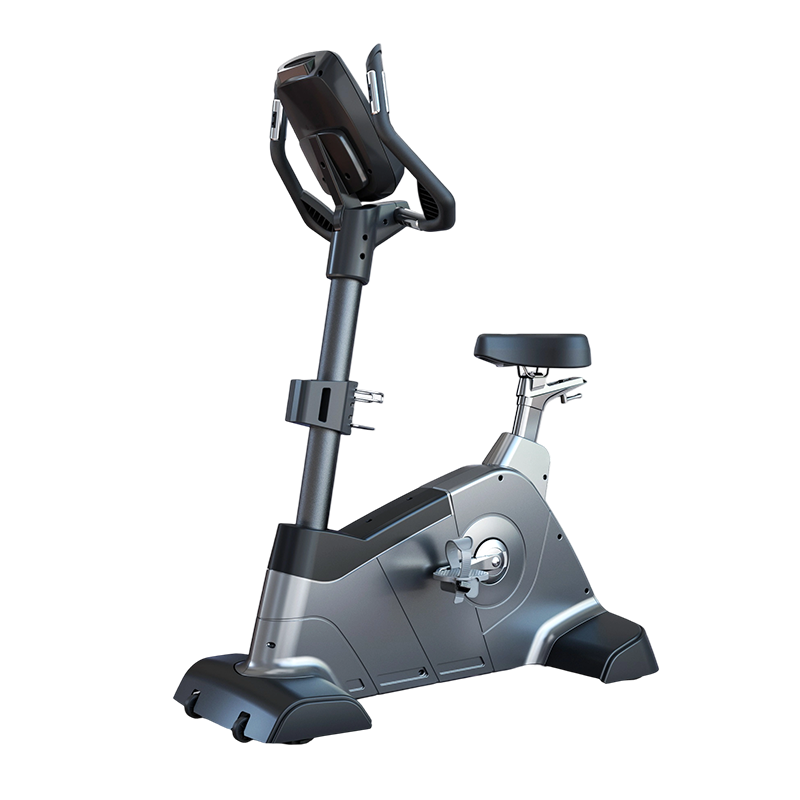
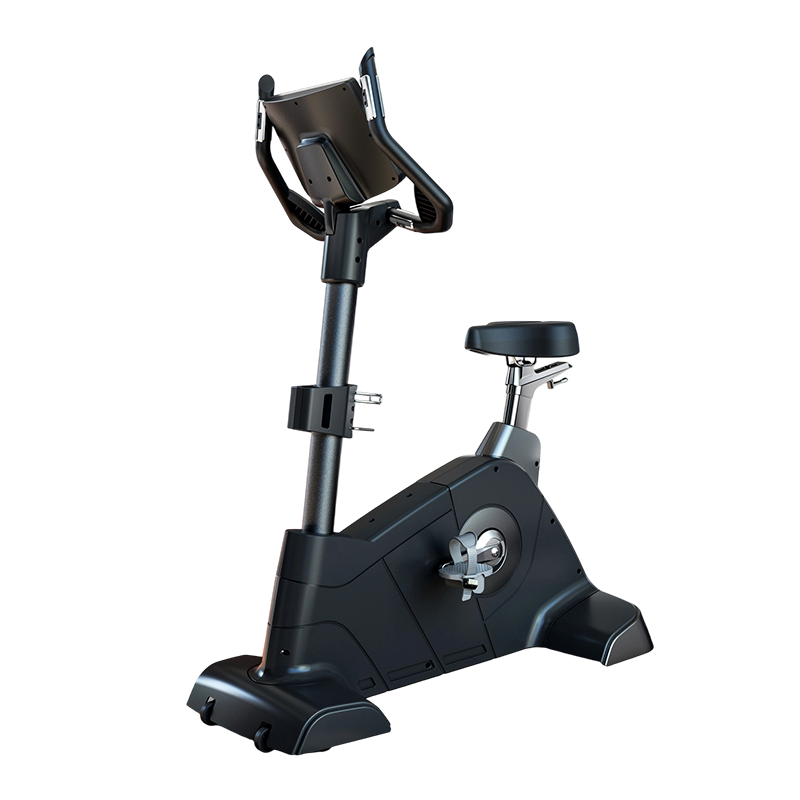
Magnetic exercise bikes represent a significant advancement in stationary cycling technology. Instead of friction-based pads pressing against a flywheel, these machines use rare-earth or electromagnetic resistance to create opposing force. The result is a whisper-quiet, virtually maintenance-free ride that allows riders to adjust intensity across a wide range without stopping. The core appeal of magnetic resistance lies in its consistency. Because no physical contact occurs between the resistance unit and the flywheel, the feel of the pedal stroke remains smooth across all resistance levels. Riders can move from gentle warm-up to high-intensity intervals within seconds, making magnetic bikes suitable for a broad spectrum of users from cardiac rehabilitation patients to competitive cyclists training indoors. Modern magnetic exercise bikes increasingly integrate digital consoles, Bluetooth connectivity, and app compatibility. Many models now stream live or on-demand cycling classes directly to the console, bridging the gap between standalone fitness equipment and connected wellness ecosystems. Weight capacities typically range from 100 kg to 150 kg, and compact footprints make installation practical even in small apartments. From a commercial standpoint, magnetic bikes deliver lower total cost of ownership than air or friction alternatives. Fewer moving parts reduce service calls, and the absence of consumable brake pads eliminates a recurring expense for hotel fitness centers and apartment gyms. These attributes make magnetic exercise bikes a preferred category across residential, hospitality, and light commercial procurement channels.

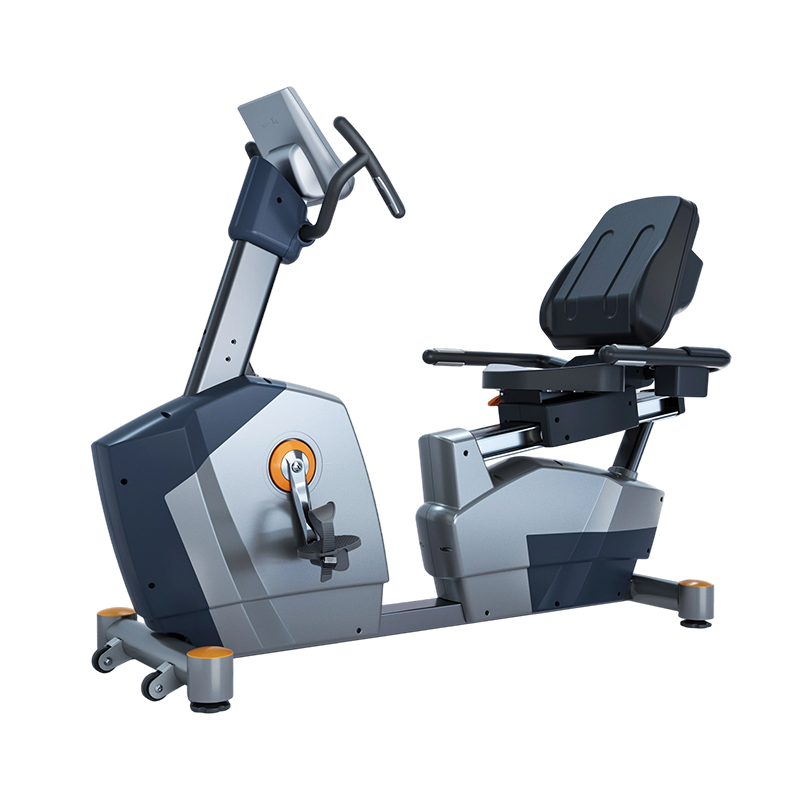
Technical Specifications and Features
Understanding the key specifications of magnetic exercise bikes helps buyers match equipment to intended use cases. The following parameters are most frequently evaluated during procurement.
Flywheel Weight: Heavier flywheels (18 kg and above) produce a smoother, more momentum-driven pedal stroke that closely simulates outdoor road cycling. Lighter flywheels (8–12 kg) are more responsive to sudden resistance changes, which suits interval training protocols.
Resistance Levels: Entry-level models offer 8 resistance levels via a manual dial. Mid-range units provide 16–24 electronically controlled levels adjustable from the handlebar or console. Premium bikes with electromagnetic systems can deliver near-infinite resistance gradation controlled in real time by onboard software.
Drive System: Belt-drive systems are quieter and require less maintenance than chain-drive systems. Most magnetic bikes use poly-V belts, which last 8,000–12,000 hours under normal use.
| Specification | Entry Level | Mid Range | Commercial Grade |
|---|---|---|---|
| Flywheel Weight | 6–10 kg | 12–18 kg | 18–24 kg |
| Resistance Levels | 8 | 16–24 | 32 or stepless |
| Max User Weight | 100 kg | 120 kg | 150 kg |
| Drive Type | Chain or Belt | Belt | Belt |
| Connectivity | None | Bluetooth | Bluetooth / ANT+ |
Additional features to evaluate include adjustable seat and handlebar positions (both horizontal and vertical), SPD-compatible pedals, integrated heart rate monitoring via handlebars or chest strap receiver, and built-in USB charging ports for devices.
Professional Buying Guide
Selecting the right magnetic exercise bike requires careful evaluation of several interdependent factors. The decision should account for the intended user base, available floor space, budget, and long-term service requirements.
Step 1 — Define the Use Environment: Home-use bikes prioritize compact dimensions and quiet operation. Commercial-grade bikes must handle multiple users per day and require reinforced frames, commercial warranties, and easy-access service panels.
Step 2 — Assess Resistance System: Passive magnetic systems are more affordable and reliable but offer limited resistance range. Active electromagnetic systems provide finer control and enable automatic resistance programs, making them suitable for structured training environments.
Step 3 — Check Frame Construction: Steel frames with welded rather than bolted joints offer greater long-term durability. Verify the weight capacity matches or exceeds the maximum expected user weight by at least 15–20%.
| Buying Factor | What to Check | Why It Matters |
|---|---|---|
| Flywheel Weight | Minimum 14 kg for regular training | Affects stroke smoothness |
| Resistance Type | Electromagnetic for commercial use | Enables automated programs |
| Warranty | Frame 5+ yr, parts 2+ yr | Reduces total cost of ownership |
| Adjustability | 4-way seat, 2-way handlebar | Accommodates diverse users |
| Noise Level | Below 50 dB at mid resistance | Critical for home/hotel use |
Always request a sample unit or detailed specification sheet before placing bulk orders. Verify that replacement parts — particularly the resistance unit, belt, and console — are available from the manufacturer or local distributor. Long lead times on spare parts can cause extended equipment downtime in commercial facilities.
Usage Advantages
Magnetic exercise bikes offer a distinct set of operational benefits that set them apart from other resistance technologies commonly found in the market.
- Near-silent operation: The absence of mechanical contact means noise levels typically stay below 50 dB, making these bikes suitable for early-morning workouts in shared living environments or hotel rooms adjacent to guest areas.
- Minimal maintenance: No brake pads to replace and no oiling of friction surfaces translates directly into lower annual service costs. Routine maintenance is typically limited to belt tension checks and console calibration.
- Consistent resistance feel: Magnetic fields do not vary with temperature or humidity, so the bike performs identically in a climate-controlled gym and a hot storage room before installation.
- Programmable resistance: Electromagnetic models accept external input from apps and fitness platforms, enabling automatic resistance changes during structured workouts without rider input.
- Long service life: Industry data indicates well-maintained magnetic bikes sustain performance for 10–15 years under light commercial use.
| Feature | Magnetic Bike | Friction Bike | Air Bike |
|---|---|---|---|
| Noise Level | Low | Medium | High |
| Maintenance | Low | Medium-High | Low-Medium |
| Resistance Control | Precise | Manual only | Self-regulating |
| App Integration | Yes (EM models) | No | Limited |
Application Scenarios
Magnetic exercise bikes are deployed across a wide range of environments, each with distinct operational requirements.
| Scenario | Key Requirements | Recommended Spec |
|---|---|---|
| Home Gym | Compact, quiet, easy assembly | 8–14 kg flywheel, belt drive |
| Hotel Fitness Center | Durability, low maintenance | 18+ kg flywheel, commercial warranty |
| Physiotherapy Clinic | Low starting resistance, precise control | Electromagnetic, 32+ levels |
| Corporate Wellness | Multiple users, minimal downtime | Commercial grade, easy-clean surfaces |
| Cycling Studio | Performance metrics, app integration | Bluetooth EM, power meter |
In rehabilitation settings, the ability to set very low starting resistance — often as light as 1–2 watts — allows clinicians to prescribe cycling for patients recovering from knee surgery or cardiac events. The smooth, joint-friendly motion reduces stress on connective tissue compared to impact-based cardio modalities.
Corporate wellness installations benefit from the low noise profile, as bikes can be placed on open office floors or in rooms adjacent to meeting spaces without disturbing staff. The low maintenance requirement also reduces administrative burden on facilities teams that lack dedicated gym staff.
FAQ
Frequently Asked Questions
- Q: What is the difference between a passive magnetic and an electromagnetic resistance system?
- A: Passive magnetic systems use fixed or manually adjustable permanent magnets. The rider changes resistance by turning a dial that moves the magnets closer to or farther from the flywheel. Electromagnetic systems use electric current to vary the magnetic field strength, enabling automatic resistance changes controlled by the console or connected apps. Electromagnetic systems typically offer finer gradation and are required for interactive fitness platforms.
- Q: How often does a magnetic exercise bike need maintenance?
- A: Under normal home-use conditions, a magnetic bike requires minimal attention. A belt tension check and console battery replacement every 6–12 months is typical. Commercial units used by multiple riders daily may need quarterly inspections of pedal threads, seat post clamping mechanisms, and handlebar tightness. No lubrication of the resistance system is required.
- Q: Can magnetic exercise bikes be used by users of different heights and body weights?
- A: Most mid-range and commercial magnetic bikes offer 4-way seat adjustment (up/down and forward/back) and 2-way handlebar adjustment. This typically accommodates users from approximately 155 cm to 195 cm in height. Weight capacity varies by model; commercial-grade units are rated for 135–150 kg, while basic home models are typically rated for 100–120 kg.
- Q: Do magnetic exercise bikes generate power consumption?
- A: Passive magnetic bikes require no external power supply as they use fixed magnets. Electromagnetic bikes require power, typically 50–100 watts for the resistance unit and console combined. Some models are semi-self-powered, using rider-generated energy to partially run the console at higher resistance levels.
- Q: What should I look for in the console when ordering for a commercial facility?
- A: Commercial consoles should display watts, cadence (RPM), heart rate, time, distance, and calories. Bluetooth and ANT+ dual-mode wireless enables compatibility with major fitness apps and heart rate monitors. Consoles should also support multiple user profiles and ideally integrate with facility management software for usage tracking.