Rehabilitation & Physical Therapy Cardio Machines
Introduction
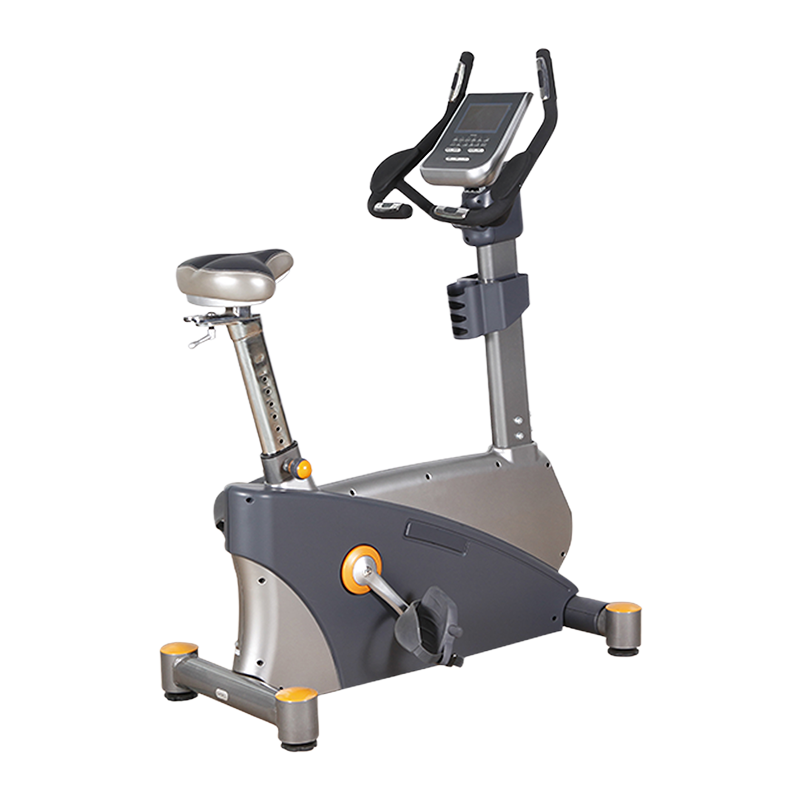
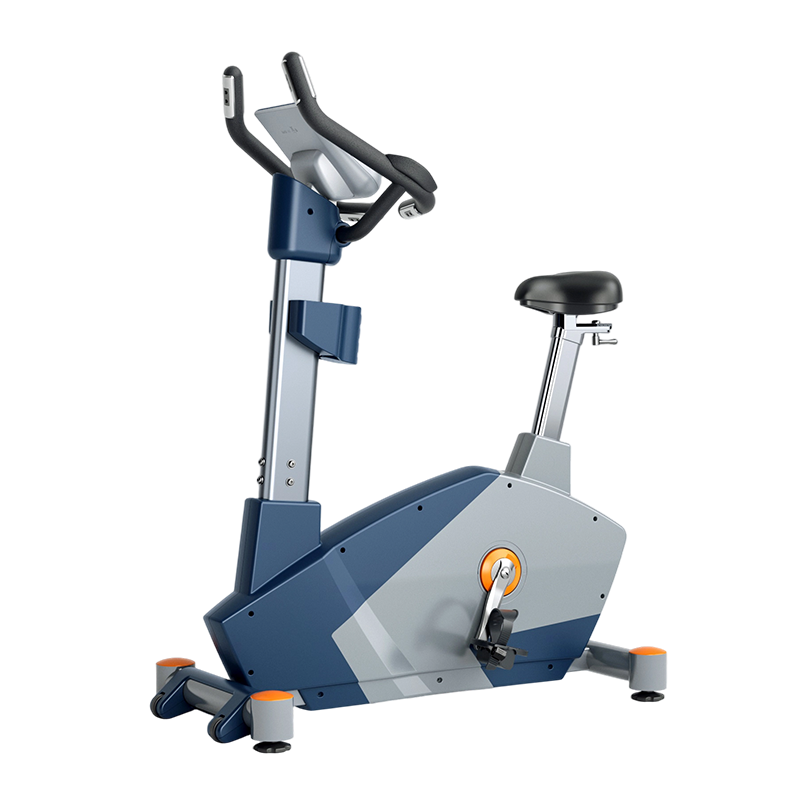
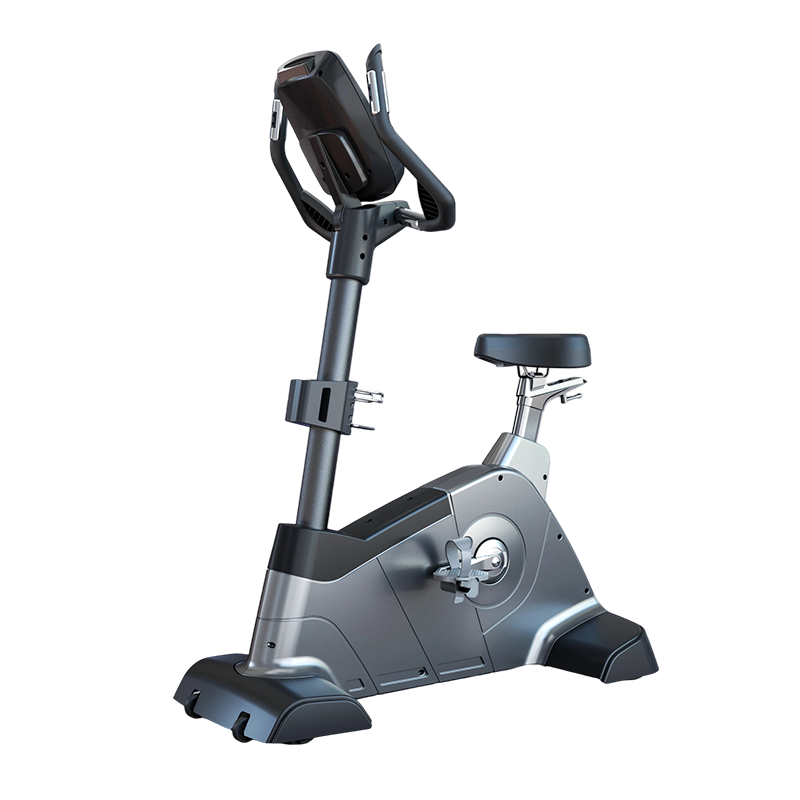
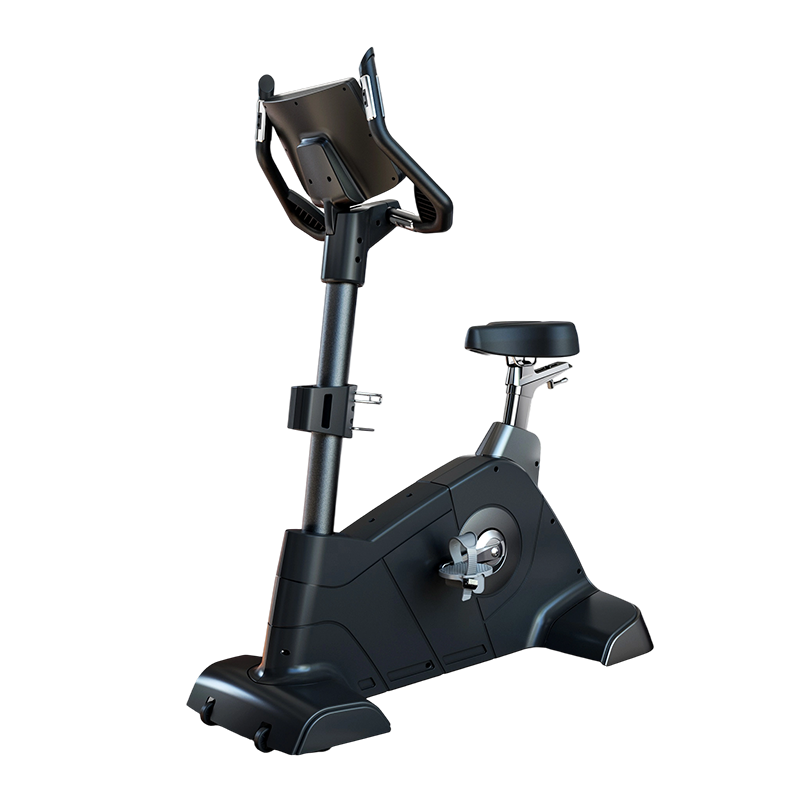
Rehabilitation and physical therapy cardio machines are exercise bikes, ellipticals, treadmills and seated steppers that therapists use to restore range of motion, endurance and walking ability after injury, surgery or illness. They are chosen for controlled, repeatable loads and for low impact on healing joints. Typical settings are hospitals, outpatient clinics, sports medicine centers and home programs prescribed by a therapist.A cardio machine for this use is not the same as a medical device in a regulatory sense unless the manufacturer claims a medical purpose. Most products in this segment are fitness equipment adapted for therapy, with features such as a low starting resistance, a step-through frame, adjustable crank length and a smooth, quiet drive. Buyers should clarify the intended use and the regulatory route for the target market bZEIore placing an order.Zhejiang Everbright Industry produces upright bikes, recumbent bikes, spin bikes, ellipticals, treadmills and a rowing machine as an OEM and ODM manufacturer in Cixi, Ningbo. Magnetic models run at 40 dB or below, and customization options include structure, upholstery color and brand logo.This page describes the features therapists and distributors look for, the points to check when buying, how to use and care for the machines, how to install them in a clinic, and typical questions from importers.
- Typical users: patients after orthopedic surgery, people recovering from injury, and users with limited mobility.
- Typical buyers: clinics, hospitals, therapy equipment dealers and sports medicine centers.
- Typical requirements: low and adjustable resistance, safe entry, easy cleaning and clear feedback.

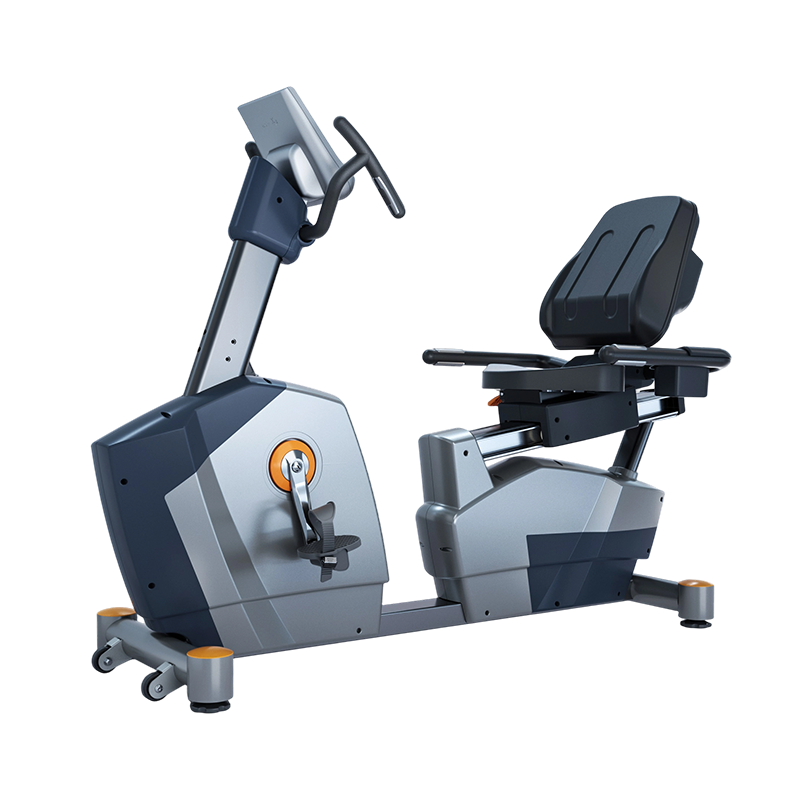
Technical Specifications and Features
Therapy use puts weight on the lower end of the resistance range, on smoothness at low speeds and on the ability to adapt the machine to a patient. A bike that starts at a very low load and increases in small steps lets a therapist grade the work. A treadmill with a slow minimum speed supports gait retraining. The table lists parameters that are usually put in a therapy-oriented specification.
| Parameter | Typical range | Notes |
|---|---|---|
| Minimum resistance | Under 10 W, or lowest level close to freewheel | Needed for early stage patients. |
| Resistance steps | 8 to 32 levels with small increments | Fine steps help the therapist progress load gradually. |
| Crank length | Adjustable 125 to 170 mm on some models | Shorter cranks reduce knee and hip flexion. |
| Pedal | Straps or closed cages, adjustable width | Keeps the foot in position for patients with weak control. |
| Seat | Horizontal and vertical adjustment, backrest on recumbent models | Helps set a safe knee angle. |
| Treadmill minimum speed | 0.5 to 1.0 km/h | Supports slow gait work with handrails. |
| Handrails and support | Fixed bars, or optional body weight support | Reduces fall risk. |
| Feedback | Heart rate, time, distance, watts | Pulse sensors on grips or chest strap compatibility. |
Bidirectional pedaling, where a user can pedal backward as well as forward, is a feature requested by therapists since it changes the muscle group emphasis. Ask the supplier whether the drive and the resistance system support reverse rotation without noise or slip.
Self-generating electromagnetic resistance designs can supply a display without a power cord, which reduces cable clutter in a treatment area.
Professional Buying Guide
Therapy buyers face an additional layer of questions compared with ordinary gym buyers. They need to know how the machine will be classified in their market, how it will be cleaned between patients and how it will be documented in a clinic record. A distributor who can answer these points quickly has an advantage when tendering.
| Criterion | What to check | Typical range or rZEIerence |
|---|---|---|
| Regulatory status | Whether the product is sold as fitness equipment or as a medical device | Medical claims need separate registration in many markets |
| Safety standard | Test reports for fitness equipment safety | EN ISO 20957 series for Europe; ASTM and UL listings for North America |
| Load control | Lowest resistance and size of steps | Under 10 W start, small steps between levels |
| Adjustability | Seat, crank, handlebar and pedal range | Wide range to fit patients of different heights |
| Cleaning | Surface material and joints | Wipeable PU or vinyl; few crevices |
| Weight rating | Stated maximum user weight | 120 to 180 kg depending on model |
| Support | Spare parts and technician training | Parts available for several years after purchase |
When arranging an OEM or ODM project with Everbright, discuss customization of structure, upholstery color and brand logo, together with any request for a modified seat, backrest or crank length. Samples should be reviewed by a therapist bZEIore mass production, and the minimum order quantity confirmed. Because therapy programs are often built on a fixed protocol, ask for a commitment on a stable model specification over the contract period.
Usage Advantages
The main advantage of cardio machines in rehabilitation is controlled, repeatable loading. A therapist can set a speed or a resistance level, record it and repeat it at the next session. Cycling in particular allows movement through the knee and hip joint with body weight supported by the seat. The points below summarize how clinics typically describe the benZEIits and how they plan sessions.
| Advantage or tip | Explanation |
|---|---|
| Controlled loading | Resistance and speed can be set in small steps and logged between sessions. |
| Reduced joint impact | Seated cycling avoids the impact forces of walking or running during early recovery. |
| Range of motion work | Adjustable seat and crank length allow a therapist to target a specific joint angle. |
| Cardio fitness during recovery | Users maintain general endurance while an injured area heals. |
| Therapist supervision | Sessions follow the instructions of a qualified therapist or physician. |
| Warm-up | Start with a few minutes at the lowest load. |
| Pain monitoring | Stop and report sharp pain or unusual swelling; mild muscle fatigue is different from pain. |
| Record keeping | Note seat position, resistance level and time so that the next session can start from the same setup. |
Home programs often use a compact bike or a folding machine with a therapist-provided schedule. The person should be shown how to set the seat, check the pedal straps and stop the machine bZEIore leaving the clinic. Printed guidance should state that the program is not a substitute for medical advice.
Application Scenarios
Rehabilitation cardio equipment appears in several settings. The sizes of the rooms, the number of patients and the level of supervision differ, so the equipment choice differs too. The table lists typical scenarios and the points distributors consider when offering a package.
| Scenario | Equipment needs | Planning notes |
|---|---|---|
| Orthopedic rehabilitation | Recumbent or step-through bikes with low resistance | Used after knee or hip procedures under a therapist plan. |
| Sports injury clinic | Bikes, ellipticals and rowing machines | Return-to-training programs need a range of loads. |
| Hospital outpatient unit | Several matching machines | Simple controls and easy cleaning for high patient turnover. |
| Cardiac and pulmonary programs | Bikes and treadmills with heart rate display | Supervised sessions with monitoring by qualified staff. |
| Home therapy | Compact or folding bike | Quiet operation and simple settings for self-use. |
| Senior mobility programs | Recumbent bikes and seated machines | Stable base and low entry. |
Everbright supplies upright bikes, recumbent bikes, ellipticals, treadmills, a rowing machine and folding designs, so a clinic supplier can offer a set for different stages of a recovery plan. OEM and ODM options with structure, upholstery color and brand logo support dealers who sell under their own name.
FAQ
Frequently Asked Questions
- Q: Are rehabilitation cardio machines medical devices?
- A: Not automatically. Many are fitness equipment used under therapist supervision. A manufacturer that claims a medical purpose has to follow the medical device rules of the target market, so clarify the intended use bZEIore ordering.
- Q: Which machine type is common in physical therapy?
- A: Recumbent and upright bikes are the most common because they allow low impact movement with controlled resistance. Ellipticals and treadmills are used at later stages when walking and balance are being retrained.
- Q: What is a usZEIul minimum resistance for therapy bikes?
- A: Under 10 W, or a level close to freewheel, is typically requested so that early stage patients can pedal without strain. Check the lowest displayed level and test it by hand.
- Q: Can crank length or seat be modified?
- A: Everbright works as an OEM and ODM supplier and can discuss changes to structure, upholstery color and brand logo. Adjustments such as crank length or seat form depend on the frame design and are agreed per project.
- Q: How should machines be cleaned between patients?
- A: Wipe contact surfaces with a disinfectant stated as compatible with the upholstery and console, and let them dry. Do not spray liquid directly into the console or the drive housing.
- Q: What standards should be requested?
- A: Test reports for the fitness equipment safety standard of the destination market, such as the EN ISO 20957 series in Europe, plus an electrical safety report for powered models and a factory quality system certificate.
- Q: Is a power outlet required?
- A: Not for self-generating magnetic resistance bikes, which power their display from pedaling. Treadmills and some consoles need a mains supply, so plan outlets in the room layout.
Recommended LINS:
Bluetooth & App-Connected Cardio Machines Low-Impact Joint-Friendly Cardio Machines Rehabilitation Fitness Cycles Silent & Quiet Home Cardio Machines Foldable Space-Saving Cardio Machines Home Gym Cardio Equipment Heart Rate Monitoring Cardio Equipment Senior-Friendly Cardio Equipment