Jun 29, 2026
Content
Stationary Bike Calorie Burn — The Direct Answer
400–600 kcal / hour
for a 155 lb (70 kg) rider at moderate intensity. Heavier riders, higher resistance, and interval training push that number well above 800 kcal/hr.
The short answer: a 155 lb (70 kg) person burns roughly 420–600 calories per hour on a stationary bike at moderate intensity, based on data published by Harvard Medical School (2021). But that range stretches dramatically once you account for body weight, resistance level, riding style, and the type of stationary bike you use.
Below is a breakdown by body weight and effort level, drawn from Harvard's compendium of exercise energy expenditure:
| Body Weight | Light (slow pace) | Moderate | Vigorous |
|---|---|---|---|
| 125 lb (57 kg) | 210 kcal/hr | 315 kcal/hr | 420 kcal/hr |
| 155 lb (70 kg) | 260 kcal/hr | 391 kcal/hr | 518 kcal/hr |
| 185 lb (84 kg) | 311 kcal/hr | 466 kcal/hr | 622 kcal/hr |
| 220 lb (100 kg) | 370 kcal/hr | 555 kcal/hr | 740 kcal/hr |
These figures assume steady-state pedaling. High-intensity interval training (HIIT) on stationary bikes can push the burn 25–40% higher than the vigorous column above, because of the afterburn effect — technically called excess post-exercise oxygen consumption (EPOC).
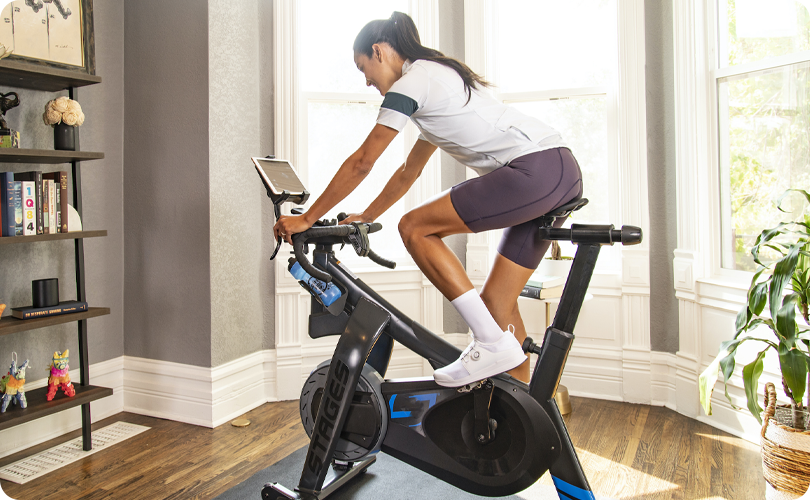
Two people can sit on identical stationary bikes for 45 minutes and one burns 350 calories while the other burns 620. Here is why:
This is the single biggest lever. Moving a heavier body requires more energy. A 220 lb rider burns roughly 77% more calories than a 125 lb rider at the same pace, per the MET (Metabolic Equivalent of Task) formula used by exercise scientists worldwide.
Turning up the flywheel resistance or magnetic resistance on stationary bikes is the most direct way to increase calorie burn without riding longer. Research published in the Journal of Sports Science & Medicine found that increasing resistance from 50 W to 100 W nearly doubled oxygen consumption, which tracks almost linearly with calorie expenditure.
Pedaling at 90 RPM with light resistance burns fewer calories than pedaling at 70 RPM with heavy resistance, even if perceived effort feels similar. Power output — watts — is the real metric. Most modern stationary bikes display watts; aim for 150–200 W at moderate effort, 250+ W at vigorous effort.
Calorie burn scales linearly with time, but fatigue typically causes output to drop in the final 15–20 minutes of a long session. A 30-minute ride is not half of a 60-minute ride in practical terms — most people produce about 10–15% less power per minute in the second half. Structure your sessions accordingly.
Counterintuitively, fitter riders burn fewer calories at the same absolute workload because their bodies have become more efficient. To keep calorie burn high as fitness improves, you must progressively overload — increase resistance, duration, or interval intensity over time.
Older individuals tend to have lower resting metabolic rates and, in general, less lean muscle mass. Men typically burn slightly more calories than women at the same weight and intensity due to higher average muscle-to-fat ratios, though this gap narrows significantly once body composition is controlled for.
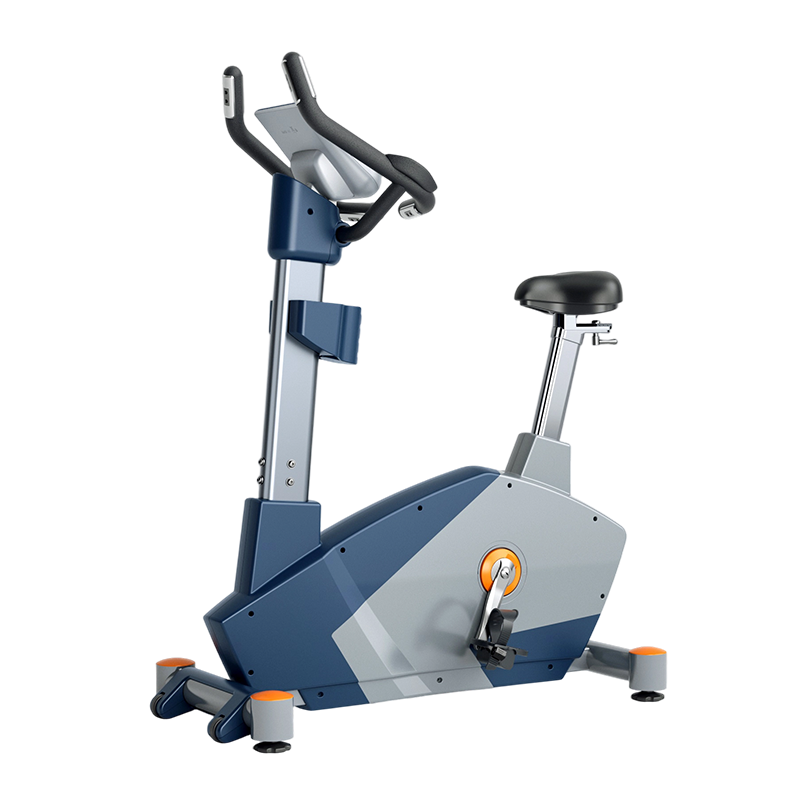
Upright bikes, recumbent bikes, spin bikes, and air bikes each engage the body differently. Air bikes (like the Assault AirBike) recruit upper-body pushing and pulling, adding 15–25% more calorie burn compared to lower-body-only bikes at the same perceived effort level. This difference is meaningful over weeks of training.
Not all stationary bikes are built the same, and their calorie-burning potential varies more than most riders realize. Here is a side-by-side comparison of the most common machine types:
| Bike Type | Muscles Engaged | Avg Kcal/hr (155 lb) | Best For |
|---|---|---|---|
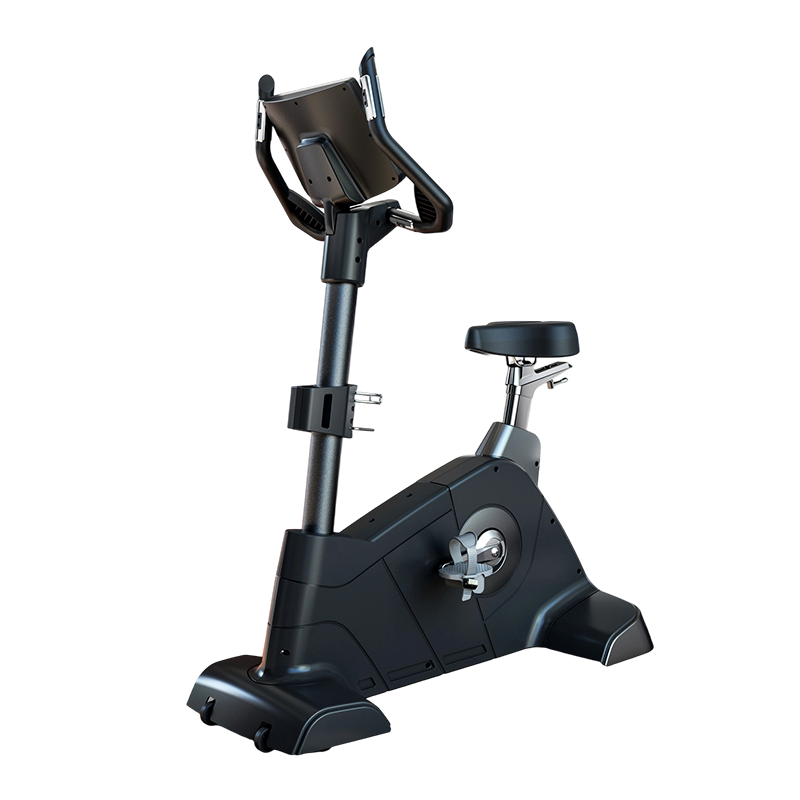
| Upright Stationary Bike | Quads, hamstrings, glutes, calves | 390–500 | General fitness, endurance |
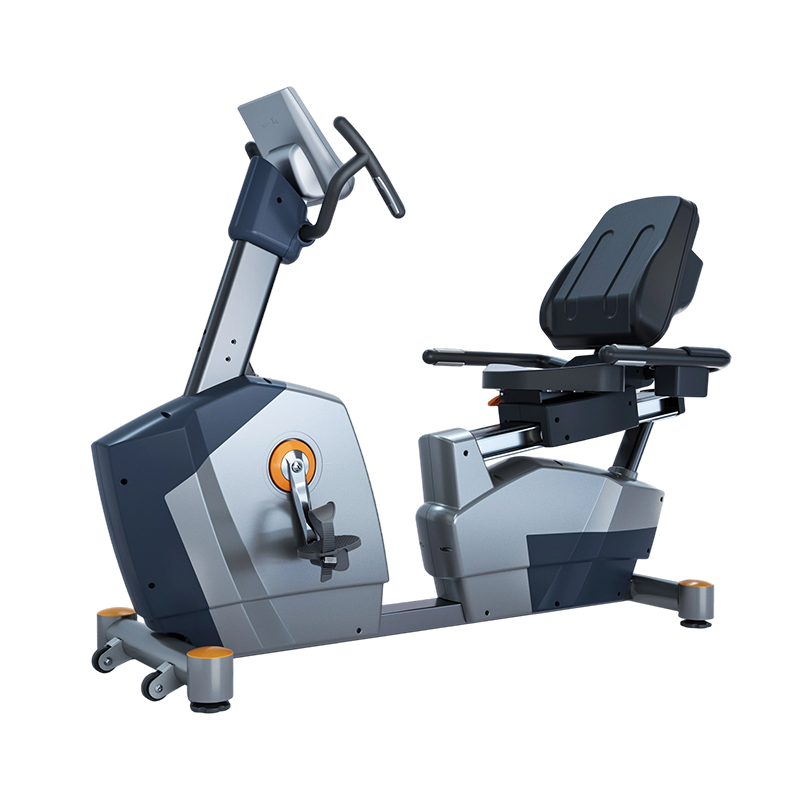
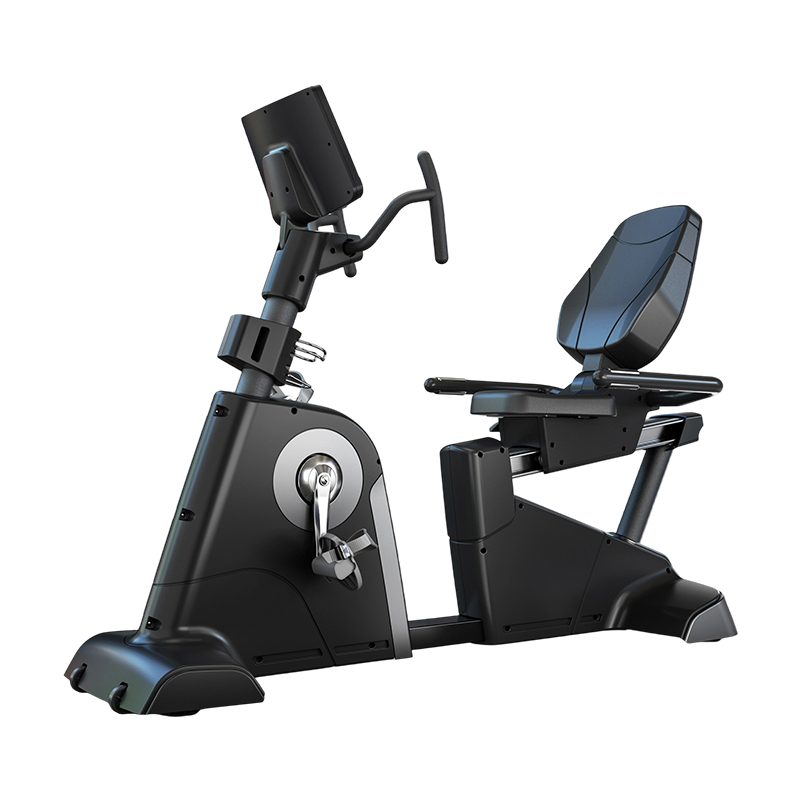
| Recumbent Bike | Hamstrings, glutes, lower back | 300–400 | Rehab, low back issues, seniors |
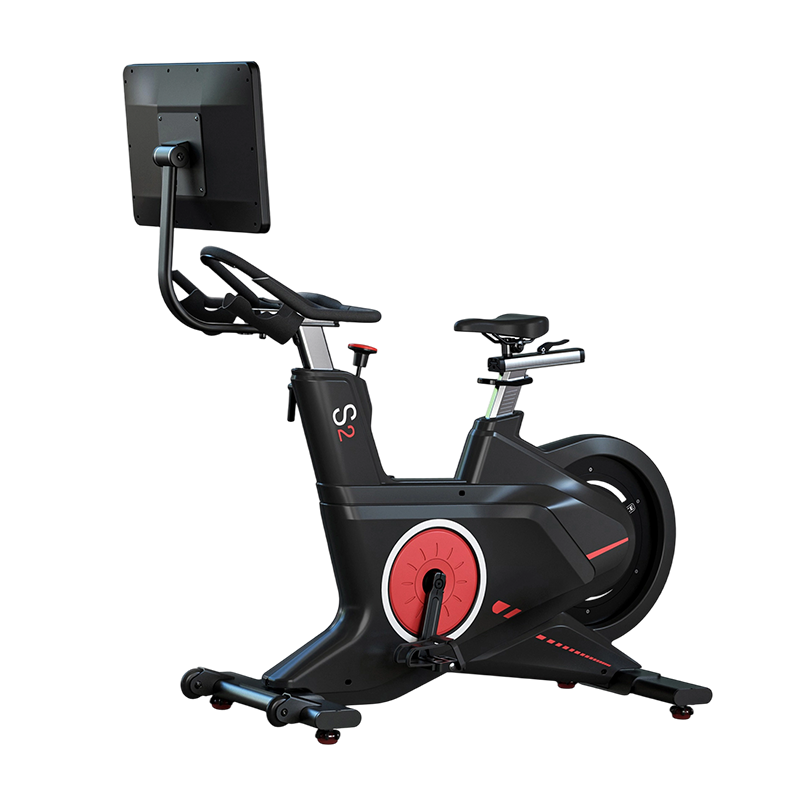
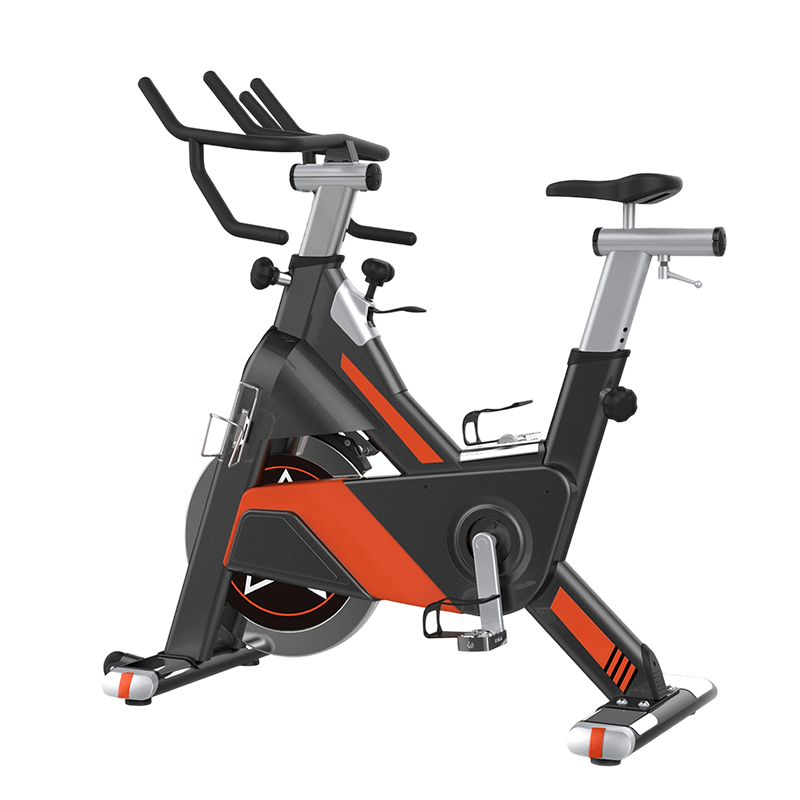
| Spin / Indoor Cycling Bike | Quads, core, upper body (standing) | 500–700 | HIIT, max calorie burn |
| Air Bike (Fan Bike) | Full body — legs + arms simultaneously | 600–900+ | CrossFit, metabolic conditioning |
| Dual-Action Upright Bike | Legs + pushing/pulling arms | 480–620 | Full-body cardio without impact |
The spin bike and air bike consistently outperform recumbent stationary bikes in calorie expenditure. If your primary goal is maximum calorie burn in minimum time, spin bikes and air bikes are the better choice — but recumbent bikes remain the most accessible option for people with joint or back limitations.
Duration is one of the most practical dials you can adjust. Here is what a 155 lb rider can realistically expect across different session lengths:
Burns approximately 130–260 calories. Equivalent to a small snack. Best used as active recovery or for beginners building base fitness. Heart rate typically stays between 50–65% of max HR.
Burns approximately 300–400 calories, plus an EPOC afterburn of 50–80 calories over the following 2 hours (estimate from ACE research). This format is time-efficient and well-suited to people with tight schedules.
Burns approximately 290–390 calories. The 45-minute window is often cited as the sweet spot for fat oxidation: fat burn peaks after 20–30 minutes of sustained aerobic effort and remains elevated through the rest of the session.
Burns approximately 390–520 calories. A full hour at moderate effort is the standard benchmark used in most published calorie tables. Suitable for building aerobic base and achieving weekly energy expenditure targets recommended by the ACSM (American College of Sports Medicine).
Burns approximately 600–800+ calories. Indoor cycling classes like Peloton and SoulCycle routinely report this range. However, the on-screen calorie displays on many stationary bikes often overestimate by 15–20%, according to a 2016 study from the University of California San Francisco.
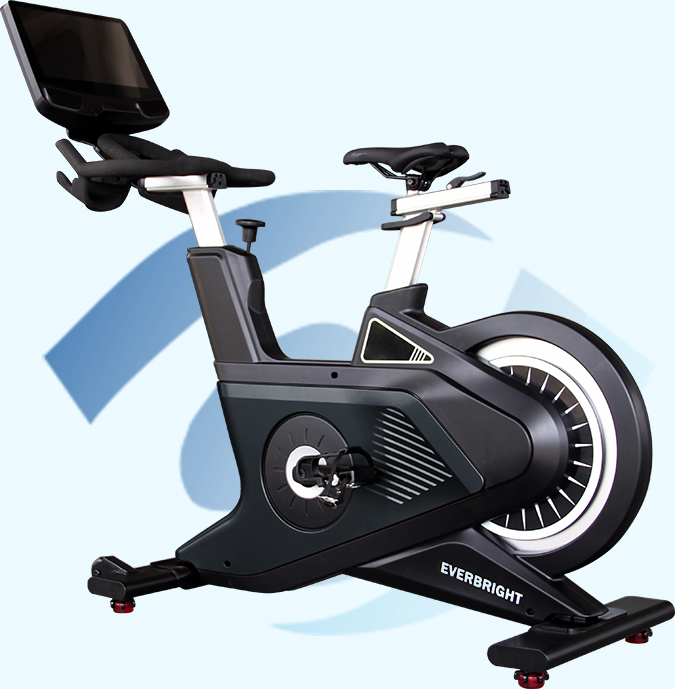
The verdict: for maximum weekly calorie expenditure on stationary bikes, combine 2 HIIT sessions with 3–4 moderate steady-state rides. This produces better fat loss outcomes than either approach alone, according to the Norwegian University of Science and Technology's landmark study on exercise volume (2020).
Heart rate zones translate directly into calorie burn. Understanding which zone you are riding in makes your sessions measurably more effective. Below is what each zone means in practical terms for stationary bike users:
Active recovery and warm-up. Fat is the primary fuel, but total energy expenditure is low. Useful for daily movement without taxing recovery systems.
The aerobic base zone. This is where mitochondrial adaptations happen and where fat oxidation is highest as a proportion of fuel use. The 45–60 min sweet spot.
Tempo zone. Carbohydrates become the dominant fuel. Effective for improving lactate threshold. Most structured spin classes operate here for the majority of the session.
Threshold and VO2 max efforts. High absolute calorie burn, major EPOC contribution. Intervals here (20–60 seconds on, 40–120 seconds recovery) are the engine of HIIT cycling.
Maximum sprint efforts. Only sustainable for 10–30 seconds at a time. Most effective in Tabata formats (20 sec all-out / 10 sec rest, 8 rounds). Air bikes are particularly effective here.
Note: these estimates are for a 155 lb rider. Scale proportionally — a 185 lb rider adds roughly 25% to each number; a 125 lb rider subtracts about 20%.
Structured sessions outperform free-riding for calorie expenditure because they prevent the natural tendency to coast. Here are three ready-to-use plans suited to different fitness levels:
| Time | Resistance | RPM / Effort |
|---|---|---|
| 0–5 min | Low (Level 2–3) | 70–80 RPM / Warm-up |
| 5–20 min | Moderate (Level 5) | 80–90 RPM / 65% max HR |
| 20–25 min | Moderate-High (Level 6) | 85 RPM / 70% max HR |
| 25–30 min | Low (Level 2) | 60–70 RPM / Cool-down |
| Time | Resistance | Effort Level |
|---|---|---|
| 0–5 min | Low | Warm-up, 60% max HR |
| 5–15 min | Moderate | 70% max HR |
| 15–25 min | High | 80–85% max HR |
| 25–35 min | Moderate | 70% max HR |
| 35–42 min | High | 80% max HR |
| 42–45 min | Low | Cool-down |
A 2012 study by Gillen et al. published in the Journal of Obesity found that sprint intervals on stationary bikes produced significant reductions in body fat and waist circumference in just 6 weeks, even with sessions as short as 20 minutes three times per week.
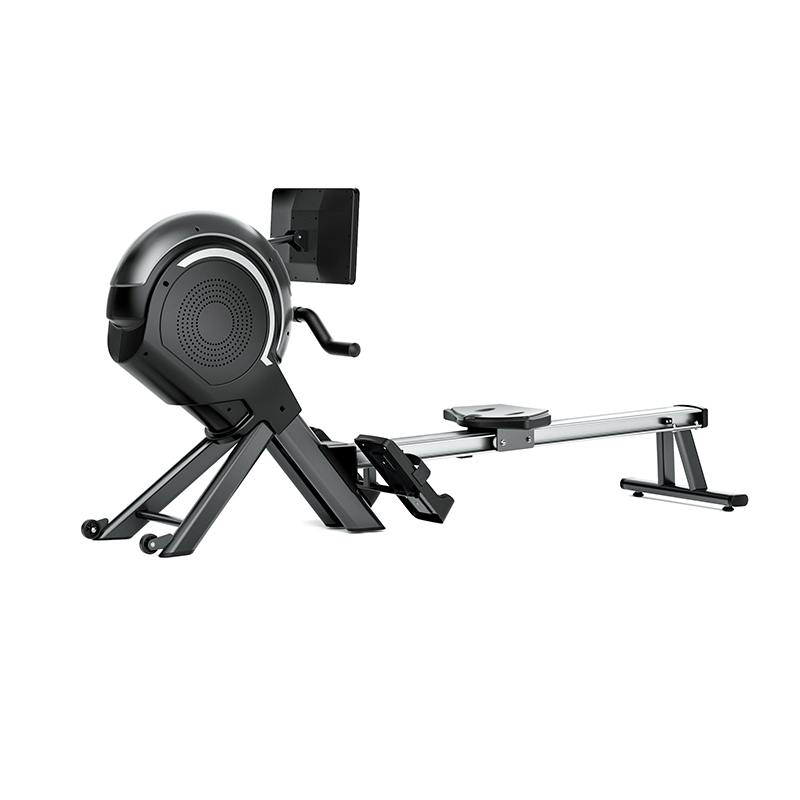
Most stationary bike consoles, including popular connected bikes like Peloton, NordicTrack S22i, and Schwinn IC4, overestimate calorie burn. A landmark 2016 investigation by researchers at the University of California San Francisco, published in the ACE Fitness Journal, tested 12 cardio machines and found that stationary bikes overestimated calorie burn by an average of 7–15%, with some units showing errors as high as 42% on easy settings.
The primary reasons for inaccuracy:
For a more accurate estimate, use a chest-strap heart rate monitor paired with an app that calculates calories from HR data, or invest in a stationary bike with a calibrated power meter (measured in watts) and calculate energy expenditure using the standard formula: 1 watt-hour = 3.6 kJ; 1 kcal = 4.184 kJ, adjusted for human metabolic efficiency (~25%).
Choosing between a stationary bike and other cardio equipment is partly about calorie efficiency, but also about joint impact, muscle recruitment, and sustainability. Here is how stationary bikes compare at moderate-to-vigorous effort for a 155 lb person:
| Machine | Kcal / 30 min | Kcal / 60 min | Joint Impact | Full Body? |
|---|---|---|---|---|
| Upright Stationary Bike | 195–260 | 390–520 | Very Low | No (lower body) |
| Treadmill Running (6 mph) | 300–350 | 600–700 | High | Partial |
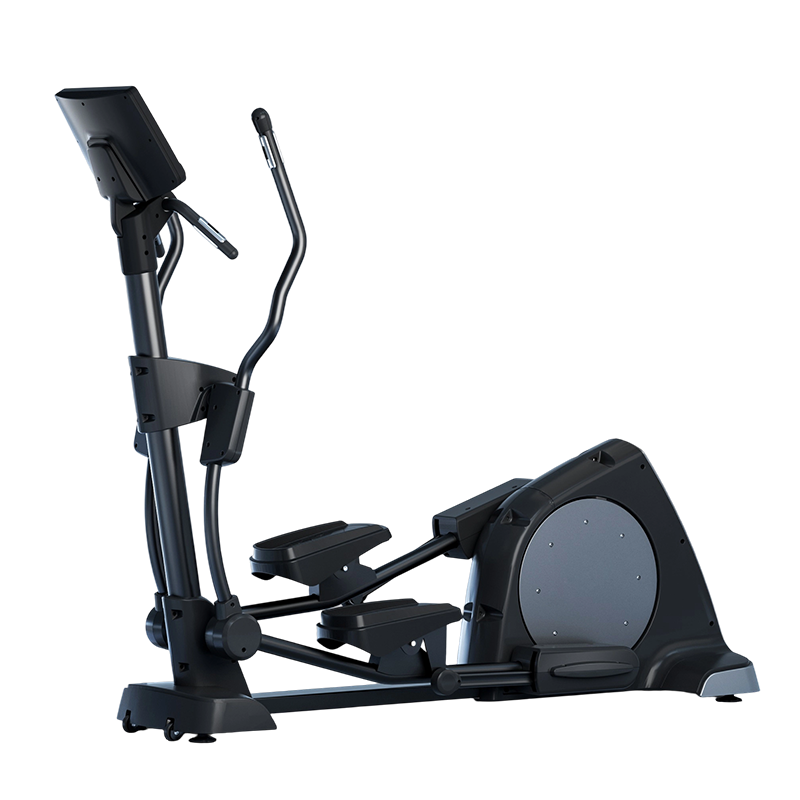
| Elliptical (moderate) | 270–330 | 540–660 | Low | Yes |
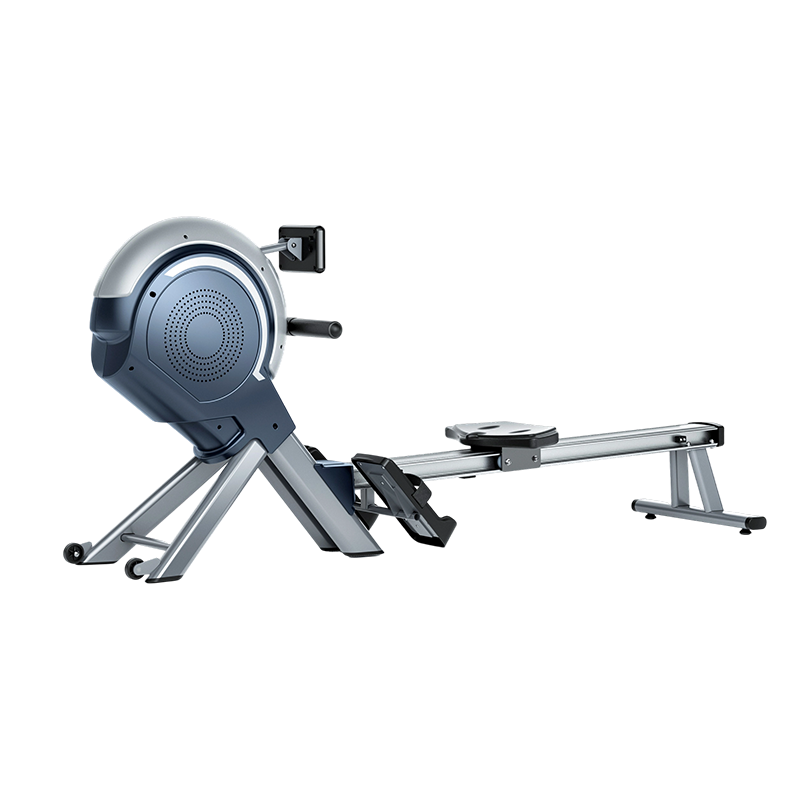
| Rowing Machine (moderate) | 255–300 | 510–600 | Very Low | Yes |
| Air Bike (vigorous) | 320–450 | 640–900+ | Very Low | Yes |
| Stair Climber (moderate) | 255–300 | 510–600 | Moderate | No (lower body) |
Key takeaway: stationary bikes offer the best combination of calorie burn efficiency and low joint stress. For anyone with knee, hip, or ankle issues, stationary bikes are the safest high-calorie-burn option available. The air bike variant bridges the gap between stationary bikes and treadmill running for people who want maximum burn without impact.
Small adjustments to how you ride produce compounding results over weeks and months. These are not generic tips — each one is backed by exercise science:
Power output is a product of torque times cadence. Adding resistance increases torque dramatically more than increasing RPM alone. At the same cadence, moving from Level 5 to Level 8 resistance can increase calorie burn by 30–40% per minute.
Standing out of the saddle on a spin bike recruits the glutes, core, and upper body stabilizers in addition to the legs. A 2020 study in the European Journal of Sport Science found oxygen consumption increases by 10–15% when transitioning from seated to standing cycling at the same wattage.
Adding alternating arm raises with light dumbbells (2–5 lb) during steady-state sections increases total caloric expenditure without significantly raising perceived exertion. This works particularly well on recumbent bikes where the body is stabilized.
Fasted cycling in the morning can increase fat oxidation during the session by up to 20% compared to a fed state, according to research in the British Journal of Nutrition (Van Proeyen et al., 2011). This applies most strongly to Zone 1–2 (low-to-moderate intensity) riding. For HIIT, consume some carbohydrates beforehand to sustain sprint quality.
A room temperature of 60–65°F (15–18°C) allows the body to maintain higher power output longer compared to warm environments. Heat causes earlier cardiovascular drift (higher heart rate at the same wattage), reducing the time you can sustain vigorous effort. Use a fan when riding indoors on stationary bikes.
Add 5% more intensity or duration each week. Over 8 weeks, this approach produces significantly better fitness and calorie-burn outcomes than flat sessions at the same intensity. The principle is documented in the ACSM's Exercise Prescription guidelines (10th edition, 2022).
Using song structure to guide intervals — sprinting during chorus, recovering during verses — produces results comparable to formally structured interval programs, according to a Brunel University study (2012, Karageorghis). Music tempo around 125–140 BPM matches sprint cadence well for stationary bike HIIT.
Wattage is the most honest measure of work on a stationary bike. Targeting 150 W for moderate sessions and 200+ W for vigorous sessions gives you a transferable benchmark that does not change with bike brand or resistance calibration differences.
Strength training builds muscle tissue, which elevates resting metabolic rate by 6–10 calories per pound of muscle per day (approximately). Two weekly lifting sessions alongside stationary bike cardio produces superior body composition outcomes compared to cardio alone (NSCA Strength and Conditioning Journal, 2021).
A Zone 2 cool-down (60–65% max HR) after intense intervals accelerates lactate clearance, reduces next-day soreness, and allows the body to maintain elevated fat oxidation for an additional 5–10 minutes. This small addition adds 30–50 kcal to the session total and improves recovery quality significantly.
Burning calories on a stationary bike is one side of the equation. Understanding what those numbers mean in the context of real weight loss keeps expectations realistic and prevents the most common mistake in cardio training: overestimating calorie expenditure and underestimating food intake.
The standard model for fat loss holds that a 3,500-calorie deficit equals approximately 1 lb (0.45 kg) of fat loss. This is a rough approximation — individual metabolic adaptation means the relationship is not perfectly linear — but it provides a useful planning framework.
Scenario C illustrates why combining moderate dietary changes with stationary bike training is substantially more effective than either approach alone. The combination produces a sustainable 1 lb/week fat loss pace, which the National Institutes of Health (NIH) identifies as the most maintainable long-term rate.
Hot Products

Phone: +86-152 5836 5876
TEL: +86-574 6322 1199
Email: mandy@evbfit.com
Address: No. 518 Zhengtong Road, Kandun Street, Cixi, Ningbo, Zhejiang, China
Copyright © Zhejiang Everbright Industry, Inc. All Rights Reserved. Custom Exercise Bikes Manufacturers China Stationary Bikes Factory