Jun 22, 2026
Content
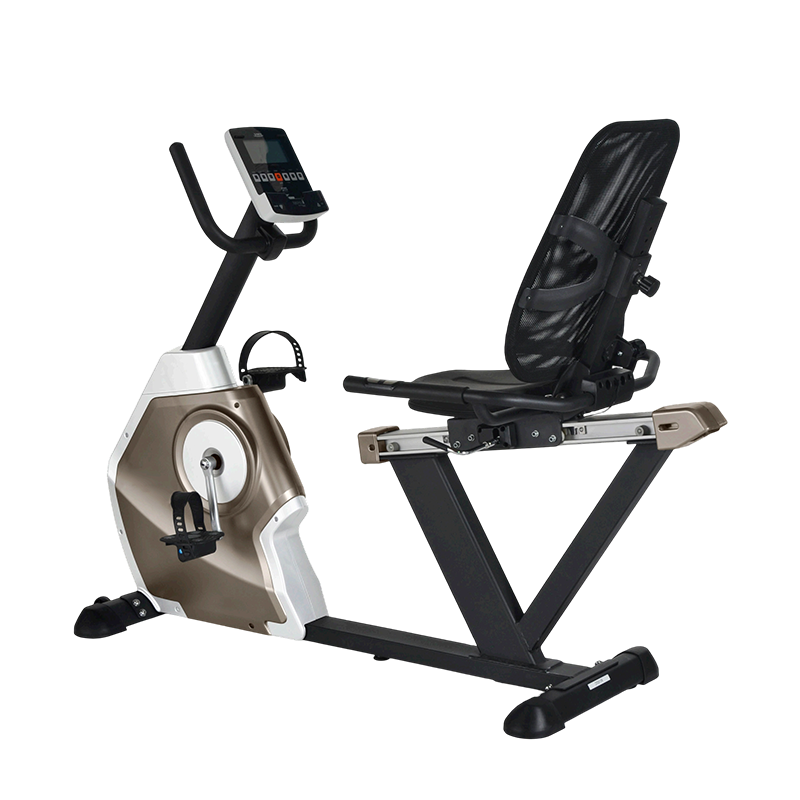
If you only read one section of this guide, read this one. For most older adults, a recumbent exercise bike with a step-through frame, padded back support, and adjustable magnetic resistance is the safest and most comfortable category of exercise bike on the market. This style lowers the seat closer to the ground, removes pressure from the lower back, and lets a rider sit down and pedal without ever swinging a leg over a high frame. An upright exercise bike still works well for seniors who already cycle comfortably and want a smaller footprint, while a folding exercise bike suits a bedroom, office corner, or apartment where floor space is limited. A mini pedal exerciser, sometimes called a desk bike, is the right call for someone who wants light leg movement while seated in a regular chair or wheelchair.
The remainder of this guide walks through exactly why these differences matter, how each feature affects comfort and safety, how to size a bike to your own body, and how to build a realistic weekly riding routine that can be sustained for months rather than abandoned after a week.
Walking and outdoor cycling both offer real value, but each carries a fall risk that a stationary exercise bike removes almost completely. The pedals stay fixed to the frame, the seat does not move, and both feet remain supported even when the bike is not in motion. This single design detail is why so many physical therapists and home caregivers suggest an exercise bike as the first piece of equipment for someone returning to regular movement after a period of inactivity, surgery recovery, or a long winter spent mostly indoors.
Beyond fall prevention, the broader health case for a senior exercise bike rests on several pillars working together rather than any single benefit on its own.
A widely referenced general activity target for adults is roughly 150 minutes of moderate aerobic movement per week, which works out to about 20 to 30 minutes a day. An exercise bike makes that target realistic because a session can always be split into two shorter rides on days when a longer sitting period feels tiring.
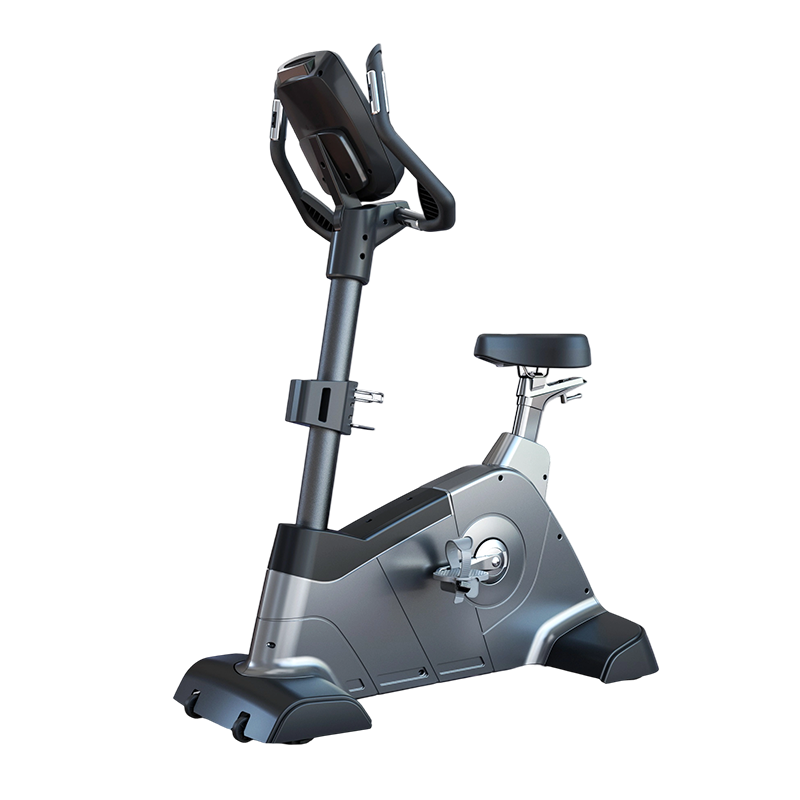
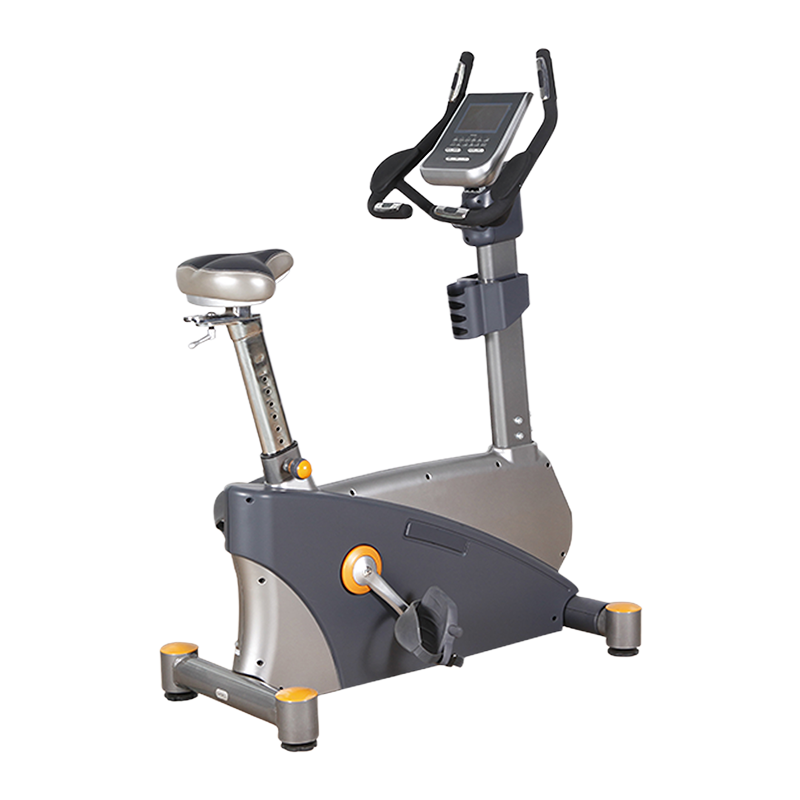
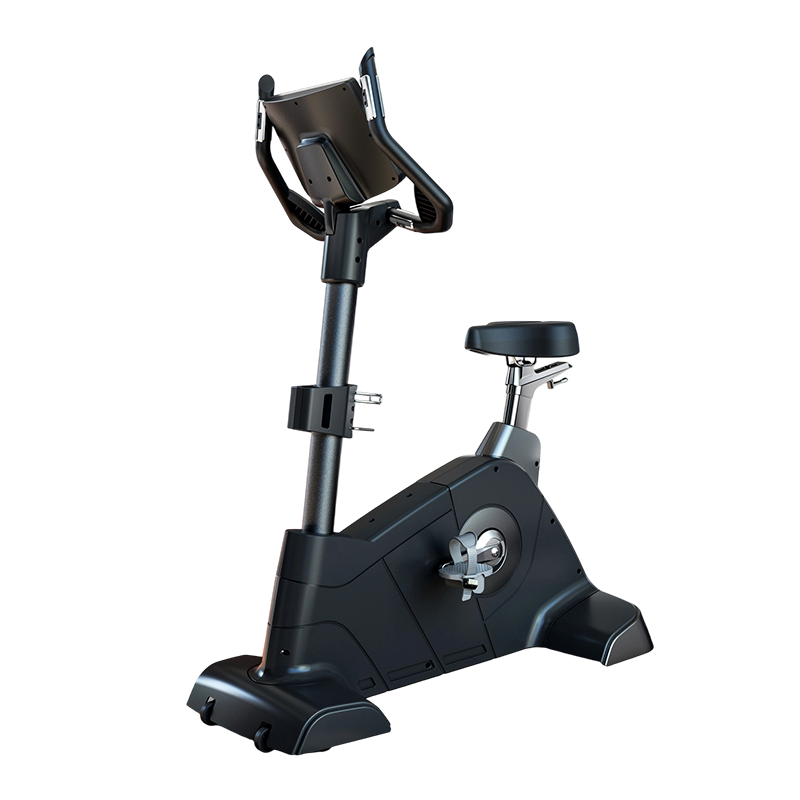
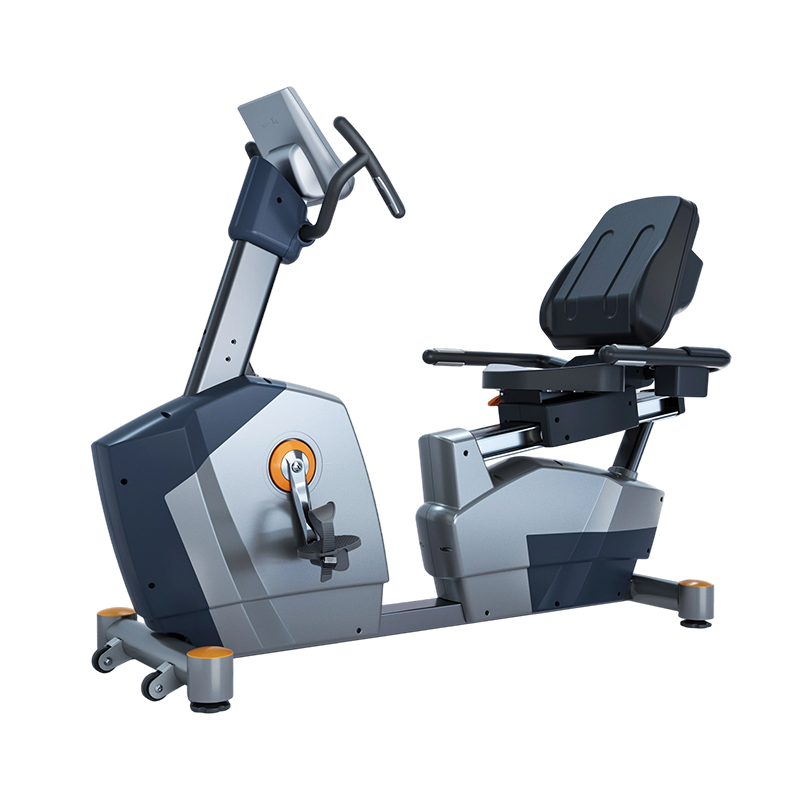
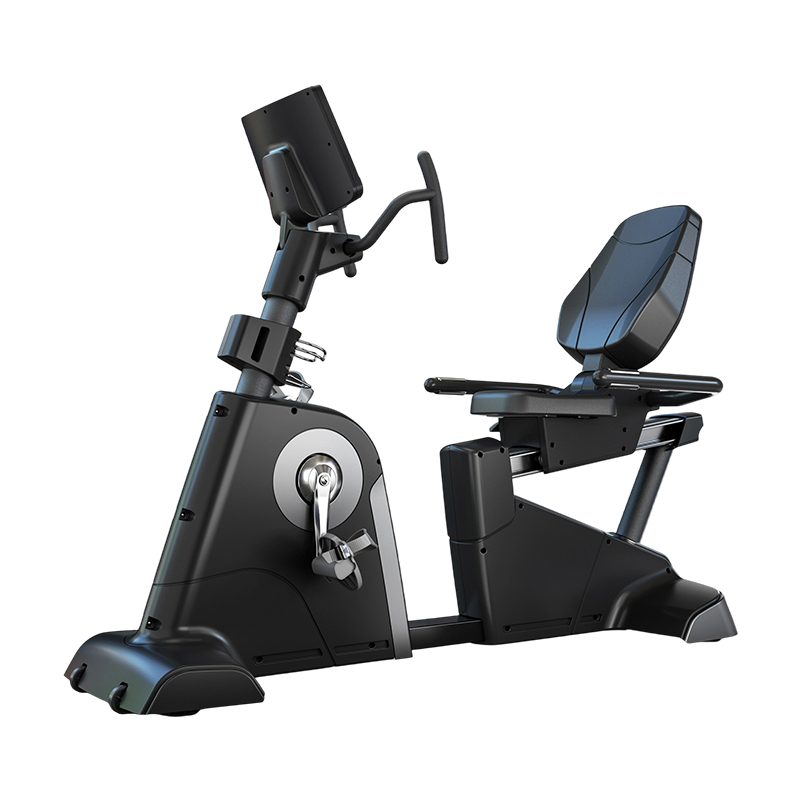
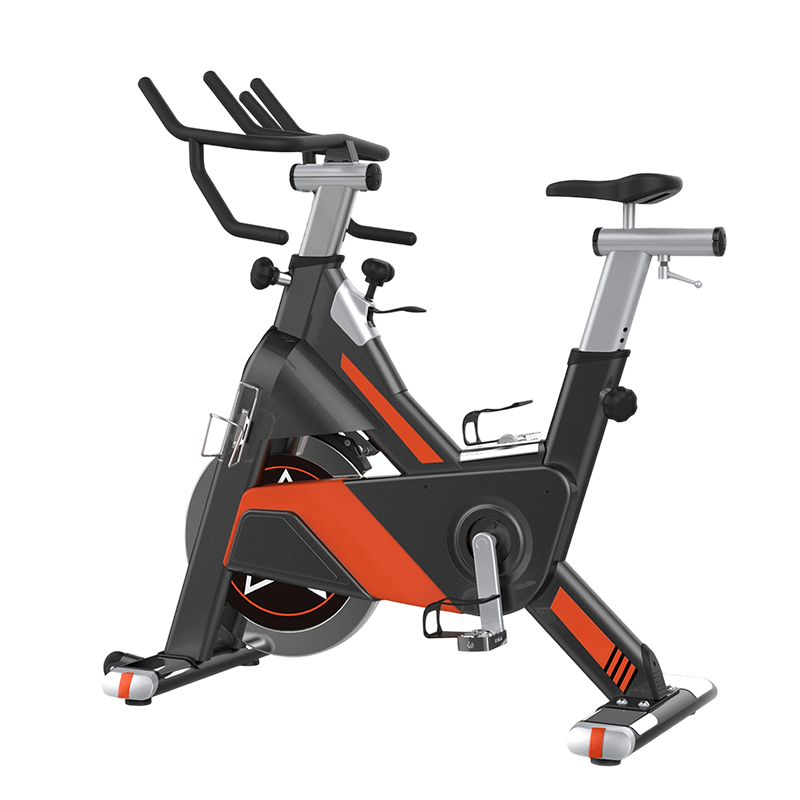
Not every exercise bike is built the same way, and the differences matter more for seniors than for younger users who may not think twice about a higher seat or a narrower frame. The table below lines up the four styles most commonly found in home fitness shops and online listings.
| Bike Type | Seat Height | Back Support | Footprint | Best For |
|---|---|---|---|---|
| Recumbent | Low, step-through | Full backrest | Large | Limited mobility or balance concerns |
| Upright | Standard, raised | Minimal or none | Medium | Seniors already comfortable cycling |
| Folding | Standard, raised | Minimal or none | Small when folded | Apartments or shared rooms |
| Mini pedal exerciser | Uses existing chair | Uses chair backrest | Very small | Chair-based or wheelchair users |
For a senior who has had a knee or hip replacement, experiences balance issues, or simply prefers a relaxed seated posture, the recumbent exercise bike remains the most forgiving option because the wide seat distributes body weight evenly and the backrest removes strain from the lower spine during longer sessions. A mini pedal exerciser is a reasonable bridge option for someone who is not yet ready to transfer onto a dedicated bike at all.
Once a bike type has been chosen, the next decision comes down to specific build details. These are the features that make the biggest day-to-day difference in comfort, safety, and how likely the bike is to actually get used.
A frame without a high center bar lets a rider step directly onto the pedals instead of lifting a leg over the seat, which removes most of the minor stumbles that happen when mounting a traditional upright bike.
Look for a seat that slides forward and back on a track, plus a magnetic resistance dial with at least 8 to 16 levels. Magnetic resistance is quieter and smoother than older friction-pad resistance, which matters for joints sensitive to sudden tension changes.
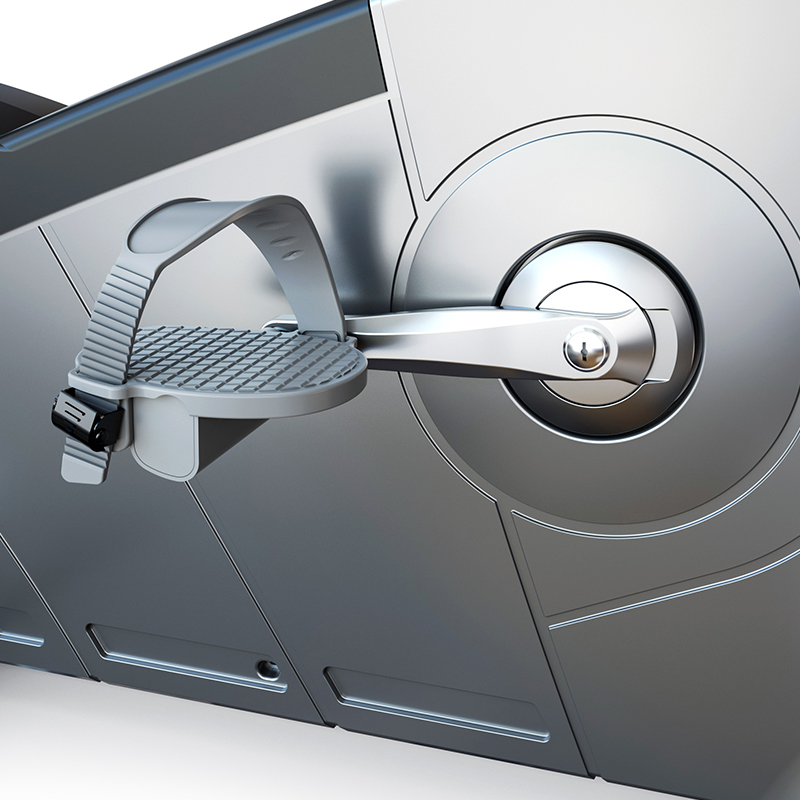
Pedals at least 3.5 inches wide with a strap that tightens over the top of the foot keep the foot centered and reduce slipping, especially for riders wearing house slippers or soft-soled shoes.
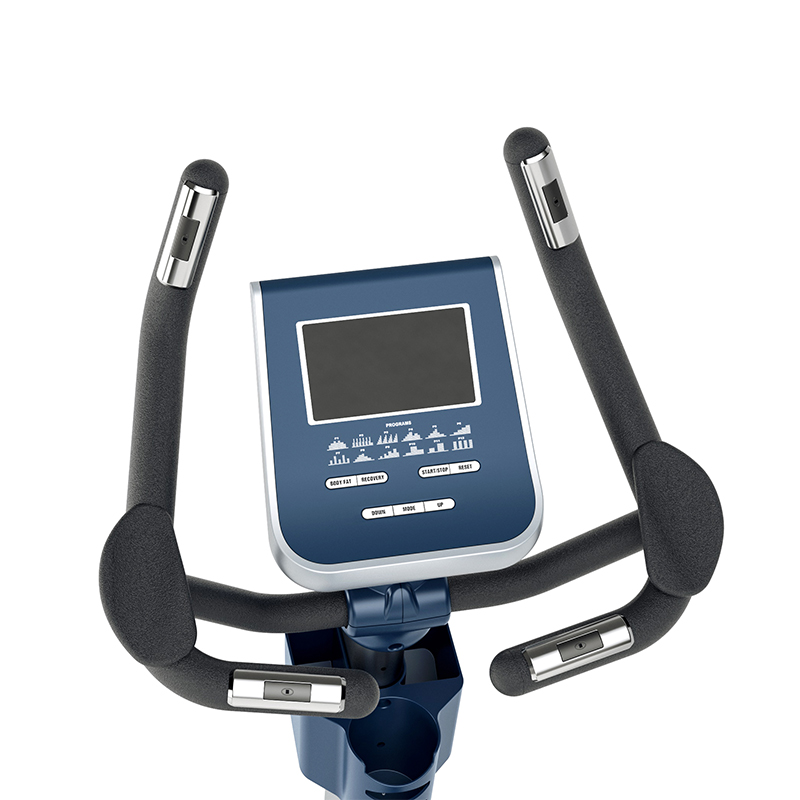
A basic display showing time, distance, and a built-in pulse sensor on the handlebars makes it easy to stay in a safe, moderate effort zone without needing a separate fitness tracker or smartphone.
A wider base paired with a stated weight capacity of at least 300 pounds generally indicates a sturdier frame that will not wobble during use, which matters most during the moments of getting on and off the seat.
Small wheels built into the base let one person tilt and roll the bike to a different spot in a room, which is useful for cleaning underneath or shifting the bike out of a walking path.
A small shelf above the console allows a rider to watch a show, read, or follow along with a video class during longer sessions, which makes time on the bike feel shorter.
A belt-driven flywheel runs noticeably quieter than a chain-driven one, which matters in a shared living space or an apartment with thin walls.
A bike that fits the room but not the rider will always feel uncomfortable, no matter how many resistance levels it offers. Use the general reference points below as a starting checklist before buying or before adjusting a bike already at home.
| Fit Point | What to Check | Why It Matters |
|---|---|---|
| Seat distance | Slight bend remains in the knee at full pedal extension | Prevents knee strain from a fully locked leg |
| Seat height | Hip sits level with or slightly above the knee when seated | Keeps pressure off the lower back |
| Handlebar reach | Arms reach handles without rounding the shoulders forward | Maintains an upright, comfortable posture |
| Pedal strap | Strap sits snug but does not pinch the top of the foot | Keeps the foot centered through the full stroke |
It generally takes two or three short rides to settle on the exact seat position that feels right, so it helps to write down the seat number or track mark once it is found, especially if more than one household member shares the bike.
Starting too hard is the most common reason a new exercise bike ends up unused after the first week. A slow, structured build-up keeps the body comfortable and keeps motivation high enough to return the next day.
This gradual approach reduces next-day soreness and builds the habit of riding several times a week rather than pushing through one exhausting session and then skipping the rest of the month out of soreness or discouragement.
A few simple habits remove most of the risk that comes with starting a new routine, and they take only a moment to put in place before the first ride.
A predictable schedule removes the daily guesswork of deciding how long or how hard to ride. The plan below is a reasonable starting point for most healthy older adults easing into a regular exercise bike habit.
| Week | Sessions per Week | Duration | Resistance |
|---|---|---|---|
| Week 1 | 3 | 10 minutes | Lowest setting |
| Week 2 | 3 to 4 | 12 minutes | Low |
| Week 3 | 4 | 15 minutes | Low to moderate |
| Week 4 | 4 | 20 minutes | Moderate |
| Week 5 | 4 to 5 | 25 minutes | Moderate |
| Week 6 | 5 | 30 minutes | Moderate, with one easy interval |
A handful of small habits explain most of the discomfort or frustration that leads people to put a perfectly good exercise bike in the corner and stop using it.
A little routine upkeep keeps an exercise bike quiet, smooth, and safe far longer than most owners expect, and none of it requires special tools.
Price differences between exercise bikes are not random. The table below outlines what typically changes as the price moves up, so spending can be directed toward the features that matter most for a senior rider rather than ones that simply look impressive in a listing.
| Feature | Budget-Friendly Models | Premium Models |
|---|---|---|
| Resistance type | Friction pad, fewer levels | Magnetic, 16 or more levels |
| Seat padding | Basic foam | Gel or memory foam with mesh back |
| Console | Basic time and distance | Heart rate, programs, larger display |
| Frame stability | Lighter frame, smaller base | Heavier frame, wider stance |
| Noise level | Noticeable hum | Near-silent belt drive |
For most seniors, the single upgrade worth prioritizing first is seat comfort and back support, since that one feature has the biggest effect on whether a daily 20 to 30 minute habit actually sticks.
A recumbent exercise bike is generally easiest on the knees because the reclined position reduces the angle and pressure on the joint compared to an upright pedaling position.
Most beginners do well starting with 10 minutes a day and building up to 20 to 30 minutes over four to six weeks, broken into shorter sessions if a single long ride feels tiring.
A recumbent exercise bike is the better choice for balance concerns since the low, step-through seat removes the need to mount a raised frame.
Gentle, consistent pedaling can help keep joints moving and may ease general stiffness for some people, though resistance and duration should stay light and comfortable rather than pushing through pain.
A built-in heart rate sensor is a helpful but optional feature that makes it easier to stay in a safe, moderate effort range without guessing or wearing a separate device.
Most recumbent and upright models need roughly 4 feet by 2 feet of floor space, while folding models can shrink that footprint by half once folded and stored upright against a wall.
Many seniors ride daily once they have built up gradually over several weeks, as long as sessions stay at a moderate effort and any joint discomfort is given a rest day to settle.
A mini pedal exerciser is a small, freestanding pedal unit used while seated in a regular chair, and it suits someone who is not yet ready to transfer onto a full-size bike or who wants light leg movement during the day.
Belt-driven models with magnetic resistance run quietly enough for early morning or late evening use without disturbing other household members.
It is generally a good idea to mention a new exercise routine to your usual doctor during a regular visit, particularly if you manage a heart condition, recent surgery, or joint replacement.
Hot Products

Phone: +86-152 5836 5876
TEL: +86-574 6322 1199
Email: mandy@evbfit.com
Address: No. 518 Zhengtong Road, Kandun Street, Cixi, Ningbo, Zhejiang, China
Copyright © Zhejiang Everbright Industry, Inc. All Rights Reserved. Custom Exercise Bikes Manufacturers China Stationary Bikes Factory