Jun 15, 2026
Content
Home Fitness Equipment Guide
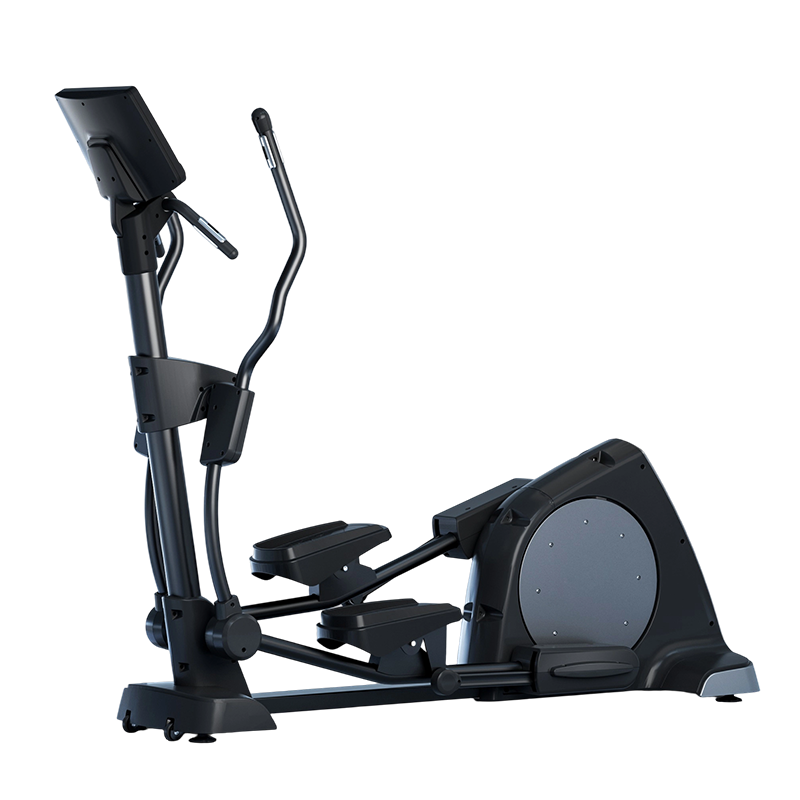
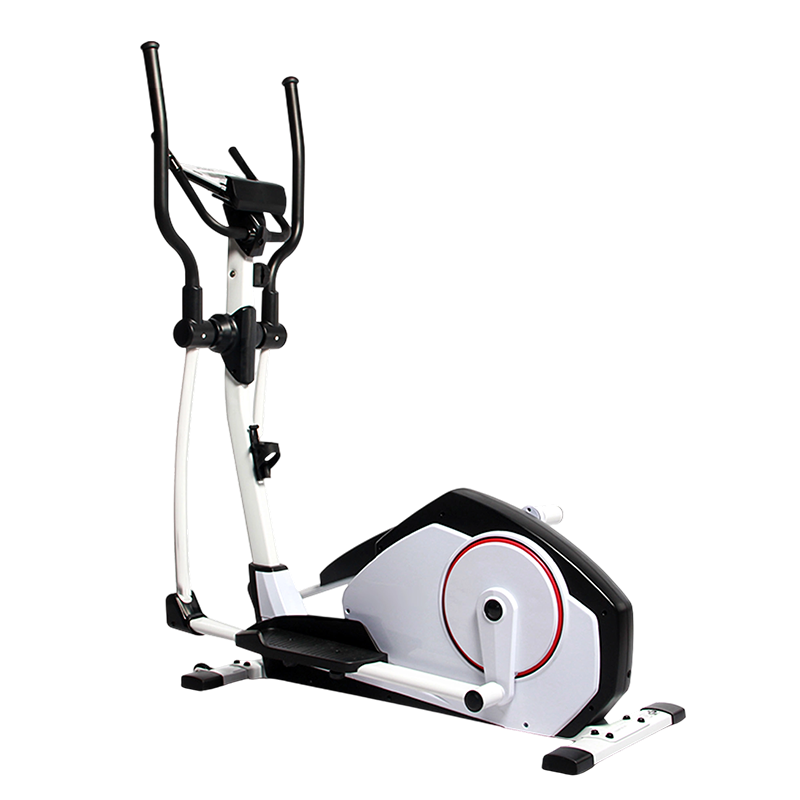
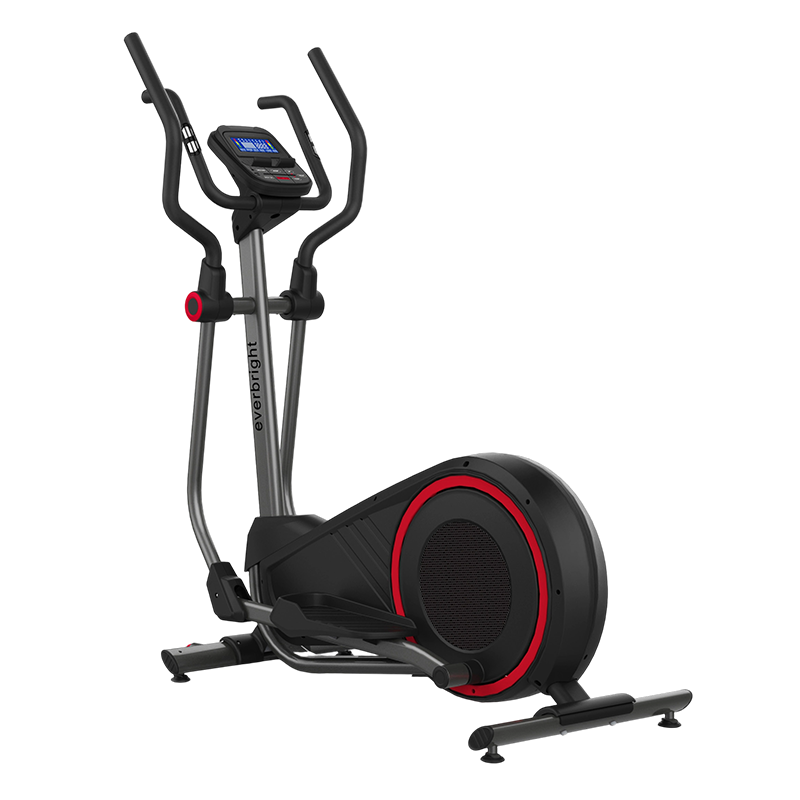
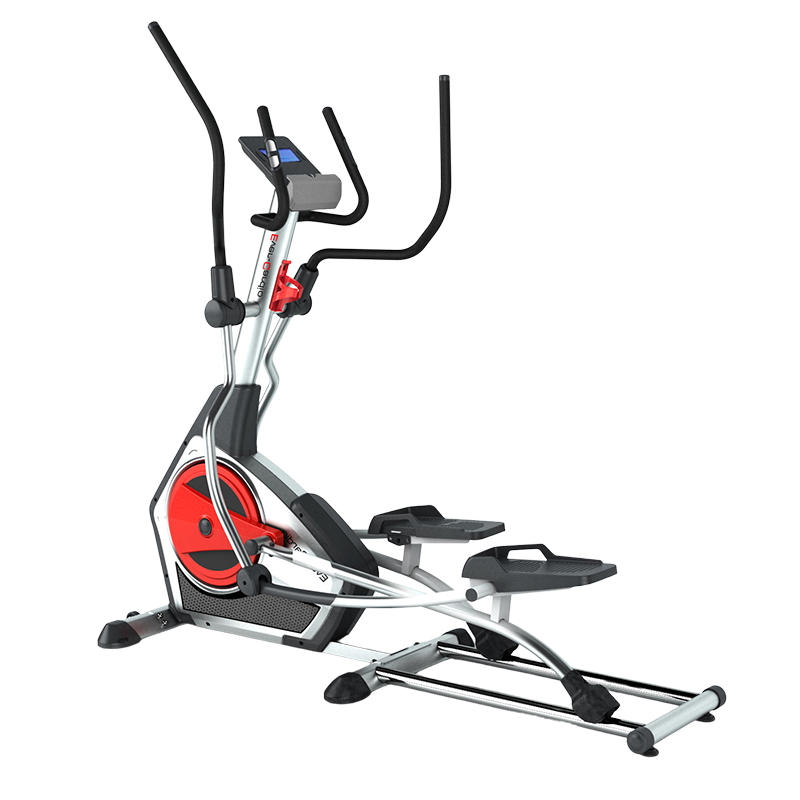
The best elliptical for home use delivers a full-body, low-impact cardio workout — engaging quads, hamstrings, glutes, core, and upper body simultaneously — without the joint stress of running. After reviewing the core specs that define real-world performance, the clear winner category for most households is a front-drive or center-drive elliptical with a stride length of 18–20 inches, a flywheel of at least 20 lbs, 16+ resistance levels, and a footprint under 60 × 28 inches. Zhejiang Everbright Industry's elliptical lineup is engineered precisely around these benchmarks, making it a reliable reference point throughout this guide.
Treadmills dominate the fitness equipment market — they accounted for roughly 41% of all cardio equipment sales in North America in 2023 (Statista, 2024) — but ellipticals outperform them on several metrics that matter most for long-term home use: joint impact, workout variety, and space efficiency when comparing equivalent calorie-burn capacity.
A 2019 study published in the Journal of Strength and Conditioning Research found that ground reaction forces during elliptical training were 32–45% lower than during treadmill running at equivalent intensities. That difference is significant for anyone managing knee, hip, or ankle discomfort — a population that makes up a substantial share of home gym buyers over 35.
The dual-action handlebars add another dimension. When you actively push and pull on moving handles, you recruit the chest, back, shoulders, and biceps alongside the lower body. A University of Mississippi study (Cook et al., 2013) measured that upper-body engagement on a moving-handle elliptical increased total caloric expenditure by approximately 5–9% compared to arms-at-side operation. Over five weekly 45-minute sessions, that accumulates to a meaningful caloric difference across a year of training.
Elliptical training burns 450–600 calories per hour for a 155-lb person at moderate intensity — comparable to jogging at 5 mph, with significantly less orthopedic stress (Harvard Health, 2021).
For home specifically, the noise profile of an elliptical is another underrated advantage. A well-maintained magnetic-resistance elliptical operates at 45–55 dB — roughly the ambient noise of a quiet office — making it viable in apartments, condos, or homes with sleeping children. A treadmill motor at the same output level can reach 65–75 dB, which is closer to a running dishwasher.
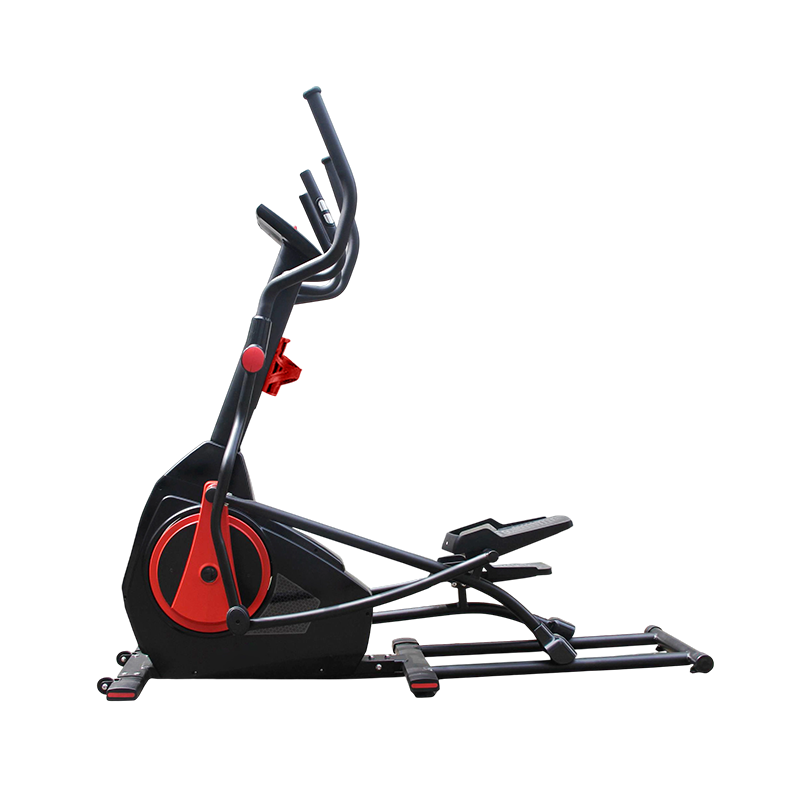
Not all ellipticals deliver the same experience. These six technical parameters determine whether a machine feels smooth, lasts a decade, and fits your home.
Stride length — measured as the distance between the farthest forward and farthest back position of the pedal — is the most personal spec on an elliptical. A stride that is too short forces a choppy, unnatural cadence; one that is too long overextends the hip flexors. General guidelines by height: users under 5'4" are typically comfortable at 16–18 inches; users 5'4"–5'10" at 18–20 inches; users over 5'10" at 20–22 inches. Budget machines often ship with fixed 14-inch strides that feel cramped for most adults.
The flywheel is the engine of smoothness. Heavier flywheels store more rotational momentum, producing a more consistent, fluid pedal feel — particularly important at lower resistance settings. Commercial gym ellipticals typically carry 30–40 lb flywheels. For home use, 20–25 lbs is the practical minimum for a smooth feel; anything below 15 lbs tends to produce a jerky, inconsistent stroke that increases fatigue and joint stress.
Two systems dominate: magnetic and eddy-current (electromagnetic). Magnetic resistance uses a fixed magnet that physically moves closer or farther from the flywheel — durable, silent, requires no power to hold a setting, but limited in precision. Eddy-current resistance uses electromagnets controlled by a motor, allowing infinite electronic adjustment and compatibility with heart-rate programs and automatic workouts. Eddy-current systems are more expensive but more precise. For home users training with structured programs, eddy-current is worth the premium.
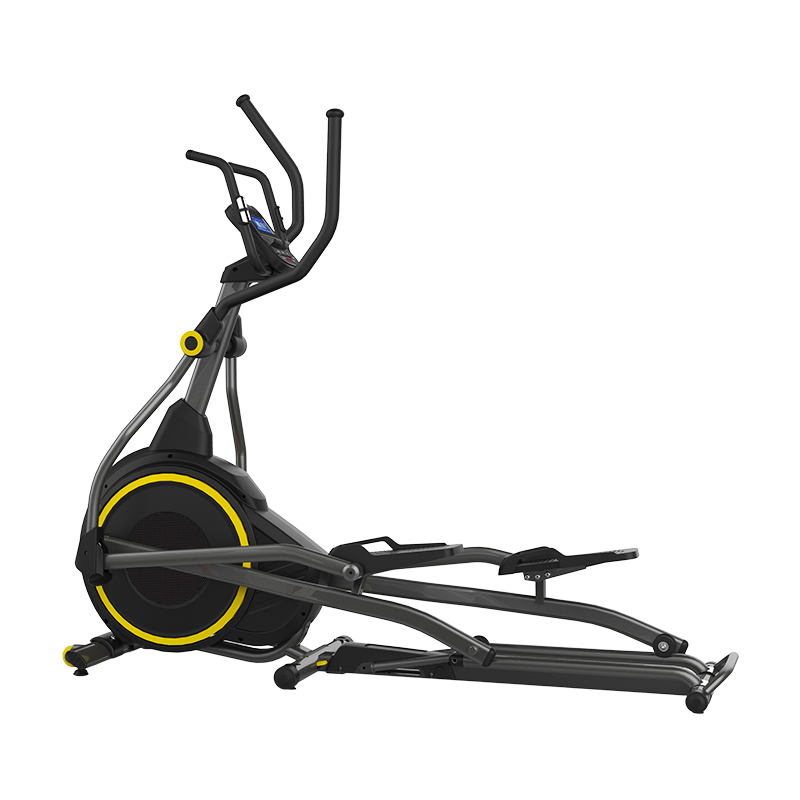
Front-drive ellipticals position the flywheel at the front and tend to produce a more stair-climbing feel with a slight forward lean. Rear-drive machines, common in commercial settings, deliver a longer, flatter stride. Center-drive ellipticals — where the flywheel sits between the user's feet — are compact and provide a natural, upright posture. For most home users working in limited floor space, center-drive or compact front-drive designs offer the best balance of feel and footprint.
Frame rigidity directly affects the feel of every stride. A machine rated for 300 lbs but tested only at 200 lbs of dynamic load will flex noticeably during use, producing noise and accelerating wear. Look for welded steel frames over bolted aluminum or plastic-infilled frames. A user weight capacity of at least 250 lbs is a reasonable baseline for a sturdy home elliptical; commercial-grade home machines carry 300–350 lbs.
Modern home ellipticals range from basic LED-display machines with manual resistance knobs to Bluetooth-connected, touchscreen-equipped trainers with live classes, auto-resistance adjustments, and app-synced workout logs. The right level depends on your training style: if you follow self-directed workouts, a clear multi-metric display (speed, resistance, heart rate, time, distance, calories) is sufficient. If you rely on guided programming for motivation, Bluetooth and app compatibility become essential.
Understanding the mechanical differences between drive configurations helps you match the machine to your space, budget, and biomechanical needs.
| Feature | Front-Drive | Rear-Drive | Center-Drive |
|---|---|---|---|
| Typical Footprint | Medium | Large | Compact |
| Stride Feel | Stair-like, slightly inclined | Long, flat, running-like | Natural, upright |
| Maintenance Access | Easy | Moderate | Easy |
| Price Range (typical) | $300–$1,200 | $800–$3,000+ | $400–$1,500 |
| Best For | Budget-conscious buyers | Runners, tall users | Apartments, small rooms |
Rear-drive machines dominated the commercial gym market throughout the 1990s and 2000s because they replicate a longer, more natural running stride and are exceptionally durable at high daily-use volumes. Precor, one of the original elliptical manufacturers, built its reputation on rear-drive designs. For home use, however, rear-drive machines are often oversized — their rearward-extending rails can push the total footprint past 70–75 inches in length, which is impractical in most spare bedrooms or garage gyms.
Front-drive machines emerged as a space-saving alternative and now dominate the consumer price range below $1,000. The forward placement of the flywheel shortens the overall machine length but introduces a more inclined stride path. For some users this feels more like stair climbing; for others it causes discomfort at the ankles or knees after extended sessions. Testing before buying — or choosing a manufacturer with a clear return policy — matters here.
Center-drive designs are the newest category and represent genuine engineering ingenuity. Placing the flywheels (often two, one on each side) beneath or beside the user rather than in front or behind allows a dramatically shorter chassis. The user stands between the drive mechanisms, producing an upright posture with no forward lean and very even, symmetrical pedal loading. This configuration also reduces the lateral instability some users feel on front-drive machines. Everbright's elliptical engineering draws on this center-drive philosophy to balance compact dimensions with biomechanical quality.
Floor space is the most common constraint home gym buyers underestimate. A machine that looks modest in a warehouse showroom can dominate a 10 × 10 spare bedroom. Here is a practical framework for sizing an elliptical to your actual available space.
The manufacturer-listed footprint does not include the space you need around the machine to use it safely and service it. Add at least 12 inches behind the machine (where the rear rail extends during use on some models) and 6 inches on each side. A machine listed at 58 × 24 inches should be planned for as an 82 × 36-inch floor zone.
Ellipticals raise your standing height by 6–12 inches depending on the pedal elevation at the top of the stride. For taller users on high-stride machines, this can push the total height requirement to 8'6" or more. Standard residential ceiling height in the US is 8 feet — a potential issue for users over 6 feet tall on larger machines. Measure your tallest user's height, add 12 inches, and confirm your room can accommodate it.
An elliptical on hardwood or tile can slip and damage the floor surface over time. A rubber equipment mat — typically 3/8 inch thick, cut to the machine footprint — solves both problems. Quality mats (such as those from Rubber Flooring Inc. or BalanceFrom) run $30–$60 and extend the machine's useful life by protecting the feet from debris. For uneven garage floors, adjustable leveling feet are preferable to shimming, which can introduce rocking and accelerate frame wear.
Garages and basements are popular locations for home ellipticals but can experience significant temperature and humidity swings. Extreme cold (below 40°F) can cause lubricants to thicken, increasing drive system wear. Humidity above 60% over extended periods can promote bearing corrosion. If your equipment space is not climate-controlled, choose a machine with sealed bearings and a powder-coated steel frame rather than bare metal or chrome finishes.
Zhejiang Everbright Industry designs its ellipticals with exactly these home-environment considerations in mind. The structural choices — sealed drive components, powder-coated frames, adjustable leveling feet as standard — reflect a manufacturing approach aimed at real home conditions rather than idealized showroom environments. Browse their full elliptical range at /product/ellipticals/.
Owning the right machine is only half the equation. Using it in a structured way produces results; using it randomly produces mediocre outcomes and eventually abandonment — which is why the average home gym piece of equipment becomes a clothing rack within 18 months, according to a 2020 survey by the Physical Activity Council.
Zone 2 cardio — sustained exercise at 60–70% of maximum heart rate — is the metabolic cornerstone of cardiovascular fitness. At this intensity, the body primarily burns fat, builds mitochondrial density, and improves aerobic efficiency without accumulating excessive fatigue. An elliptical at moderate resistance and 70–80 rpm cadence is an ideal Zone 2 tool. Research from Stanford's sports physiology lab (Inigo San Millan, 2021) suggests that 3–4 hours of Zone 2 work per week produces the majority of aerobic adaptations sought by recreational athletes. Three 45-minute elliptical sessions per week hits this target.
High-intensity interval training on an elliptical is particularly effective because the machine's flywheel momentum makes it easy to accelerate instantly — no belt-speed lag as with treadmills. A standard protocol: 30 seconds at maximum effort (resistance level 12–16, highest cadence possible), followed by 90 seconds of active recovery (resistance level 4–6, comfortable pace). Repeat 8–10 times. A 2021 Journal of Sports Science meta-analysis found that HIIT protocols on ellipticals produced comparable VO2max improvements to cycling HIIT, with lower session-based muscle soreness due to reduced eccentric loading.
Most users treat the elliptical as a uniform cardio tool, but small adjustments shift which muscles bear the primary load:
Cadence (revolutions per minute) and resistance work as inverse levers. High cadence at low resistance trains cardiovascular endurance and fast-twitch fiber recruitment; low cadence at high resistance trains muscular endurance and strength. A well-designed weekly elliptical program cycles through both. For caloric burn, the product of the two matters — a 2018 study in the International Journal of Sports Physiology and Performance found that an intermediate combination (moderate cadence, moderate resistance) consistently produced the highest caloric expenditure per session compared to either extreme.
Zhejiang Everbright Industry, Inc. is a fitness equipment manufacturer based in China with over two decades of experience producing commercial and home gym machines. Their elliptical product line is built around a straightforward philosophy: deliver commercial-level engineering — quality flywheels, precision-welded frames, and reliable drive systems — at accessible home-user price points.
Everbright ellipticals use heavy-gauge steel tubing with MIG welding at high-stress joints — the connection points between pedal arms and the main carriage, and between the upright and base — that typically show first signs of fatigue on lesser machines after 2–3 years of regular use. The powder-coat finish is applied electrostatically before baking, producing a surface that resists chipping and corrosion even in humidity-variable environments.
The drive system design prioritizes bearing longevity. Sealed cartridge bearings at all high-rotation joints reduce maintenance requirements and extend service intervals. The flywheel balancing process — dynamically balanced to within tight tolerances before assembly — eliminates the low-frequency vibration that causes noise and accelerates wear in cheaper machines. Users consistently report smooth, quiet operation from the first session without a break-in period.
Everbright's elliptical range includes both friction-magnetic and eddy-current resistance options across different model tiers, allowing buyers to match the control sophistication to their training style and budget. The console interfaces are designed for clarity under exercise conditions — large numeric displays readable in bright or dim room lighting, logically placed resistance and incline controls that do not require looking away from forward.
Several Everbright elliptical models are specifically designed for home deployment in compact spaces. The engineering focus on reducing chassis length without compromising stride length means that stride-per-footprint ratios in these models outperform many comparably priced competitors. For buyers working in spaces under 80 square feet, this efficiency is a practical differentiator worth specific attention during the comparison process.
To review the full current specifications, model variants, and pricing for Everbright's elliptical products, visit their dedicated product page: /product/ellipticals/.
A well-maintained home elliptical should last 10–15 years with regular use. Neglected machines typically develop problems within 3–5 years — creaking frames, inconsistent resistance, worn pedal pivot points — that are usually traceable to a handful of preventable issues.
The most common premature failure point on home ellipticals — across brands and price ranges — is the roller wheel and rail interface. These small wheels (typically 40–60mm diameter) ride the rail during every pedal stroke. On cheaper machines, the rollers are plastic; on quality machines, they are nylon-reinforced or steel-bearing mounted. The difference in lifespan is dramatic: plastic rollers may begin squeaking and cracking within 2 years of daily use; quality nylon or steel-bearing rollers in a well-lubricated environment can last the life of the machine. When evaluating any elliptical purchase, asking specifically about roller material is worthwhile.
Choosing the right cardio equipment for your home means understanding the full ecosystem of options — not just ellipticals in isolation. Here is a direct comparison across the five most common home cardio machine categories.
| Machine | Joint Impact | Calorie Burn (155 lb, 30 min) | Muscles Worked | Avg. Noise Level | Typical Home Price |
|---|---|---|---|---|---|
| Elliptical | Very Low | 270–400 kcal | Full body (legs + upper) | 45–55 dB | $400–$2,500 |
| Treadmill | High | 240–420 kcal | Lower body dominant | 65–80 dB | $500–$3,000 |
| Stationary Bike | Very Low | 210–310 kcal | Lower body | 35–50 dB | $200–$2,000 |
| Rowing Machine | Low–Medium | 260–370 kcal | Full body (legs + back) | 50–65 dB | $300–$1,800 |
| Stair Climber | Medium | 180–260 kcal | Glutes, hamstrings, calves | 55–70 dB | $300–$1,500 |
The elliptical's combination of very low joint impact, full-body muscle engagement, and relatively quiet operation makes it the most versatile single cardio machine for a broad range of home users. The stationary bike is superior if the primary goal is seated training for users with hip or back issues; the rowing machine rivals the elliptical on caloric burn and adds significant upper-back and hip hinge work; the treadmill wins on specificity for runners who need ground-contact training. But for the largest cross-section of home users — across age ranges, fitness levels, and body weight — the elliptical represents the best compromise machine.
Use this framework to evaluate any elliptical purchase, whether from Everbright or any other manufacturer. These are the questions that most effectively separate machines that will perform well over time from those that will disappoint.
The American Heart Association recommends 150 minutes of moderate-intensity aerobic activity per week, which translates to five 30-minute elliptical sessions, three 50-minute sessions, or any combination that reaches 150 minutes. For fat loss, research consistently supports 4–5 weekly sessions with at least one HIIT session. For general cardiovascular maintenance, 3 sessions of 30–45 minutes is sufficient for most adults.
Daily elliptical training is manageable because the low-impact nature of the movement does not accumulate the joint stress that makes daily running inadvisable for most people. However, training the same systems every day without variation can produce plateau effects and overuse patterns in specific muscles. A more effective approach: 4–5 elliptical sessions per week at varied intensities, with 1–2 days of alternative training (strength, flexibility, or rest) for overall athletic development.
Yes, incline is a meaningful variable. A 2015 study in the Journal of Human Kinetics found that increasing elliptical incline from 0% to 15% increased glute activation by approximately 28% and hamstring activation by 14%, while reducing quadriceps load. This makes incline adjustment one of the most effective tools for targeting the posterior chain without additional equipment. Machines with power incline adjustment make this easy to incorporate into workout protocols.
An elliptical contributes to weight loss through caloric expenditure — but only as part of a caloric deficit created through both exercise and diet. No machine creates weight loss in isolation. That said, the elliptical's combination of moderate caloric burn, low perceived exertion relative to effort, and full-body engagement makes it more likely to be used consistently than higher-impact alternatives — and consistency is the primary driver of long-term results. Studies show that people maintain elliptical training programs longer on average than treadmill or stair-climber programs (Physical Activity Council, 2022).
Beginners should target 40–60 revolutions per minute at a resistance level that allows comfortable breathing with moderate effort — typically resistance levels 3–6 on a 20-level machine. The focus for the first 4–6 weeks should be on developing a smooth, consistent motion and building session duration (working toward 20–30 continuous minutes) rather than maximizing speed or resistance. Most elliptical consoles display RPM; use this as a pacing reference rather than speed, which varies by stride length.
A quality home elliptical used 4–5 times per week at moderate intensity should last 10–15 years with proper maintenance. Lower-cost machines used at the same frequency may require significant component replacement (rollers, bearings, console electronics) within 5–7 years. Commercial gym ellipticals — which handle 8–12 hours of daily use — typically require major service every 3–5 years, which puts home use durability expectations in realistic context.
Zhejiang Everbright Industry's elliptical lineup spans entry-level home models through commercial-grade home machines — each built to the same engineering standards, differentiated by features, footprint, and price point. Whether you are equipping a small apartment, a dedicated home gym, or a light commercial space, their product range covers the full spectrum of requirements outlined in this guide.
Explore the full elliptical range, including specifications, model comparisons, and configuration options:
Browse Everbright EllipticalsHot Products

Phone: +86-152 5836 5876
TEL: +86-574 6322 1199
Email: mandy@evbfit.com
Address: No. 518 Zhengtong Road, Kandun Street, Cixi, Ningbo, Zhejiang, China
Copyright © Zhejiang Everbright Industry, Inc. All Rights Reserved. Custom Exercise Bikes Manufacturers China Stationary Bikes Factory