Nov 02, 2026
Content
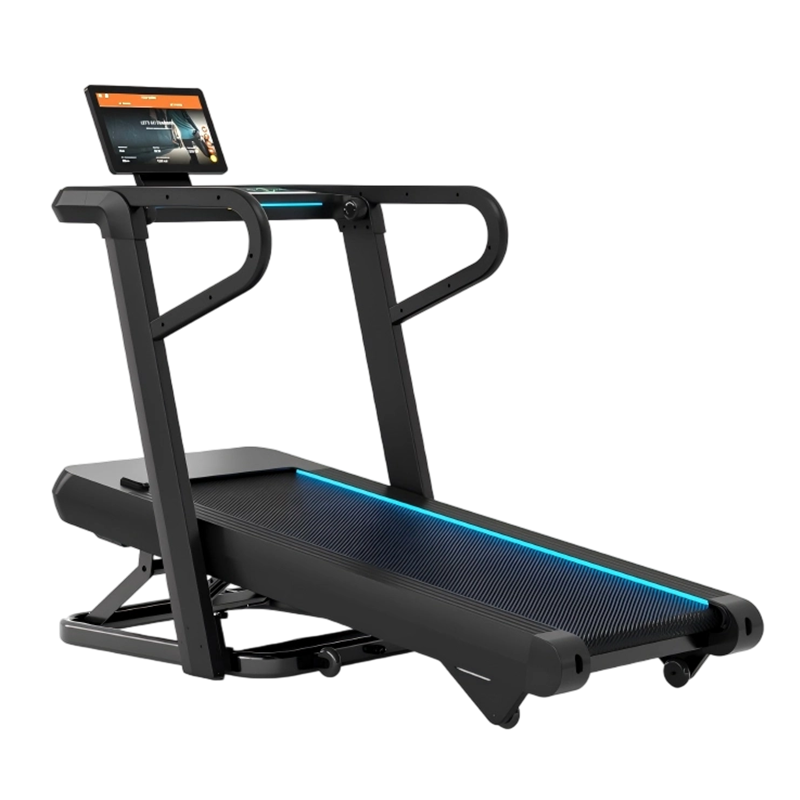
Here is the short version: a flat belt manual treadmill is a non-motorized treadmill with a conventional flat belt positioned on a slightly inclined deck. You move the belt by pushing off with each foot, so the machine provides no motor-assisted momentum. That makes it more demanding at low speeds, less convenient for long sessions, and better suited for walkers or light joggers who want a low-cost, low-maintenance workout.
Most modern home cardio equipment is motorized, so people expect the belt to move on its own. With a manual flat belt machine, you are the motor. The payoff is that the machine is simple, cheap to operate, and practically immune to motor-related failure. The trade-off is that you must keep supplying energy to every single stride, which changes how the workout feels compared with a motorized treadmill.
The name can be misleading. A flat belt manual treadmill does not have a perfectly level deck. Instead, manufacturers build a small fixed incline into the frame. That angle is what allows a non-motorized belt to keep moving predictably after each foot strike. The steeper the incline, the more work your legs have to do with every step.
When you step and push backward, the belt slides over the running deck and rolls around the front and rear rollers. The harder and faster you push, the faster the belt moves. When you ease up, the belt slows down or stops almost immediately. This creates a training effect that is very different from a motorized treadmill: you cannot rely on the machine to maintain pace for you.
Because there is no electric motor, each stride involves a short moment of acceleration followed by a natural tendency to slow down. This makes the workout less steady but more engaging. It also means the quality of your foot strike and your ability to maintain rhythm directly control the speed of the belt. For people who want a more conscious, active cardio session, this is the biggest appeal of a flat belt manual treadmill.
The biggest confusion surrounding flat belt manual treadmills comes from comparisons with curved manual treadmills and motorized treadmills. Each design has a different purpose. The table below explains the practical differences you should consider before buying.
| Feature | Flat Belt Manual | Curved Manual | Motorized |
|---|---|---|---|
| Motor | None | None | Electric motor |
| Deck shape | Nearly flat with slight incline | Curved arc | Flat or adjustable incline |
| Speed control | User-controlled, can slow quickly | User-controlled, smoother momentum | Set and maintained by motor |
| Best workout type | Walking and light jogging | Running and high-intensity intervals | Walking, jogging, running, intervals |
| Electricity needed | No, unless console uses batteries | No, unless console uses batteries | Yes, wall outlet required |
| Maintenance | Belt tension, deck cleaning, bolts | Slats, bearings, belt tension | Motor, belt, deck, electronics, incline |
| Typical price | Often more affordable | Can be expensive | Wide range, usually higher |
If you mainly want to walk while staying mentally active, a flat belt manual treadmill can feel natural. If you want to sprint, a curved manual design or a motorized treadmill is easier to control. If you want speed stability and programmed workouts, the motorized option remains the most practical.
You should not decide based only on price. The real question is whether the unique feel of a manually driven flat belt fits your goals.
The best buyer is someone who values simplicity and wants a treadmill that makes every step deliberate. The design suits several specific situations better than a motorized treadmill.
On the other hand, skip this type of treadmill if you want preset interval programs, automatic incline adjustments, or a smooth end-of-run cool-down where the motor does the work for you. For a more complete view of what is available, you can compare options across our full home fitness equipment range.
Not every flat belt manual treadmill is built the same. The frame, belt, rollers, and incline angle determine how it feels underfoot. Use this checklist to avoid buying a machine that feels too short, too noisy, or too unstable.
These specifications matter more than the console. A fancy console cannot compensate for a weak frame or a belt that constantly sticks.
Walking is the most natural activity on a flat belt manual treadmill. The fixed incline gives your calves, glutes, and hamstrings slightly more work than a flat walk. You do not need a high belt speed, and you can keep your posture upright while maintaining a steady cadence.
Jogging on a flat belt manual treadmill is possible if you have enough belt length and if the deck is long enough for your stride. The key is to land closer to the middle of the belt, not near the rear roller. You also need to keep your cadence high; a slow jog with a long stride can cause the belt to stall.
Sprint running is where flat belt manual treadmills become difficult to recommend. Because a flat belt does not have the momentum of a heavier curved deck, the belt can decelerate quickly between steps. That makes sprint repeats feel choppy and forces you to constantly reaccelerate. For serious sprint interval training, a curved manual treadmill or a motorized model with a high top speed is a more practical choice.
A flat belt manual treadmill does not produce motor noise, but it is not silent. The main sounds are foot contact, belt friction, and the movement of rollers. If you put the treadmill on concrete without a mat, the sound can echo through the floor. A thick rubber training mat reduces vibration and helps protect the frame.
Maintenance is simpler than with a motorized treadmill, but it still exists. You should keep the belt clean, remove dust from the rollers, and check the frame bolts after the first few weeks of use. Belt tension may loosen over time. When the belt starts to slip or feel uneven, follow the manufacturer's adjustment procedure instead of simply replacing parts.
The long-term cost is lower because there is no motor to fail. However, the deck surface and belt will still wear with regular use. Expect the belt to need eventual replacement, but the total cost of ownership can still be lower than a motorized treadmill over several years.
If the flat belt manual treadmill does not fit your stride, your space, or your fitness goals, you still have good reasons to stay with self-powered cardio equipment. The most valuable alternatives remove the constant belt-starting problem while keeping the workout steady and low-maintenance.
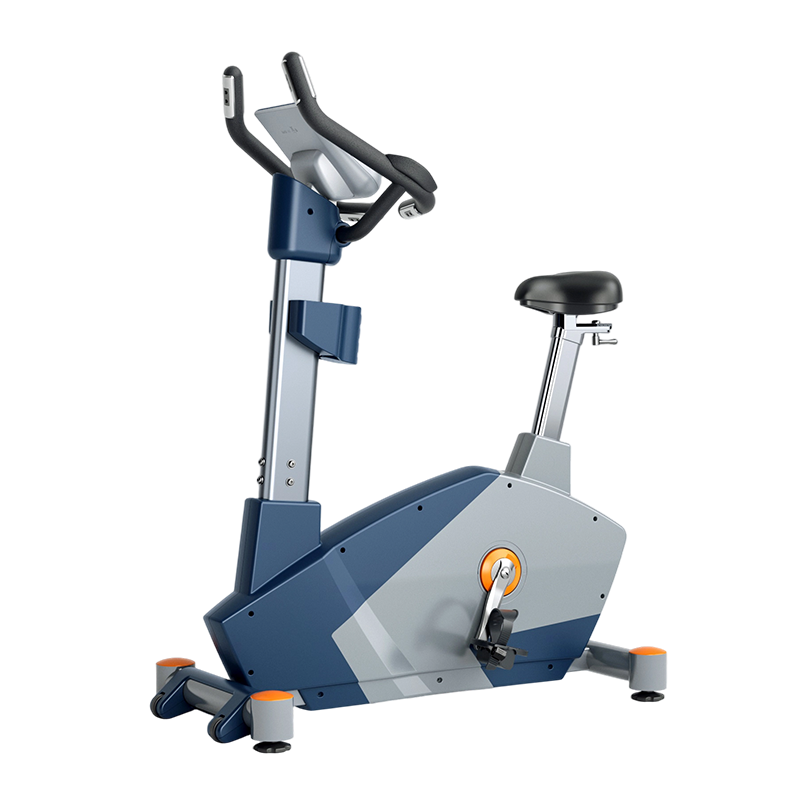
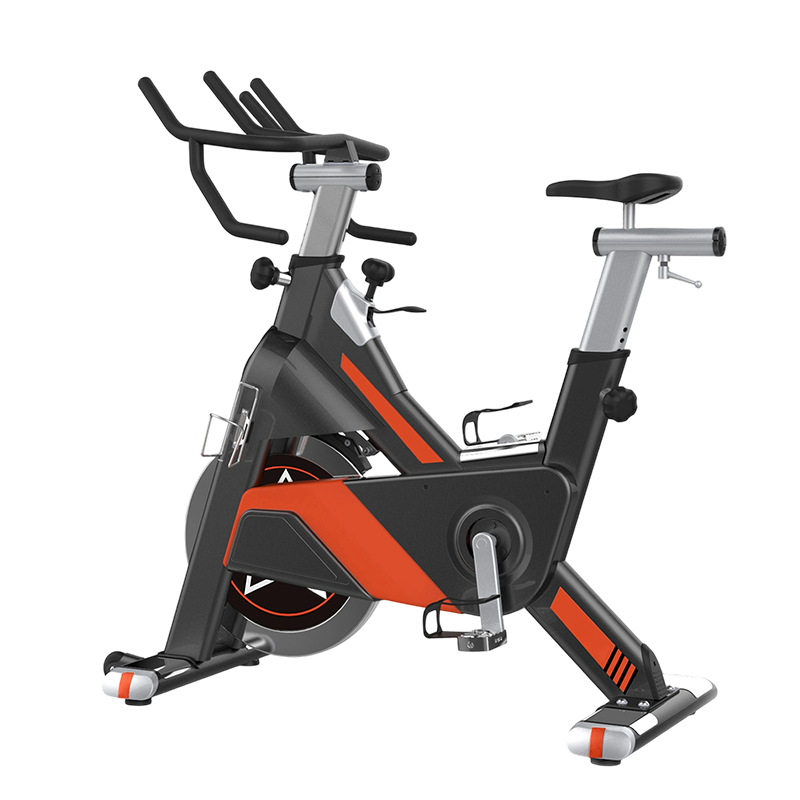
An upright exercise bike is a strong alternative because it uses a fixed crank arm system. There is no moving belt to chase, so you can focus on cadence, breathing, and leg strength without worrying about the deck stopping.
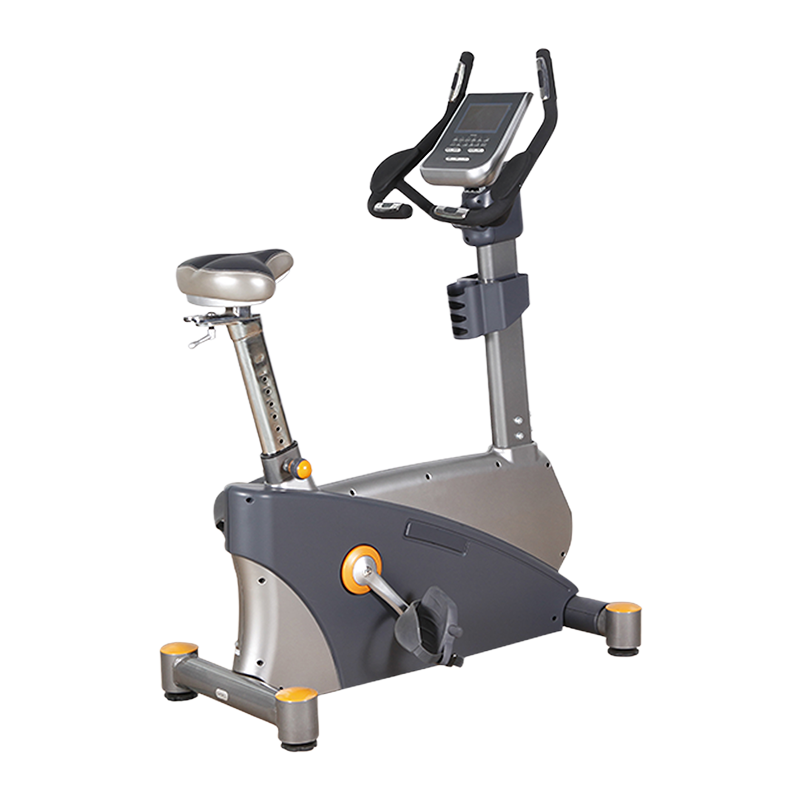 EB2000 Electromagnetic Recumbent Exercise Bike with ConsoleThis self-propelled electromagnetic bike offers 32 resistance levels and a backlit console with heart rate monitoring, making it a comfortable upright alternative for focused lower-body workouts.View Product →
A recumbent bike offers a more supported seating position and is especially comfortable for slower, longer sessions. It is useful for people who prefer to keep their torso stable while training the lower body.
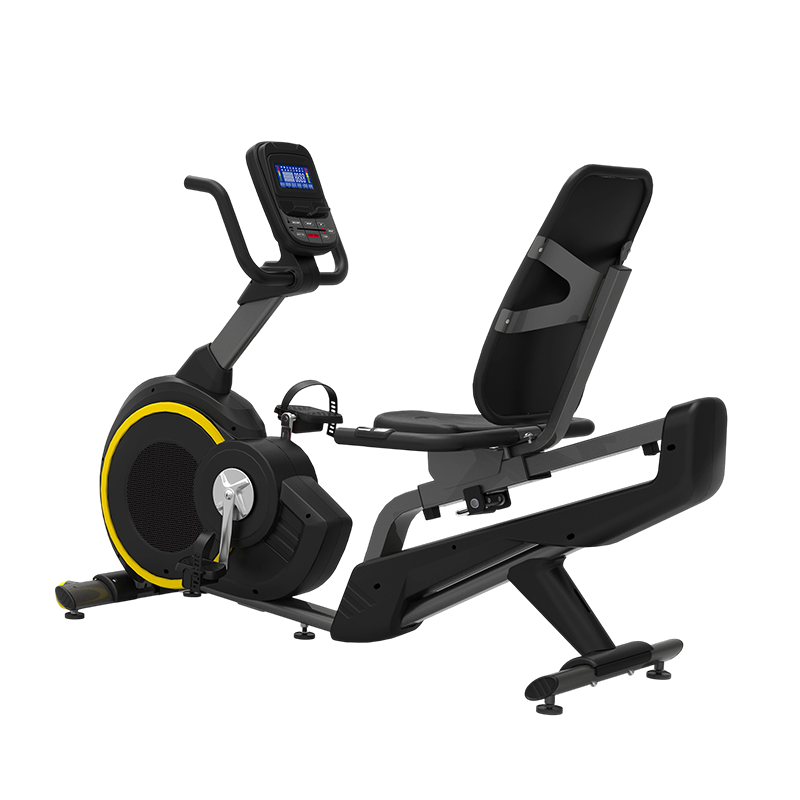 AR170 Recumbent Bike with Smart Connectivity and Voice PromptsA home recumbent bike with ergonomic seating and wireless data sync, ideal for low-impact cardio sessions that protect joints while offering adjustable resistance and user profiles.View Product →
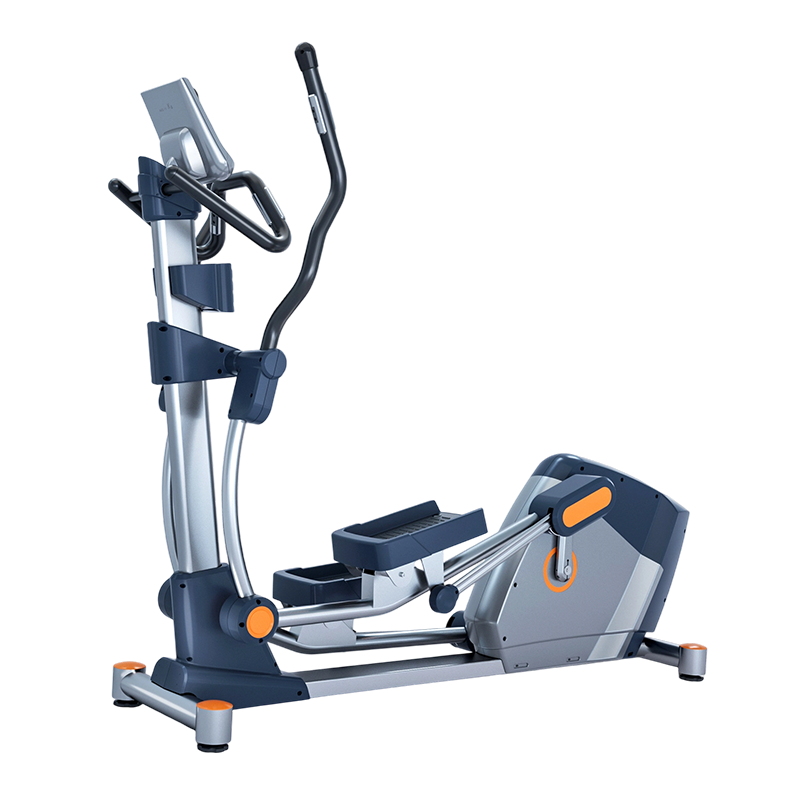
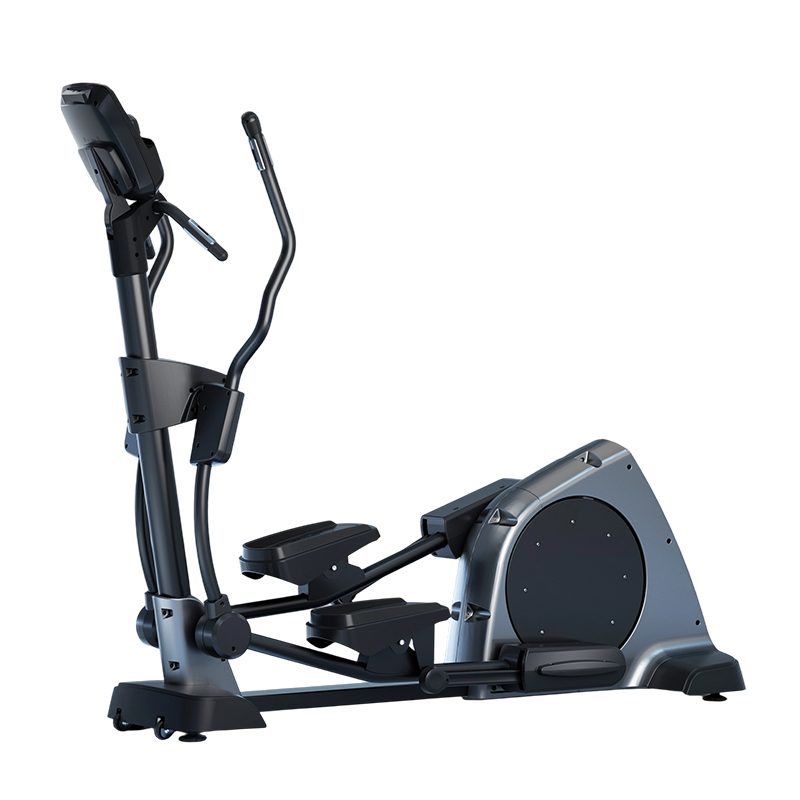
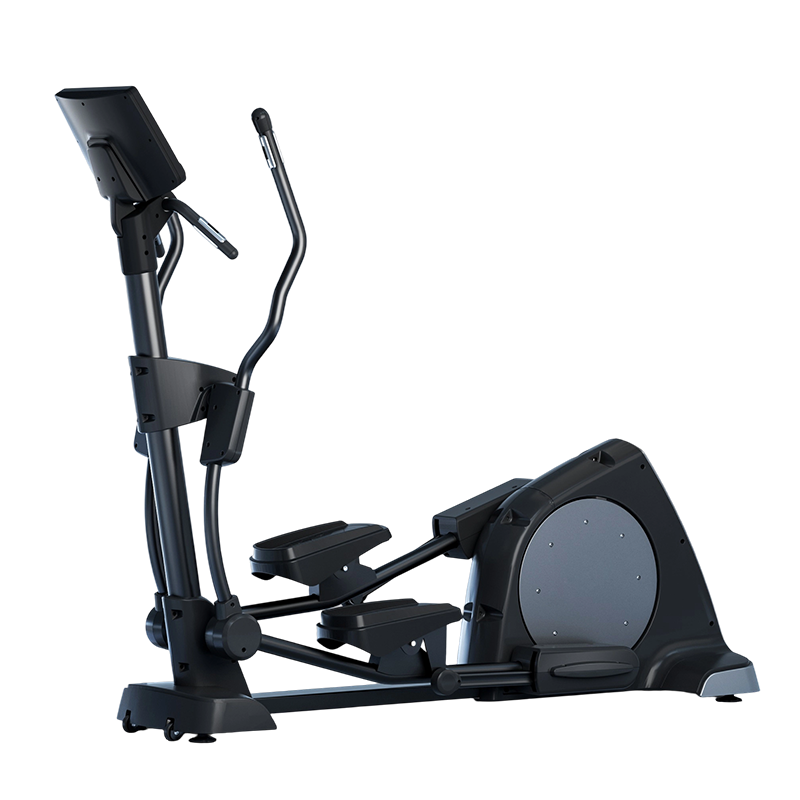
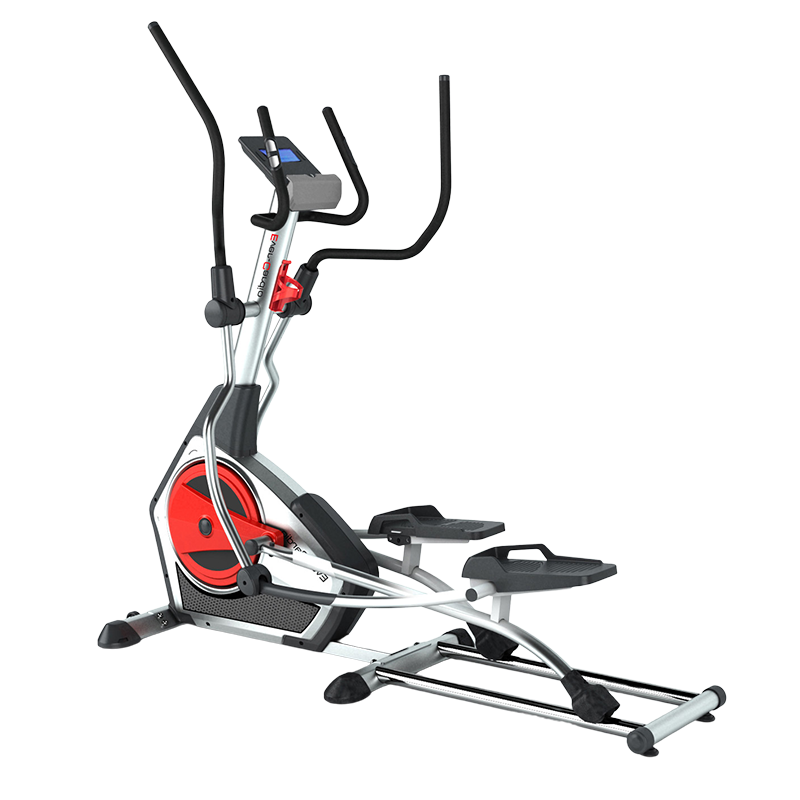
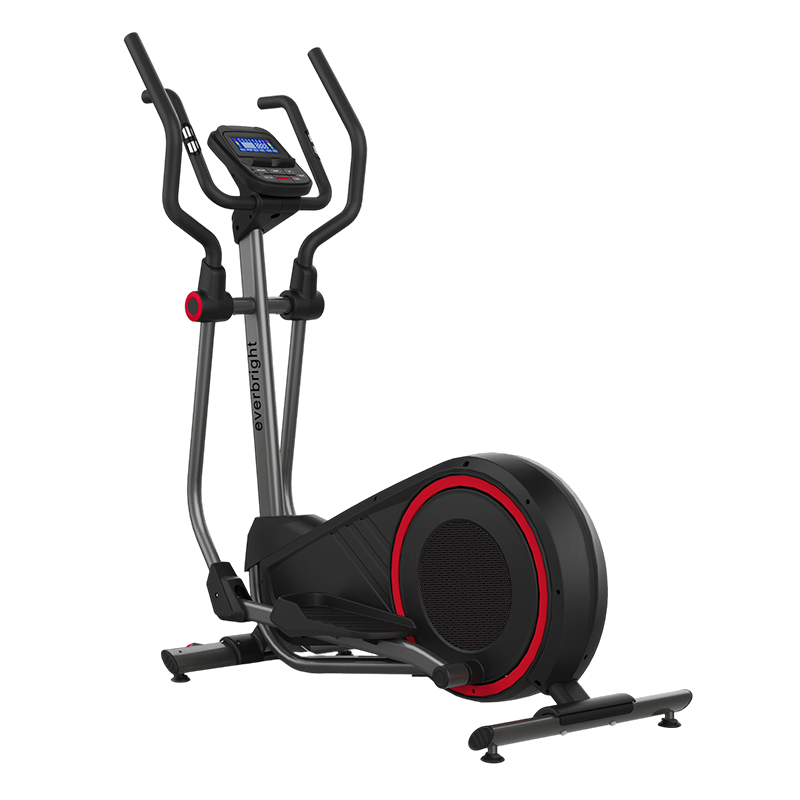
An elliptical trainer takes away impact entirely. It is a good choice if you want continuous, smooth cardio without the start-stop feel of a manual belt.
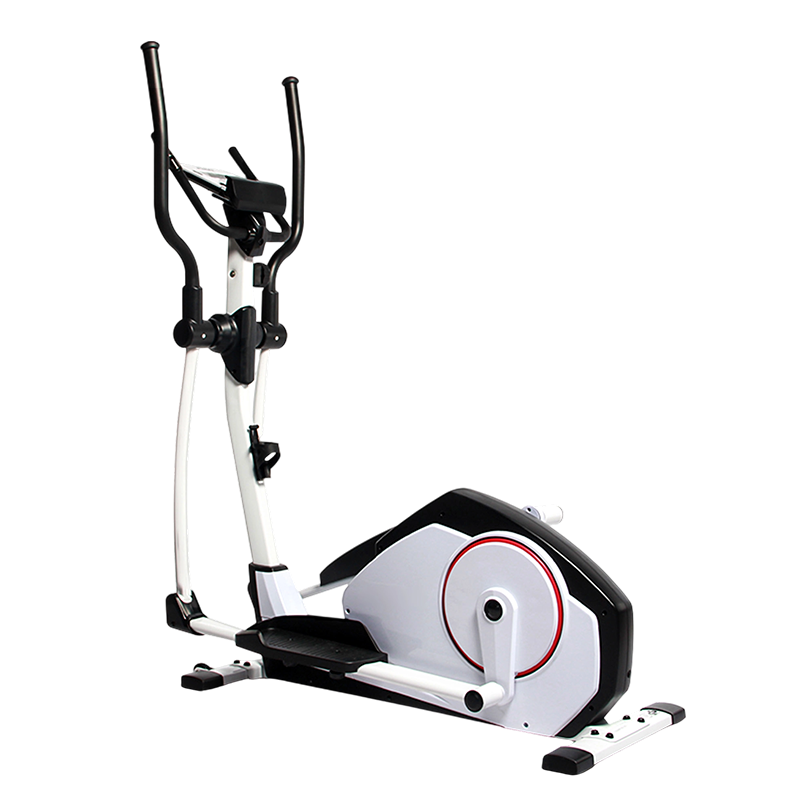 SE01 Compact Elliptical Trainer with Full-Body WorkoutThis space-saving elliptical provides smooth, impact-free cardio with 32 resistance levels and Bluetooth tracking, suitable for balanced full-body training in small home areas.View Product →
Most flat belt manual treadmills use a small fixed incline. Without that angle, the belt would be much harder to keep moving. The deck only looks flat because the incline is subtle.
A motor-free design removes motor repair costs, but the belt, rollers, frame, and tension system still need attention. Dust and sweat can make the deck sticky over time.
Simple manual models can be inexpensive, but high-quality self-powered treadmills with curved decks or reinforced frames can cost as much as premium motorized units. Price depends on build quality, not just the presence or absence of a motor.
Light jogging is possible if the belt length and your stride length are compatible. What is difficult is fast sprinting, where the belt speed changes with every push.
A flat belt manual treadmill is a non-motorized treadmill with a conventional flat belt running over a slightly inclined deck. You move the belt by pushing backward with your feet, so the treadmill has no motor-driven speed control.
Yes, walking is the strongest use case. The small fixed incline adds resistance without requiring the fast foot speed that running would demand. Just make sure the belt is long enough for your stride.
You can do light jogging if the deck is stable and the belt is long enough. Fast sprinting is harder because the belt tends to slow down between foot strikes, forcing you to reaccelerate constantly.
The belt itself does not need electricity. Some models include a basic console that uses batteries or a USB connection, but the running surface is completely manual. This makes the treadmill usable in rooms without an outlet.
They are quieter in the sense that there is no motor whine, but foot impact and belt friction still produce noise. On a hard floor, you may need a thick mat to prevent the sound from transferring to the room below.
Avoid models with a short running belt, a wobbly frame, weak rollers, or no way to adjust belt tension. Also avoid choosing a machine solely because it is cheap, because a poor frame will make every workout feel unstable.
A flat belt manual treadmill is worth buying when you want a low-maintenance, electricity-free walking surface that forces you to stay active. It is less worthwhile when your main goal is high-speed interval training or long, distraction-free treadmill sessions where the belt speed stays constant.
Before you make a purchase, measure your stride, check the rated weight capacity, and look for a solid belt tension system. If those details are right, you will get a durable piece of cardio equipment that is easy to live with. If they are wrong, even a very cheap manual treadmill will feel frustrating.
You can also explore the smart side of home fitness through recent market notes on smart treadmill upgrades. When used in the right setting, a flat belt manual treadmill is not a compromise; it is a deliberate choice for a simpler, more controlled form of cardio.
Hot Products

Phone: +86-152 5836 5876
TEL: +86-574 6322 1199
Email: mandy@evbfit.com
Address: No. 518 Zhengtong Road, Kandun Street, Cixi, Ningbo, Zhejiang, China
Copyright © Zhejiang Everbright Industry, Inc. All Rights Reserved. Custom Exercise Bikes Manufacturers China Stationary Bikes Factory