Oct 26, 2026
Content
Yes, an elliptical machine is good for weight loss, but the machine itself is not a weight-loss guarantee. A 70 kg adult burns about 184 to 239 calories in 30 minutes of moderate elliptical training, and roughly 294 to 360 calories at high intensity, according to the metabolic equivalent of task (MET) values published in the Compendium of Physical Activities (Ainsworth et al., 2011). When you multiply that across four to six weekly sessions, the elliptical generates a predictable weekly calorie burn of 1,100 to 2,100 calories on top of your resting metabolism. That is enough to produce 0.15 to 0.30 kg of fat loss per week when your nutrition holds a stable deficit.
The stronger reason to choose the elliptical is compliance. Running generates ground reaction forces of roughly 2 to 3 times body weight at foot strike, while an elliptical keeps your feet on the pedals and reduces impact to near zero. People who carry excess weight, have knee or hip sensitivity, or are coming back from an injury can maintain a consistent schedule on an elliptical when impact-heavy cardio would force recovery days or stop training altogether. Losing weight is a matter of sustained energy output, so the machine that keeps you showing up is the machine that works.
This guide answers the practical questions: how many calories an elliptical actually burns, how it compares to a treadmill in head-to-head numbers, which workout protocols produce the fastest measurable fat loss, what common mistakes stall results, and which machine specifications matter for a home purchase decision.
The most reliable way to estimate elliptical energy expenditure is the MET method. One MET is the energy cost of sitting quietly, roughly 1 kcal per kilogram of body weight per hour. The Compendium of Physical Activities assigns 5.0 METs to a moderate elliptical workout and 6.5 to 8.0 METs to a vigorous session. The calculation is:
Calories per minute = MET value x 3.5 x body weight (kg) divided by 200
For a 70 kg person on an elliptical at 5.0 METs, that works out to 6.1 kcal per minute, or 184 kcal in 30 minutes. At 6.5 METs the same person burns 239 kcal in 30 minutes, and at 8.0 METs, 294 kcal. The table below shows what that looks like across four common body weights. Remember that machine consoles often display calorie numbers 15 to 40 percent higher than reality because they lack direct oxygen consumption measurement.
| Body Weight | 30 Min Moderate | 30 Min Vigorous | 30 Min HIIT |
|---|---|---|---|
| 55 kg (121 lb) | 144 | 188 | 231-283 |
| 70 kg (154 lb) | 184 | 239 | 294-360 |
| 85 kg (187 lb) | 223 | 290 | 357-437 |
| 100 kg (220 lb) | 263 | 341 | 420-514 |
These numbers matter because they set realistic expectations. A single 30-ounce soda contains about 140 calories. To lose 0.45 kg of fat, you need a cumulative deficit of around 3,500 calories. Twenty minutes of vigorous elliptical work per day for two weeks equals roughly 2,700 to 3,600 calories burned, which is the mathematical equivalent of that one pound of fat, before you touch a single meal. That is why the elliptical is effective, but also why nutrition is non-negotiable in the equation.
The elliptical has three physiological advantages that make it particularly useful for weight loss over the long term.
Running at 8 to 10 km/h produces impact forces of 2 to 3 times your body weight at each foot strike. For an 85 kg person, that means a 170 to 255 kg load travelling through the knees and lower back roughly 160 times per minute. The elliptical eliminates that orbital impact because the feet remain on the pedals and the stride is driven through the legs against controlled resistance rather than the ground. A heavier individual, an older beginner, or someone recovering from a knee strain can therefore accumulate 150 to 300 minutes of moderate cardio each week without the overuse pain that typically derails a running plan.
Moving elliptical handlebars recruit the shoulders, chest, back, and arms in addition to the glutes, quadriceps, hamstrings, and calves. A treadmill walk or run primarily uses the lower body, with the upper body contributing only about 5 to 10 percent of total energy expenditure. The elliptical has the opposite profile: when you push and pull the handles at steady intensity, upper body muscles add to the oxygen cost without adding impact. Exercise physiology studies comparing elliptical training with treadmill running at matched perceived exertion have reported similar heart rates, oxygen uptake, and calorie expenditure, while the elliptical produced significantly lower perceived joint stress. The practical effect is that you can hold a higher heart rate for a longer session on an elliptical without the local muscle fatigue that stops a treadmill interval early.
Weight loss requires a progressive stimulus. If you always train at the same resistance and cadence, your body adapts within three to four weeks and calorie burn per session drifts downward. A good elliptical provides precise, incremental resistance levels so you can systematically add load. Self-generating electromagnetic systems are particularly effective for this because they hold a constant resistance regardless of pedal speed and allow very fine adjustments between levels. The EB5000 series is a 21-inch screen, self-generating electromagnetic elliptical in which the electromagnetic resistance unit is powered by your own pedaling, meaning it produces consistent braking force without requiring a wall outlet. That makes it practical for both home and commercial environments where you want repeatable training loads for yourself or for members.
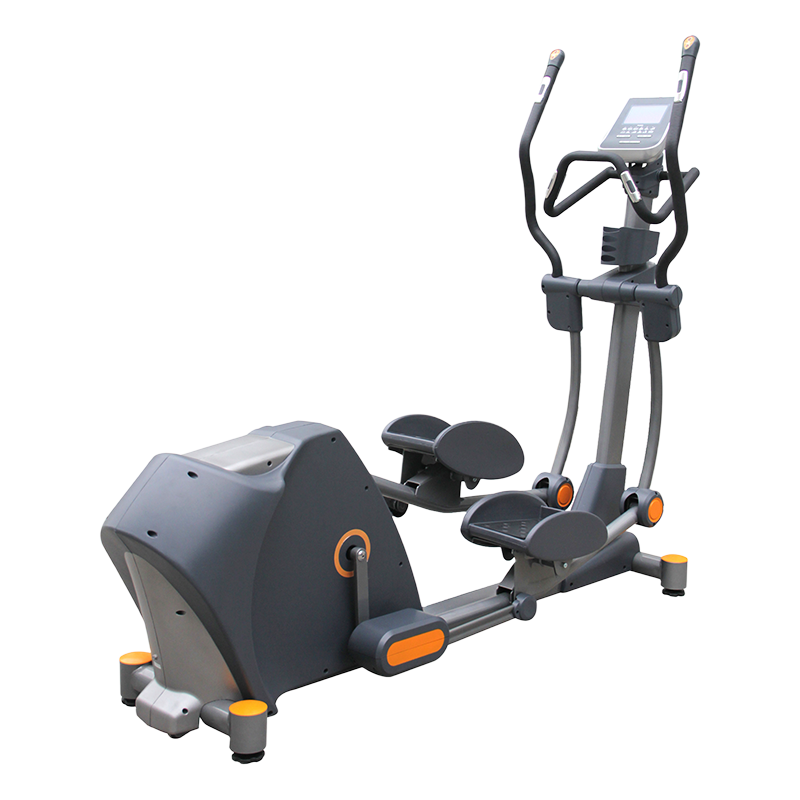 EB5000 Self-Generating Electromagnetic Elliptical with 21-Inch DisplayThis 21-inch self-generating elliptical provides precise resistance without a wall outlet, ideal for progressive overload. Its wireless heart-rate monitoring and multiple training modes support sustainable weight-loss routines while minimizing joint impact.View Product →
The fastest way to choose a weight loss machine is to compare four criteria: calorie burn per minute, joint impact, muscle mass involved, and how easy it is to sustain week after week. Treadmills have a slight advantage in hourly calorie burn at sprinting paces, but they also cause the most lower body impact. Rowing machines involve the most muscles, but they require a steep learning curve for good technique. The elliptical sits in the middle: high calorie burn, low impact, moderate skill requirement, and the highest comfort level for overweight users.
| Machine | Calories (30 Min Vigorous) | Joint Impact | Main Muscles | Learning Curve |
|---|---|---|---|---|
| Elliptical | 294-360 | Very Low | Glutes, quads, hamstrings, core, arms (with handles) | Minimal |
| Treadmill (running 8 km/h) | 298-372 | High | Calves, quads, hamstrings, glutes | Natural |
| Rowing machine | 250-330 | Low to Moderate | Back, legs, core, arms | Steep |
| Stationary bike | 210-280 | Very Low | Quads, hamstrings, glutes | Minimal |
Choose the elliptical if you want the calorie burn of running without the cumulative joint stress, if you are starting from a high body weight, or if you prefer to train with an upper body push-pull pattern. Choose the treadmill if you are training for a running event, enjoy the impact sensation, or need specificity for road racing and pace work.
There is no single best elliptical workout, but three protocols have the strongest evidence base for fat loss. They are steady-state cardio, high-intensity interval training (HIIT), and a resistance pyramid. The best results come from rotating them through the week so your body never fully adapts to one load pattern.
Steady state means holding a constant heart rate zone for 40 to 50 minutes. At 60 to 70 percent of max heart rate, you are breathing noticeably but still able to hold a conversation in short sentences. For a 40-year-old with a theoretical max heart rate of 180, that is 108 to 126 beats per minute. A 70 kg person completing 45 minutes at 5.5 METs burns approximately 267 calories in this zone, and the session is gentle enough to repeat four to six days per week. This protocol works best as the base of a weekly plan.
HIIT on an elliptical shortens the session while raising calorie burn and improving cardiorespiratory fitness. A 30-second sprint at 85 to 90 percent perceived effort followed by 90 seconds of easy pedaling at 40 to 50 percent effort, repeated 8 to 10 times, creates a 25 to 30 minute session with the total calorie burn close to a 45-minute steady-state workout. The additional benefit is excess post-exercise oxygen consumption: research on interval training has shown the body continues to use more oxygen and calories for 12 to 24 hours after a high-intensity training session. The elliptical is a safe platform for this protocol because the low impact removes the joint strain of running intervals.
A resistance pyramid keeps your cadence constant while the resistance climbs and falls. Start at level 3 on a 20-level machine for 4 minutes, move to level 6 for 3 minutes, level 9 for 2 minutes, level 12 for 1 minute, then walk back down. The total workout lasts 30 to 35 minutes and places a heavy glute and hamstring load, which supports muscle mass maintenance during a calorie deficit. Maintaining muscle is critical because muscle tissue raises resting metabolic rate, and weight loss that preserves muscle has a much lower chance of rebound weight gain.
| Day | Workout | Duration | Target Effort |
|---|---|---|---|
| Monday | Steady state | 45 min | RPE 5-6 |
| Tuesday | Brisk walk or recovery | 30 min | RPE 3 |
| Wednesday | HIIT 30 sec on / 90 sec off | 28 min | RPE 8-9 on intervals |
| Thursday | Steady state | 50 min | RPE 5-6 |
| Friday | Rest or mobility work | 20 min | RPE 2 |
| Saturday | Resistance pyramid | 35 min | RPE 7-8 at peak |
| Sunday | Recovery steady state | 30 min | RPE 3-4 |
This plan creates roughly 250 to 400 minutes of weekly training, which aligns with the American College of Sports Medicine position stand on exercise for weight management: 150 to 250 minutes per week of moderate activity supports modest weight loss, while 200 to 300 minutes per week is recommended for preventing weight regain after significant loss (Donnelly et al., 2009). If you are training at home and need a machine that supports long steady sessions and short interval bursts without constant resetting, a dedicated home-use model with stable stride geometry is worth considering.
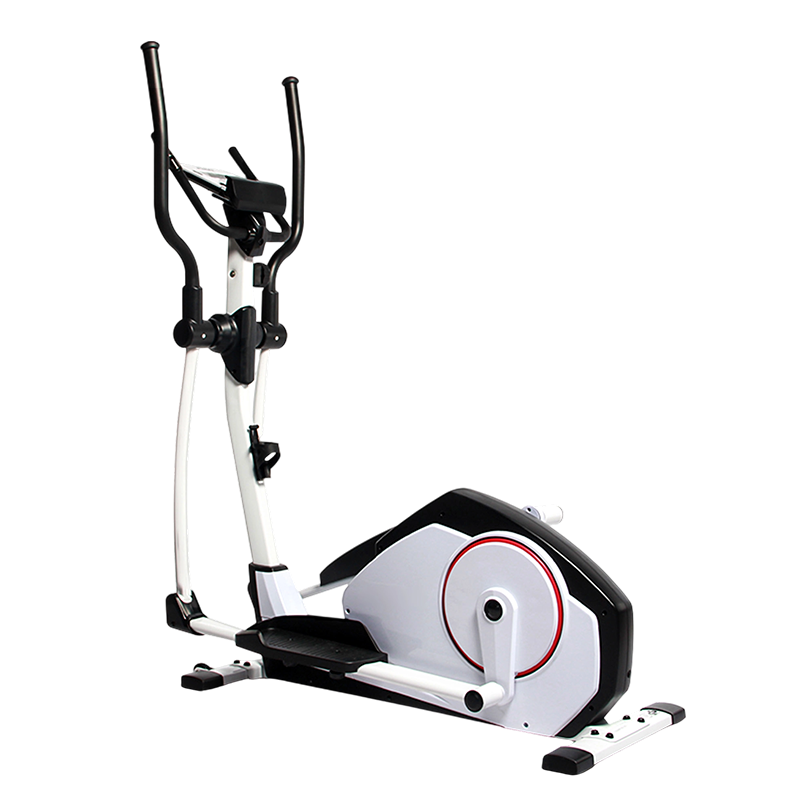 SE01 Compact Home Elliptical with 32 Resistance LevelsDesigned for home use, this compact elliptical offers 32 resistance levels and Bluetooth data sync, making it easy to sustain long steady sessions and interval bursts. Its full-body engagement and space-saving footprint fit living-room workouts.View Product →
Even with consistent elliptical sessions, fat loss can stall if the training is too easy, the movement pattern is inefficient, or the calorie side of the equation is ignored. These seven mistakes are the most common causes of zero results.
Buying the right home elliptical is about matching the machine to your body and your training volume. A light machine with a short stride that you use once a week is a waste; a heavy commercial machine with advanced resistance is overkill if you are a weekend user. These five specification areas matter most.
Stride length is the horizontal distance the pedals travel. For someone between 155 cm and 175 cm tall, a stride of 18 to 20 inches feels natural. Taller users need 20 inches or more to avoid a cramped, running-like gait. A stride that is too short places excessive load on the knees because it forces a higher cadence at the same speed. Check that your heel stays on the pedal through the full revolution and that your hips do not rock side to side.
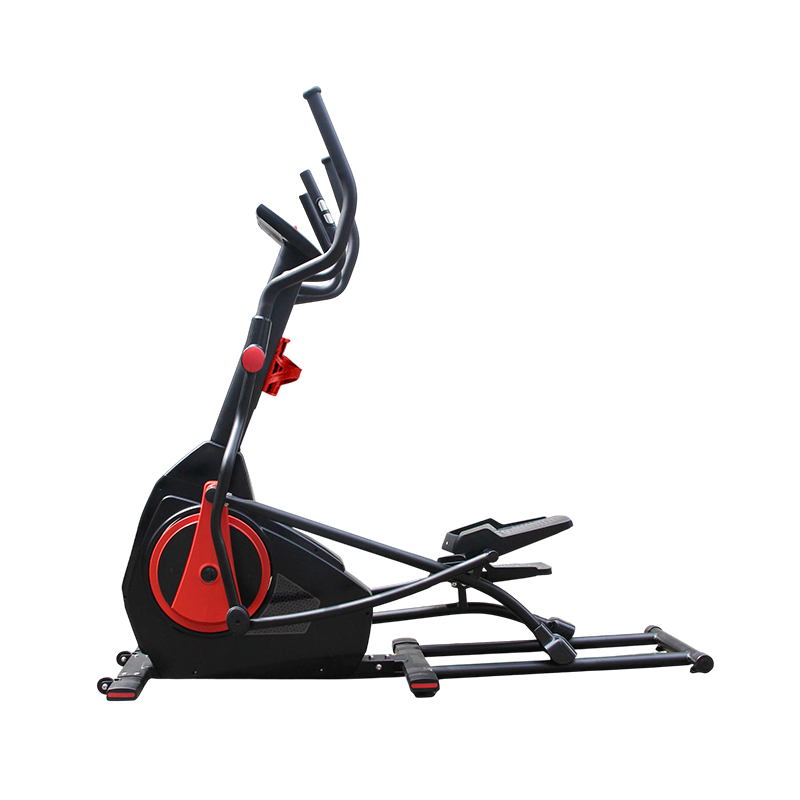
Front-drive ellipticals place the flywheel in front of the user, which typically creates a more upward pedal motion and a slightly more natural feel for taller users. Rear-drive machines have the flywheel behind the pedals, which shifts the pedaling arc toward a flatter, more stable path and makes the frame easier to step onto. For a home environment, rear-drive models are usually more space-efficient and quieter. Commercial facilities often prefer front-drive for heavier duty cycles.
Home ellipticals commonly ship with flywheels in the 4 to 9 kg range, while light-commercial and commercial models step up to 12 to 15 kg or more. A heavier flywheel creates smoother pedal motion, less momentum loss between strokes, and a steadier feel at high resistance. For weight loss training, smoothness matters because it lets you sustain a slightly higher cadence without feeling a jerking motion in the pedals.
Friction braking is cheap and simple, but pads wear out and resistance changes as the belt heats up. Magnetic resistance is quieter and more consistent. Electromagnetic resistance is the best for interval training because the load is controlled digitally, responds instantly, and can be programmed for target heart rate or wattage zones. Self-generating electromagnetic systems remove the need for a power outlet for resistance, which increases placement flexibility and reduces running cost. The EB5200T light-commercial model integrates electromagnetic control with a self-generating system, giving you commercial-grade brake response without extra power consumption, and is rated for small studios, hotel fitness rooms, and demanding home users.
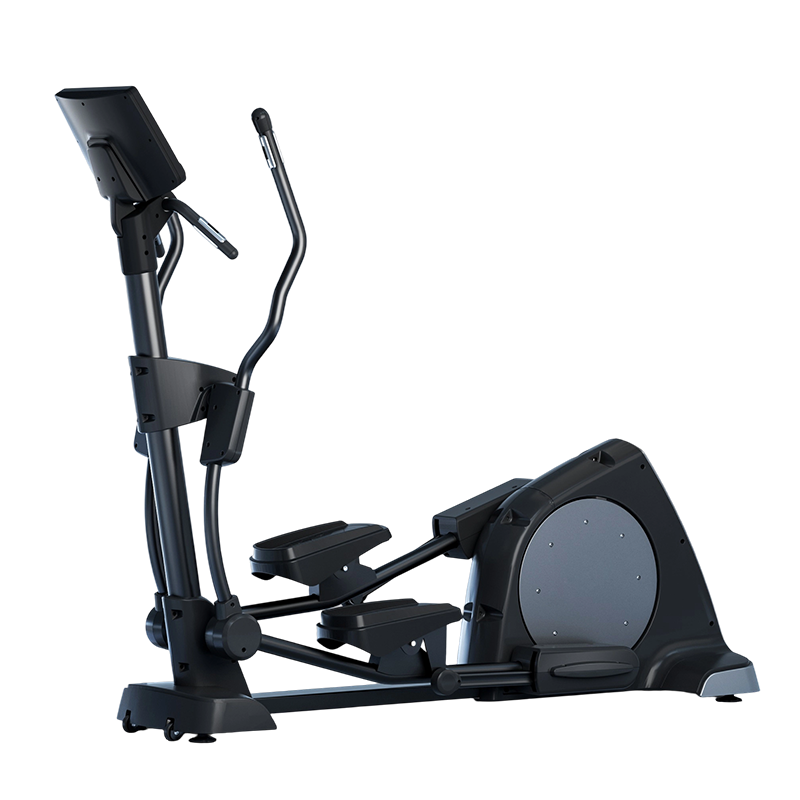 EB5200T Light-Commercial Self-Generating EllipticalThis light-commercial model merges electromagnetic control with a self-generating system for instant, precise resistance—critical for interval training. It offers multi-user profiles, adaptive resistance based on heart rate, and a foldable frame for flexible placement.View Product →
A console that displays heart rate, resistance level, cadence, time, distance, and calories is sufficient for evidence-based training. Programmed interval workouts can remove the guesswork, but avoid paying extra for complex apps you will not use. If you follow the three protocols described earlier, you only need a console where you can set resistance precisely and monitor your heart rate in real time. Budget for a chest-strap heart rate monitor as a separate purchase if the console supports wireless pairing.
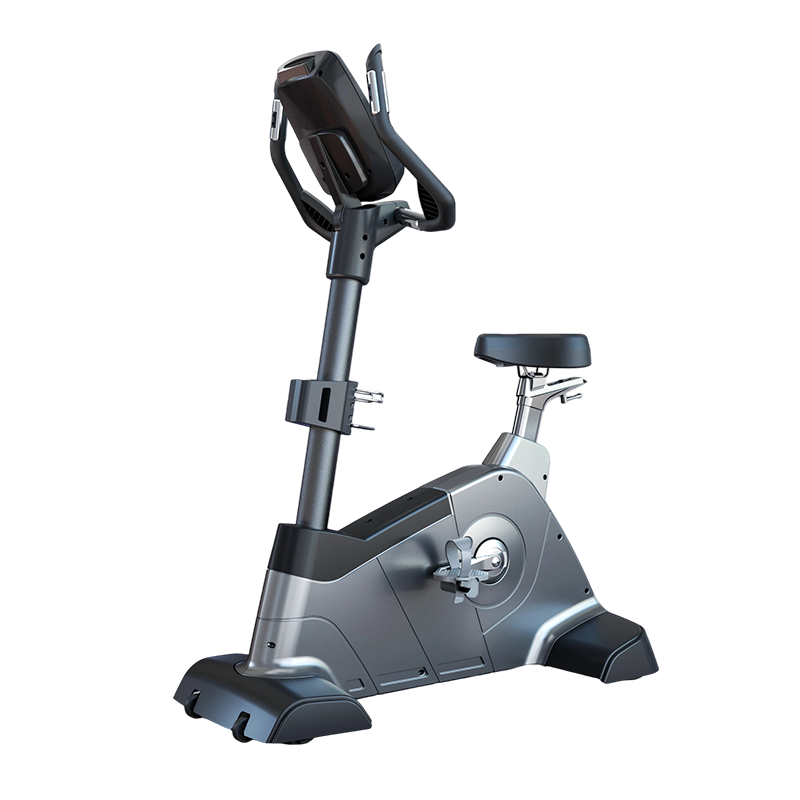
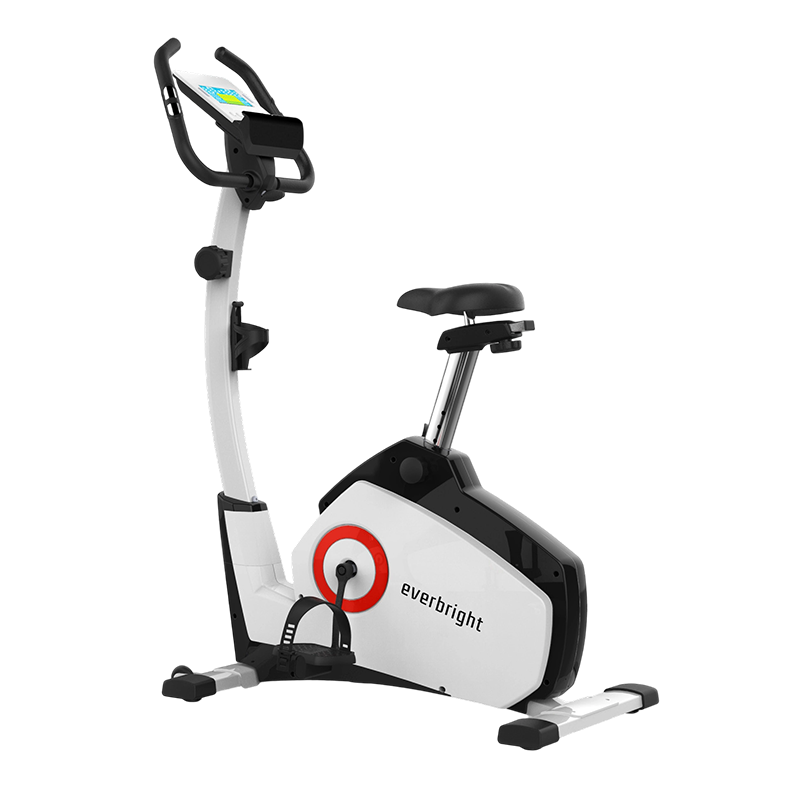
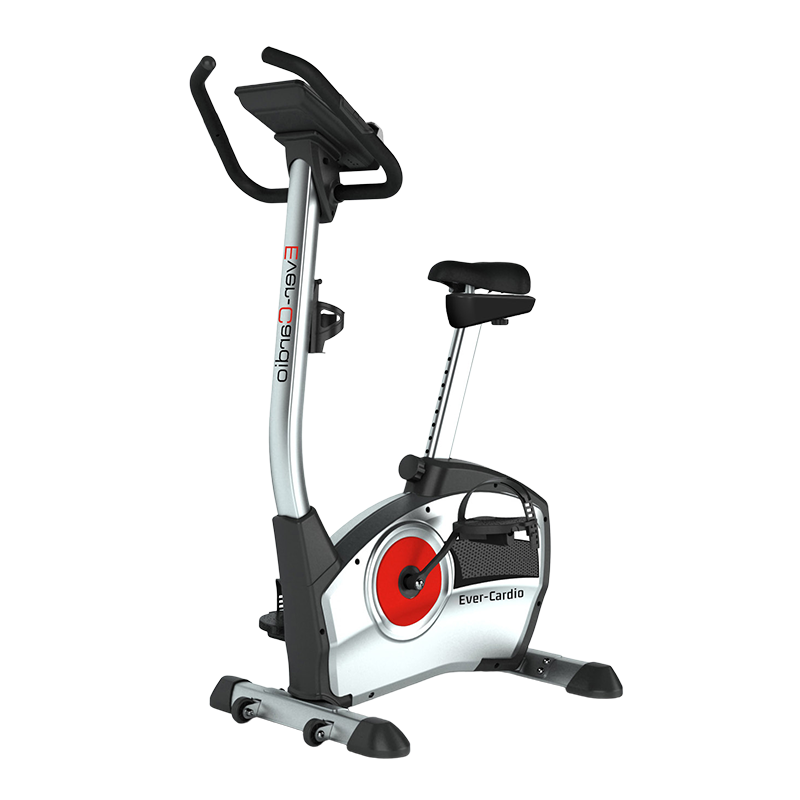
If you plan to vary your indoor cardio across multiple machines, you may also want to read our detailed upright exercise bike guide to understand how a second machine can complement elliptical sessions on recovery days and target the quadriceps from a different training angle.
Weight loss following a new elliptical routine follows a predictable timeline, but the scale and the mirror do not always move at the same speed.
Weeks 1 to 4: Most people see a rapid drop of 1 to 2 kg in the first week, but most of that is water. Muscle cells store glycogen with water attached to it, and new cardiovascular training depletes glycogen before the body shifts to a larger fat contribution. By week four, a 500 kcal daily deficit should produce roughly 0.5 to 1 kg of fat loss, reflected as a small change in how waistbands fit.
Weeks 4 to 8: The elliptical workouts become easier because your heart and muscles have adapted. This is the point where you must increase resistance or prolong interval sessions. If you do, the weekly fat loss of 0.5 to 0.75 kg continues. If you do not, results plateau. At this stage, many people notice improved recovery speed, higher energy in everyday activities, and a visible difference in thigh and glute tone.
Weeks 8 to 12: The change becomes obvious to other people. At a steady deficit of 500 calories per day, a cumulative loss of 4 to 6 kg is realistic over 12 weeks, with a visible reduction in waist circumference and improved definition in the legs and shoulders. Clinical weight loss programs following the ACSM exercise and nutrition guidelines report that combined diet and exercise interventions produce 5 to 10 percent weight loss from baseline over 16 to 26 weeks, which is the range most strongly linked to long-term metabolic health improvements.
Beyond 12 weeks: The body becomes more efficient at all forms of cardio, so a plateau is normal. To break it, re-examine the calorie deficit first, then add one additional interval day or replace one steady-state session with a resistance pyramid. Also measure waist circumference and resting heart rate every two weeks, because body composition changes continue even when the scale does not move. A 2 cm reduction in waistline with no scale change is evidence that you are losing fat and retaining or building muscle.
The target is not a daily duration, but a weekly total of 150 to 300 minutes of elliptical training at moderate to vigorous intensity. In practice, that means five sessions of 35 to 60 minutes per week. If your schedule only allows 30-minute sessions, increase the resistance and include intervals to keep the intensity high, because a 30-minute interval session can match the calorie burn of a 45-minute moderate session.
Yes, if the session is intense enough. A 70 kg adult performing a vigorous 30-minute elliptical workout burns about 294 to 360 calories. Over seven days, that is 2,058 to 2,520 calories, which corresponds to a fat loss of roughly 0.25 to 0.35 kg per week if food intake stays exactly the same. Adding a 300 to 500 kcal daily reduction in the diet makes the same workout produce 0.6 to 1 kg of weekly loss.
Elliptical training reduces total body fat, and belly fat responds to the same energy deficit as fat anywhere else. Spot reduction is not supported by exercise science; you cannot force the body to release fat specifically from the midsection. However, regular cardio at a calorie deficit consistently lowers visceral adipose tissue along with subcutaneous fat. A 12-week program of moderate aerobic exercise combined with a 500 kcal daily deficit has demonstrated meaningful reductions in waist circumference in diet-and-exercise intervention studies.
At the same perceived effort, studies report comparable calorie expenditure between the two machines. A treadmill running workout at 8 km/h burns roughly 300 to 370 calories per 30 minutes for a 70 kg person, while vigorous elliptical work burns 294 to 360. The elliptical does this with far less impact stress, meaning it is often the better choice for producing the same calorie burn on a daily basis without joint discomfort.
Use the moving handlebars if your goal is maximum calorie burn and full-body engagement. Involving the upper body raises total energy expenditure by 10 to 20 percent compared with holding the stationary handles. If you have a shoulder injury or a balance concern, the stationary handles are safer, but you must increase the resistance to compensate for the lower energy cost. Keep the grip light in both cases so you do not create tension in your neck and shoulders.
Three weeks is early in a fat loss program, and several normal factors hide progress. If you gained muscle in the glutes and legs from new resistance on the elliptical, lean tissue can offset fat loss on the scale. Water fluctuations from sodium, carbohydrate intake, and hormonal cycles can also mask a true fat loss of 1 to 2 kg. Track your waist circumference and the fit of a specific pair of trousers as the primary metrics. If the scale has not moved after eight weeks of consistent training and a measured calorie deficit, reduce daily intake by 200 calories or add one more interval session per week.
An elliptical machine is a genuinely effective weight loss tool when you maintain a calorie deficit and train at progressive intensity. A 70 kg adult can expect to burn 184 to 239 calories in 30 minutes at moderate effort, and 294 to 360 calories at vigorous effort, using MET values from the Compendium of Physical Activities. Five to six sessions per week produce a weekly energy deficit of 1,100 to 2,100 calories, which converts to predictable fat loss of 0.15 to 0.30 kg per week, and more when nutrition is tightened.
The machine has a decisive advantage over high-impact cardio: its near-zero joint loading allows overweight, older, and injury-recovering users to maintain training frequency, and a higher training frequency is the strongest statistical predictor of long-term weight loss success. To make the most of it, rotate the three workout protocols, increase resistance or interval intensity every two weeks, and measure waist circumference rather than relying on the scale alone.
If you are choosing a machine for regular home fat-loss training, prioritize an 18- to 20-inch stride, a flywheel of at least 8 kg, and a resistance system you can adjust precisely. Self-generating electromagnetic models deliver the smoothest load control and the lowest long-term operating cost. For more selection details and specifications across different price tiers, explore the complete machine range so you can compare front-drive, rear-drive, and self-generating options side by side.
Hot Products

Phone: +86-152 5836 5876
TEL: +86-574 6322 1199
Email: mandy@evbfit.com
Address: No. 518 Zhengtong Road, Kandun Street, Cixi, Ningbo, Zhejiang, China
Copyright © Zhejiang Everbright Industry, Inc. All Rights Reserved. Custom Exercise Bikes Manufacturers China Stationary Bikes Factory