Oct 19, 2026
Content
A 30-minute workout on a staircase climber machine places a 75 kg user through roughly 1,500 stepping cycles at a moderate cadence, and every cycle lifts the full body weight against gravity. That mechanical loading is why the device remains a staple in commercial gyms, apartment fitness rooms, and compact home setups. The problem is that “stair climber” describes at least three different machines, and choosing the wrong type usually means a unit that collects laundry instead of burning calories.
This guide starts with the conclusion: buy a rotating stepmill if you want an authentic stair-climbing pattern and long-term durability; choose a pedal stepper only when budget, space, or joint limitations force a smaller solution. The sections below compare the main climbing designs, list the purchase checks that determine longevity, and compare a staircase climber against ellipticals, upright bikes, and rowers so you can verify before you spend.
A staircase climber machine is a cardio and lower-body strength device in which the user steps repeatedly onto moving stair treads or pedals to simulate ascending stairs. Under that broad definition, the hardware splits into three mechanical families, and they train the body differently enough that the machine type matters more than the brand name.
| Machine Type | Movement Pattern | Upper-Body Involvement | Footprint | Best Fit |
|---|---|---|---|---|
| Revolving stepmill | Continuous revolving stair treads | Low; handrails optional | Large, about 1.0 m² | Commercial gyms, interval training |
| Independent pedal stepper | Short reciprocal push-down steps | None | Very small, below 0.4 m² | Home users wanting low-cost light exercise |
| Vertical climber | Diagonal climb with arm-leg coordination | High; arms push and pull | Compact, about 0.7 m² | Full-body trainers and rowing fans |
A revolving stepmill is the reference design for the keyword “staircase climber machine” because it reproduces the geometry of real stairs. Independent pedal steppers, by contrast, restrict the step height to the pump range of the hydraulic cylinders, so hip extension is limited. A vertical climber turns the body to a 70–75 degree incline and transforms the movement into a full-body climb that resembles ladder work rather than staircase walking.
The strongest case for a staircase climber machine is the ratio of workout time to caloric cost. Harvard Medical School’s exercise calorie chart lists 180–252 kcal burned in 30 minutes at moderate effort for adults weighing 57–84 kg, and 270–378 kcal at vigorous effort. That puts a stepmill in the same range as jogging while generating lower impact on the joints, because the foot lands on a moving tread instead of striking a fixed surface.
The main training outcomes that make climbers popular:
In practical terms, a 20-minute interval session on a stepmill produces a perceived exertion comparable to a longer treadmill jog, but with fewer repeated heel strikes. That is why climbers stay popular with ski conditioning coaches and athletes who want lower-body endurance without long recovery.
The price gap between a USD 150 mini stepper and a USD 5,000 commercial stepmill is large, but the five factors below decide whether a machine holds up beyond the first year. These checks apply to home buyers, apartment building managers, and light commercial operators equally.
For light commercial placement, avoid models with plastic step links designed for home-only use. Choose industry-grade steel or composite links and verify that the supplier can provide spare parts for at least five years.
A staircase climber machine is frequently compared with other cardio equipment because the available floor space usually fits only one or two machines. The table below summarizes the differences most relevant to a home buyer or a facility manager.
| Machine | Primary Muscle Loading | Impact Level | 30-Minute Calories | Floor Space | Typical Price Range |
|---|---|---|---|---|---|
| Staircase climber | Glutes, quads, calves, hamstrings | Low impact, high knee load | 180–378 kcal | About 1.0 m² | USD 150–6,000 |
| Elliptical | Legs, glutes, plus upper body with moving handles | Very low impact | 180–378 kcal | 1.5–2.0 m² | USD 300–5,000 |
| Upright bike | Quads, hip flexors; seated position | Minimal impact | 170–330 kcal | 0.6–1.0 m² | USD 200–3,000 |
| Rower | Full body: legs, back, arms | Low impact | 210–390 kcal | 1.8–2.4 m² | USD 250–3,500 |
The main takeaway: a staircase climber machine concentrates load on the legs with a vertical component; an elliptical spreads effort over a circular path; an upright bike keeps posture seated and offloads the knees; a rower recruits the upper body. If bilateral knee pain is the main limitation, an elliptical or bike is usually kinder to the patellofemoral joint than a stepmill.
Even a well-built staircase climber machine will feel wrong if the user carries the movement incorrectly. The common mistakes below compromise both results and hardware durability.
A staircase climber is an excellent training tool, but not for every knee, back, or budget. If the goal is to avoid patellofemoral discomfort or to serve multiple users with different injuries, the same installation slot can be filled by an elliptical or an upright bike with lower joint load. An elliptical reproduces the upright lower-body conditioning moment while the pedals follow an elliptical path; an upright bike adds a seated position that offloads the knees entirely; a rower adds back-strengthening work that no lower-body-only climber provides.
For home use, a compact elliptical with a manageable footprint is a realistic substitute when step height or joint comfort rules out a stepmill.
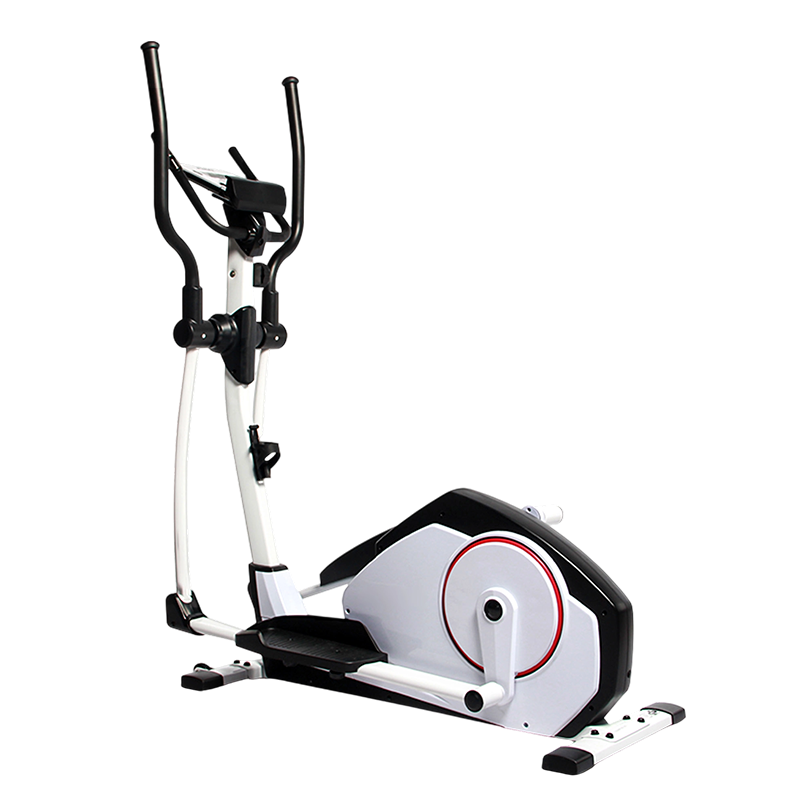 SE01 Home Use Elliptical Machine with 32 Resistance LevelsThis compact elliptical suits home spaces where a stepmill is impractical. It offers full-body training with adjustable motorized resistance, and its backlit display shows real-time data for easier workout tracking.View Product →
If seated cardio is preferable, a self-powered electromagnetic upright bike provides adjustable resistance without requiring heavy floor wiring.
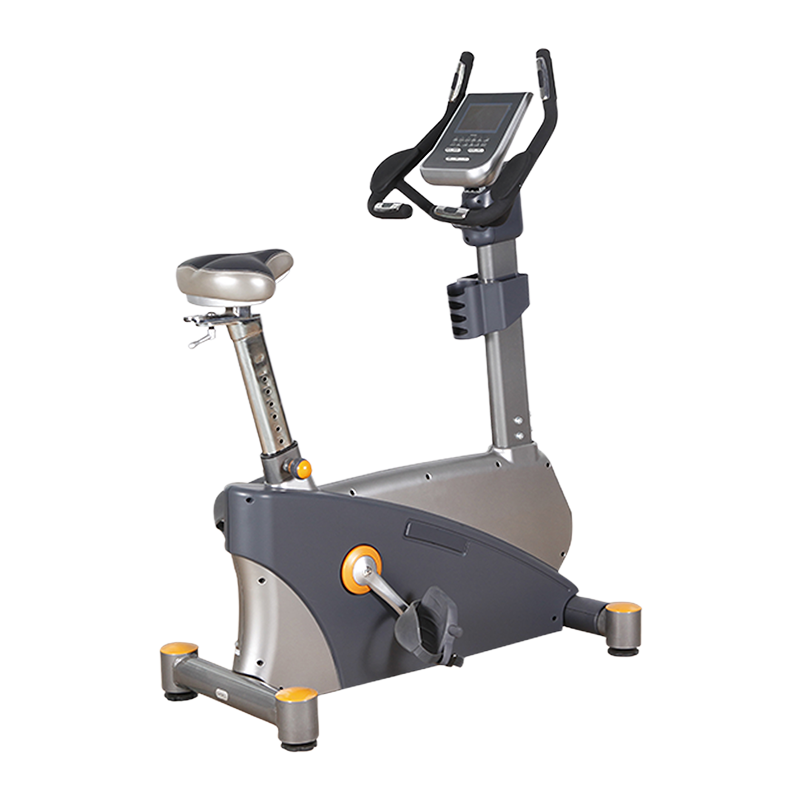 EB2000 Self-Powered Electromagnetic Upright Exercise BikeA seated cardio option that needs no floor wiring. It features 32 levels of precise resistance, multiple training modes, and heart rate monitoring, making it a flexible choice for controlled intensity workouts.View Product →
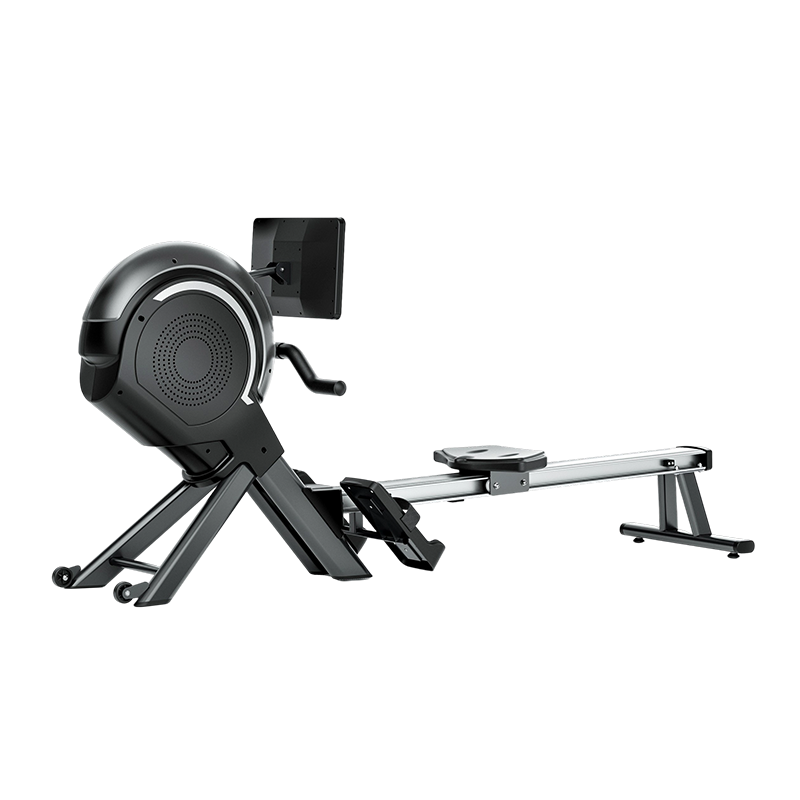
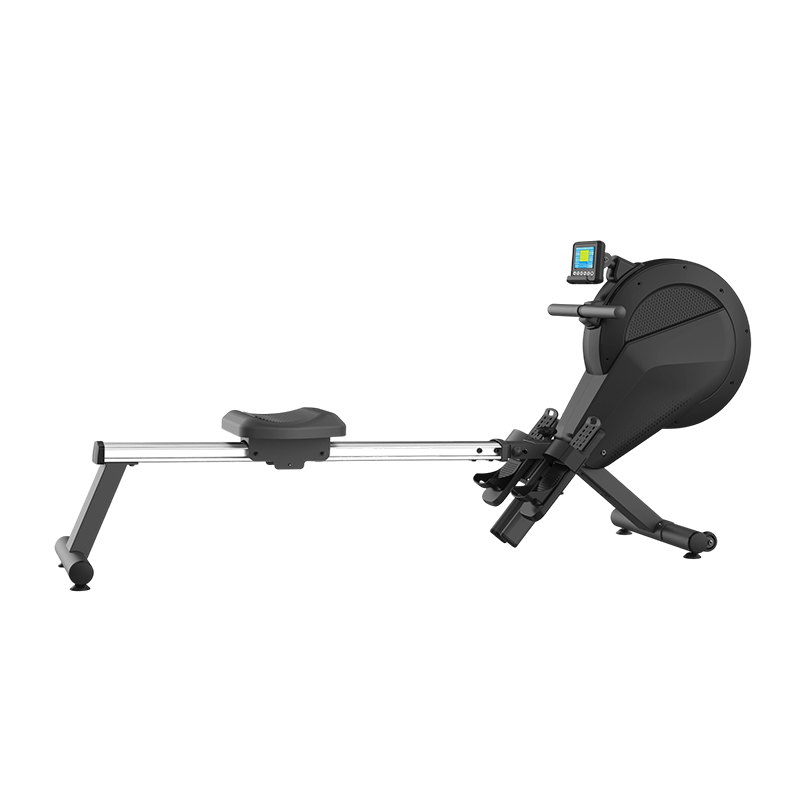
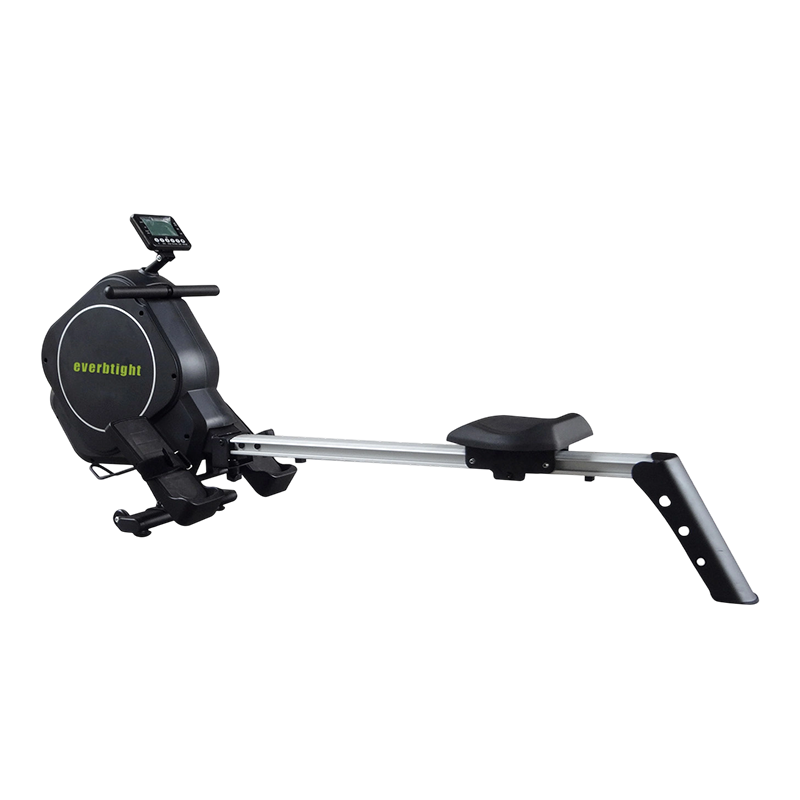
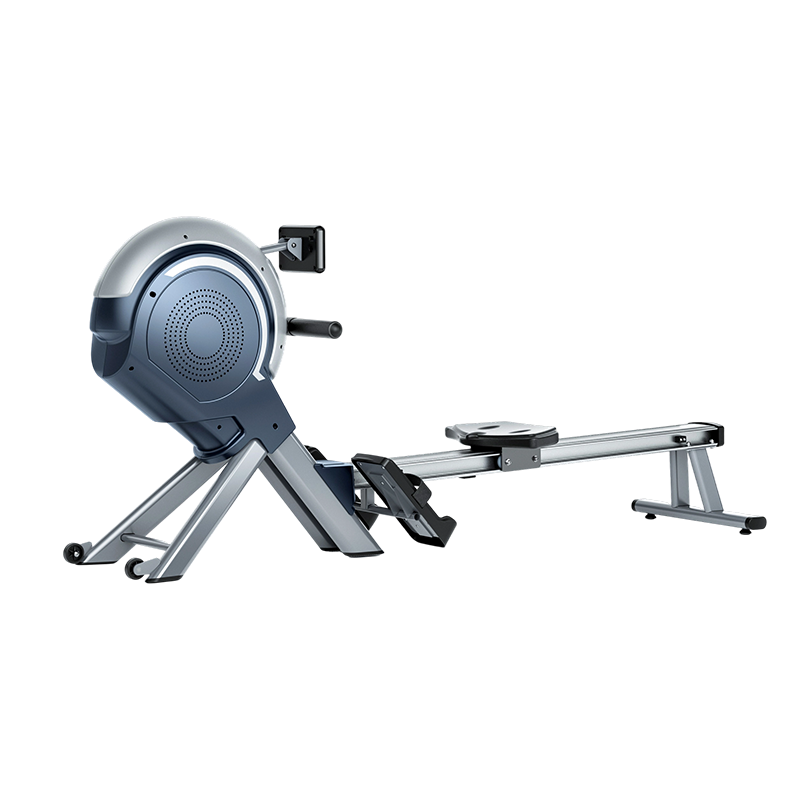
For users who want full-body involvement with a gentler learning curve than a vertical climber, a home rower is the closest equivalent.
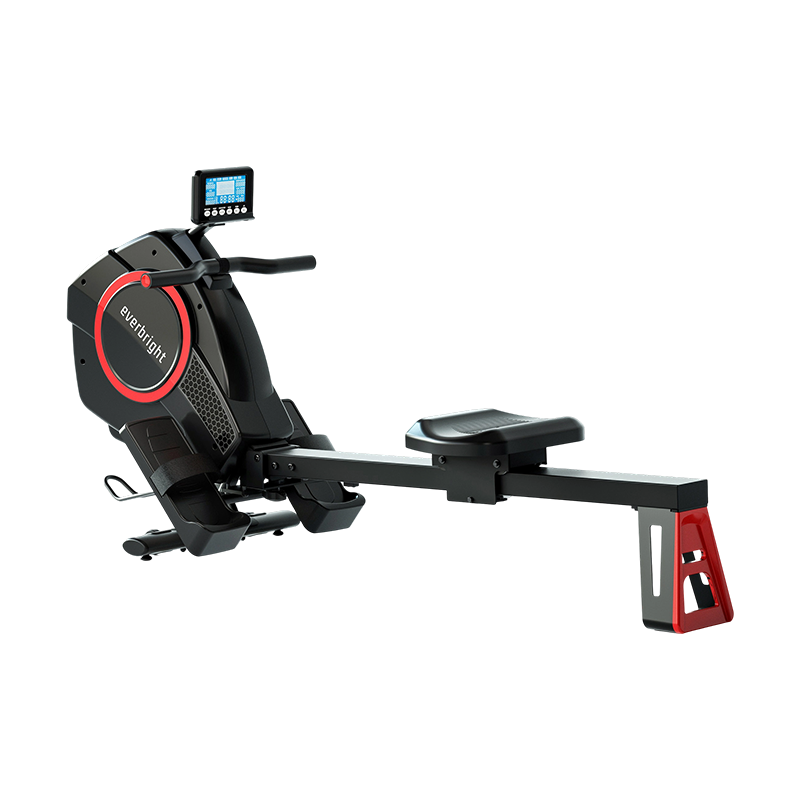 R80 Home Rowing Machine with Quiet Magnetic ResistancePositioned after the bike as a gentler full-body alternative to a vertical climber. It offers quiet operation, detailed performance metrics, and smart connectivity, useful for comparing across a manufacturer's cardio lineup.View Product →
Before purchasing, compare the complete lineup of cardio machines from the same manufacturer, because the frame quality, resistance system, and spare part availability often differ more between product categories than between individual models. The upright bike buying guide explains how frame geometry and drive systems affect long-term comfort, and the full product range overview shows where climbers fit relative to elliptical trainers, recumbent bikes, and rowers in a complete cardio room.
For lower-body strength and vertical loading, a stepmill generally produces higher muscle activation in the glutes and calves than a treadmill at the same perceived effort. A treadmill offers a wider speed range and a running-specific gait pattern. Choose based on joint tolerance: if heel strike is uncomfortable, the climber is gentler; if you need running economy, the treadmill is more specific.
According to Harvard Medical School’s calorie chart, a 57–84 kg adult burns 180–252 kcal at moderate effort and 270–378 kcal at vigorous effort in 30 minutes on a stair-step machine. Actual values depend on bodyweight, step speed, and how much support the user takes from the handrails.
Not automatically. The knee flexion angle during a step is smaller than in a deep squat, and the moving tread removes the impact of running. However, if you have patellofemoral pain, start with a lower step height, use the handrails only lightly, and stop if pain increases. An elliptical or upright bike remains a safer option for reactive knees.
Beginners should start with 10–15 minutes of continuous stepping at a slow cadence, then progress by adding 2–3 minutes per week up to 20–30 minutes. Because the machine is weight-bearing, the calves and shins feel the training load quickly; recovery time is rarely about the heart, but about the lower leg muscles.
The primary movers are the glutes, quadriceps, hamstrings, and calves. The core works to keep the torso upright, and the hip flexors assist the recovery phase of each step. Using the handrails lightly adds minor arm and shoulder engagement, but the movement is fundamentally lower-body driven.
Yes. The American College of Sports Medicine (ACSM) recommends at least 150 minutes per week of moderate-intensity cardiorespiratory exercise. Stair climbing qualifies as a weight-bearing aerobic activity, so it contributes directly to that weekly target while also providing bone-loading stimulus that seated machines cannot deliver.
1. Harvard Medical School, “Calories burned in 30 minutes for people of three different weights,” Harvard Health Publishing exercise calorie chart.
2. American College of Sports Medicine (ACSM), Guidelines for Exercise Testing and Prescription, 11th edition.
3. Zhejiang Everbright Industry, Inc., corporate and product documentation, everbright-fitness.com.

Phone: +86-152 5836 5876
TEL: +86-574 6322 1199
Email: mandy@evbfit.com
Address: No. 518 Zhengtong Road, Kandun Street, Cixi, Ningbo, Zhejiang, China
Copyright © Zhejiang Everbright Industry, Inc. All Rights Reserved. Custom Exercise Bikes Manufacturers China Stationary Bikes Factory