Oct 12, 2026
Content
You have about 10 square feet of spare floor space, a ceiling below 8 feet, and a budget under $4,000. If that description fits your home, the best "StairMaster for home" is not the full-size commercial stepmill you use at a gym. It is an independent-step stair stepper with a 15 to 30 lb flywheel, a step height between 8 and 12 inches, a maximum user weight capacity of 300 lb or higher, and a frame warranty of at least 10 years.
This guide explains why that combination is the right target, which specs actually separate a durable machine from a frustrating one, what hidden space and power constraints can ruin a purchase, and when you are better off choosing a different cardio machine. You will also find comparison tables, budget bands, maintenance steps, and a FAQ section so you can make a decision in one sitting rather than after weeks of scrolling through reviews.
StairMaster is a registered brand, but the word has become a generic label for any stair climbing machine, the same way "Xerox" is used for photocopiers. When you search for a StairMaster for home, search results actually cover four distinct product formats with very different footprints, prices, and workout mechanics.
Understanding these four formats is the first step, because the cheapest option and the most expensive option in the search results are not direct competitors.
| Format | Mechanism | Footprint (ft) | Typical Price | Best Home Use |
|---|---|---|---|---|
| Revolving stepmill | Rotating staircase | 4.2 x 7.1 | $2,500 - $6,500 | Gym-accurate sessions, large basements |
| Independent-step stepper | Two pedals, flywheel resistance | 2.5 x 4.6 | $800 - $3,500 | Most homes; quiet, compact, effective |
| Portable mini stepper | Small pedals, band resistance | 1.7 x 1.5 | $80 - $300 | Under-desk use, travel, light movement |
| Vertical climber | Alternating arm-and-leg climb | 2.5 x 3.0 | $200 - $3,000 | Full-body engagement, small footprint |
For a normal home, the independent-step stepper delivers the closest experience to a commercial stepmill at about one-quarter of the weight and one-third of the floor footprint. Mini steppers are genuinely useful only if your goal is light daily movement rather than cardiovascular conditioning. Revolving stepmills are best left to commercial facilities unless you have a dedicated training room with reinforced flooring. Vertical climbers are a different exercise than stair climbing: they load the hip joint differently and put more emphasis on the upper-body pull.
Brand names change quality and availability from one year to the next, so the more useful approach is a short list organized by your buying scenario. Match yourself to one of these five profiles, and the decision narrows immediately.
The common thread is this: more expensive does not automatically mean more appropriate. A $3,000 stepmill becomes a waste if it cannot fit through your door frame or requires a dedicated 220-volt outlet where you intended to place it.
Retail listings cite the same five specs over and over, but understanding what each one actually changes in your workout is what prevents a bad purchase. The table below summarizes the six numbers that matter, what they influence, and realistic home recommendations.
| Specification | What It Controls | Home Recommendation |
|---|---|---|
| Step height | Depth of muscle engagement; taller steps work glutes harder | 8 - 12 inches |
| Step width | Comfort for hips and knees; too wide causes hip strain, too narrow feels unstable | 12 - 18 inches |
| Flywheel weight | Smoothness of pedal motion; heavier flywheels reduce dead spots | 15 - 30 lb |
| Resistance type | Durability, noise, maintenance; friction pads wear faster than electromagnetic systems | Magnetic or electromagnetic preferred |
| Max user weight | Frame strength and stability; also a warranty discriminator | 300 lb or higher |
| Frame warranty | The strongest single signal of structural quality | 10 years or more |
Two additional numbers are worth checking even though they appear less frequently in marketing copy: the machine's shipping weight and its assembled height. Published product weights below 60 lb often indicate a lightweight frame that may flex during aggressive stepping. Assembled height matters because some stepmills exceed 7 feet, which is impractical in finished basements and many apartments.
The three most common reasons a home stair machine ends up unused or returned are not mechanical failures; they are spatial and electrical miscalculations. Measure first, then compare the machine.
If your intended spot is on a second floor, also account for the machine's weight plus your body weight. A 200 lb user plus a 250 lb stepmill is roughly 450 lb concentrated on four small leveling feet; older wooden floor joists may transfer that load poorly. A 70 lb home stepper avoids this concern entirely.
A stair climber's reputation is built on three measurable outcomes: calorie burn, lower-body muscle activation, and cardiovascular demand relative to impact on joints.
One frequently cited study from the American Council on Exercise found that stair climbing produced approximately 30 to 40 percent higher oxygen consumption than treadmill walking at comparable ratings of perceived exertion. The practical meaning is simple: a 20-minute stair session gives you a cardiovascular stimulus closer to a 30-minute brisk walking session, which is valuable when you have limited training time at home.
A stair climber is an excellent machine, but it is not the optimal machine for every home or every body. Four situations push buyers toward a different cardio format:
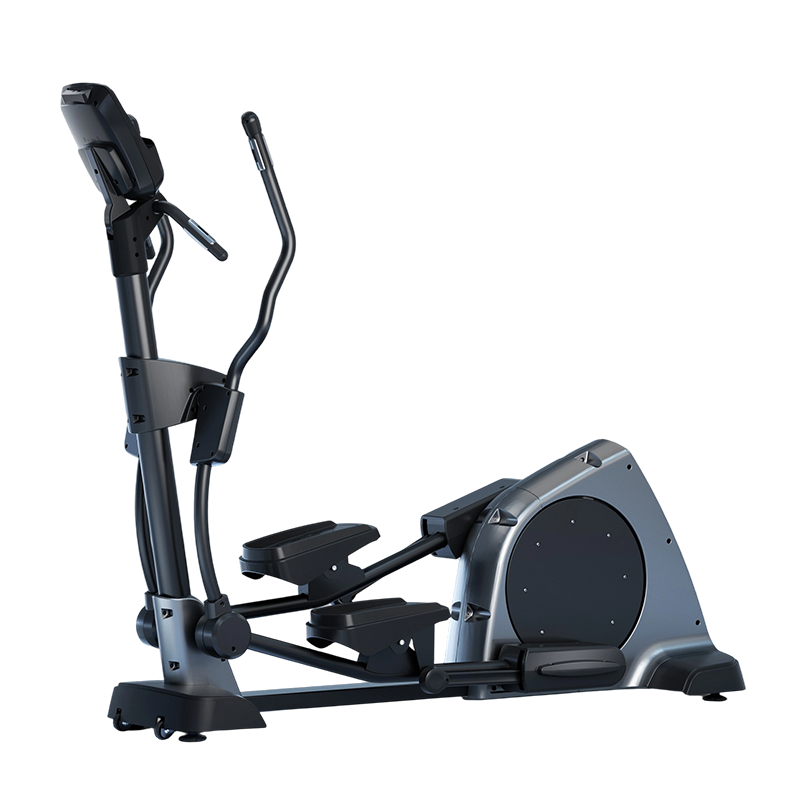
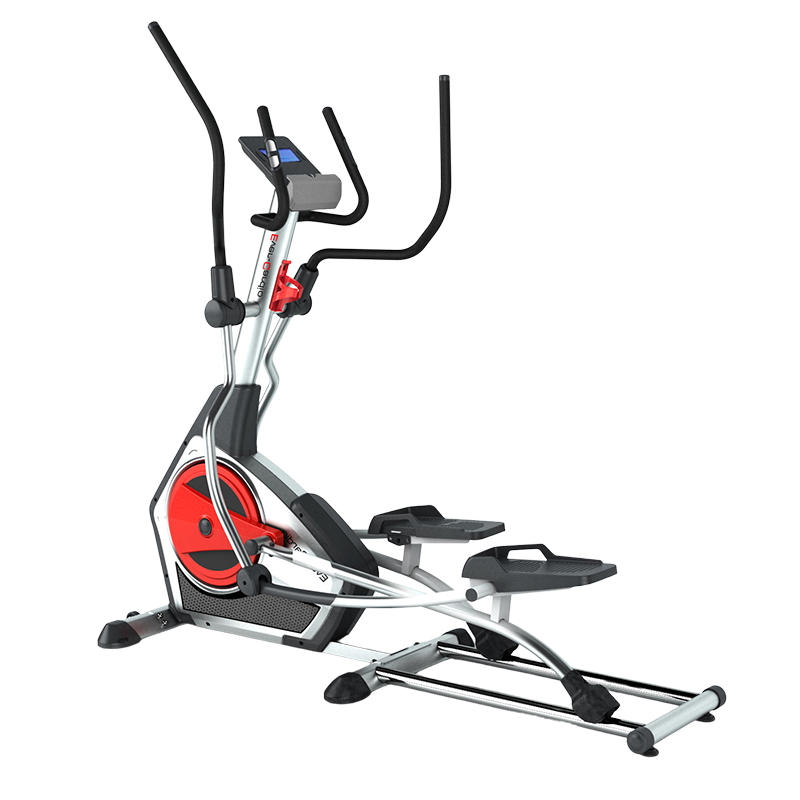
For those situations, the closest practical alternative is a home elliptical. It preserves the continuous lower-body motion and low-impact character of stair climbing while giving you a longer stride path and upper-body involvement.
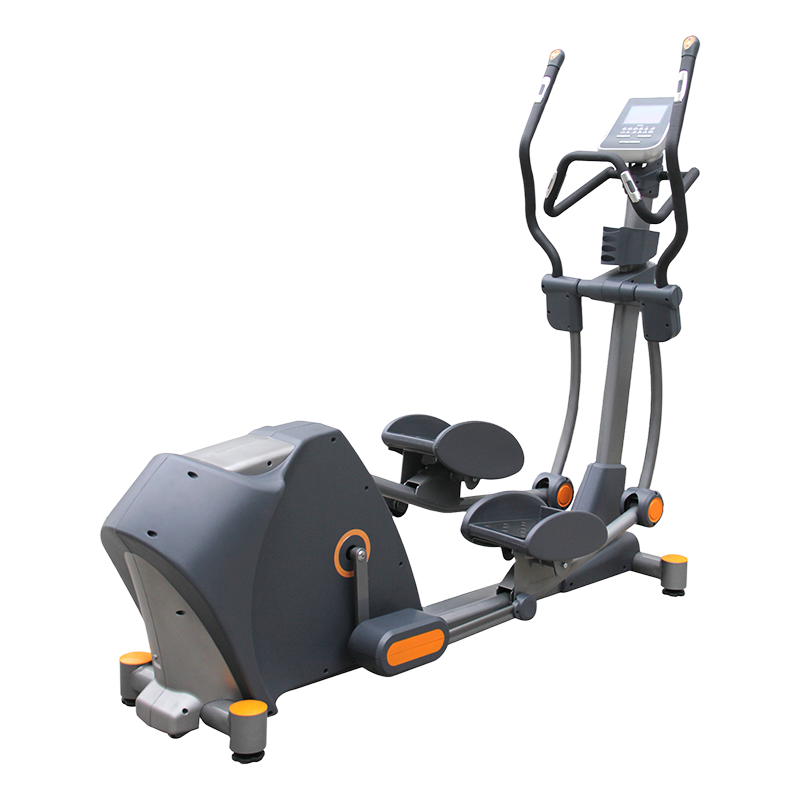 EB5000 Self-Generating Elliptical with 21-Inch TouchscreenThis machine pairs a 21-inch touchscreen with self-generating electromagnetic resistance, so it works where wall outlets are scarce. Its console and resistance run on pedaling power, suiting finished basements and apartments without nearby sockets.View Product →
If the screen-based training experience is what you are after, the EB5000 combines a 21-inch touchscreen with a self-generating electromagnetic resistance system. It eliminates the need for a wall outlet near the machine, because the pedaling motion itself generates the power for the console and resistance. That flexibility matters in finished basements and apartments where power sockets are scarce.
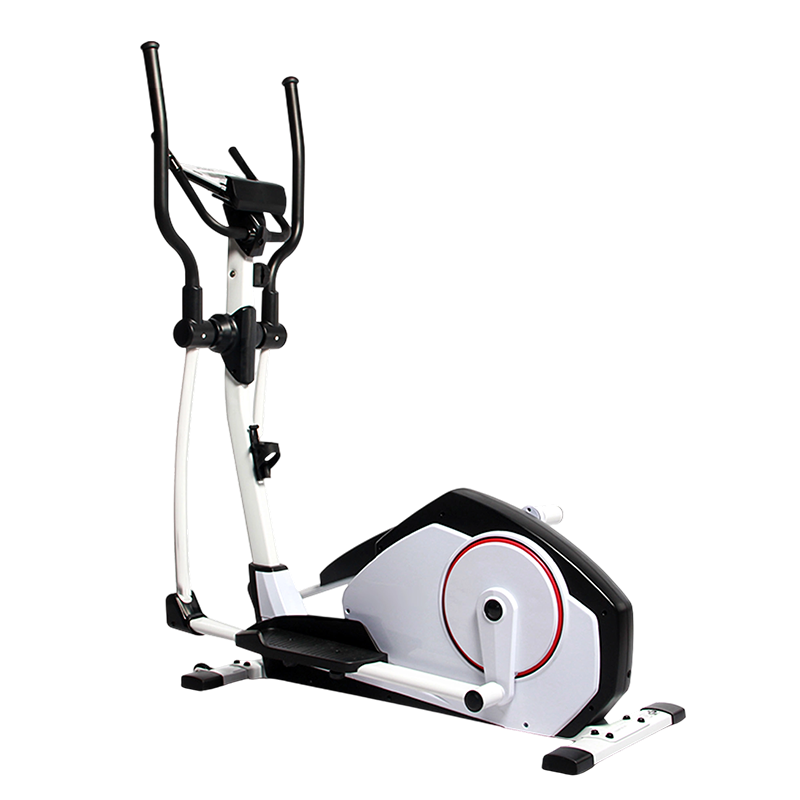 SE01 Compact Home Elliptical with Bluetooth TrackingDesigned for smaller rooms, this elliptical offers a stable frame and compact footprint while keeping smooth motion. It provides reliable cardio with basic data display and Bluetooth syncing, making it a practical choice for home users prioritizing function over entertainment.View Product →
For a smaller room, the SE01 home-use elliptical keeps a stable frame and a manageable footprint, which means you still get the smooth elliptical motion without the same space commitment as a stepmill. It is a straightforward choice when your priority is reliable cardio rather than entertainment features.
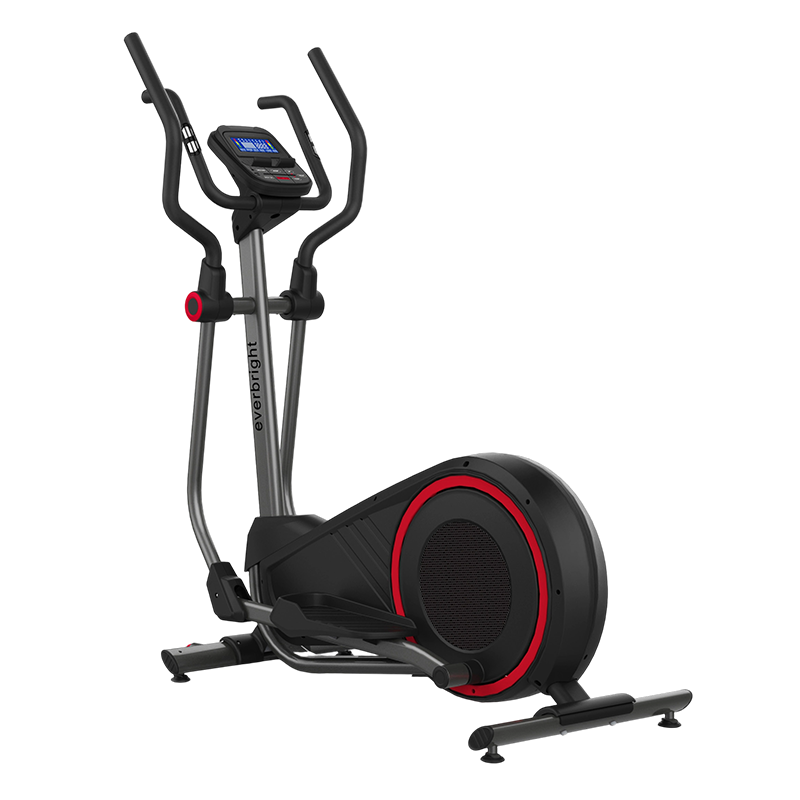 AE170 Rear-Drive Elliptical for Posterior-Chain FocusWith the flywheel at the rear, this elliptical shifts body weight during the stride to increase glute and hamstring engagement. Its simulated altitude and competition modes add challenge, appealing to those who want a deeper muscle feel closer to steep stepping.View Product →
And if the part of stair climbing you like most is the glute-and-hamstring drive, the AE170 rear-drive elliptical shifts the flywheel to the rear, which changes where your body weight sits during the stride. Riders consistently report a deeper posterior-chain engagement, closer to the muscle feel of a steep step.
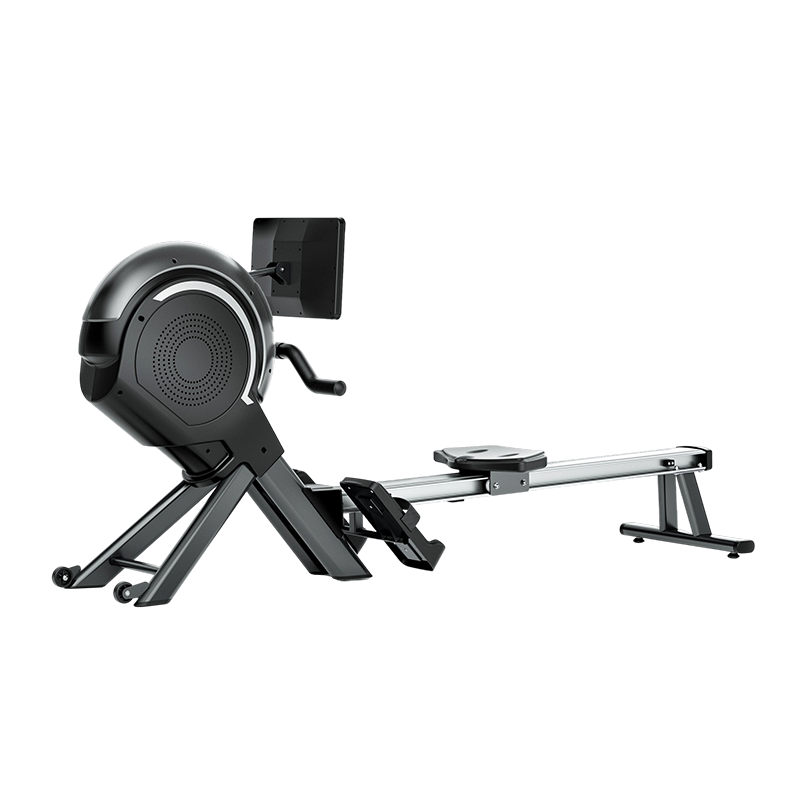
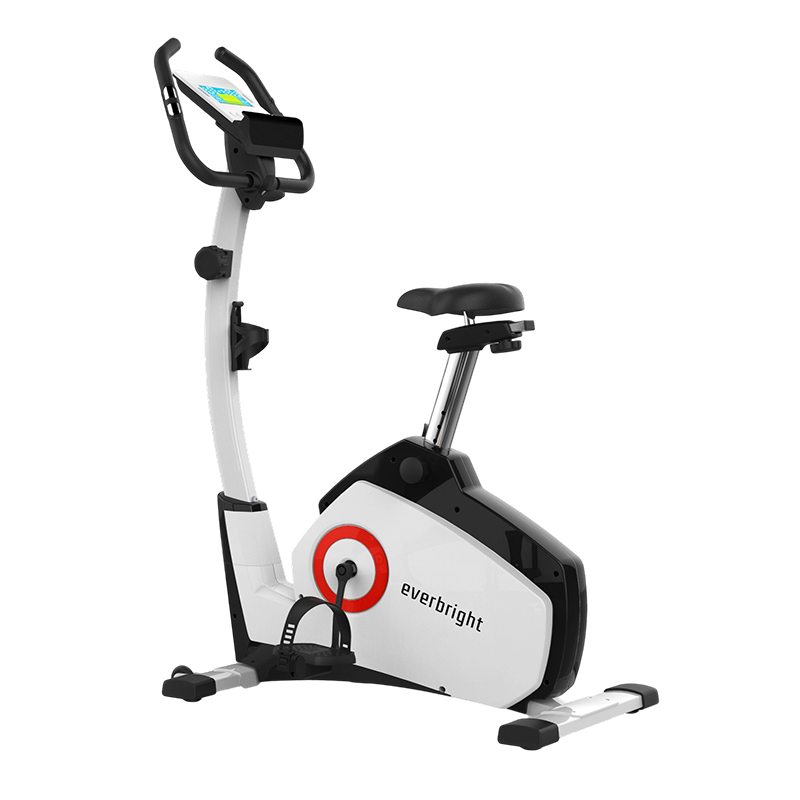
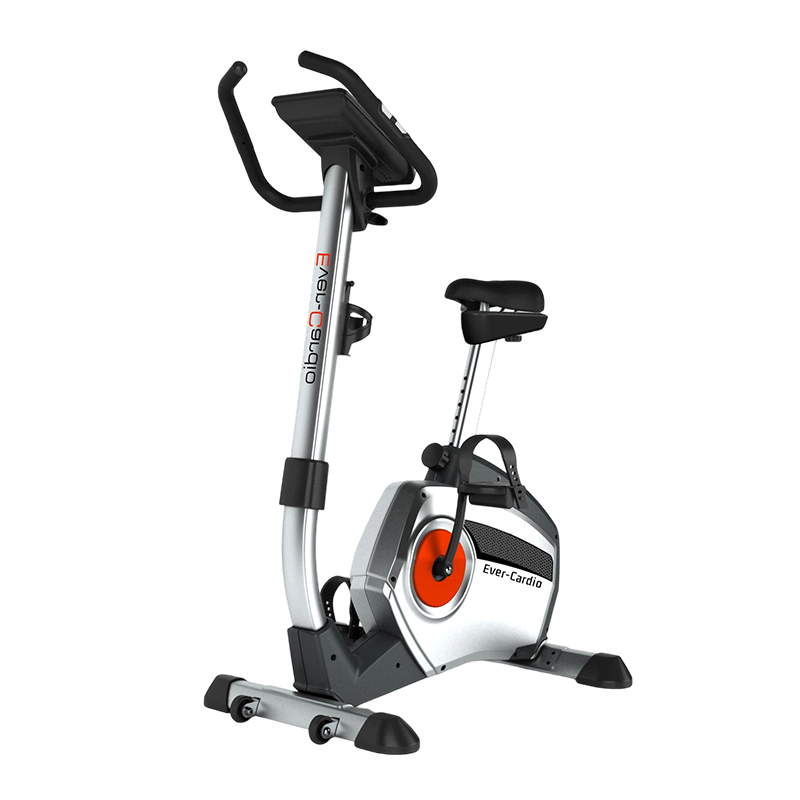
Other alternatives include rowing machines and upright exercise bikes. A rower engages the upper body far more than a stair climber and suits interval training, while an elliptical lineup like the one from manufacturers such as Zhejiang Everbright spans front-drive, rear-drive, and self-generating models depending on your preference. The broader industry shift toward smart, data-connected home cardio also means that your next machine, whether stepper or elliptical, will likely include app integration, real-time metrics, and adjustable resistance profiles that did not exist five years ago.
Home stair machine pricing spans almost two orders of magnitude, from an $80 mini stepper to a $6,000 stepmill. The budget bands below assume new equipment with a manufacturer warranty.
| Budget Band (USD) | What You Get | Expected Lifespan |
|---|---|---|
| Under $300 | Mini stepper with band resistance; basic step counter; limited stability | 1 - 2 years |
| $300 - $800 | Entry-level independent stepper; 6 - 8 inch step; 250 lb capacity | 3 - 5 years |
| $800 - $1,500 | Heavier flywheel, stronger frame, 300 lb capacity, better console | 5 - 8 years |
| $1,500 - $3,000 | High-end home stepper with electromagnetic resistance and 10-year frame warranty | 8 - 12 years |
| $3,000 - $6,000 | Home stepmill; true commercial feel; large footprint; dedicated circuit | 10+ years |
On the used market, expect 30 to 50 percent below the original retail price for units that are one to three years old. The two components to check before buying used are the drive belt (listen for clicking or slipping under load) and the rails (look for rust or scoring). A used stepmill from a commercial gym closure is a common deal, but transportation costs and setup can erase the discount, so factor in $150 to $400 for delivery and assembly.
A stair machine is a mechanical product and will behave like one. Three short maintenance routines cover 90 percent of what a home owner needs to do:
The most common, and most avoidable, failures are friction brake pads wearing out in resistance systems that use pad-based braking. Electromagnetic resistance systems do not suffer pad wear, which is another reason to prefer them if you plan to keep the machine for more than five years. Display consoles fail less often than people expect; the failure rate is higher from power-surge damage than from normal use, so plugging your machine into a surge-protected strip is a sensible precaution.
Yes, for buyers whose goal is lower-body endurance, glute development, or short high-intensity sessions. A stair climber is one of the most compact cardio machines per square foot of floor space. If your goal is full-body strength or upper-body endurance, a rower or an elliptical with moving handlebars will serve you better.
A 150 lb person burns approximately 300 to 400 calories in 30 minutes at a moderate pace near 80 steps per minute, and closer to 450 calories at a fast pace around 120 steps per minute. The exact number depends on body weight, stepping speed, and whether you lean heavily on the handrails.
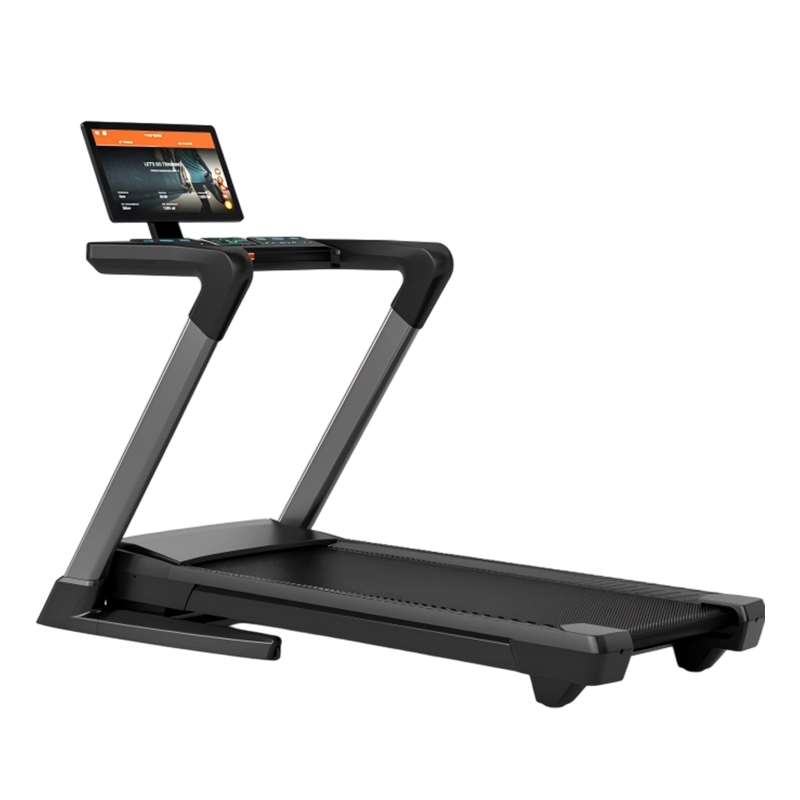
They are different tools. Stair climbing produces higher lower-body muscle activation per minute and roughly one-quarter of the impact force of running. Treadmills allow a wider range of speeds and gradients, accommodate walking recovery, and exercise different energy systems at lower intensity. Many households that have space and budget for only one machine choose a treadmill for versatility; households focused on glute strength and compact cardio choose a stair climber.
A stepmill is a revolving staircase that continuously moves beneath you. A stepper is a pair of independent pedals that move up and down against resistance. Steppers are smaller, quieter, cheaper, and easier to maintain, while stepmills reproduce the exact gym experience at the cost of much higher weight, footprint, and power requirements.
If you have no history of knee or low-back problems, 20 to 30 minutes of stair climbing daily is acceptable for most adults. The movement pattern is linear and repetitive, so alternating with a rowing machine or elliptical will reduce the risk of overuse strain and give you a broader conditioning outcome.
The machine itself typically occupies 30 by 55 inches, but you need at least 24 inches of clearance on every side, which brings the practical rectangle to roughly 54 by 79 inches. Ceiling clearance is your height plus 16 inches. A 6-foot-2-inch user needs about 7 feet 6 inches of ceiling height.
Hot Products

Phone: +86-152 5836 5876
TEL: +86-574 6322 1199
Email: mandy@evbfit.com
Address: No. 518 Zhengtong Road, Kandun Street, Cixi, Ningbo, Zhejiang, China
Copyright © Zhejiang Everbright Industry, Inc. All Rights Reserved. Custom Exercise Bikes Manufacturers China Stationary Bikes Factory