May 18, 2026
Content
If you are going for a light treadmill walk, eating beforehand is generally fine and often beneficial — especially if you exercise in the morning or plan to walk for more than 30 minutes. If your primary goal is fat burning, walking on an empty stomach (fasted cardio) may offer a modest edge. But for most people doing a casual treadmill walk, a small meal or snack 1 to 2 hours before exercise performs better than either extreme: starving yourself or eating a full meal right before stepping on the belt.
The debate around eating timing and exercise has been studied for decades. For high-intensity activities like sprinting or heavy lifting, pre-workout nutrition is almost universally recommended. For a treadmill walk — a low-to-moderate intensity activity — the answer is more nuanced, and personal goals, body weight, health status, and the time of day all play a role.
A treadmill walk at a moderate pace — typically 3 to 4 mph — is classified as low-intensity steady-state (LISS) cardio. At this level, your body draws on both fat stores and glycogen (carbohydrate fuel stored in muscles and the liver) for energy, but the proportion shifts depending on whether you have eaten recently.
After eating, blood glucose and insulin levels rise. Elevated insulin suppresses fat oxidation, meaning your body preferentially burns glucose for fuel. When you have not eaten for several hours, insulin levels drop, and your body shifts toward burning a higher percentage of fat for energy during the walk.
A 2016 study published in the British Journal of Nutrition found that fasted aerobic exercise burned 20% more fat than the same exercise performed in a fed state. However, the total calorie burn between the two groups was not significantly different over a 24-hour period — a critical distinction that matters for long-term weight management.
In short: fasted treadmill walking burns more fat during the session itself, but eating beforehand does not prevent fat loss overall if your total calorie intake remains the same.
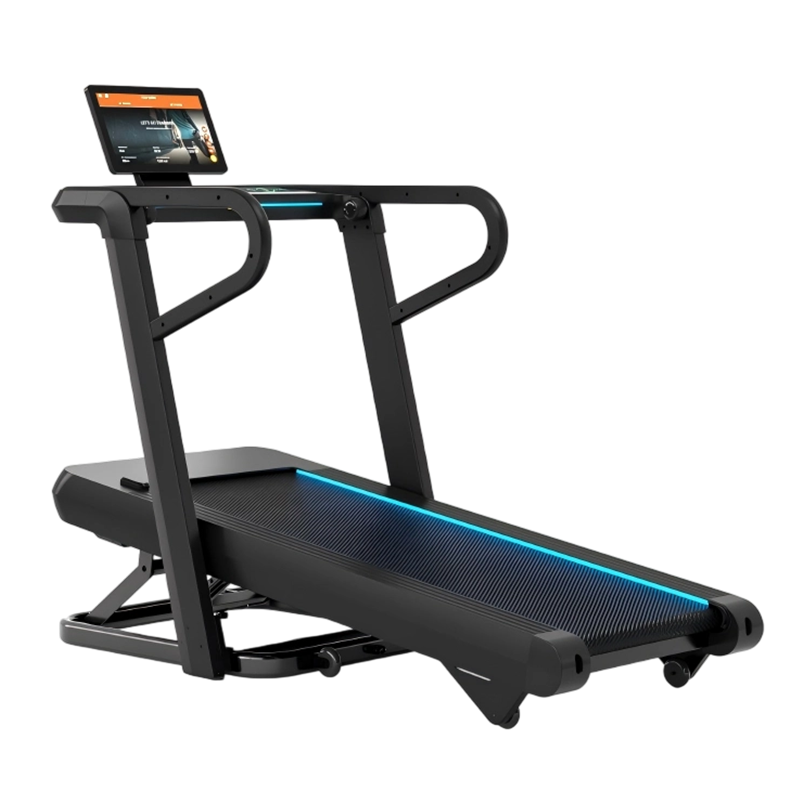
There are several solid reasons to eat before getting on the treadmill, particularly if your walk will last longer than 45 minutes or if you tend to feel lightheaded or fatigued when exercising on an empty stomach.
Even for a moderate treadmill walk, having fuel on board means you are less likely to fatigue prematurely. If you are aiming for an hour-long incline walk — a popular workout on modern treadmills — starting with some carbohydrate in your system helps maintain steady energy. Studies show that even light pre-exercise meals improve endurance and perceived effort, making the workout feel easier.
When glycogen stores are depleted — as they often are after an overnight fast — the body can begin breaking down muscle protein to generate glucose through a process called gluconeogenesis. For people focused on maintaining or building lean muscle, this is undesirable. Eating a small amount of protein and carbohydrates before a treadmill walk reduces the likelihood of muscle catabolism during exercise.
For individuals with type 2 diabetes or insulin resistance, exercising in a fully fasted state can lead to blood sugar instability. The American Diabetes Association recommends that people with diabetes eat a light carbohydrate-containing snack before moderate exercise if blood sugar is below 100 mg/dL. A treadmill walk after a balanced meal is often a clinically recommended strategy for improving post-meal glucose control.
After 7 to 9 hours of sleep, your body has already been in a fasted state. Heading to the treadmill without eating is technically fasted cardio, which is fine for short walks. But if you plan to walk for more than 30 to 40 minutes, a small snack like a banana, a slice of toast, or half a cup of oatmeal about 30 minutes before your session can prevent mid-workout energy crashes and dizziness.
Post-walk nutrition is arguably just as important as pre-walk nutrition, yet it receives far less attention. After finishing on the treadmill, your muscles are primed to absorb nutrients. This window — often called the "anabolic window" — lasts roughly 30 to 60 minutes post-exercise, though more recent research suggests this window may extend up to 2 hours for moderate exercise.
Even a treadmill walk depletes some glycogen. Eating a carbohydrate-rich meal or snack within an hour after your session helps replenish these stores so you have energy for the rest of the day and feel less fatigued. A bowl of rice, pasta, sweet potatoes, or fruit works well.
Walking on a treadmill — especially at an incline or at higher speeds — causes micro-tears in muscle fibers, which repair and adapt over time to become stronger. Consuming 20 to 40 grams of protein within two hours after exercise supports this repair process. Greek yogurt, eggs, a protein shake, or a chicken and vegetable stir-fry are all practical post-walk protein sources.
Walking on a treadmill, particularly at moderate intensity for 45 minutes or more, often increases appetite. If you skip a post-walk meal entirely, you risk overeating at your next meal. Research from Loughborough University found that people who skipped post-exercise eating ended up consuming significantly more calories at subsequent meals compared to those who ate a controlled recovery snack. Eating a balanced post-walk meal or snack actually helps regulate appetite and prevents compensatory overeating.
Fasted cardio on the treadmill has real adherents and some genuine scientific backing — but it is not for everyone. Here is a clear breakdown:
| Profile | Fasted Walk Suitable? | Reason |
|---|---|---|
| Healthy adult, short walk (under 30 min) | Yes | Glycogen stores are sufficient; no performance impact |
| Fat loss focused, morning routine | Yes (with caution) | May enhance fat oxidation; watch for dizziness |
| Diabetic or blood sugar issues | No | Risk of hypoglycemia; consult a doctor |
| Walk over 45–60 minutes | Not recommended | Increased muscle breakdown risk; energy may drop |
| Older adults (60+) | Not recommended | Muscle loss risk is higher; pre-walk protein advised |
| Pregnant women | No | Regular fuel intake is critical for fetal health |
Not all pre-walk foods are created equal. The goal is to give your body usable energy without causing digestive discomfort during exercise. Heavy, high-fat, or high-fiber meals slow gastric emptying and can lead to cramping or bloating while walking — especially on a treadmill where your core is engaged.
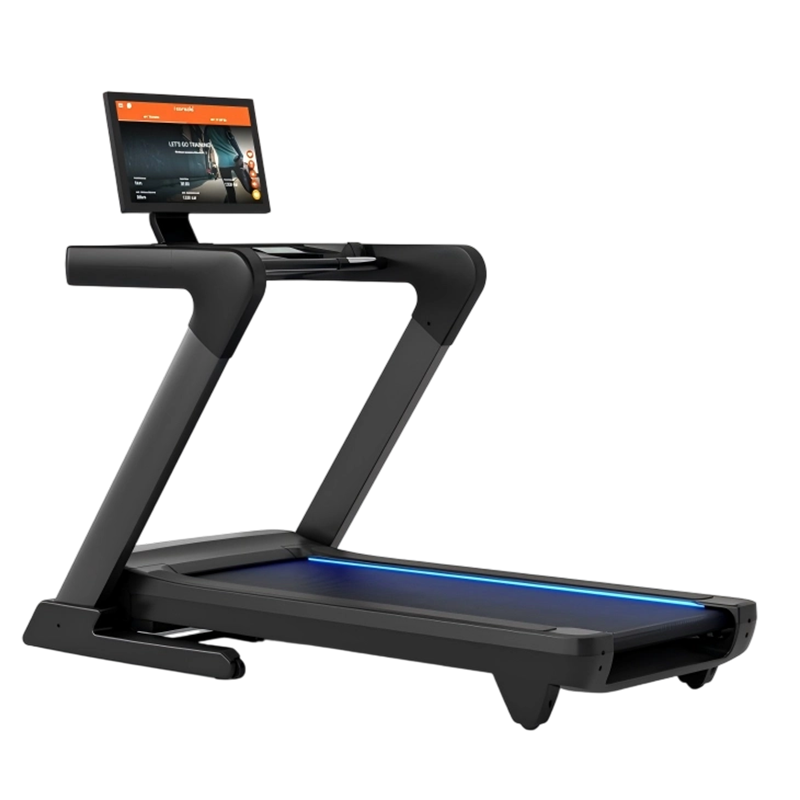
If fat loss is your main reason for using the treadmill, meal timing becomes more strategic. The goal is to maximize calorie expenditure while minimizing muscle loss and controlling total daily intake.
One effective strategy is to do a treadmill walk after a high-protein breakfast. This approach gives your body amino acids for muscle protection while still maintaining a moderate calorie deficit. Research shows that people who consumed a high-protein breakfast before moderate cardio burned more calories over a 24-hour period compared to those who skipped breakfast entirely.
Another popular strategy is the post-dinner treadmill walk. Walking on a treadmill for 20 to 30 minutes after your evening meal has been shown to significantly reduce post-meal blood glucose spikes. A 2022 study in Sports Medicine found that a short bout of post-dinner walking lowered post-meal glucose by up to 30% compared to sitting. This makes the treadmill an excellent tool for metabolic health, not just calorie burning.
The key principle for weight loss is caloric deficit — not the specific timing of your meal relative to the walk. However, strategic timing can improve energy, reduce hunger, and make your treadmill sessions more sustainable over the long term.
Whether you eat before or after your treadmill walk, hydration is non-negotiable. Dehydration of just 1 to 2% of body weight has been shown to impair physical performance, increase perceived exertion, and reduce focus — all of which affect your treadmill workout quality regardless of what you ate.
Drink 400 to 600 ml of water in the 1 to 2 hours before your walk. During a treadmill walk, aim for around 150 to 250 ml every 15 to 20 minutes, especially if you are walking at an incline or in a warm environment. After your session, replenish with at least 500 ml of water, and more if you sweated heavily.
Caffeinated beverages like black coffee or green tea before a treadmill walk can enhance fat oxidation and improve endurance — a 2021 meta-analysis in the Journal of the International Society of Sports Nutrition found that caffeine consumed 60 minutes pre-exercise improved aerobic performance by an average of 3 to 7%. Just ensure you are not relying on caffeine in place of proper hydration or food.
Because everyone's routine is different, here is a scenario-based breakdown to help you decide:
If your walk is 20 to 30 minutes and low intensity, you can safely walk fasted. Have water or black coffee before starting. Eat a balanced breakfast — ideally with protein and complex carbs — within 30 minutes of finishing. If your walk is 45 minutes or longer, have a small snack first: a banana or a slice of toast with nut butter is sufficient.
You have likely already eaten one or two meals, so a large pre-walk snack is usually unnecessary. Wait at least 1.5 hours after your last full meal before stepping onto the treadmill. If more than 3 hours have passed since eating, consider a light snack 30 minutes before. After your walk, a balanced lunch or dinner with lean protein, whole grains, and vegetables covers your recovery needs.
Walking on the treadmill 30 to 90 minutes after dinner is excellent for digestion and blood sugar regulation. You do not need to eat again before this walk — your dinner is your fuel. After the walk, hydrate and avoid heavy eating. If you feel genuinely hungry, a small protein-rich snack like cottage cheese or a boiled egg is perfectly fine and may actually support overnight muscle recovery.
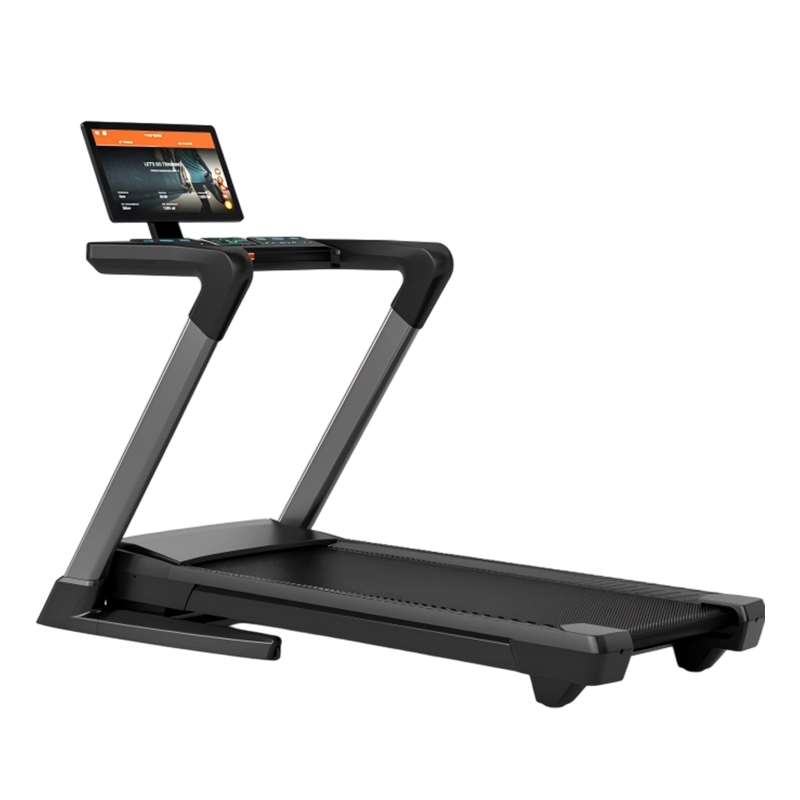
A light, slow treadmill walk immediately after eating is fine — this is actually beneficial for managing blood sugar after meals. However, if your treadmill session involves inclines, speed intervals, or sustained effort, wait at least 30 to 60 minutes after a snack, or 1.5 to 2 hours after a full meal to avoid digestive discomfort and cramping.
In the short term, fasted treadmill walking burns a higher percentage of fat during the session. However, total daily calorie balance is the primary driver of weight loss. If fasted walking causes you to overeat later in the day, it will not produce better fat loss results. For sustainable weight management, eating in a way that supports consistent energy, workout quality, and appetite control matters more than the specific timing of your walk.
Focus on a meal that includes lean protein (chicken, fish, tofu, eggs, legumes), complex carbohydrates (brown rice, sweet potato, oats), and plenty of vegetables. Aim for roughly 400 to 600 calories depending on the length and intensity of your treadmill session. Avoid high-sugar or ultra-processed foods post-workout, as they can blunt fat burning and spike insulin unnecessarily.
After a large meal — say, a three-course dinner or a substantial lunch — wait at least 2 hours before a brisk treadmill walk. A slow stroll at 2 to 2.5 mph can begin sooner (30 to 45 minutes post-meal), but anything more vigorous benefits from a longer gap to allow digestion to progress and reduce the risk of side stitches, reflux, or cramping.
Yes, a protein shake 30 to 45 minutes before a treadmill walk is a good option, especially for older adults or anyone concerned about muscle preservation. Choose a shake with around 20 to 25 grams of protein and add some carbohydrates — a banana or a handful of oats blended in — to give yourself both immediate energy and muscle-protective amino acids during the session.
Hot Products

Phone: +86-152 5836 5876
TEL: +86-574 6322 1199
Email: mandy@evbfit.com
Address: No. 518 Zhengtong Road, Kandun Street, Cixi, Ningbo, Zhejiang, China
Copyright © Zhejiang Everbright Industry, Inc. All Rights Reserved. Custom Exercise Bikes Manufacturers China Stationary Bikes Factory