May 25, 2026
Content
The short answer: a 155-pound (70 kg) person burns roughly 300–400 calories in 30 minutes of moderate treadmill running at 6 mph. At a brisk walking pace of 3.5 mph, the same person burns approximately 149 calories in 30 minutes. These numbers shift significantly based on your body weight, the speed you select, the incline you set, and how efficiently your body moves — all factors that a treadmill calorie calculator attempts to account for.
The display on the treadmill console itself is notoriously unreliable. Studies from institutions including the University of California, San Francisco, have found that cardiovascular machines can overestimate calorie burn by 19% to 36% depending on the machine and the settings used. Treadmills tend to be slightly more accurate than stationary bikes or ellipticals, but they still pull from population averages that may have nothing to do with your personal physiology.
Understanding how a treadmill calorie calculator works — and where its limits lie — helps you use those estimates strategically rather than treating them as absolute truth. Whether you are trying to lose weight, fuel a long training block, or simply satisfy curiosity, getting closer to your real number matters.
Most treadmill calorie calculators — whether built into the machine or available online — rely on a concept called MET, or Metabolic Equivalent of Task. A MET value represents how many times more energy an activity demands compared to sitting still. Sitting quietly is defined as 1 MET. Brisk walking at 3.5 mph carries a MET of approximately 4.3. Running at 6 mph jumps to roughly 9.8 MET. Sprinting at 8.5 mph reaches around 14.5 MET.
The standard formula using MET values is:
Calories burned = MET × body weight in kilograms × duration in hours
So a 70 kg person running at 6 mph (MET ≈ 9.8) for 30 minutes would calculate: 9.8 × 70 × 0.5 = 343 calories. This is where most basic treadmill calculators stop. More advanced tools also factor in age, resting heart rate, and fitness level, because these variables affect how many calories your body expends for the same mechanical output.
A refinement used by researchers involves the Compendium of Physical Activities, a database first developed by Barbara Ainsworth and colleagues, which catalogues MET values for hundreds of activities including walking at specific grades, running at specific speeds, and even walking on a treadmill versus overground. Overground walking and treadmill walking are not identical metabolically — treadmill walking tends to require slightly less energy because the belt assists the foot's push-off phase.
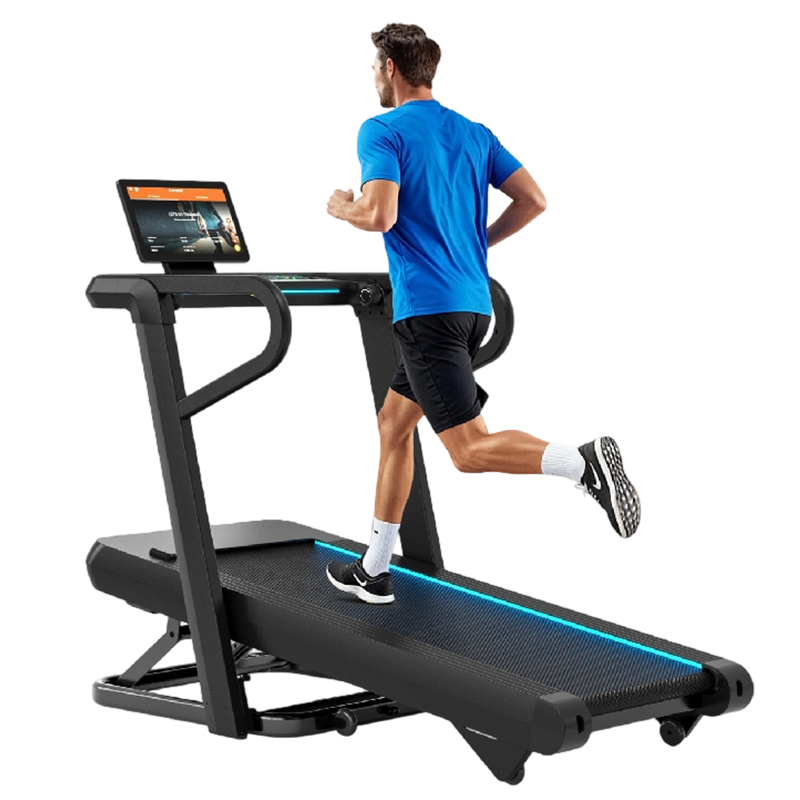
No two people burn the same number of calories running side by side on identical treadmill settings. Several factors create this individual variation, and understanding them allows you to build a much more accurate picture of your own energy expenditure.
Body weight is the single most powerful variable in the equation. Heavier individuals must move more mass with every step, which requires more energy. A 200-pound (91 kg) person running at 5.5 mph for 45 minutes burns roughly 560 calories, while a 130-pound (59 kg) person doing the same workout burns approximately 364 calories — a difference of nearly 200 calories for an identical session. Beyond total weight, body composition matters: muscle tissue has a higher metabolic rate than fat tissue, so two people with the same weight but different lean mass percentages will have different caloric expenditures at rest and during exercise.
Speed has a nonlinear relationship with calorie burn. Going from a walk to a jog does not just linearly increase calories — the shift from walking to running mechanics creates a disproportionate rise in energy cost. Research published in the Journal of Sports Sciences has shown that running at 8 mph burns roughly twice as many calories per mile as walking at 3 mph, even though the speed is less than three times higher. This means running is more efficient from a time perspective but not from a per-distance perspective when comparing it directly to walking at moderate speeds.
Incline walking on a treadmill is one of the most effective and underrated calorie-burning strategies. Raising the grade from 0% to just 5% increases caloric expenditure by approximately 30–50% at the same walking speed. At a 10% incline, a 155-pound person walking at 3.5 mph burns close to 354 calories in 30 minutes — more than double the flat-surface figure of 149 calories. Many serious endurance athletes and physical therapists recommend incline treadmill walking precisely because it dramatically elevates heart rate and calorie burn without the impact stress of running.
As people age, resting metabolic rate tends to decline, and cardiovascular efficiency often changes. More importantly, highly trained athletes burn fewer calories performing the same effort as untrained individuals because their bodies are more mechanically efficient — their running form wastes less energy. This means that a competitive runner at 7 mph is burning fewer calories per mile than a recreational jogger at the same speed, all else being equal. Some research suggests that trained runners can be up to 10% more economical than beginners.
Biological sex affects caloric expenditure, primarily because of average differences in body mass, lean muscle percentage, and hormonal profiles. Males tend to have higher absolute caloric burn per session due to greater muscle mass, while females often have slightly higher body fat percentages relative to total mass. When treadmill calorie calculators include sex as a variable, they generally capture these average differences, though individual variation remains substantial.
The table below provides estimated calorie burns for different combinations of speed, body weight, and session duration on a flat treadmill (0% incline). These figures use MET values from the Compendium of Physical Activities and should be treated as close approximations rather than precise measurements.
| Speed | Activity Type | 130 lb (59 kg) — 30 min | 155 lb (70 kg) — 30 min | 185 lb (84 kg) — 30 min |
|---|---|---|---|---|
| 2.5 mph | Slow walk | 118 | 140 | 168 |
| 3.5 mph | Brisk walk | 125 | 149 | 178 |
| 4.5 mph | Fast walk / light jog | 186 | 222 | 265 |
| 6.0 mph | Moderate run | 288 | 343 | 410 |
| 7.5 mph | Fast run | 375 | 446 | 533 |
| 8.5 mph | Sprint / race pace | 453 | 539 | 644 |
Treadmill incline is one of the most powerful levers available for increasing caloric output without adding running speed or extending session duration. The muscles recruited when walking or running uphill — particularly the glutes, hamstrings, and calves — require substantially more energy than those used during flat locomotion. Even a modest incline of 3% can meaningfully shift your calorie count upward.
| Incline (%) | Walking 3.5 mph — 155 lb, 30 min | Running 6 mph — 155 lb, 30 min |
|---|---|---|
| 0% | 149 | 343 |
| 3% | 195 | 385 |
| 5% | 236 | 415 |
| 8% | 295 | 460 |
| 10% | 354 | 490 |
| 15% | 442 | 560 |
The practical implication is significant. If you regularly walk on a treadmill for weight management but have been doing so at 0% incline, simply bumping the grade to 8–10% while keeping your speed the same can nearly double your calorie burn per session. This is why the "12-3-30" protocol — walking at 12% incline, 3 mph, for 30 minutes — became popular on social media: at that combination, a 155-pound person burns approximately 400 or more calories, comparable to jogging for the same period.
A commonly overlooked counterpoint: holding on to the treadmill's handrails significantly reduces caloric expenditure. Research has shown that gripping the handrails while walking at high inclines reduces the effective calorie burn by 20–25%, largely eliminating the advantage of the incline. Letting go and using natural arm swing preserves the metabolic benefit.
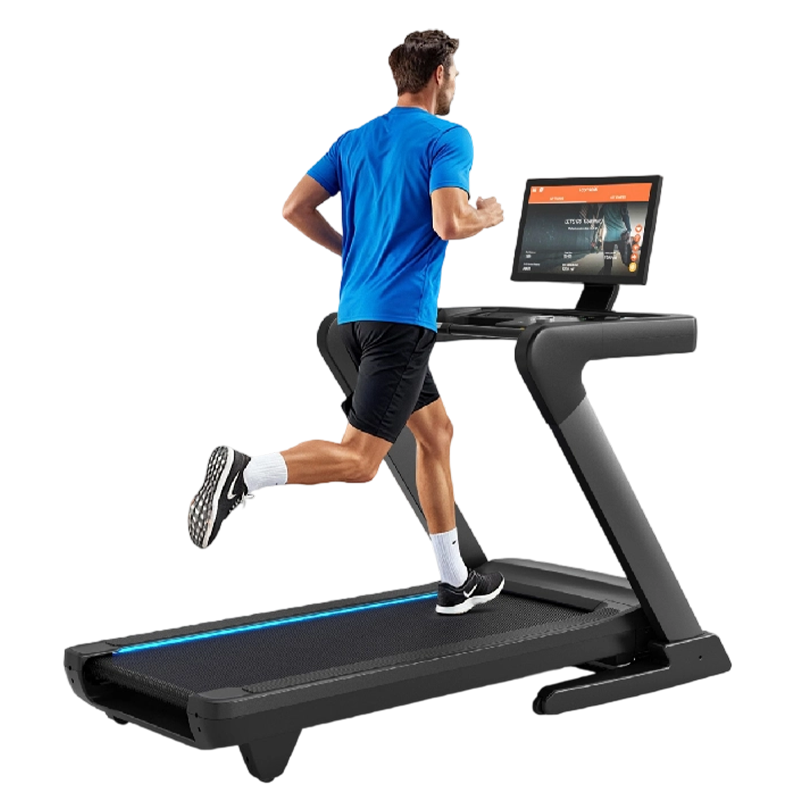
One of the most debated questions in treadmill fitness is whether high-intensity interval training (HIIT) or steady-state cardio produces greater calorie burn. The answer depends on the timeframe you consider.
During the workout itself, steady-state running at a moderate pace burns calories at a predictable, continuous rate. A 45-minute treadmill run at 6.5 mph for a 170-pound person might burn around 540 calories. A 25-minute HIIT treadmill session alternating between 9 mph sprints and 3.5 mph recovery walks might burn only 330–350 calories during those 25 minutes — fewer absolute calories in the workout window.
However, HIIT produces a significant Excess Post-Exercise Oxygen Consumption (EPOC) effect — often called the "afterburn." After intense intervals, your body continues to burn elevated calories for hours while recovering. Some studies estimate the EPOC from a vigorous HIIT session can add 6–15% additional caloric burn over the subsequent 12–24 hours. For a session that burned 340 calories during exercise, that could mean an additional 20–50 calories afterward — meaningful but not enormous.
The practical takeaway: for people with more time, steady-state treadmill running accumulates more total calories burned. For people with limited time, a 20–30 minute HIIT treadmill session approaches the caloric output of a much longer moderate session when EPOC is factored in. Most fitness professionals recommend combining both approaches across the week for optimal results.
The treadmill console's calorie counter is optimized for motivational impact, not precision. Most machines use a formula that considers only speed, duration, and optionally a user-entered weight. They do not account for:
The result is that treadmill consoles typically overestimate calories by 15–25% for most users. If the screen says you burned 450 calories, a more accurate estimate might be 340–380. Over weeks and months, acting on inflated calorie data can significantly undermine weight loss goals — people eat back calories they didn't actually burn.
Treadmills that integrate with heart rate monitors — particularly chest strap monitors rather than handlebar grip sensors — produce more accurate estimates because heart rate reflects actual cardiovascular strain in real time. A chest strap paired with a quality treadmill or fitness watch typically reduces error to roughly 7–10%, compared to 20–35% for speed-only calculations.
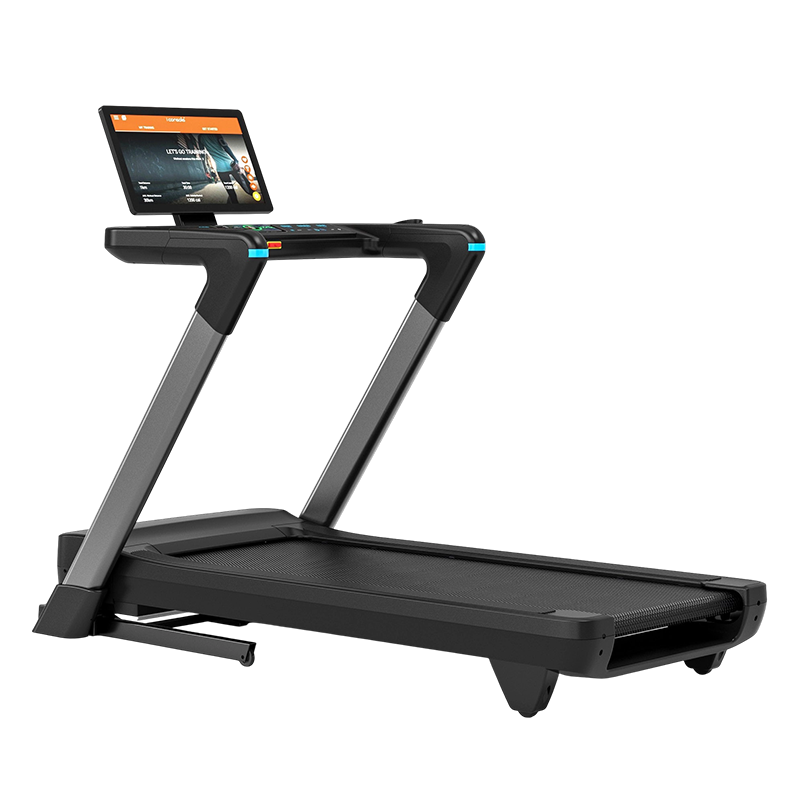
Getting more reliable estimates from a treadmill calorie calculator comes down to inputting better data and choosing more sophisticated tools. Here are the most practical steps:
This is the single highest-impact input. Body weight drives caloric expenditure more than any other variable that a basic calculator accepts. If the treadmill offers a weight input, use it every session. If you use an online treadmill calorie calculator, enter your current weight rather than a goal weight or an approximation. A 30-pound difference in entered weight translates to roughly 80–120 calorie difference per 45-minute session.
Several validated formulas estimate calorie burn from heart rate, age, sex, and weight. One commonly cited formula for men (from Keytel et al.) is:
Calories = (−55.0969 + 0.6309 × HR + 0.1988 × weight in kg + 0.2017 × age) ÷ 4.184 × time in minutes
A corresponding formula exists for women. Wearable fitness trackers like Garmin, Polar, and Apple Watch use variations of heart rate-based calorie estimation, which is why they tend to be more accurate than a basic treadmill display — though still not perfect, particularly for people with atypical cardiovascular responses.
If you are regularly running or walking at an incline, use a calculator that explicitly includes grade as an input. Many basic treadmill calorie calculators online assume flat running. A 5% incline can mean the difference between 260 calories and 370 calories for the same 30-minute walk — a 42% increase that will not appear in a flat-surface estimate.
If you use the treadmill console display and want a rough correction, subtract 15–20% from whatever it shows. This is not scientifically precise for your individual situation, but it compensates for the systematic overestimation most machines are prone to. If the display shows 500 calories, estimate your actual burn at 400–425 calories.
Even if the absolute calorie figure from a treadmill calculator is off, it remains consistent across sessions — meaning if you run the same route at the same pace and the calculator says 350 calories each time, the trend is reliable. You can track whether your sessions are getting easier at the same speed (suggesting improved fitness), compare the caloric cost of different workouts, and plan training volume accordingly, all without needing laboratory-precise measurements.
People who cross-train or choose between cardio machines often want to know how treadmill calorie burn stacks up against other options. The comparison reveals some counterintuitive results.
| Equipment | Effort Level | 155 lb Person, 30 min | Accuracy of Console Estimate |
|---|---|---|---|
| Treadmill (running, 6 mph) | Moderate–vigorous | ~343 | Overestimates by ~15–20% |
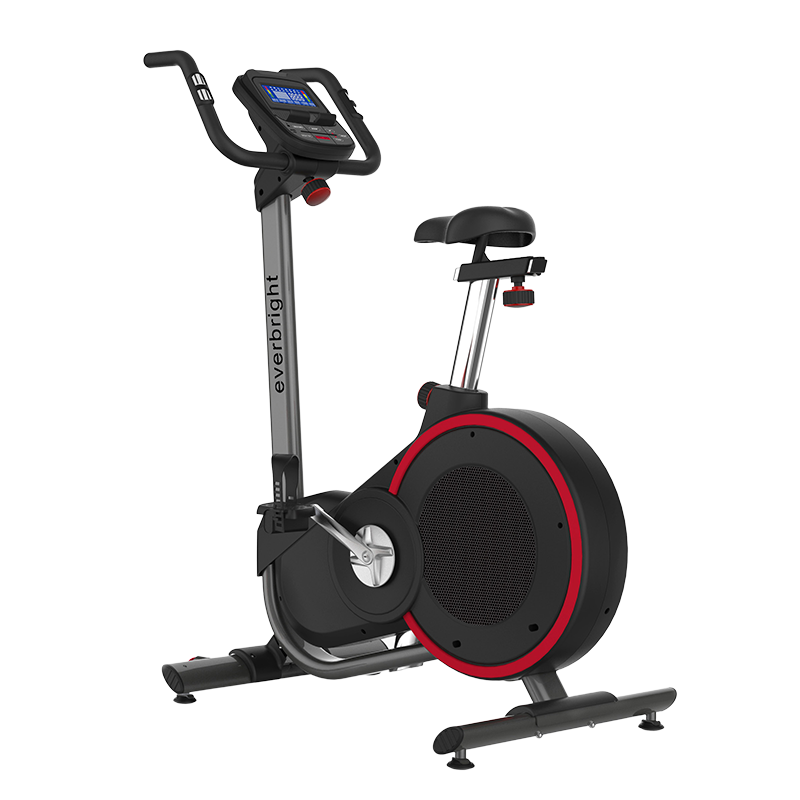
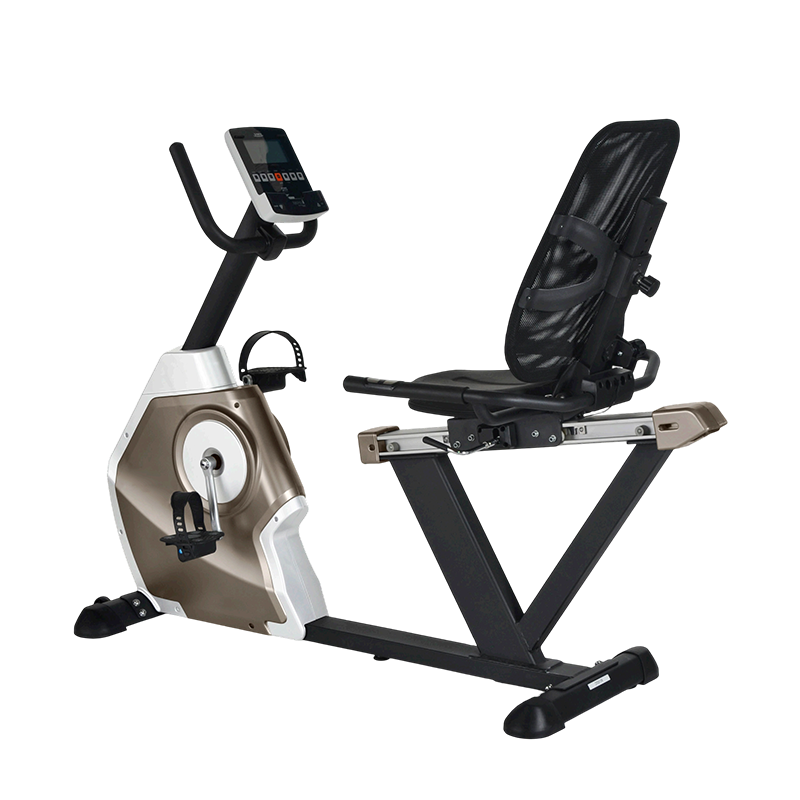
| Stationary bike (vigorous) | Vigorous | ~315 | Overestimates by ~30–35% |
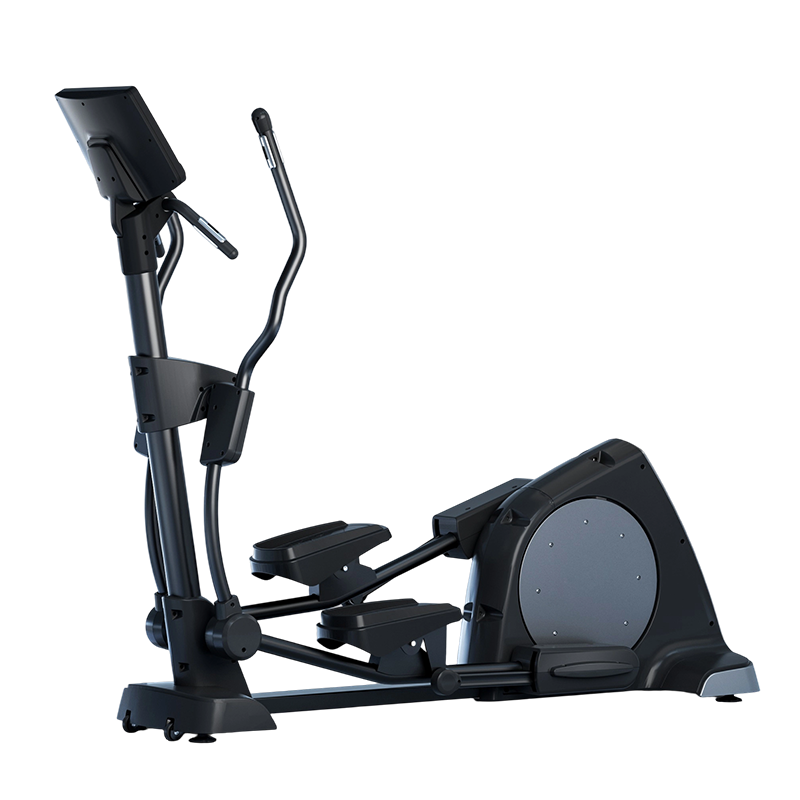
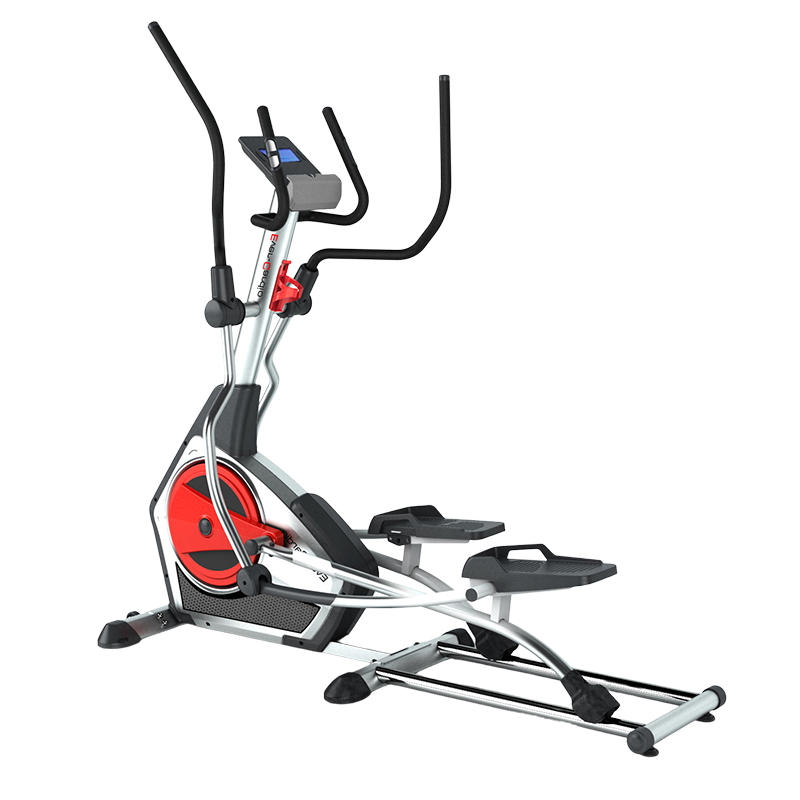
| Elliptical (moderate) | Moderate | ~270 | Overestimates by ~30–42% |
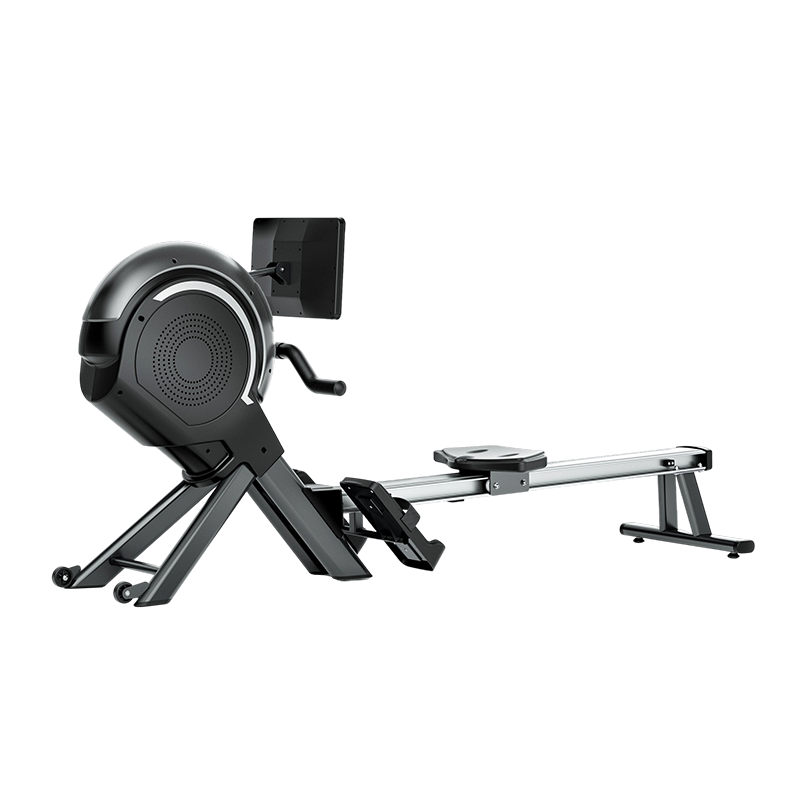
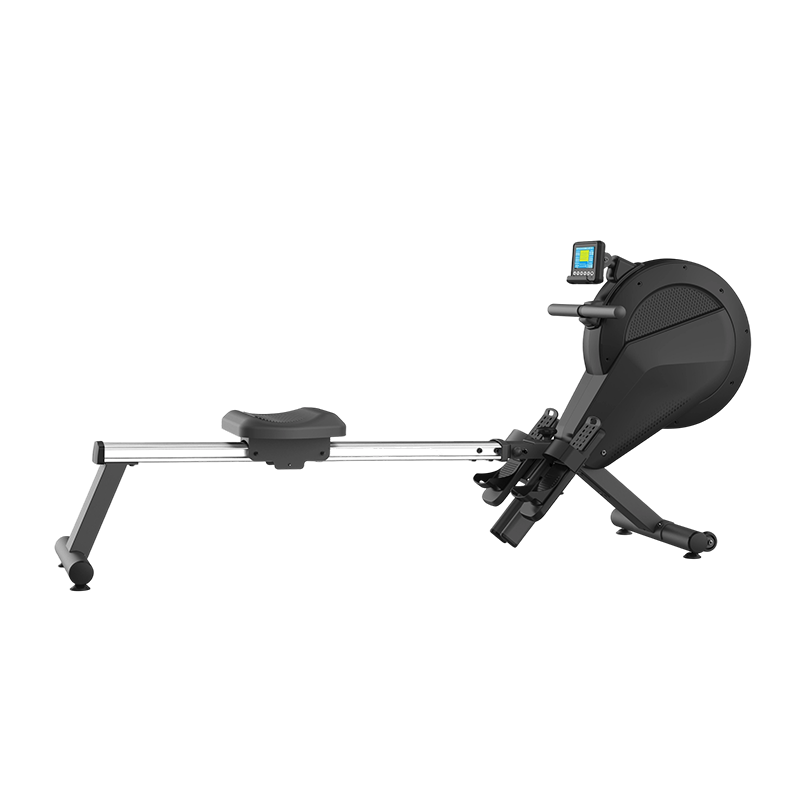
| Rowing machine (vigorous) | Vigorous | ~316 | Overestimates by ~20–25% |
| Stair climber (vigorous) | Vigorous | ~223 | Overestimates by ~15–20% |
A notable finding: the treadmill's calorie display, while not accurate in absolute terms, is more accurate than most other cardio machines. The elliptical is particularly prone to severe overestimation because the machine supports a large portion of your body weight and the motion requires less muscular effort than the console assumes. The treadmill forces you to bear your full body weight through each step, making the mechanical calculation more representative of actual energy output.

Beyond raw speed and duration, treadmill workouts come in structured formats that mix different intensities. Here are calorie estimates for several popular formats for a 155-pound person:
These estimates reflect the weight of a 155-pound individual and will scale upward for heavier individuals and downward for lighter ones. The figures also assume no handrail use and include active recovery periods in interval calculations.
A widely cited rule of thumb is that burning 3,500 calories equals approximately one pound of fat loss. While the actual biology is more complex — weight loss involves hormonal responses, metabolic adaptation, and water retention fluctuations — the 3,500-calorie figure is still a useful planning tool.
Applied to treadmill exercise: if a 155-pound person runs at 6 mph for 30 minutes five days per week, burning roughly 343 calories per session, that's 1,715 calories per week from treadmill exercise alone. Over two weeks, that's approximately 3,430 calories — theoretically close to one pound of fat, assuming no compensatory increase in food intake.
The phrase "assuming no compensatory increase in food intake" is the crux of the issue. Research consistently shows that people tend to eat more after exercise — either consciously as a reward or unconsciously due to increased appetite hormones. A study from the American Journal of Clinical Nutrition found that people eating back exercise calories is so common that exercise alone, without dietary adjustment, produces an average of only about 0.1 to 0.2 kg weight loss per month — far below what the calorie math suggests. Pairing treadmill exercise with dietary awareness produces dramatically better results.
The practical implication: use a treadmill calorie calculator to understand your energy expenditure, but resist the temptation to "eat back" all those calories unless you are an endurance athlete in heavy training. For recreational users focused on fat loss, treating exercise calories as a bonus deficit rather than an eating allowance tends to produce better outcomes.
Heart rate zones give you a more physiologically grounded way to understand calorie burn during treadmill workouts. Most cardio systems divide effort into five zones based on percentage of maximum heart rate (MHR):
The often-cited "fat-burning zone" of Zone 2 is frequently misunderstood. While a higher proportion of each calorie burned in Zone 2 comes from fat (rather than carbohydrate), the total calorie and absolute fat gram burn is actually lower per minute than in Zones 3–4. Zone 2 produces fewer total calories burned in the same time period. For overall fat loss, higher-intensity treadmill training generally produces greater total caloric expenditure, while Zone 2 work is valuable for endurance development and recovery.
If increasing caloric output from your treadmill sessions is a priority, the following adjustments will have the most meaningful impact based on exercise physiology research:
For people who are newer to running or who want to reduce injury risk while increasing calorie burn, adding incline is safer and often more effective per unit of effort than increasing speed. A 2% grade increase at the same walking speed adds approximately 20–30 additional calories per 30 minutes. A 1 mph speed increase from jogging at 5 mph to 6 mph adds around 70–90 calories per 30 minutes but also increases impact forces on joints by 20–30%.
As mentioned earlier, handrail use is one of the most significant ways people unknowingly reduce their treadmill calorie burn. At a 10% incline, gripping the rails can transfer up to 30% of your body weight to the machine, removing much of the metabolic benefit of the incline. If you need handrail support for safety, lower the incline rather than holding on at a grade your fitness level can't yet support comfortably.
Doing the same treadmill workout every day leads to metabolic adaptation — your body becomes more efficient at the activity and burns fewer calories for the same effort over time. Rotating between tempo runs, hill work, HIIT, and steady-state sessions prevents this adaptation and keeps caloric expenditure higher across weeks. It also reduces overuse injury risk by varying the mechanical stress on joints and tendons.
Total caloric output scales almost linearly with duration. A 60-minute moderate run burns roughly twice what a 30-minute run at the same speed does. For weight loss goals specifically, building treadmill session duration from 20 minutes up to 45–60 minutes over several weeks is one of the most straightforward calorie-increasing strategies, as long as recovery is adequate.
Muscle is metabolically active tissue. Adding even 5–10 pounds of lean muscle mass raises your resting metabolic rate by roughly 50–100 calories per day, which compounds meaningfully over months. People who combine treadmill cardio sessions with resistance training two to three times per week not only burn more calories per treadmill session (more muscle = more caloric cost per stride) but also burn more calories at rest around the clock.
Yes, with caveats. A well-designed calculator that inputs weight, speed, incline, and duration will give you estimates within about 10–20% of your actual calorie burn. That margin is acceptable for planning purposes, as long as you treat the output as a range rather than a precise number. For example, if the calculator says 380 calories, your real burn is probably somewhere between 305 and 420 calories. Planning around the lower end of the estimate is a prudent approach for weight loss goals.
At 0% incline, treadmill running burns very slightly fewer calories per mile than outdoor running, because the moving belt assists your foot's push-off phase, reducing the muscular work required. Research estimates this difference at roughly 2–5% fewer calories per mile on a flat treadmill versus flat outdoor running. Setting the treadmill to a 1% incline compensates for this difference and makes treadmill and outdoor calorie burns approximately equivalent for most purposes.
Per mile, faster running burns more calories because it requires greater muscular force and cardiovascular output per unit of time. However, per unit of time, running slower for longer can accumulate comparable or even greater total calories. For instance, 60 minutes at 5 mph burns roughly 490 calories, while 30 minutes at 8 mph burns around 500 calories. The difference is small, but slower-longer running is more accessible for most people and produces less fatigue, making it easier to sustain across a week of training.
Step count and calorie burn are loosely connected because stride length varies. On average, 10,000 steps covers approximately 4–5 miles. For a 155-pound person walking at a moderate pace, 10,000 steps burns roughly 280–380 calories depending on speed and incline. At a brisk 3.5 mph walk, 10,000 steps (roughly 4.5 miles) would take about 77 minutes and burn around 385 calories for a 155-pound person.
This is metabolic adaptation in action. As you get fitter, your running economy improves — you use less oxygen and less fuel to maintain the same pace. Additionally, as body weight decreases with fat loss, the caloric cost of running at the same speed drops because there is less mass to move. Both are signs of progress, but they mean treadmill calorie calculators become progressively less accurate over time unless you update your inputs. Recalculate based on your current weight every 4–6 weeks if you are in an active weight loss phase.
Hot Products

Phone: +86-152 5836 5876
TEL: +86-574 6322 1199
Email: mandy@evbfit.com
Address: No. 518 Zhengtong Road, Kandun Street, Cixi, Ningbo, Zhejiang, China
Copyright © Zhejiang Everbright Industry, Inc. All Rights Reserved. Custom Exercise Bikes Manufacturers China Stationary Bikes Factory