Jan 26, 2026
Content
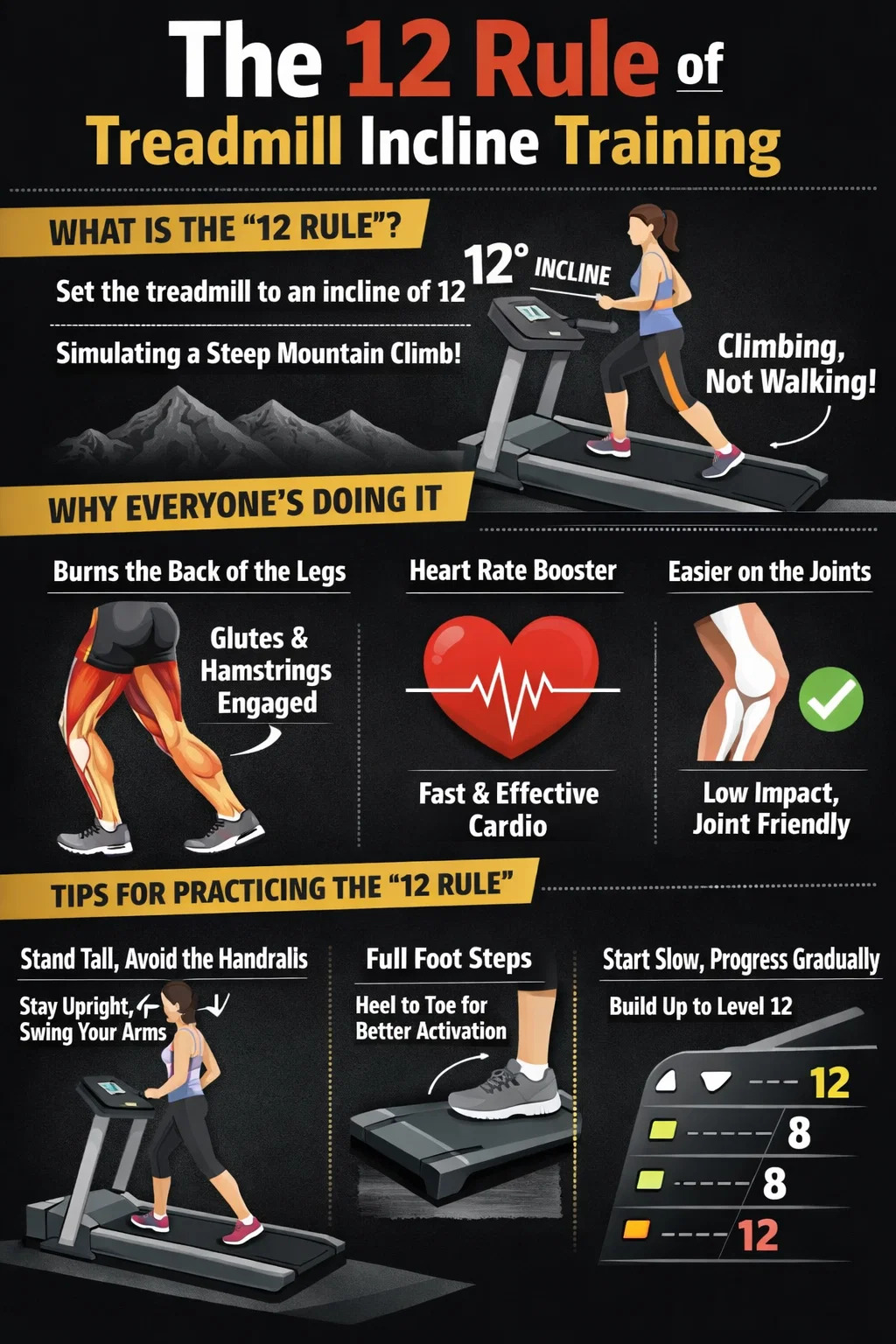
The "12 rule" you mentioned on the treadmill is actually a very famous core principle of incline training in the fitness world. It doesn't emphasize how fast you run, but rather uses the "height" achieved by adjusting the machine's angle to achieve more efficient exercise results.
The core of this rule is to turn the treadmill into a "steep slope that never ends." Here's a detailed breakdown of this rule:
The number "12" on the treadmill represents the incline level.
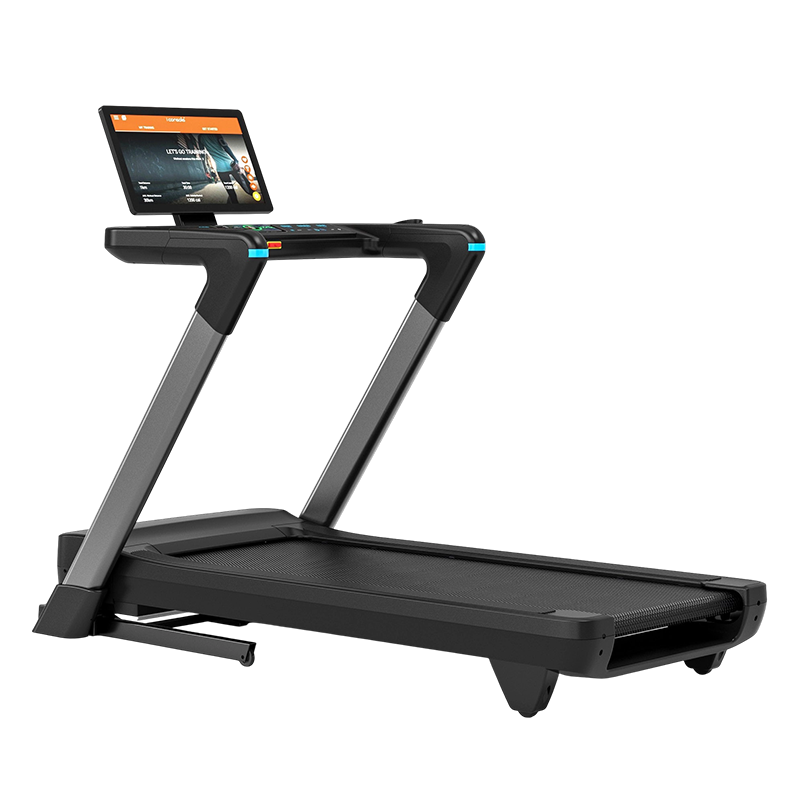
Most home or commercial treadmills have a maximum incline of around 12 to 15. When you set the number to 12, the running surface will tilt significantly, simulating a very steep hillside.
At this incline, you're no longer walking on a flat surface, but "climbing a hill." With each step, your body needs to work against gravity to move upwards, which is much more strenuous than walking on flat ground.
Many people find that instead of running frantically and breathlessly on the treadmill, it's better to steadily climb the incline.
This angle greatly stimulates the gluteal and hamstring muscles, which are often difficult to train. After a period of time, you'll find your lower body lines become more toned and powerful.
Don't be fooled by the slow speed; walking at a 12 incline for a few minutes will quickly increase your heart rate and deepen your breathing. This state is very conducive to sweating and burning excess energy.
Compared to the huge impact of running with both feet off the ground, high-incline walking requires you to always have one foot firmly on the treadmill, which is better for protecting your ankles and knees.
To master the 12-incline on the treadmill, a few details can help you achieve better results:
Many people involuntarily grab the handrails and lean forward because the incline is too steep. While this saves effort, it significantly reduces the effectiveness. Try to let go of the handrails, let your arms swing naturally, and keep your body upright. Full foot contact: When climbing uphill, try to land with your entire foot or heel first. This will better engage the muscles in your thighs and glutes, and prevent excessive tension in your calves.
If you're a beginner, starting at level 12 might be too challenging. Try starting with level 5 or 8, and once your body adapts to the "climbing" sensation, then challenge yourself with level 12.
Hot Products

Phone: +86-152 5836 5876
TEL: +86-574 6322 1199
Email: mandy@evbfit.com
Address: No. 518 Zhengtong Road, Kandun Street, Cixi, Ningbo, Zhejiang, China
Copyright © Zhejiang Everbright Industry, Inc. All Rights Reserved. Custom Exercise Bikes Manufacturers China Stationary Bikes Factory