Commercial Grade Elliptical Trainers
Commercial Grade Elliptical Standards
Commercial grade elliptical trainers are industrial-strength cardiovascular machines designed for continuous, high-volume usage in professional fitness environments. These machines are built to a significantly higher standard than residential models, featuring reinforced frames, oversized bearings, and self-powered drive systems that can operate twenty-four hours a day. The primary focus of commercial engineering is to maximize equipment uptime and minimize the total cost of ownership for facility managers. These trainers often utilize hybrid resistance systems that are both quiet and capable of handling extreme wattage outputs from elite athletes. The ergonomics are optimized to fit a wide demographic of users, ranging from the fifth percentile of females to the ninety-fifth percentile of males, ensuring a comfortable and safe workout for all members. With advanced telemetry and integrated consoles, commercial ellipticals provide detailed performance tracking and entertainment options. The reliability of these machines is underpinned by rigorous testing protocols that simulate years of intense use, making them the preferred choice for health clubs, military bases, and university athletic departments.
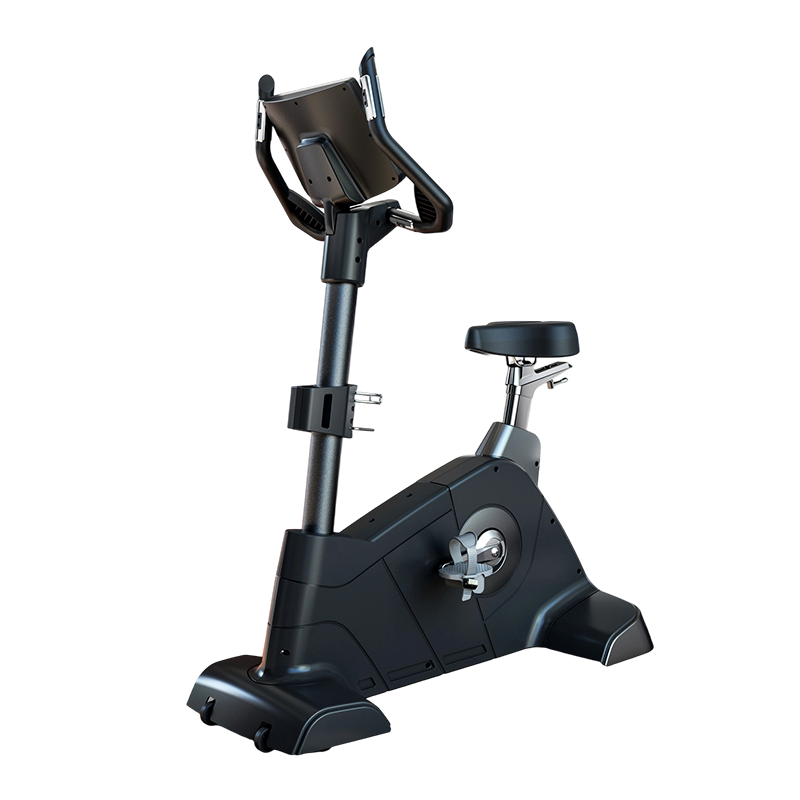

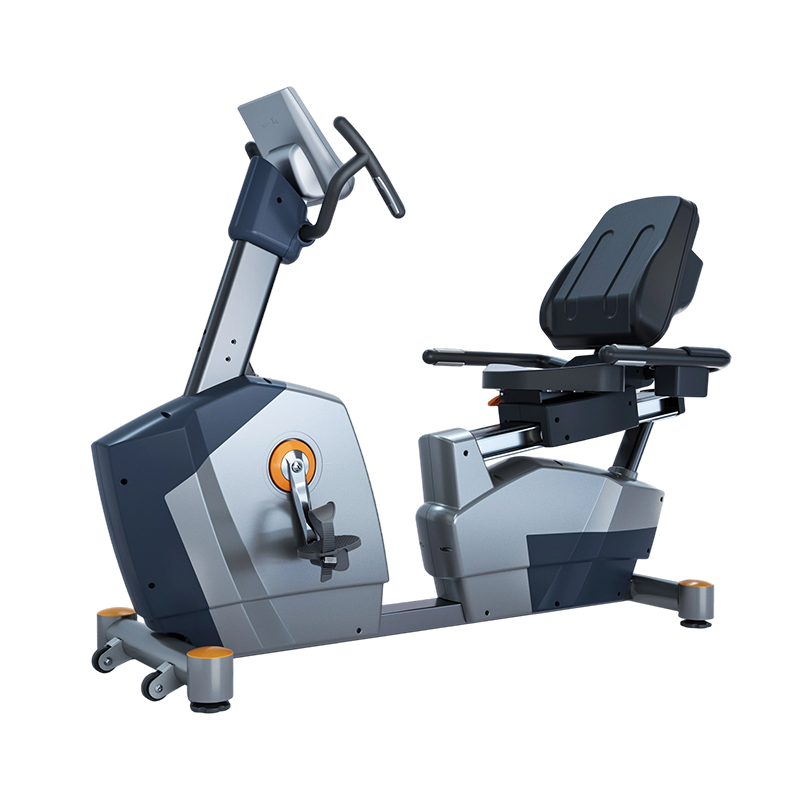
Professional Componentry and Features
- Self-Powered Generating Systems: Many commercial models are equipped with an internal generator, allowing the machine to power its own console and resistance system through the user movement, eliminating the need for external power cords.
- Heavy-Gauge Welded Steel Frame: Constructed from robotic-welded steel tubing with a high-tensile strength to prevent frame flexing and ensure a rock-solid feel under heavy loads.
- Commercial Grade Poly-V Belts: Uses reinforced multi-ribbed belts that provide a silent drive and can withstand the heat and torque generated during high-intensity training.
- Sealed Industrial Bearings: All pivot points are fitted with oversized, grease-packed bearings that are sealed to prevent the ingress of sweat and dust, ensuring decades of smooth operation.
- Advanced Bio-Mechanic Pedals: Features oversized pedals with a 2-degree inward tilt to align the joints properly and reduce the stress on the ankles and knees.
- High-Definition Touchscreen Consoles: Equipped with professional-grade monitors that offer internet connectivity, TV, and integrated fitness tracking software like MyZone or Apple Health.
Procurement Guide for High-Traffic Facilities
When procuring commercial grade ellipticals, the duty cycle and the warranty terms for labor and wear items are the most important factors. A true commercial machine should be rated for at least eight to twelve hours of daily use. Facility managers should evaluate the machine step-up height to ensure it meets ADA accessibility standards and fits within the ceiling constraints of the gym. Stride adjustability is a premium feature to consider, as it allows a single machine to accommodate both short-strided walking and long-strided running. Connectivity is essential in the modern market; ensure the machines support Bluetooth, ANT+, and NFC for user convenience. The build weight of the machine is a strong indicator of quality; a commercial elliptical should typically weigh over one hundred and twenty kilograms to ensure stability. Maintenance access is also a key consideration; look for models with easily removable shrouds that allow for quick inspection of the drive belt and electronics. Finally, analyze the energy efficiency; self-powered models can significantly reduce the utility costs of a large-scale cardio floor while providing the flexibility to arrange the equipment without worrying about power outlet locations.
Durability and ROI Advantages
The primary advantage of commercial grade ellipticals is their extraordinary durability, which results in a much lower long-term cost than replacing lower-quality units every few years. The self-powered nature of high-end models provides total freedom in floor layout and eliminates the safety hazard of power cables stretching across the gym floor. For the user, the solid construction provides a premium experience that is vibration-free and extremely quiet, which is essential for maintaining a professional atmosphere in a health club. These machines offer a much wider range of resistance levels, allowing them to serve as both a light warm-up tool and a high-intensity interval training (HIIT) machine. The advanced data tracking and console integration help with member engagement and retention, as users can easily monitor their progress over time. Furthermore, commercial units often have better resale value and are designed with modular components that are easy to replace if a failure occurs. The superior ergonomics of professional models also reduce the risk of liability from injuries caused by poor biomechanical alignment. Investing in commercial grade equipment signals a commitment to quality that enhances the brand reputation of any fitness facility.
Primary Application Environments
Commercial grade elliptical trainers are the core of the cardio zones in large-scale commercial health clubs, franchise gyms, and luxury health spas. They are also standard equipment in military fitness centers and police training academies where the machinery must withstand extreme physical abuse and constant operation. University recreation centers utilize these robust machines to handle the high turnover of student users throughout the day. In the corporate world, large headquarters install commercial ellipticals in their employee wellness centers to provide a reliable and low-impact workout option. They are also found in the gyms of professional sports teams, where they are used for conditioning and rehabilitating elite athletes. High-end hospitality environments, such as five-star resorts and conference hotels, deploy these machines to meet the expectations of guests who are accustomed to club-quality equipment. Additionally, they are used in medical research facilities to conduct controlled studies on cardiovascular health, as the precision of their resistance systems allows for highly accurate data collection. Their all-day reliability makes them the only logical choice for any facility with more than five hours of daily cardio traffic.
FAQ
- Q: Do commercial ellipticals need to be plugged in?
- A: Many high-end commercial models are self-powered and do not require an outlet, although some with large touchscreen displays may require power to maintain the screen at full brightness.
- Q: What is the lifespan of a commercial elliptical?
- A: With proper maintenance, a commercial grade machine can last seven to ten years in a high-traffic environment, and even longer in a residential or light-commercial setting.
- Q: Is it worth buying a commercial elliptical for home use?
- A: Yes, for users who want the most stable, quiet, and durable experience possible, a commercial unit provides a club-quality workout and will likely last a lifetime in a home setting.