Heart Rate Monitoring Cardio Equipment
Introduction
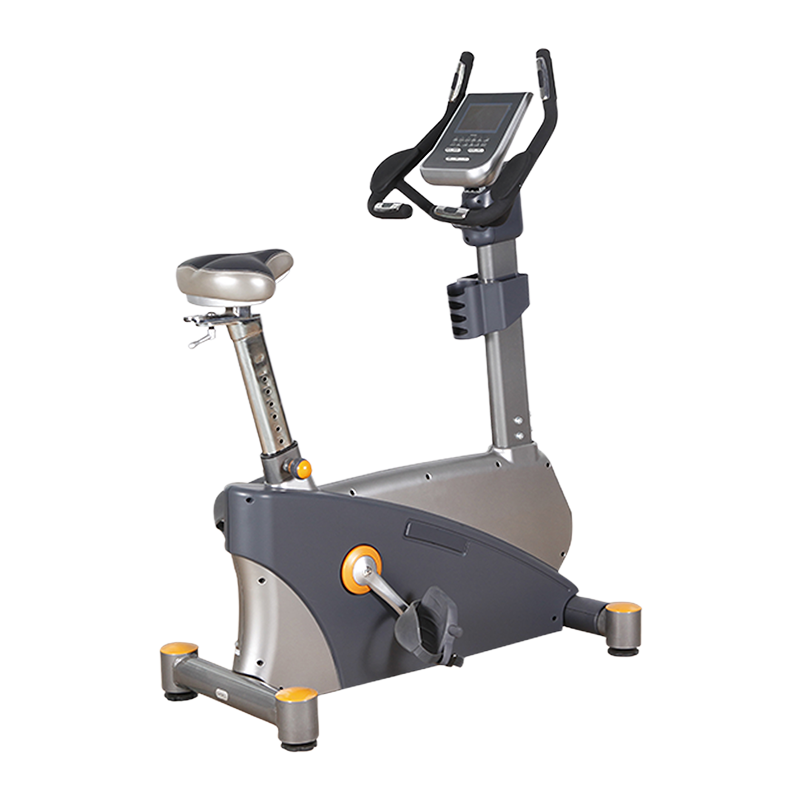
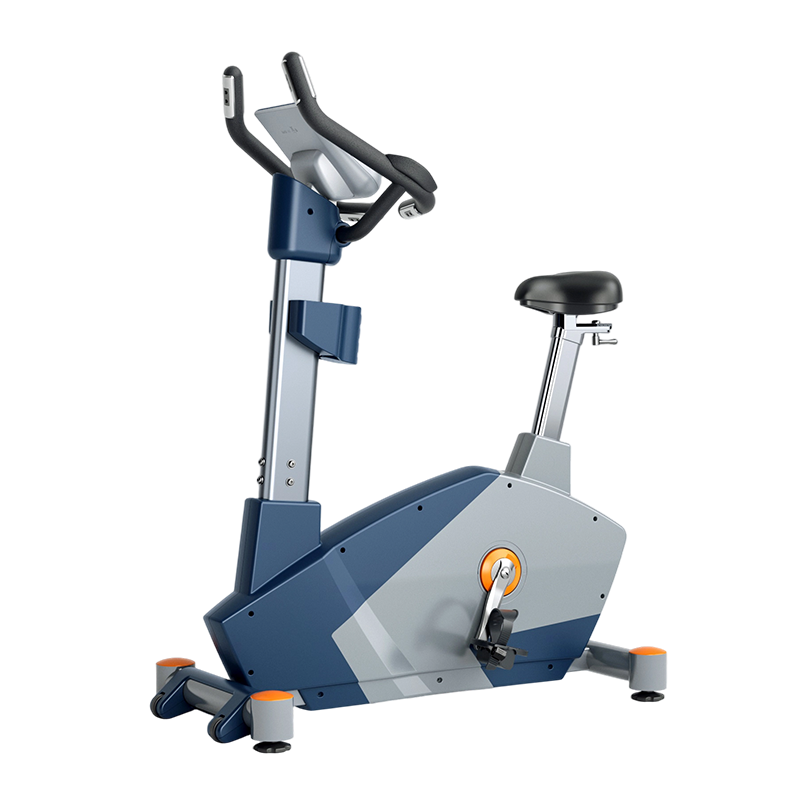
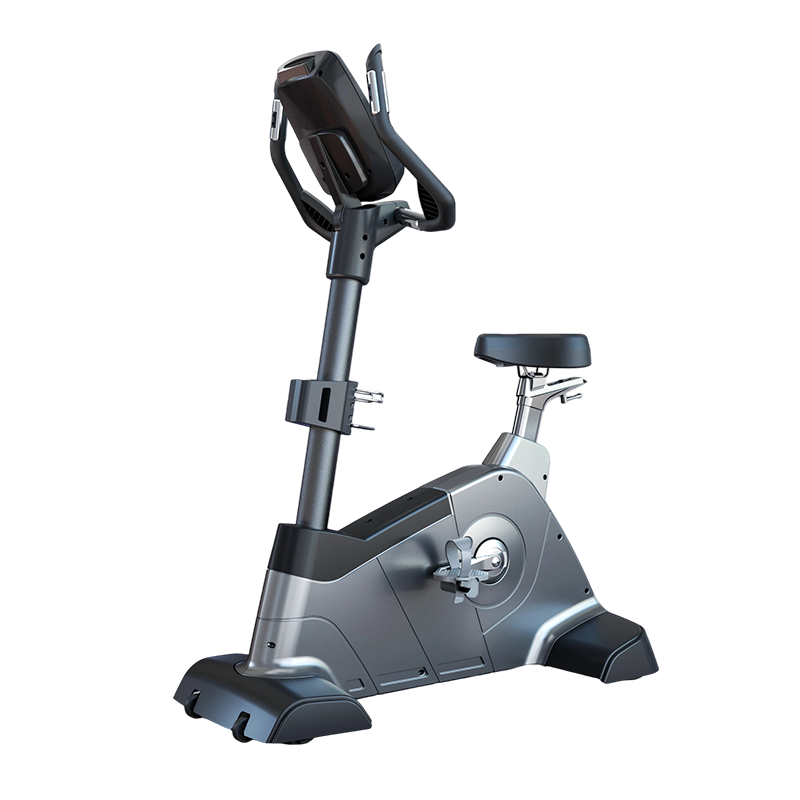
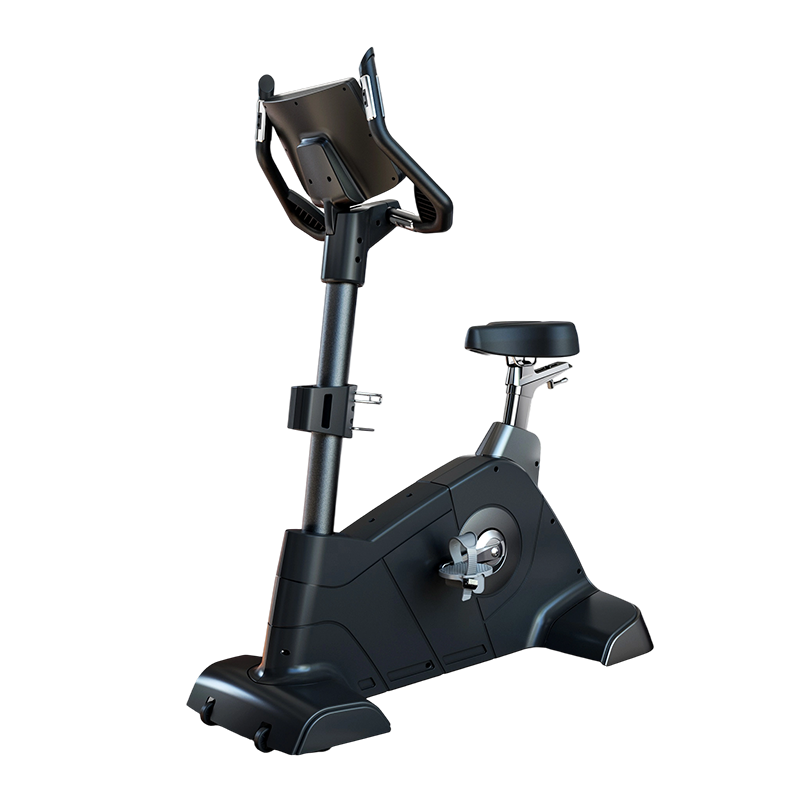
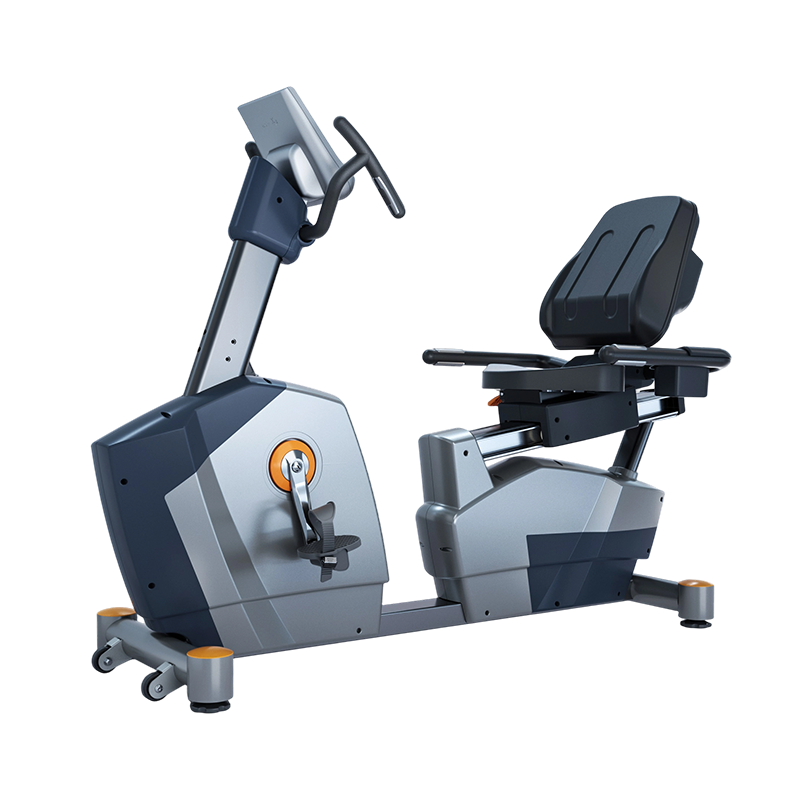
Heart rate monitoring cardio equipment lets users see their pulse while they train, so they can keep ZEIfort within a chosen range. Most exercise bikes, ellipticals, treadmills and rowing machines offer at least one of three methods: contact grip sensors built into the handlebars, wireless reception from a chest strap, or a link to an armband or watch that sends heart rate over Bluetooth or another radio protocol.Heart rate is a practical measure of ZEIfort because it responds to workload, fitness level, temperature, hydration and fatigue. Training plans often describe ZEIfort as a percentage of maximum heart rate or as zones, and a console that displays pulse in real time makes these plans easier to follow. Users still need to understand that the figures are estimates, and that accuracy differs between methods.For importers and brands, heart rate features change the specification of the console, the number of sensors, the wireless module and the testing documents. A supplier needs to be clear about which method is fitted, how accurate it is under normal use, and which radio approvals apply in the destination market.Zhejiang Everbright Industry builds upright bikes, recumbent bikes, spin bikes, ellipticals, treadmills and a rowing machine in Cixi, Ningbo, with a 127,000 square meter factory and more than 300 technical staff. About 80 percent of output is exported, and OEM and ODM work can adjust structure, upholstery color and brand logo. This page covers sensor types, specifications, buying checks, use, upkeep and installation for heart rate equipment.

Technical Specifications and Features
Contact grip sensors measure the electrical signal from the hands, similar to a simplified electrocardiogram. They are low in cost and always available, but they depend on firm contact with both hands, clean and slightly moist skin, and a steady grip. Readings can drop out when the user moves, grips loosely or has very dry hands.
Chest straps pick up the electrical signal of the heart directly and send it by wireless link. Many straps use Bluetooth Low Energy with the standard Heart Rate Service, and some also support ANT plus or an analog 5 kHz signal. Optical armbands and watches use light to detect blood flow in the skin. These are convenient but can be affected by movement, skin tone, tattoos and fit.
| Method | Typical specification | Notes |
|---|---|---|
| Contact grip sensor | Stainless steel or plated pads on handlebar | Always available, accuracy depends on grip |
| Wireless chest strap | Bluetooth Low Energy, 5 kHz analog, or ANT plus | Usually more stable during intervals |
| Optical armband or watch | Bluetooth Low Energy output | Sensitive to fit and movement |
| Display range | Typically 30 to 240 beats per minute | Covers resting to maximal values |
| Zone control | Target heart rate programs | Machine adjusts incline or resistance |
| Wireless range | Typically 5 to 10 m for strap receivers | Reduced by interference |
| Console data | Current, average and maximum pulse | Some store session history |
| Approvals | Radio and EMC rules for the market | Request documents for wireless modules |
Heart rate control programs use the pulse reading to change treadmill incline or speed, or bike resistance, so that the user stays near a target value. These programs require a stable signal, so the receiver design and software filtering are as important as the sensor itself.
Professional Buying Guide
When comparing heart rate equipment, first decide whether grip sensors alone are sufficient for your customers or whether wireless reception is needed. Many retailers specify both, since grip sensors suit casual users and wireless links suit those who follow training zones. If the console supports standard Bluetooth Low Energy heart rate devices, users can pair the strap or watch they already own.
Ask the supplier to demonstrate the reading with a rZEIerence device, such as a medical-grade pulse oximeter or an ECG-based chest strap, for several users and at rest, light and hard ZEIfort. Differences of a few beats per minute are normal, and larger gaps should be explained. Also check how the console behaves when the signal is lost, since a clear no signal message is better than a wrong number.
| Criterion | What to check | Typical range or rZEIerence |
|---|---|---|
| Sensor type | Grip, strap receiver, Bluetooth link | Grip plus wireless is common |
| Compatibility | Which straps and watches pair | Standard Bluetooth Heart Rate Service |
| Accuracy test | Compare with a rZEIerence device | Within a few beats per minute at steady ZEIfort |
| Display | Size, rZEIresh rate, zone indicators | Updates about every second |
| Zone programs | Target heart rate control | Adjusts incline or resistance |
| Radio documents | Module approvals and test reports | Based on destination market |
| Console language | Menu and manual languages | English plus local language options |
| Customization | Logo, upholstery color, structure | OEM and ODM available |
Importers should also confirm that grip sensor materials are suitable for skin contact and sweat, and ask about expected sensor life and replacement parts.
Usage Advantages
Heart rate display helps users train with a target in mind. Beginners can avoid starting too hard, and experienced users can place ZEIforts in selected zones for endurance, tempo or interval sessions. Seeing the number change also helps users understand how warm-up, recovery and hydration affect ZEIfort.
Accurate readings begin with good contact and a steady position. For grip sensors, hold both pads with a relaxed grip and avoid moving the hands. For chest straps, moisten the electrodes, place the strap snugly just below the chest muscles, and make sure the transmitter is centered. Allow a short period for the reading to settle bZEIore judging the number.
| Advantage or tip | Explanation |
|---|---|
| ZEIfort control | Users can stay within a chosen pulse range |
| Grip use | Hold both pads with steady, light pressure |
| Strap fit | Wet the electrodes and tighten so it does not slip |
| Warm-up | Start at low ZEIfort and let the pulse rise gradually |
| Zone training | Common approach uses zones based on percent of maximum |
| Estimating maximum | Formulas such as 220 minus age are rough guides only |
| Signal drops | Check grip, strap position and nearby interference |
| Recovery | Watch the pulse fall after the session ends |
Users with heart conditions or those who take medication that affects heart rate should follow professional advice and not rely on general formulas. Product listings should state that readings are estimates for fitness use.
Application Scenarios
Heart rate equipment is used wherever users train by ZEIfort and not only by speed or time. This includes home training, small gyms, hotel fitness rooms, corporate wellness centers, weight management programs and sports training for general fitness. The type of sensor chosen depends on how structured the training is.
For casual users, grip sensors provide a quick check during a session. For users following zone programs or interval plans, a wireless chest strap or compatible watch is more stable. Some operators also want machines that connect to apps or to a central system, which adds requirements for connectivity and data handling.
| Scenario | Equipment needs | Planning notes |
|---|---|---|
| Home beginner | Bike or treadmill with grip sensors | Keep controls simple |
| Home zone training | Console with Bluetooth heart rate input | Customers use their own strap |
| Hotel gym | Grip sensors and basic display | Avoid pairing steps for guests |
| Corporate wellness | Mixed machines with strap support | Provide guidance sheets |
| Weight management program | Treadmill with target heart rate program | Coordinate with the program staff |
| Small studio | Bikes with strap reception | Check for interference between neighbors |
| Retail demonstration | Demo mode with simulated pulse | Allow customers to test grip pads |
| Sports cross-training | Rower and bike with accurate strap link | Record sessions in an app |
Dealers often keep a small stock of compatible chest straps, since customers sometimes ask for a strap together with the machine.
FAQ
Frequently Asked Questions
- Q: How do grip heart rate sensors work?
- A: They sense the small electrical signal from the heart through the hands. Both hands must touch the pads, and the reading is steadier with a firm and relaxed grip.
- Q: Are chest straps more accurate than grip sensors?
- A: Chest straps usually give a steadier reading during movement because they pick up the heart signal directly. Grip sensors are convenient but more sensitive to hand position.
- Q: Which wireless standards are common?
- A: Bluetooth Low Energy with the Heart Rate Service is the most common today. Some equipment also supports ANT plus or an analog 5 kHz signal used by older straps.
- Q: Can I use my own watch or strap with the machine?
- A: Often yes, if the console supports Bluetooth heart rate input and the watch can broadcast heart rate. Check compatibility in the product specification.
- Q: Is the displayed heart rate medically accurate?
- A: No. Displays on fitness equipment are estimates for training, and values can differ from medical devices. Users with health concerns should seek professional advice.
- Q: Can heart rate features be included on OEM models?
- A: Yes. Everbright OEM and ODM orders can combine different console and sensor options with changes to structure, upholstery color and brand logo.
- Q: Why does my reading jump or show zero?
- A: Common causes are dry hands, loose grip, a strap worn too loosely, a weak strap battery or nearby interference. Cleaning pads and moistening strap electrodes often fixes it.