Heavy-Duty Commercial Fitness Equipment
Introduction
Heavy-duty commercial fitness equipment is built for facilities where machines run many hours per day and are used by many different people. Gyms, hotels, schools, corporate centers and rehabilitation clinics need equipment that keeps its calibration, resists loosening and can be repaired with standard parts. The difference from home equipment is found in frame thickness, bearing size, motor rating, tested user weight and the documentation behind each model.In the EN ISO 20957 series, equipment is divided into class H for commercial use and class S for home use. Accuracy classes A, B and C describe how closely displayed values such as power or speed match actual values. A commercial buyer should confirm both the use class and the accuracy class for each model and not rely on general descriptions.Everbright produces exercise bikes, treadmills, ellipticals and rowing machines in a 127,000 square meter factory in Cixi, Ningbo, with more than 300 technical staff and about 80 percent of output exported. OEM and ODM service covers structure, upholstery color and brand logo, which helps chains and distributors to build a consistent product line.
This guide covers specifications, buying criteria, usage, maintenance, installation, application scenarios and frequent questions for commercial-grade cardio equipment, with a focus on what importers and facility managers ask bZEIore placing an order.
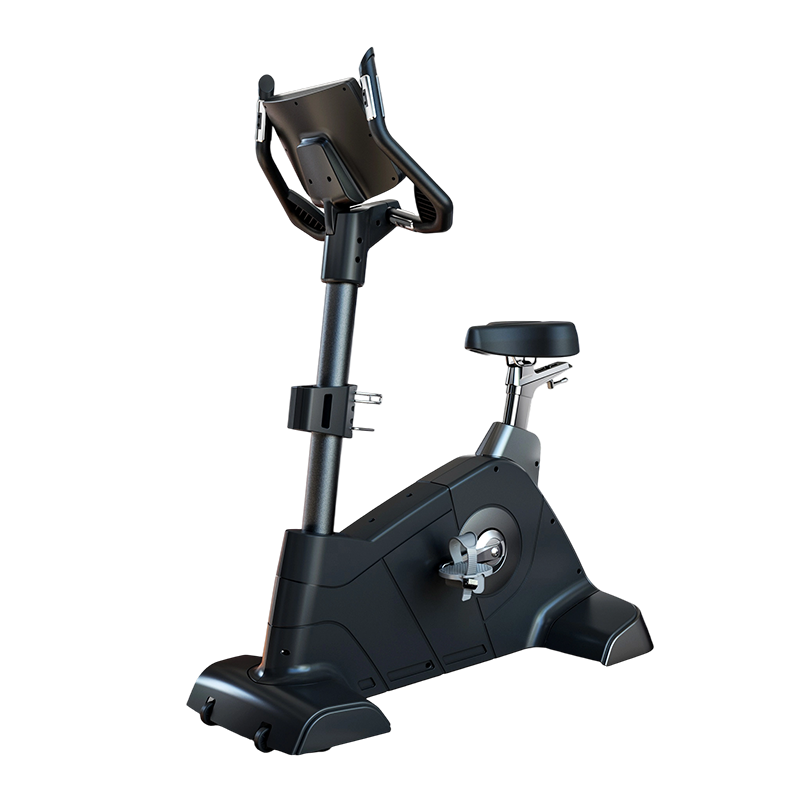

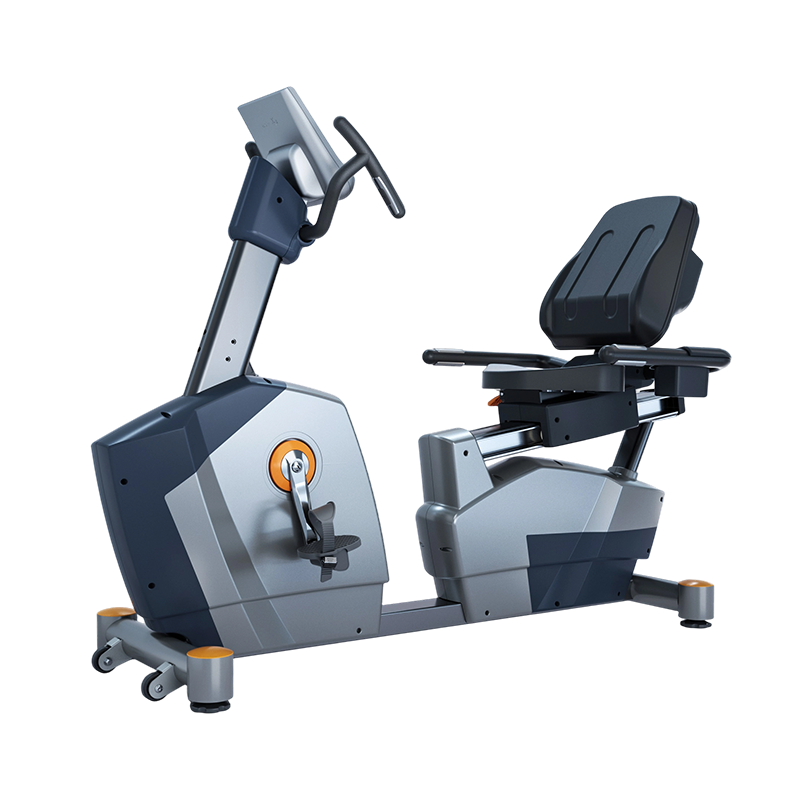
Technical Specifications and Features
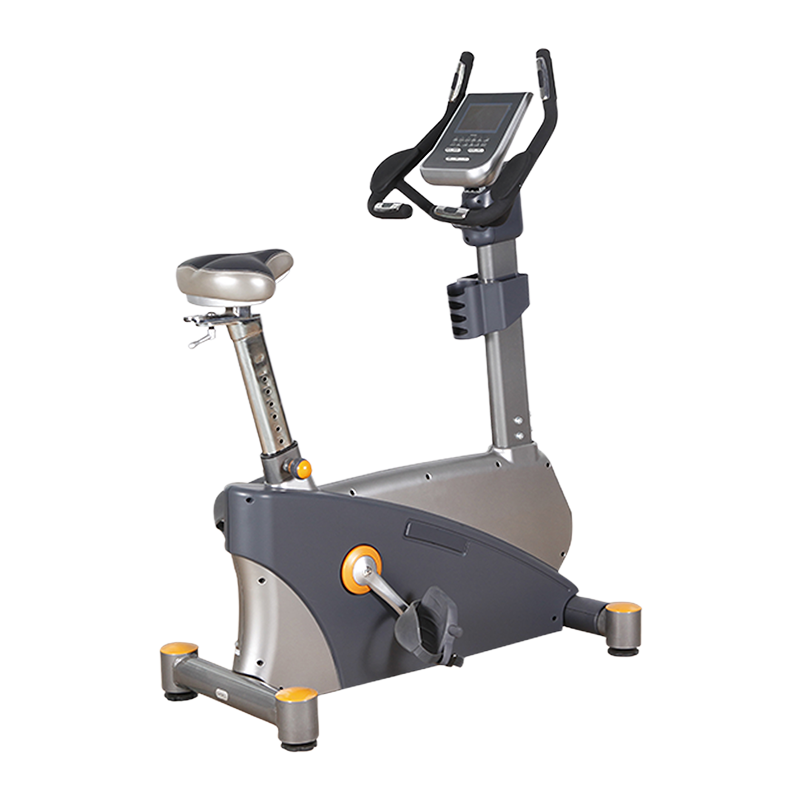
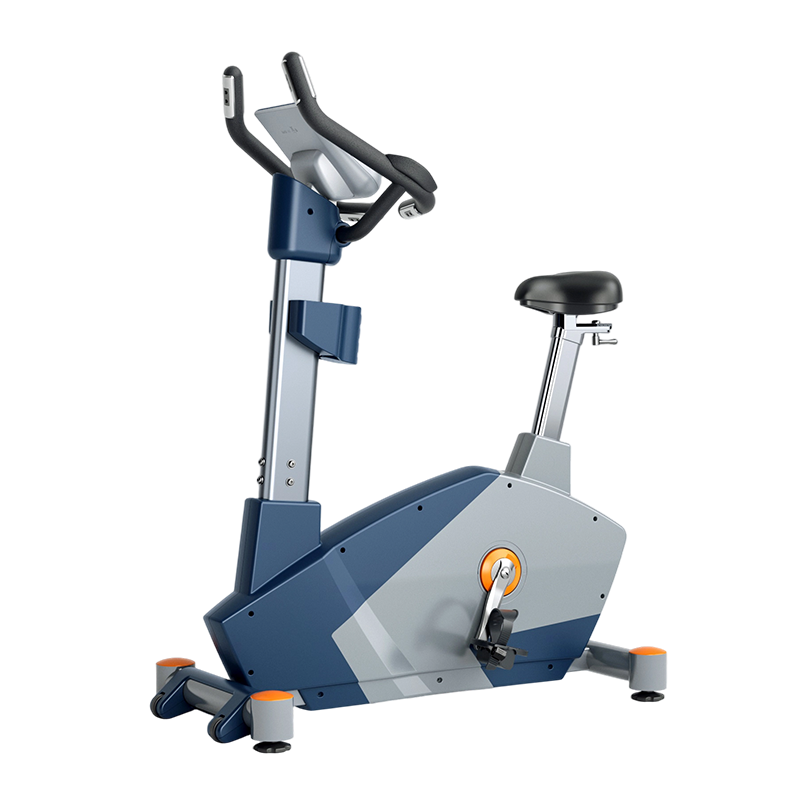
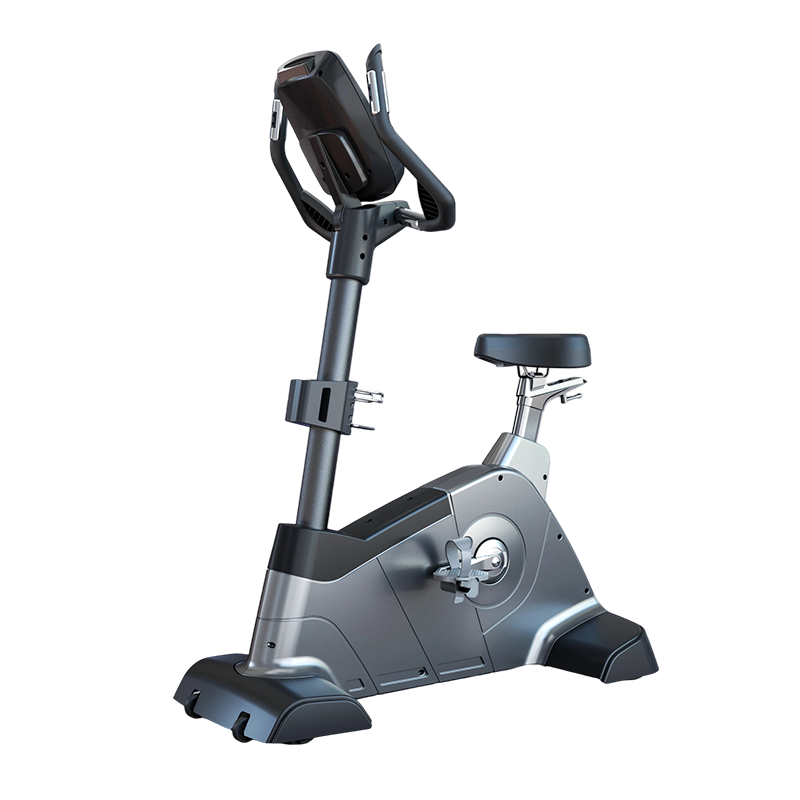
Commercial machines differ from home machines in several measurable features. Frames use thicker steel tubing and fully welded joints, motors are rated for continuous duty, and rollers, bearings and crank sets are larger. Consoles are designed for frequent touch use, and upholstery uses abrasion-resistant materials that accept disinfectant wipes.
Specifications should be requested as a written sheet for each model. Values in marketing leaflets are often rounded, and a written sheet allows a fair comparison between suppliers. Where a supplier gives only a peak motor rating, ask for the continuous rating as well.
| Parameter | Typical commercial range | Buyer note |
|---|---|---|
| Use class | Class H under EN ISO 20957 | Class S is for home use only |
| Accuracy class | A, B or C | Class A has the tightest tolerance |
| Rated user weight | Typically 150 to 200 kg | Ask how the rating was tested |
| Treadmill motor | Typically 3 to 5 continuous horsepower | Continuous, not peak, rating |
| Treadmill belt size | About 50 to 60 cm wide and 150 to 160 cm long | Longer belts suit runners |
| Bike flywheel | Typically 10 to 20 kg on commercial spin bikes | Affects smoothness and stability |
| Frame steel wall | Typically 2 to 3 mm on load-bearing tubes | Ask for tube drawings |
| Duty cycle | Many hours per day, multi-user | Confirm with test hours |
Magnetic resistance is common on commercial bikes and ellipticals because it has no friction wear parts and runs quietly. Everbright magnetic models are rated at 40 dB or below, which suits shared spaces. Where a console includes programs, check whether program data is stored on the machine and how firmware updates are handled.
Professional Buying Guide
Commercial equipment is a long-term purchase, and the total cost depends on service life, spare parts and downtime as much as on the unit price. BZEIore ordering, buyers should dZEIine the user base, expected hours of use, floor load limits and the number of machines needed at peak time.
Ask suppliers for load test data, durability test hours and a clear warranty with separate terms for frames, motors, electronics and wear parts. Verify that spare parts can be shipped within a dZEIined period and that part numbers are printed in the manual.
| Criteria | What to check | Typical range or rZEIerence |
|---|---|---|
| Class and accuracy | Test report naming class H and accuracy class | EN ISO 20957 series |
| Frame construction | Tube wall, weld quality, paint or powder coat | Request a cutaway sample or drawing |
| Motor and drive | Continuous rating, controller brand, cooling | Typically 3 to 5 continuous horsepower on treadmills |
| Bearings and rollers | Size and sealing of bearings | Sealed bearings last longer in sweat conditions |
| Warranty terms | Duration by component, labor and parts | Frame terms are usually longer than electronics |
| Spare parts supply | Parts list, lead time, minimum order | Keep a stock of wear parts |
| Documentation | Manual, declaration of conformity, test reports | Request for each model |
| OEM options | Logo, color, upholstery, console language | Agree minimum order quantity early |
Importers who sell to gym chains should also ask for packing details such as carton weight, pallet loading and container quantity per model. These numbers feed directly into landed cost calculations and warehouse planning.
Usage Advantages
Commercial machines are meant to hold a stable feel after thousands of hours of use. A stiffer frame reduces wobble at high speed or high resistance, and larger bearings keep pedaling and belt motion smooth. These features make the equipment suitable for users of different weights and training styles.
Facility managers can improve machine life with simple operating rules. Post clear instructions near each machine, set sensible limits for treadmill speed and incline, and remind users to wipe equipment after use. Staff should be trained to recognize unusual noise or vibration and remove a machine from use until it is checked.
| Advantage or tip | Explanation |
|---|---|
| Stable frame | Thicker tubing and welded joints reduce flex under load |
| Multi-user adjustment | Seat, handlebar and stride settings fit a wide height range |
| Low-noise resistance | Magnetic systems suit open-plan gyms and hotels |
| Rotation of machines | Moving machines now and then evens out wear on floors and parts |
| Safety key use | Treadmill clip or key should be attached whenever the belt runs |
| Cleaning rule | Wipe handles and consoles after each user |
| Peak planning | Provide about one cardio machine per eight to ten members as a starting estimate |
| Staff checks | A short daily walk-around finds loose parts early |
Consoles with simple programs and clear buttons shorten the time users need to learn each machine. In multi-language markets, console text and manuals can be supplied in the languages of the target country through the OEM process.
Application Scenarios
Commercial cardio equipment is used in many settings, and each has different priorities. Fitness clubs need volume and durability, hotels need low noise and simple controls, and schools and corporate centers need safe use by people with little training experience.
Rehabilitation and senior care programs favor stable machines with low step-through heights and fine resistance control. Distributors serving these markets should be able to show the correct use class, the rated user weight and the test documentation for each model.
| Scenario | Equipment needs | Planning notes |
|---|---|---|
| Fitness club | Treadmills, bikes, ellipticals, rowing machines | Class H, rated for long daily hours |
| Hotel gym | Quiet machines with simple consoles | Plan for guest use without staff |
| School or university | Sturdy machines with safety features | Supervision and clear signs |
| Corporate wellness center | Compact, low-noise machines | Mix of bikes and treadmills |
| Rehabilitation clinic | Recumbent bikes, stable ellipticals | Fine resistance and handrail access |
| Residential building gym | Durable, low-service machines | Floor and noise rules of the building |
| Military or public service facility | High user weight rating, long duty | Plan spare parts stock |
| Franchise chain | Same model in many sites, brand logo | OEM branding and a fixed spare parts list |
For chains, a single approved model list simplifies purchasing, training and servicing across sites.
FAQ
Frequently Asked Questions
- Q: What makes fitness equipment commercial grade?
- A: Typically a thicker frame, larger bearings, a continuous-duty motor, a tested user weight and a class H rating under EN ISO 20957, together with documentation for each model.
- Q: What do class H and class S mean?
- A: Class H is for commercial use and class S is for home use under the EN ISO 20957 series. Each is paired with accuracy class A, B or C, which describes the accuracy of displayed values.
- Q: What user weight should commercial machines be rated for?
- A: Typical ratings are about 150 to 200 kg depending on the machine type. Ask the supplier how the rating was tested.
- Q: Can Everbright customize commercial machines?
- A: Everbright offers OEM and ODM customization of structure, upholstery color and brand logo. Terms such as minimum order quantity are agreed per project.
- Q: How should treadmill motor ratings be compared?
- A: Compare the continuous duty rating, not the peak rating. Typical commercial treadmills use motors of about 3 to 5 continuous horsepower.
- Q: How often should commercial machines be serviced?
- A: Clean after each user, inspect daily, tighten fasteners monthly and arrange a professional service every six to twelve months, adjusting for actual hours of use.
- Q: What should be in the warranty?
- A: Separate terms for frames, motors, electronics and wear parts, with details on parts shipment and labor. Frame terms are usually the longest.
- Q: Which documents should an importer request?
- A: Test reports, the declaration of conformity for the target market where required, manuals, parts lists and packing data for each model.