High Weight Capacity Fitness Equipment
Introduction
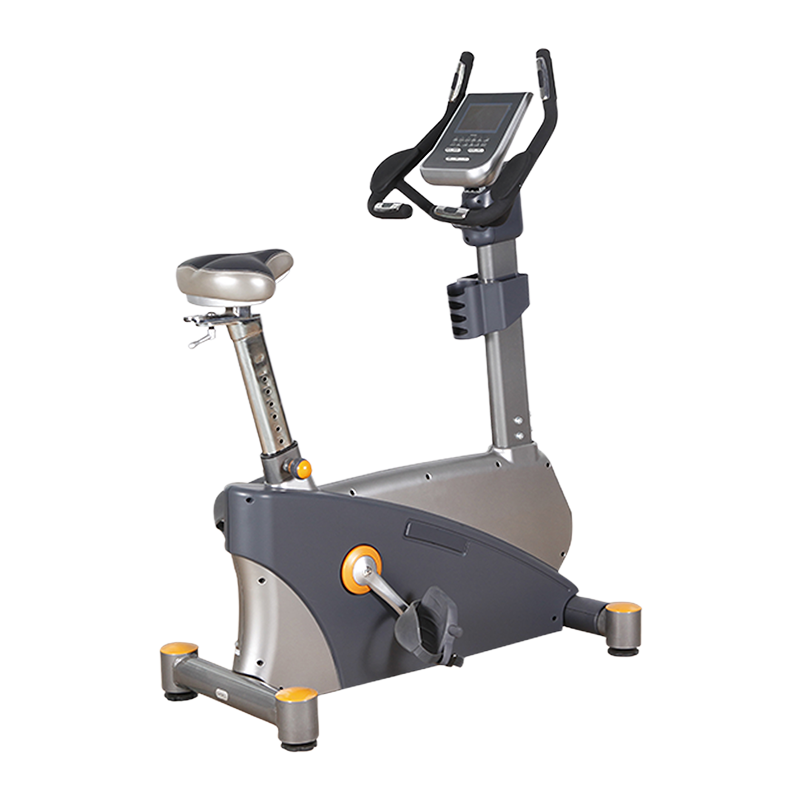
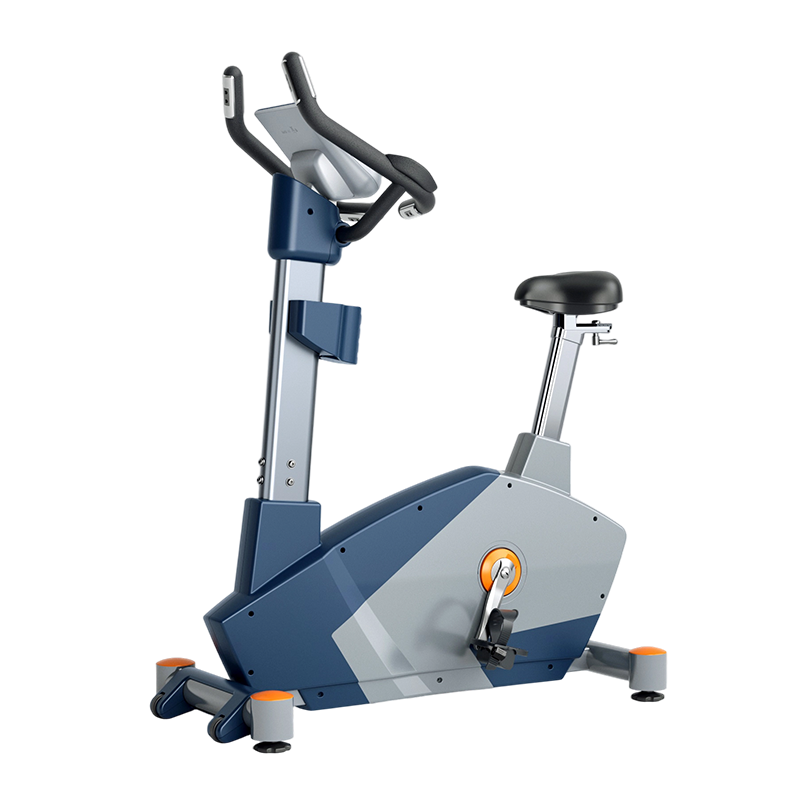
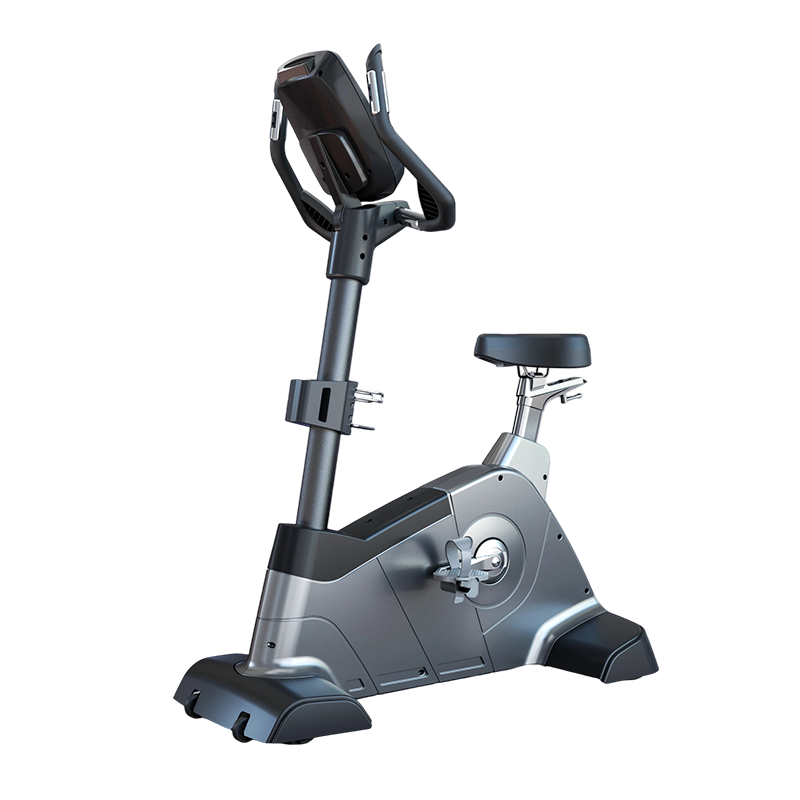
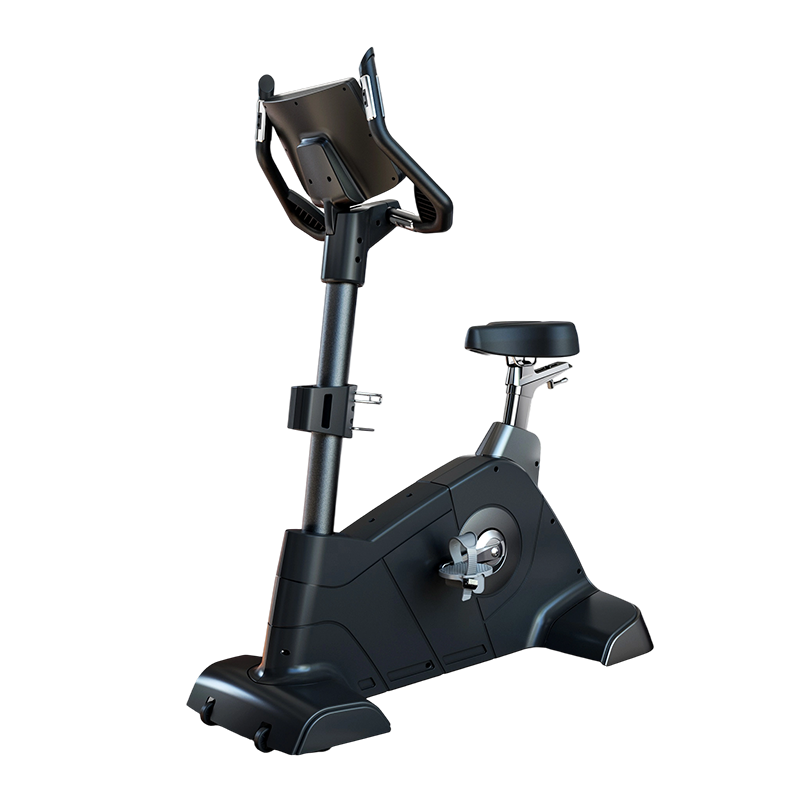
High weight capacity fitness equipment is designed and tested for users who weigh more than the usual 100 to 120 kg rating of entry-level machines. Typical capacity ratings for this group are about 150 to 200 kg or more, depending on the machine type. The higher rating requires a stronger frame, larger fasteners, wider seats and steps, and drive parts that carry more load without early wear.Weight capacity is a safety rating as well as a comfort feature. A machine used above its rated weight may suffer frame cracks, loose pedals, belt slip or seat post failure. For importers and distributors, a clear and documented rating protects the brand from warranty claims and from liability risk.Products in this category include upright and recumbent bikes with wide seats, treadmills with strong decks and motors, ellipticals with reinforced pivot points and rowing machines with strengthened rails. Everbright builds these families in Cixi, Ningbo, and offers OEM and ODM customization of structure, upholstery color and brand logo, so a higher-capacity variant can be developed from an existing platform.The sections below describe the technical features, buying checks, usage tips, maintenance, installation, application scenarios and questions that buyers commonly ask about high capacity equipment.

Technical Specifications and Features
A rated weight capacity depends on the weakest part of the load path. For a bike this path runs from the saddle through the seat post and frame to the crank and pedals. For a treadmill it includes the deck, the frame rails, the rollers and the motor. A supplier should be able to state which part limits the rating.
Design measures typically include thicker or larger-diameter tubes, gussets at stress points, bolts of higher strength grade, wider and denser seat foam, and bigger pedal surfaces. Standards such as EN ISO 20957-1 describe strength and stability tests, and the declared maximum user weight is normally used as the test basis.
| Parameter | Typical range or option | Buyer note |
|---|---|---|
| Rated user weight, bikes | Typically 120 to 180 kg | Ask for the tested figure |
| Rated user weight, treadmills | Typically 130 to 200 kg | Motor and deck both matter |
| Seat width | About 25 to 35 cm on bikes | Wide seats reduce pressure points |
| Frame tubing | Larger section and thicker wall | Request tube drawings |
| Treadmill deck | Thicker deck with cushioning | Check the deck rating |
| Pedals and cranks | Reinforced cranks, large pedals with straps | Check thread and bearings |
| Stability | Wide base, rubber feet | Test for tipping while mounting |
| Safety factor | Test load above the rated weight | Ask for the factor used |
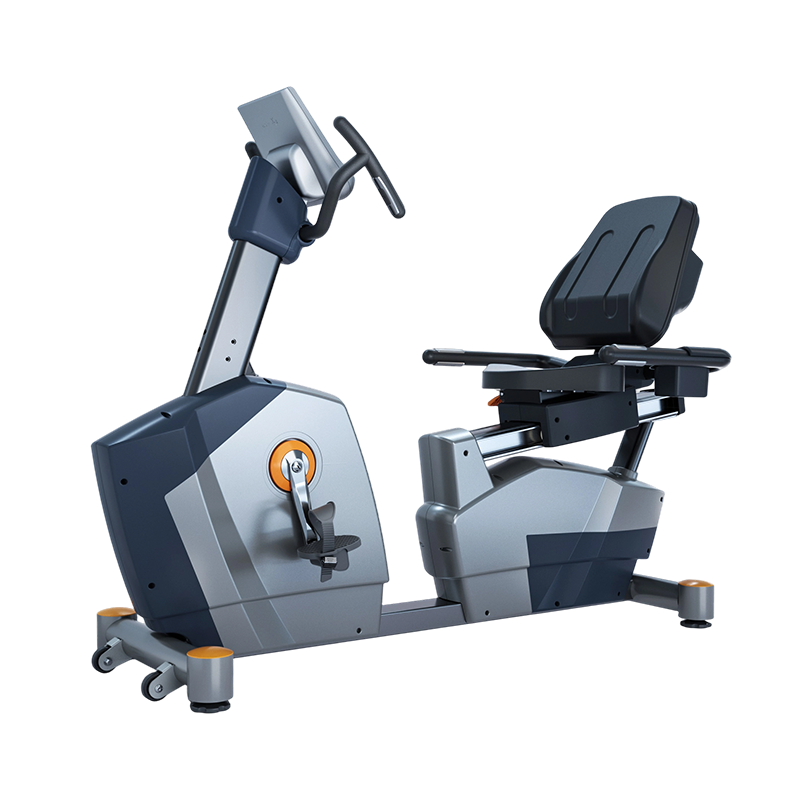
Seats and handles also affect real use. A wide step-through height and sturdy handrails help users mount and dismount safely. Recumbent bikes with a backrest and wide seat are often chosen for this group because they spread body weight over a larger area.
Professional Buying Guide
When sourcing high capacity equipment, check that the rating is tested and documented rather than copied from the product leaflet. A claimed 180 kg rating without strength test records has little value in a claim dispute.
Think about the actual user, too. Besides weight, height, hip width and mobility affect how well a machine fits. A bike with a wide seat but a limited seat height range may still be unsuitable, so compare the adjustment ranges for the target market.
| Criteria | What to check | Typical range or rZEIerence |
|---|---|---|
| Rated weight | Test report and the weight used in testing | Typically 150 to 200 kg for this class |
| Frame strength | Tube size, wall thickness, weld quality | Request a drawing or cutaway |
| Motor continuous rating | Treadmills: continuous horsepower | Higher than entry models, typically 3 horsepower or more |
| Seat and step-through | Seat width, mounting height, handrails | Wide seat, low step-through |
| Hardware grade | Bolt grade and thread lock | Request the grade used |
| Warranty | Frame and wear parts terms | Check whether the rating is covered |
| Class and accuracy | Class H or S and accuracy A, B or C | EN ISO 20957 series |
| Packaging | Carton weight and strength | Heavier machines need stronger cartons |
Importers should also ask about the maximum rated weight of replacement parts such as seats and pedals, since a weak spare part can undermine the machine rating. Customization of upholstery and logo is possible through OEM service, and the rated weight should be printed on the product label.
Usage Advantages
A machine rated well above the user weight has more margin in strength tests and typically feels more stable. The user is less likely to notice flex in the seat or handlebar, and the machine stays tight longer. A stable machine also supports confident mounting and dismounting, which matters most for people starting an exercise program.
Low-impact machines such as bikes, ellipticals and rowing machines place less shock on knees and ankles than running. Users should start with short sessions, keep resistance low at first and increase time bZEIore intensity. A medical check is advisable for anyone with a health condition bZEIore starting a program.
| Advantage or tip | Explanation |
|---|---|
| Margin of strength | Rated weight above the user weight leaves room for dynamic loads |
| Wide seat | Spreads load and reduces pressure |
| Low-impact choice | Bikes and ellipticals reduce joint shock compared with running |
| Mounting safety | Hold the handrail and mount from the lower side |
| Starting load | Begin with low resistance and short sessions |
| Treadmill speed | Start at walking speed and use the safety key |
| Seat position | Slight knee bend at the bottom of the pedal stroke |
| Rest breaks | Short pauses help new users avoid overload |
Remember that the weight rating includes dynamic forces. Standing on the pedals or jumping onto the machine creates forces larger than static body weight, so instructions should discourage these actions.
Application Scenarios
High capacity machines serve a wide market. Home buyers who need a higher rating look for products clearly labeled with the tested weight. Commercial buyers include clubs, hotels and health programs that expect users of many body types and want one standard that covers everyone.
Wellness programs and rehabilitation clinics often start with low-impact cardio, so recumbent bikes, upright bikes and ellipticals are common choices. Treadmills are chosen where walking programs are used, with a strong deck and a wide belt.
| Scenario | Equipment needs | Planning notes |
|---|---|---|
| Home use | Wide-seat bike or sturdy treadmill | Check room floor and carton size |
| Fitness club | Rated 150 kg or more, class H | Mix with standard machines |
| Hotel gym | Stable bike with simple console | Rated weight label in the room |
| Weight management program | Low-impact bikes, ellipticals | Seats and handrails for easy access |
| Rehabilitation clinic | Recumbent bike, stable base | Fine resistance steps |
| Workplace wellness | Compact bikes, walking treadmills | Quiet operation |
| Retail showroom | Labeled high capacity range | Clear spec cards |
| Distributor catalog | Standard and high capacity variants | OEM color and logo options |
Offering both standard and higher-capacity versions of a model lets a distributor serve more customers without adding a new product family.
FAQ
Frequently Asked Questions
- Q: What is a typical weight capacity for high capacity equipment?
- A: Typical ratings are about 150 to 200 kg or more, compared with about 100 to 120 kg for entry-level home machines. The exact value depends on the machine type and test results.
- Q: How is the weight rating tested?
- A: Strength and stability tests under standards such as EN ISO 20957-1 use the declared maximum user weight as a base, with load applied to seats, handles, pedals and frame. Ask for the test report.
- Q: Does the rating include dynamic load?
- A: The rating is for normal use. Jumping or standing on pedals creates higher forces and should be avoided, as the manual typically says.
- Q: Which machine types suit heavier users?
- A: Recumbent bikes, wide-seat upright bikes, ellipticals and treadmills with strengthened decks are common choices. Rowing machines also come in reinforced versions.
- Q: Can Everbright supply a higher-capacity variant?
- A: Everbright offers OEM and ODM customization of structure, upholstery color and brand logo, so strengthened variants can be discussed at project stage.
- Q: Should the weight rating appear on the machine?
- A: Yes. A label with the maximum user weight is typical and helps buyers and users avoid overload.
- Q: Does a higher rating change maintenance?
- A: Fasteners, bearings and belts see more load, so inspection should be more frequent. Keep a written log.
- Q: What should an importer request from the supplier?
- A: Request test reports, the stated weight rating per model, a declaration of conformity where required, warranty terms and packing data.