Low-Impact Joint-Friendly Cardio Machines
Introduction
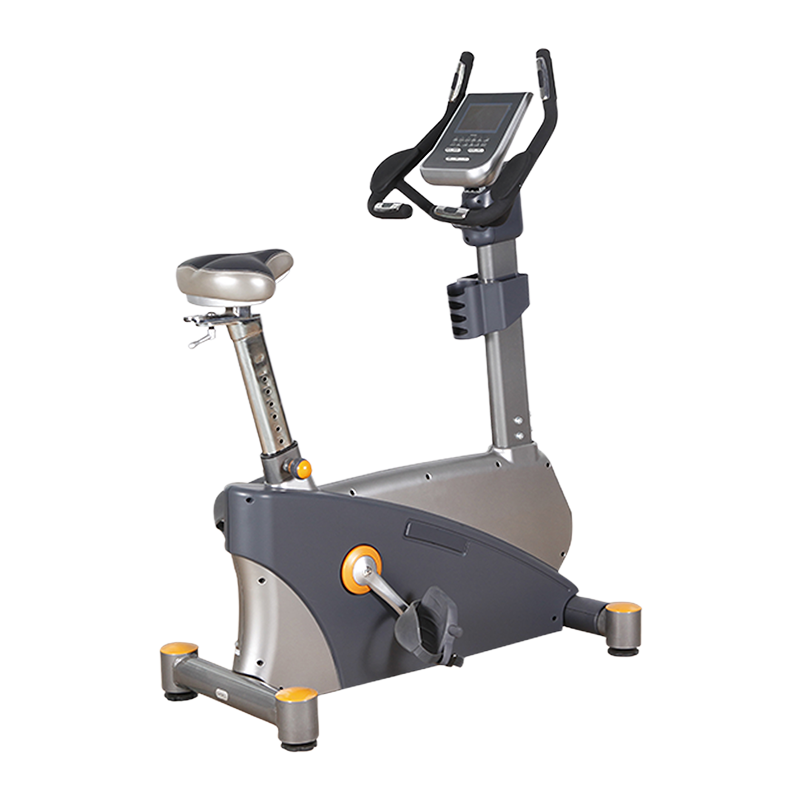
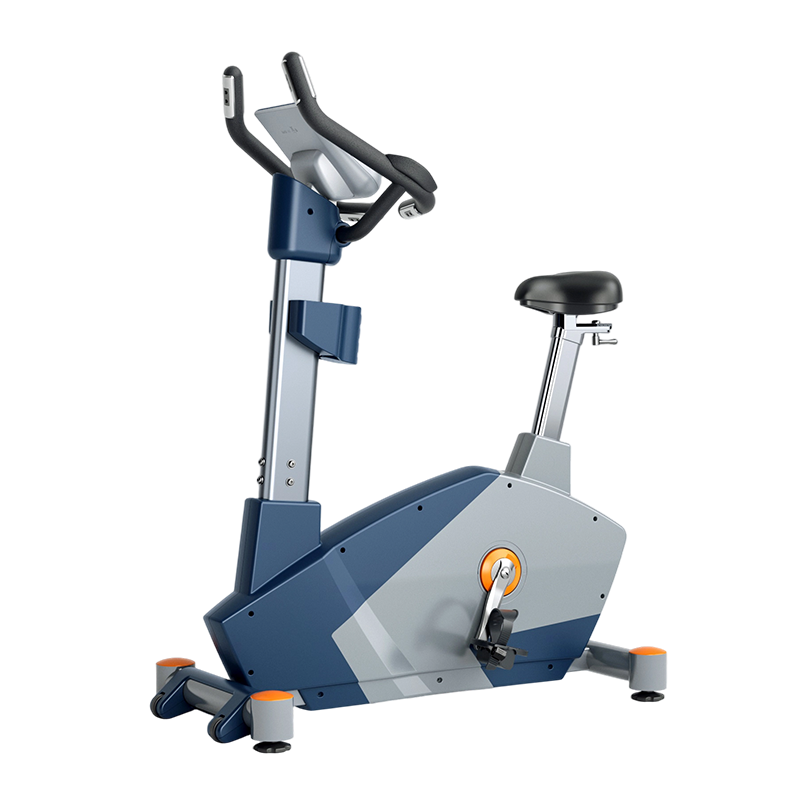
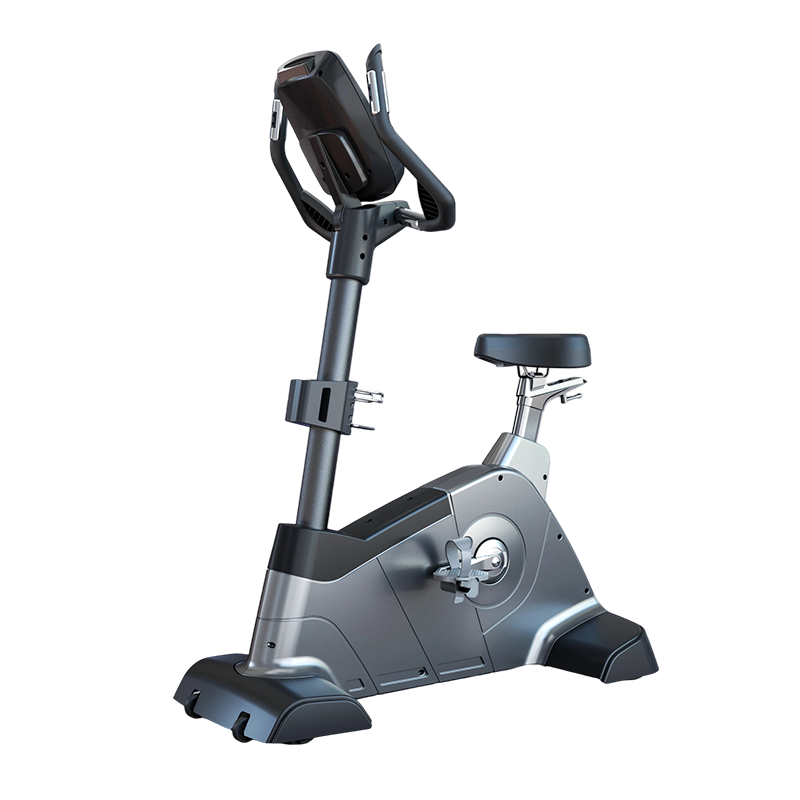
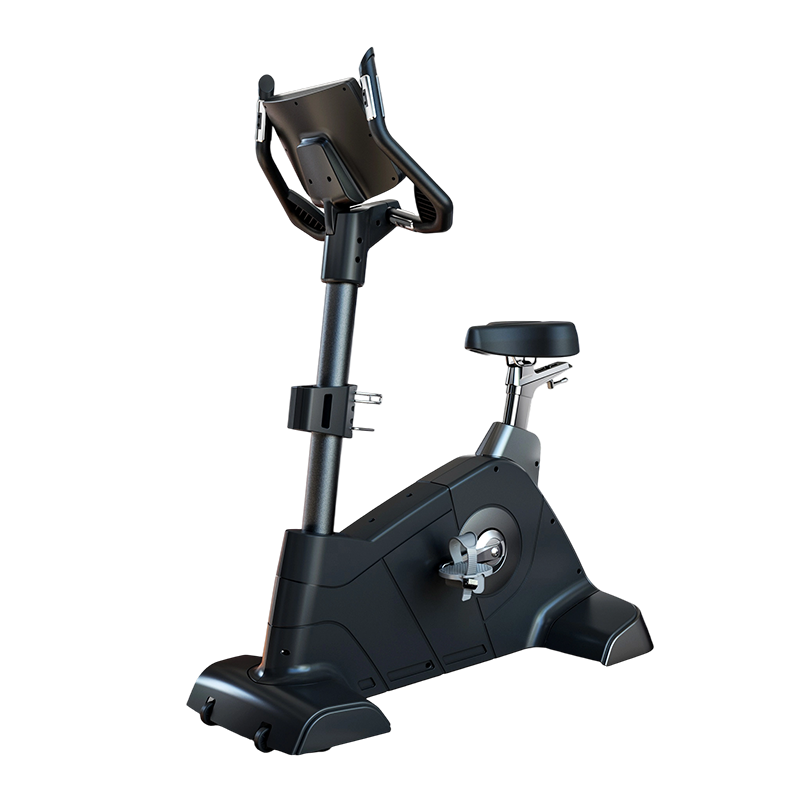
Low-impact joint-friendly cardio machines let users raise their heart rate without the repeated shock of foot strikes on a hard surface. Running and jumping can send forces of two to three times body weight through the ankles, knees and hips with each step. Equipment that keeps the feet supported on pedals, footplates or a seat, or that cushions each step, lowers this load and makes regular exercise more practical for many people.The main product families in this category are recumbent bikes, upright bikes, spin bikes used at moderate ZEIfort, elliptical trainers, rowing machines and cushioned treadmills. Each lowers joint stress in a different way. Bikes and ellipticals keep the feet in contact with moving surfaces, rowers use a seated pattern with a smooth drive and recovery, and treadmills rely on deck cushioning and a controlled walking speed.Zhejiang Everbright Industry manufactures upright bikes, recumbent bikes, spin bikes, ellipticals, treadmills and a rowing machine in Cixi, Ningbo. Its factory covers 127,000 square meters, more than 300 technical staff support design and testing, and about 80 percent of production is exported. Magnetic models run at 40 dB or below, and folding designs are available for compact spaces.This page is written for importers, distributors, wellness operators and fitness brands. It explains the design features that affect joint comfort, how to compare products, and how to describe them accurately. It does not give medical advice, and users with injuries or health conditions should follow guidance from a qualified professional.

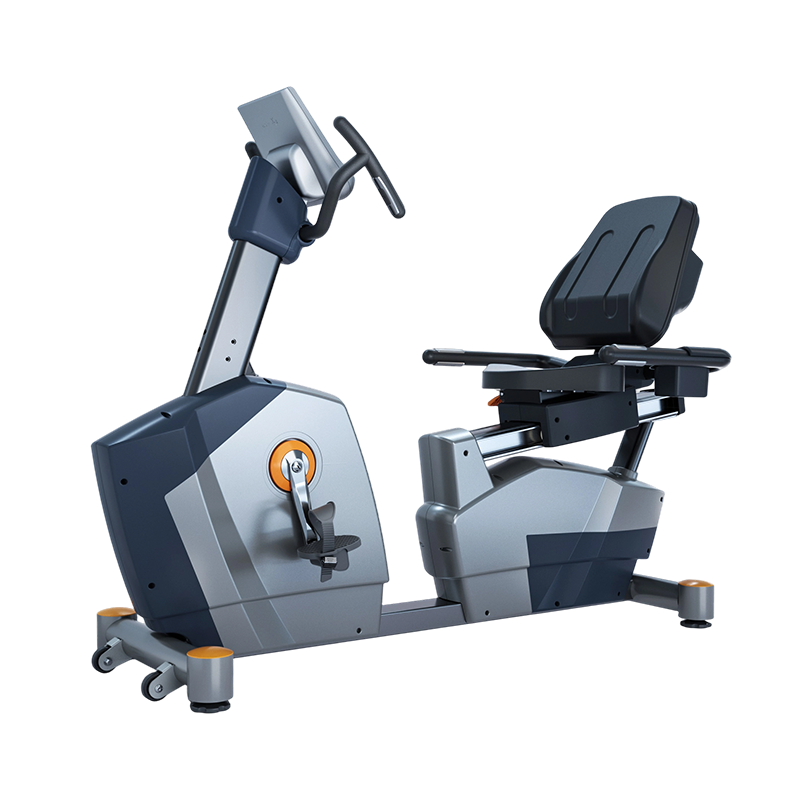
Technical Specifications and Features
Joint-friendly design depends on geometry, motion path and load control. On bikes, the distance between the saddle and pedals, the crank length and the Q-factor (the width between pedals) influence knee and hip alignment. On ellipticals, stride length and pedal angle determine how natural the motion feels. A stride length that is too short can force the knees into a cramped path, while a longer one suits taller users.
Smooth resistance also matters. Magnetic systems apply load evenly across the stroke, which avoids the jerks that can come from friction or poorly tuned brakes. Low starting resistance lets users begin at gentle levels, and fine adjustment steps allow gradual progression. Adjustable seats and handlebars let different body sizes find a comfortable position.
| Feature | Typical specification | Joint-related purpose |
|---|---|---|
| Recumbent seat | Backrest with seat slide, about 25 to 30 cm adjustment range | Supports the back and sets knee angle |
| Step-through frame | Low entry height, often 30 to 45 cm | Reduces the need to lift the leg high |
| Elliptical stride | Typically 35 to 50 cm | Natural path for different leg lengths |
| Pedal Q-factor | Typically 150 to 200 mm | Affects hip and knee alignment |
| Resistance | Magnetic, smooth, many fine steps | Gradual progression without jerks |
| Treadmill deck | Cushioning system, wide belt | Reduces impact from foot strike |
| Handlebars | Fixed and moving grips | Support balance and upper body |
| Maximum user weight | Typically 100 to 150 kg | DZEIines frame and seat rating |
Pedal straps, non-slip pedal surfaces and low minimum cadence requirements also help users who need a controlled movement. For clients, listing adjustment ranges clearly is more usZEIul than general comfort claims.
Professional Buying Guide
Start with the target user group. A product for older adults or people returning to exercise needs low step-through height, a supportive seat and simple controls. A product for general home users may prioritize a smaller footprint or a wider choice of programs. Writing these needs into the specification helps factories offer suitable models and avoids over-specifying.
Check adjustment ranges against the height range of your market. Seats, handlebars and pedals that cover a wider range of body sizes reduce the number of returns. Ask for dimension drawings and, where possible, a sample so that staff can sit on the machine in different positions. Confirm the rated user weight and that the test report matches the final production design.
| Criterion | What to check | Typical range or rZEIerence |
|---|---|---|
| Entry height | Step-through clearance | Often 30 to 45 cm on recumbent and step-through bikes |
| Seat adjustment | Range, locking method, backrest | About 25 to 30 cm slide range |
| Stride or crank | Elliptical stride, crank length | Stride 35 to 50 cm; crank 165 to 175 mm |
| Resistance steps | Lowest level and step size | Low starting load, 8 to 32 levels |
| Stability | Footprint, stabilizers, weight rating | Typically 100 to 150 kg |
| Console | Large text, few buttons | Basic to touchscreen |
| Safety standard | EN ISO 20957 series | Class H for home use |
| Customization | Logo, upholstery color, frame structure | OEM and ODM options |
Distributors should also ask about spare seats, pedals and grips, since these are the parts users touch most and that may need replacing first. A clear manual with illustrated adjustment steps reduces support requests.
Usage Advantages
The main benZEIit of low-impact machines is that users can exercise for longer and more often because there is less repeated shock to the joints. Seated or supported designs also help users who find balance difficult on a treadmill or outdoors. Many people use them for regular endurance exercise, as a cross-training option, or as part of a program set by a healthcare or fitness professional.
Good technique supports the design. Users should set the seat so that the knee remains slightly bent at the lowest pedal position, keep the back supported, and avoid locking joints at the end of each stroke. Beginning with short sessions and light resistance, then increasing time bZEIore increasing load, is a common approach. Anyone with pain, a recent injury or a medical condition should seek advice first.
| Advantage or tip | Explanation |
|---|---|
| Lower joint stress | Feet stay supported, so there is no landing shock |
| Seat height | Knee slightly bent at the bottom of the stroke |
| Back support | Recumbent seats hold the lower back in position |
| Gradual progression | Increase time first, then resistance |
| Warm-up | Start with 5 to 10 minutes at very light load |
| Elliptical posture | Stand upright and keep knees tracking over toes |
| Rowing technique | Push with the legs first, then lean back, then pull |
| Pain signals | Stop and consult a professional if pain develops |
Retail listings should describe these points as design features and usage tips, not as medical claims, because wording rules for health statements differ between markets.
Application Scenarios
Joint-friendly cardio equipment is used wherever regular exercise has to be accessible to a wide range of users. This includes home use by people of different ages and fitness levels, hotels and residential buildings, corporate wellness rooms, and rehabilitation or physiotherapy settings where professionals supervise the program.
Selecting the right type depends on user needs and space. Recumbent bikes provide the most support for the back and hips. Ellipticals give a full-body movement in a standing position. Rowing machines train the upper and lower body with a seated pattern, and cushioned treadmills allow walking with reduced impact.
| Scenario | Equipment needs | Planning notes |
|---|---|---|
| Home use by mixed ages | Upright or recumbent bike, elliptical | Choose wide adjustment ranges |
| Older adult housing | Recumbent bike with step-through | Add handrails and good lighting |
| Return to exercise programs | Bike or elliptical with low start load | Follow instructions from a qualified professional |
| Physiotherapy clinic | Recumbent bike, upper body options | Allow space for staff assistance |
| Hotel fitness room | Elliptical and bike | Include simple instruction labels |
| Corporate wellness room | Mixed low-impact set | Plan for peak-hour sharing |
| Cross-training | Spin bike at moderate load, rower | Alternate machines through the week |
| Small apartment | Folding bike or compact elliptical | Check storage and floor protection |
Brands entering this market often combine two or three models, such as a recumbent bike, an elliptical and a rowing machine, so that customers can match equipment to their own needs.
FAQ
Frequently Asked Questions
- Q: What makes a cardio machine low impact?
- A: The feet stay in contact with a supported surface such as pedals or footplates, or the deck cushions each step, so there is little landing shock to the joints.
- Q: Which low-impact machine suits most users?
- A: There is no single choice. Recumbent bikes give back support, upright bikes are compact, ellipticals give a standing full-body motion, and rowers use a seated pattern. The choice depends on user needs and space.
- Q: Does low impact mean low intensity?
- A: No. Users can reach high heart rates on bikes, ellipticals and rowers by raising resistance or speed. The difference is that there is less repeated shock to the joints.
- Q: What should I check on seat and stride adjustment?
- A: Check the range of the seat slide and backrest, and the stride length of ellipticals, against the height range of your customers. Wider ranges suit more users.
- Q: Can the product be customized for my brand?
- A: Yes. OEM and ODM orders from Everbright can change frame structure, upholstery color and brand logo. Confirm minimum order quantity and lead time with the quotation.
- Q: Are these machines medical devices?
- A: Standard cardio equipment is fitness equipment, not a medical device. Marketing should avoid medical claims, and users with health conditions should consult a professional.
- Q: What standard applies to safety testing?
- A: The EN ISO 20957 series covers stationary training equipment. Class H is for home use, and class S is for professional use. Importers should check local requirements as well.
Recommended LINS:
Low Impact Cardio Equipment Senior-Friendly Cardio Equipment Silent & Quiet Home Cardio Machines Foldable Space-Saving Cardio Machines Rehabilitation & Physical Therapy Cardio Machines Bluetooth & App-Connected Cardio Machines Senior-Friendly Fitness Machines Ergonomic Cardio Equipment