Silent & Quiet Home Cardio Machines
Introduction
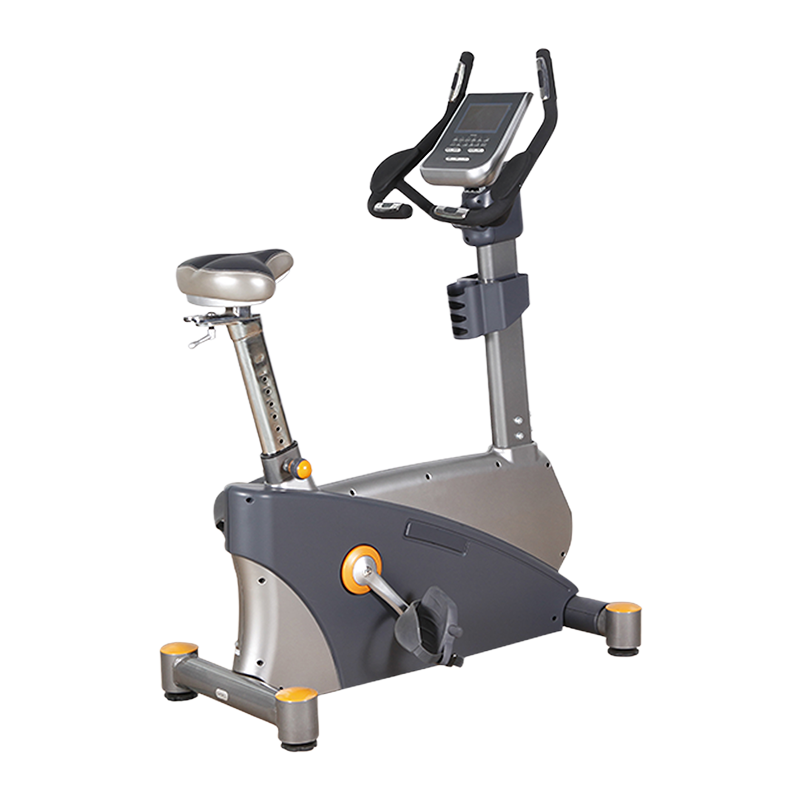
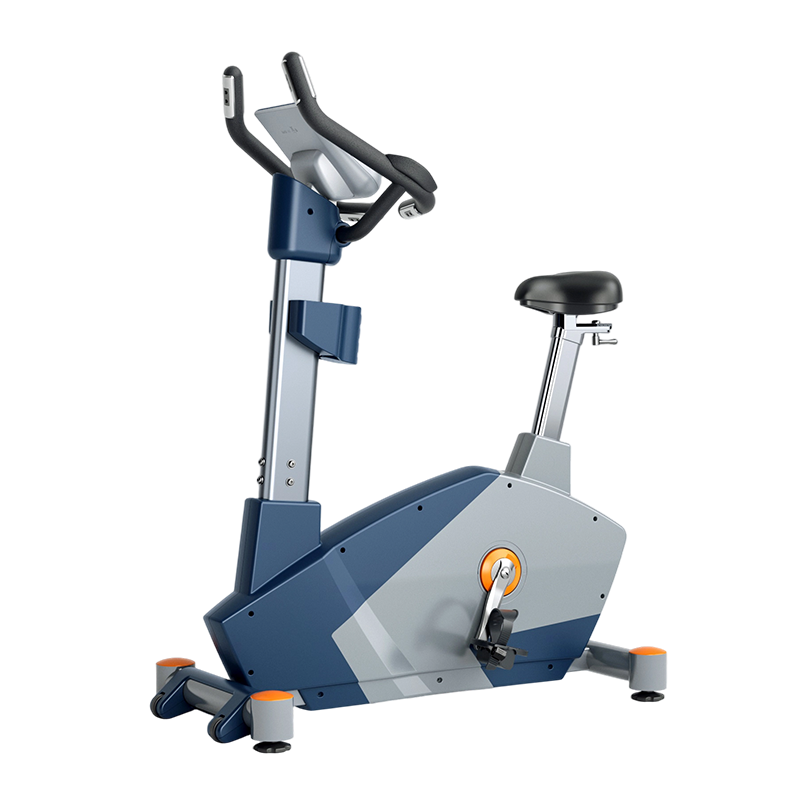
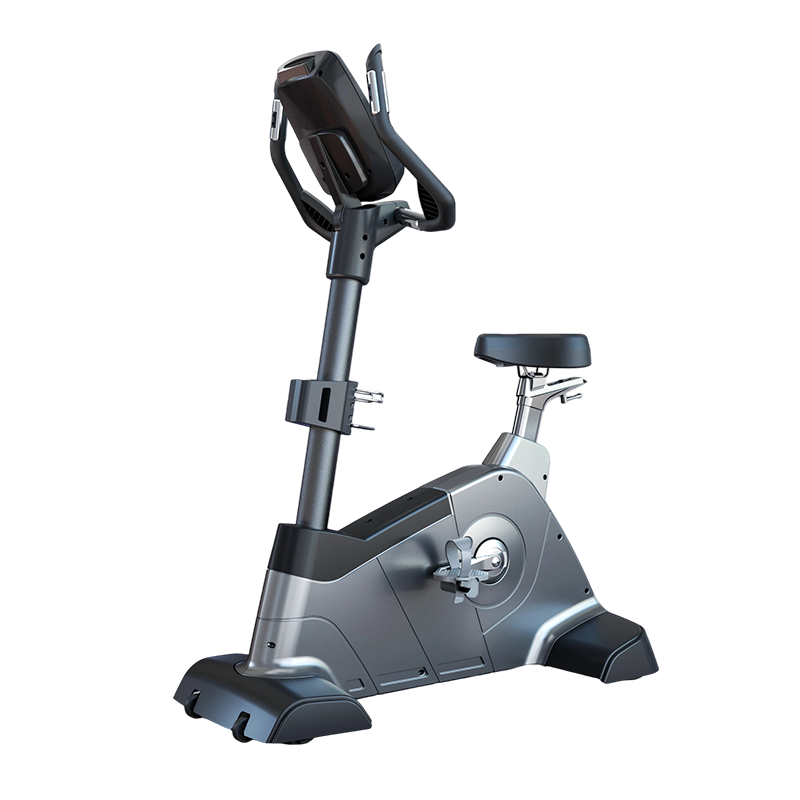
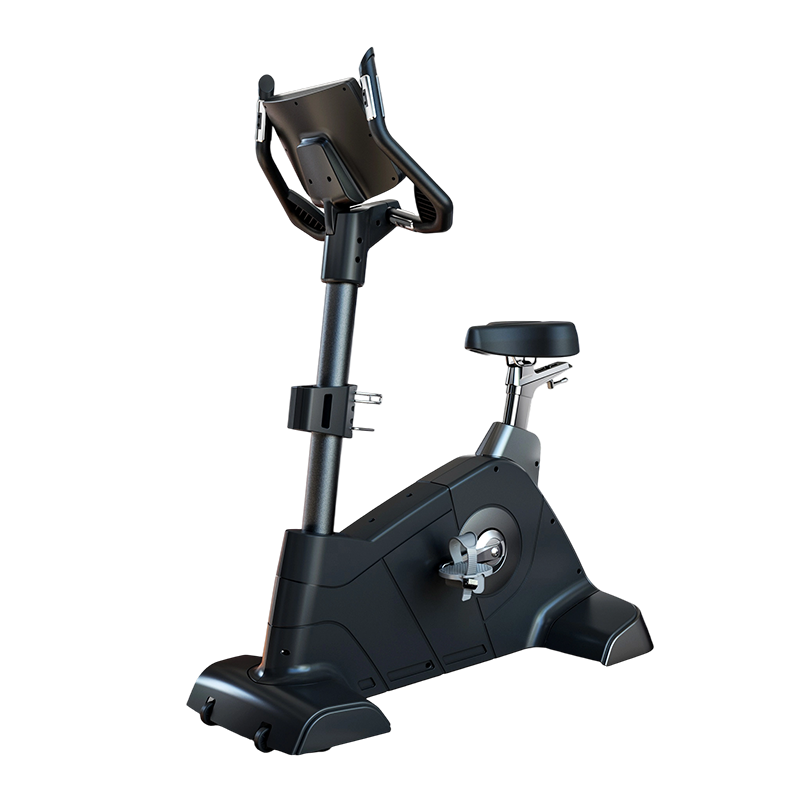
Silent and quiet home cardio machines are exercise bikes, ellipticals, treadmills and rowing machines designed to keep operating sound low enough for use in apartments, bedrooms, shared houses and rooms with sleeping children or neighbors. Noise matters in home fitness because exercise often happens early in the morning or late in the evening, and sound travels through floors and walls more than most users expect.Quiet operation does not come from one feature. It is the result of the resistance system, the drive, the bearings, the frame stiffness, the motor if one is fitted, and the way the machine meets the floor. Magnetic resistance and belt drive remove most of the mechanical noise sources on bikes and ellipticals. On treadmills, the motor, belt and deck cushioning are the main contributors, and impact sound from foot strikes is often louder than the motor.Zhejiang Everbright Industry produces cardio equipment in Cixi, Ningbo, including upright bikes, recumbent bikes, spin bikes, ellipticals, treadmills and a rowing machine. Magnetic models in the range are built to run at 40 dB or below, a level that is similar to a quiet library or a rZEIrigerator hum at close range. The company works with a factory area of 127,000 square meters and more than 300 technical staff, and about 80 percent of its output is exported.The sections below cover the technical features that reduce noise, how buyers can verify claims, and how installation and maintenance affect sound over time. Importers and retailers can use this information to compare products on consistent terms and to write accurate listings.

Technical Specifications and Features
Sound level is usually described in decibels (dB). Because the decibel scale is logarithmic, a drop of about 10 dB is perceived by most people as roughly half as loud. A machine that measures 40 dB or below at normal use is much quieter than one at 60 dB, which is close to normal conversation. Buyers should ask how and where the measurement was taken, since distance from the machine and background noise change the result.
The main design choices that lower sound are contactless magnetic resistance, belt drive in place of chain, sealed bearings, balanced flywheels, rigid frames that do not rattle, and rubber or polymer parts at contact points. Self-generating electromagnetic resistance bikes also remove the need for a power adapter, but the noise advantage still comes mainly from the brake and drive design.
| Feature | Typical specification | ZEIfect on noise |
|---|---|---|
| Resistance system | Magnetic, contactless | Removes brake pad friction sound |
| Drive | Belt, often multi-groove | Lower sound than chain |
| Bearings | Sealed deep groove bearings | Reduces grinding and hum with age |
| Flywheel | Balanced, about 3 to 13 kg | Less vibration at speed |
| Sound level | 40 dB or below on magnetic models | Suits shared living spaces |
| Frame joints | Welded tube with fitted end caps | Limits rattling under load |
| Floor contact | Rubber feet, adjustable stabilizers | Reduces vibration into the floor |
| Treadmill motor | Continuous duty DC motor, typically 1.5 to 3.0 HP peak | Lower motor load runs cooler and quieter |
Treadmills need additional attention. A cushioned deck absorbs foot strikes, and a belt of the right thickness and tension reduces slap and squeak. Folding designs should use hydraulic or gas assist so that the deck does not drop with a bang when released.
Professional Buying Guide
Noise claims differ in how they are measured, so the first step is to ask for the method. A fair comparison uses the same distance from the machine, the same load or speed, and a quiet room. Ask whether the figure is a peak value or an average, and whether it was taken at low or high resistance. A statement such as 40 dB or below should be supported by a written test record from the factory or a laboratory.
Buyers should also consider how the sound changes with time. New machines are usually quiet, but poor bearings, loose frames or a belt that glazes can cause noise to grow within months. Ask about bearing type, belt specification and the torque control process at assembly. Sample units are worth running for several hours bZEIore an order is confirmed.
| Criterion | What to check | Typical range or rZEIerence |
|---|---|---|
| Measured noise | Distance, load, background level | 40 dB or below for magnetic bikes |
| Resistance type | Magnetic or friction | Magnetic for lowest sound |
| Drive and bearings | Belt type, sealed bearings | Belt drive with sealed bearings |
| Frame stiffness | Shake test while pedaling hard | No visible flex or rattle |
| Floor protection | Feet, mat compatibility | Adjustable rubber stabilizers |
| Treadmill deck | Cushioning and belt ply | Typically 2 ply belt or thicker |
| Space fit | Folded and in-use dimensions | Compare with room plan |
| Customization | Logo, upholstery color, structure | OEM and ODM available |
Importers often ask whether the noise performance is the same across production batches. A reasonable request is a sampling plan for sound checks at the end of the line, along with the factory's incoming inspection of bearings and belts.
Usage Advantages
The most direct benZEIit of a quiet cardio machine is that it can be used at times when louder equipment would cause complaints. This improves how regularly people exercise, since scheduling around noise is a common reason home equipment goes unused. Low sound also makes it possible to talk, listen to a video or take a phone call while training.
User habits still affect noise. Pedaling or striding smoothly, keeping the saddle and handlebar locked, and avoiding sudden resistance changes help keep the machine quiet. Placing the equipment on a dense mat spreads vibration and protects the floor. In multi-story buildings, place the machine away from shared walls and over load-bearing sections of the floor when possible.
| Advantage or tip | Explanation |
|---|---|
| Early and late use | Low sound allows exercise without disturbing others |
| Conversation and media | Users can hear instructions, video or music |
| Mat placement | A dense rubber mat reduces transmitted vibration |
| Smooth cadence | Even pedaling limits belt and bearing stress |
| Locked adjusters | Tight pins and knobs prevent clicking sounds |
| Treadmill stride | A light foot strike lowers impact noise |
| Resistance changes | Change levels gradually during intervals |
| Wall distance | Leave a gap to avoid sound rZEIlection and scuffs |
Sound measured on a phone app is not a laboratory result, but it can help a user compare the same machine bZEIore and after changes such as adding a mat or tightening bolts.
Application Scenarios
Quiet cardio machines are chosen where sound control is part of the purchase decision. This includes private homes, apartments, student housing, hotel rooms and any building where exercise areas share structure with living or working space. Buyers in these markets often ask for a stated noise figure, and listing it accurately helps reduce returns.
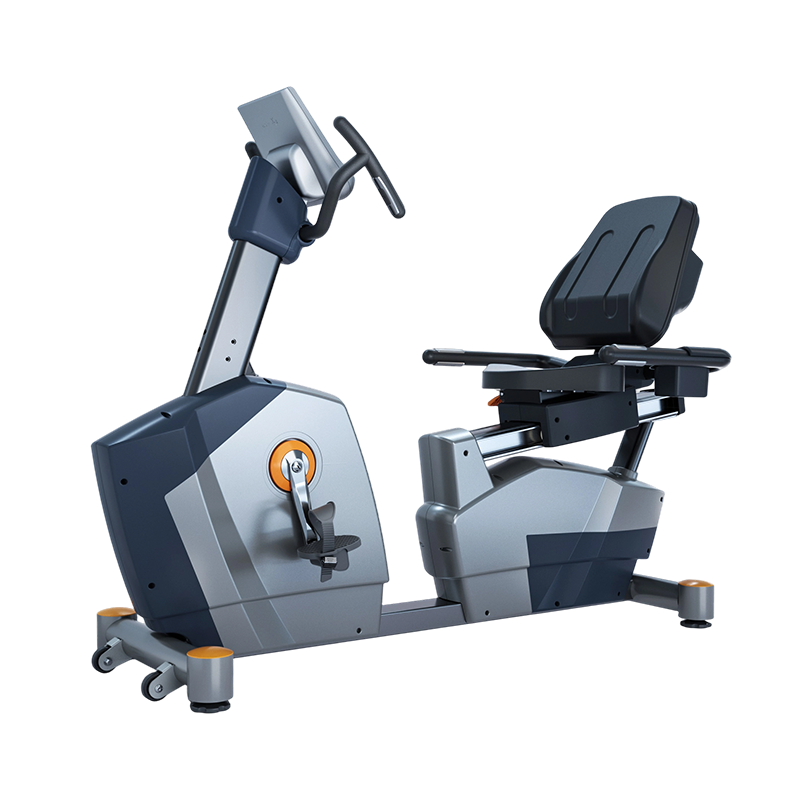
The right equipment type depends on the space. Bikes and ellipticals are normally quieter than treadmills, and recumbent bikes suit users who prZEIer a seated position. Rowing machines with magnetic resistance are quieter than air types, though the seat rolling on the rail still creates some sound.
| Scenario | Equipment needs | Planning notes |
|---|---|---|
| Apartment living room | Folding bike or compact elliptical | Use a mat and leave space to store |
| Bedroom or study | Magnetic upright or recumbent bike | Choose models at 40 dB or below |
| Shared house | Magnetic bike with timer or program | Agree on hours and place away from shared walls |
| Hotel guest room | Compact bike | Needs stable frame and simple controls |
| Home office | Under-desk or low-profile bike | Check seat and desk height |
| Family home with children | Models with covered flywheel and stable base | Keep away from play areas |
| Retail showroom | Demo unit with quiet mode | Show noise next to a friction model |
| Care or retirement housing | Recumbent bike | Low noise helps neighbors and residents |
Distributors can group quiet models into a single category on their sites and describe them with the measured sound level and the floor and mat guidance above.
FAQ
Frequently Asked Questions
- Q: How quiet is 40 dB?
- A: About 40 dB is similar to a quiet room or a library. It is much quieter than normal speech, which is around 60 dB. Actual perceived sound also depends on the floor and the room.
- Q: Which type of cardio machine is the quietest?
- A: Magnetic bikes and ellipticals with belt drive are usually the quietest. Treadmills tend to be louder because of the motor and foot impact on the deck.
- Q: Does a mat really reduce noise?
- A: Yes. A dense mat reduces vibration passed into the floor and walls, which is often the part neighbors hear. It does not change the sound the machine makes in the room itself.
- Q: Why does my machine get louder over time?
- A: Common causes are loose bolts, worn bearings, a glazed or loose belt, dust build-up and an unlevel frame. Regular checks usually restore normal sound levels.
- Q: Can quiet models be made with my own logo and colors?
- A: Yes. OEM and ODM options cover structure, upholstery color and brand logo. Ask for samples to confirm that changes to parts do not alter the sound.
- Q: How should importers verify a noise claim?
- A: Ask for the measurement method, distance, load setting and a written record. Test a sample unit in a quiet room and compare it with other models using the same method.
- Q: Are self-generating bikes quieter than powered ones?
- A: Not by dZEIault. The noise level comes mainly from the brake, drive and bearings. The advantage of self-generating bikes is that they do not need an outlet.
Recommended LINS:
Home Gym Cardio Equipment Bluetooth & App-Connected Cardio Machines Low-Impact Joint-Friendly Cardio Machines Home Gym Fitness Equipment Foldable Space-Saving Cardio Machines Whisper-Quiet Workout Machines Rehabilitation & Physical Therapy Cardio Machines Heart Rate Monitoring Cardio Equipment