Nov 16, 2026
Content
Set a treadmill to a 12% incline, walk at 3 mph, and stay there for 30 minutes. That is the whole 12-3-30 workout. No intervals, no sprinting, no equipment beyond the machine in front of you. It looks too plain to matter, which is exactly why it spread so quickly: the only decision you make is pressing start.
Here is the short answer before the detail. For a healthy adult who can walk continuously, the routine delivers a genuine aerobic stimulus at roughly 2.5 times the energy cost of walking the same speed on flat ground. Whether you actually get that stimulus depends on two things most people never check: whether the machine truly reaches 12%, and whether you keep your hands off the rails.
Everything below covers what the numbers mean, how to calibrate a treadmill for it, how to progress from week one to week four without wrecking your calves, how many calories it really burns, where it goes wrong, and how to slot it into a week that also includes other training.
The name is a specification, not a slogan. Twelve percent incline. Three miles per hour. Thirty minutes. The routine was popularised in late 2019 by fitness creator Lauren Giraldo, who shared the exact settings her trainer had given her. Social media carried it from there, but the format survived because it removes judgment: at 3 mph you are walking, not running, so there is no pace decision to agonise over, and the 12% grade does the work that speed would normally do.
The conversions are worth holding in your head, because treadmills differ by region. Three miles per hour is about 4.8 kilometres per hour. A 12% grade means 12 units of rise for every 100 units of forward travel, which works out to roughly 6.8 degrees — steeper than most people picture when they hear "incline walk."
At full speed for the full duration you cover 1.5 miles, or about 2.4 kilometres, and climb somewhere near 290 metres of vertical gain. That last figure surprises people. Thirty minutes of 12-3-30 is comparable to walking up a 60-storey tower, which is a useful way to explain the fatigue in your glutes the next morning.
| Variable | Setting | Metric Equivalent | What It Controls |
|---|---|---|---|
| Incline | 12% | About 6.8 degrees | The main intensity switch |
| Speed | 3 mph | 4.8 km/h | Keeps effort aerobic rather than anaerobic |
| Duration | 30 minutes | 1.5 mi / 2.4 km | Long enough to accumulate, short enough to repeat |
| Total climb | Held at 12% | About 290 m | Explains the glute and calf load |
Walking at 3 mph on a flat belt is light activity. The American College of Sports Medicine walking equation puts it near 3.3 METs — about three times resting metabolism. Raise the belt to a 12% grade and the same speed lands somewhere near 8.3 METs, using the standard formula VO2 = (0.1 x speed) + (1.8 x speed x grade) + 3.5, with speed in metres per minute and grade as a decimal. At 80.5 m/min and 0.12 grade, that produces roughly 28.9 mL/kg/min, which divides back to about 8.3 METs.
In plain terms, the grade multiplies the metabolic cost by about 2.5 without asking you to move your legs any faster. That is the entire appeal. Joint impact stays in the walking range, but the cardiovascular and muscular demand climbs into territory you would normally have to run to reach.
The muscles doing the extra work are not the ones people expect. At 12% your glutes and hamstrings drive hip extension against gravity, your calves and tibialis anterior spend thirty minutes managing ankle position on a slope, and your core stays subtly braced because your centre of mass keeps wanting to drift backward. That combination is why regular 12-3-30 sessions tend to feel harder in the posterior chain than in the lungs.
Most people settle into roughly 60% to 75% of heart rate reserve once they stop holding the rails. Using the Karvonen method — reserve multiplied by intensity, plus resting heart rate — a 40-year-old with a resting rate of 62 would see a target band of about 133 to 151 beats per minute. If you are sitting above 80% of reserve on a walking protocol, either the grade is higher than you think or you are gripping the handles and pulling yourself upward, which changes the exercise entirely.
This is where most of the frustration with 12-3-30 comes from, and it has nothing to do with effort. It is a calibration problem.
A large share of home treadmills label their highest setting "12" while delivering something closer to 9% or 10% of actual rise. On a machine where the running deck is 140 cm long, a true 12% grade means the front edge sits roughly 16.8 cm higher than the rear. Measure it once, in a stopped state, with the belt locked. If your machine reaches only 10 cm, you are training at about 7% and quietly cutting the workload by nearly a third.
Three miles per hour is 80.5 metres per minute. With a comfortable stride of roughly 65 cm, that puts cadence near 120 to 125 steps per minute. Do not lengthen your stride to chase the belt; shorter, quicker steps keep your hips stacked over your feet and take pressure off the front of the knee. If a machine will not hold a steady 4.8 km/h under load, the belt is slipping and the whole protocol becomes guesswork.
Thirty continuous minutes at 12% is not a stroll. If your attention drifts and a foot lands half on the belt, the key is the difference between a stumble and a fall. Clip it to your waistband, not your sleeve.
Grade accuracy has quietly become one of the dividing lines between entry-level and mid-range machines, and the shift is visible across the home treadmill market as smart upgrades spread — motor control that reports incline honestly rather than approximating it.
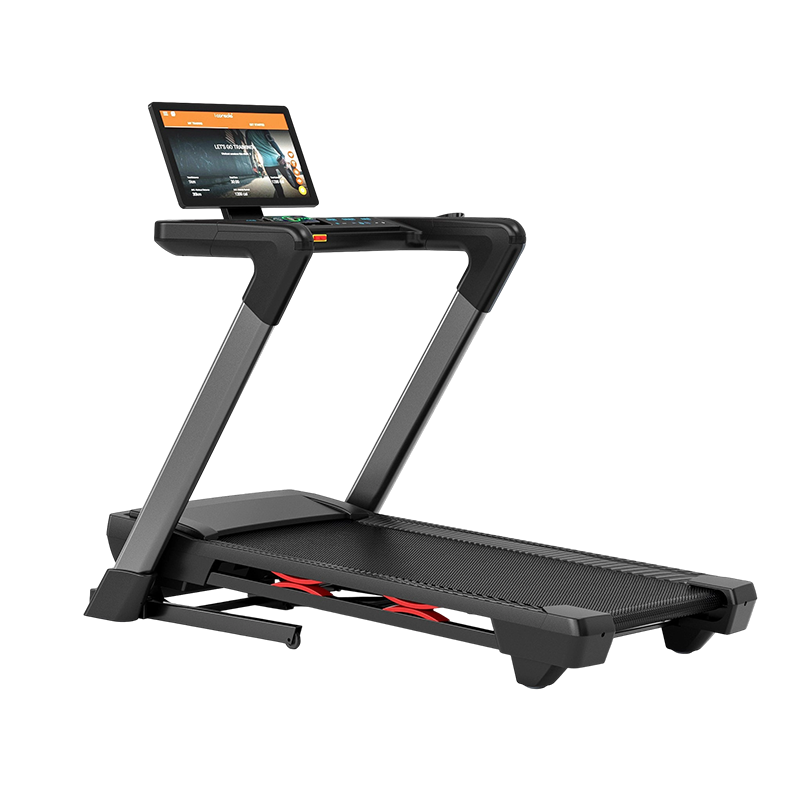 Adjustable Incline Treadmill SuppliersEB340 new home-used treadmill with innovation designView Product →
Jumping straight into 30 minutes at 12% is the single most common reason people quit in week one. The Achilles tendon and the plantar fascia need time, and neither sends a warning until it is already irritated. Build like this instead, and move to the next step only when you finish the last five minutes with your hands entirely off the machine.
Bookend every session with five minutes of easy flat walking. The warm-up matters more on an incline than on flat ground because the calf complex is going from a resting length to a stretched, loaded position, and cold tissue does not like that transition.
Once 30 minutes feels controlled, add difficulty in this order: extend to 35 minutes, then raise speed in 0.2 mph steps up to about 3.6 mph, then take short climbs to 14%. Always change one variable at a time, and hold each new setting for at least two weeks before touching anything else.
Energy expenditure scales with body mass, so the honest answer depends on your weight. Applying the 8.3 MET value from the ACSM equation to the standard conversion (METs x 3.5 x body weight in kg / 200) gives kilocalories per minute, which multiplies out to the figures below.
| Body Weight | 30 Min at 12-3-30 | 30 Min Flat at 3 mph | Difference |
|---|---|---|---|
| 60 kg | About 262 kcal | About 104 kcal | About 158 kcal |
| 70 kg | About 305 kcal | About 121 kcal | About 184 kcal |
| 80 kg | About 349 kcal | About 138 kcal | About 211 kcal |
| 90 kg | About 391 kcal | About 156 kcal | About 235 kcal |
Someone at 70 kg who completes four sessions a week spends roughly 1,220 extra kilocalories compared with sitting still. That is a meaningful contribution but not a transformation on its own — approximately one third of a kilogram of fat per month if nothing else in the diet changes. Body composition shifts only when the training is paired with an energy deficit you can actually sustain.
One note on afterburn. Walking protocols sit in the moderate-intensity range, where excess post-exercise oxygen consumption is small — typically 5% to 10% of the session cost, not the 20% figures sometimes quoted for hard interval work. The value of 12-3-30 is the session itself and the fact that you will repeat it tomorrow, not a metabolic bonus you collect afterward.
Five identical incline sessions per week load the same tendon in the same direction. Substituting two of them keeps total training volume while changing the pattern, and the aerobic benefit barely changes because the intensity lands in a similar band.
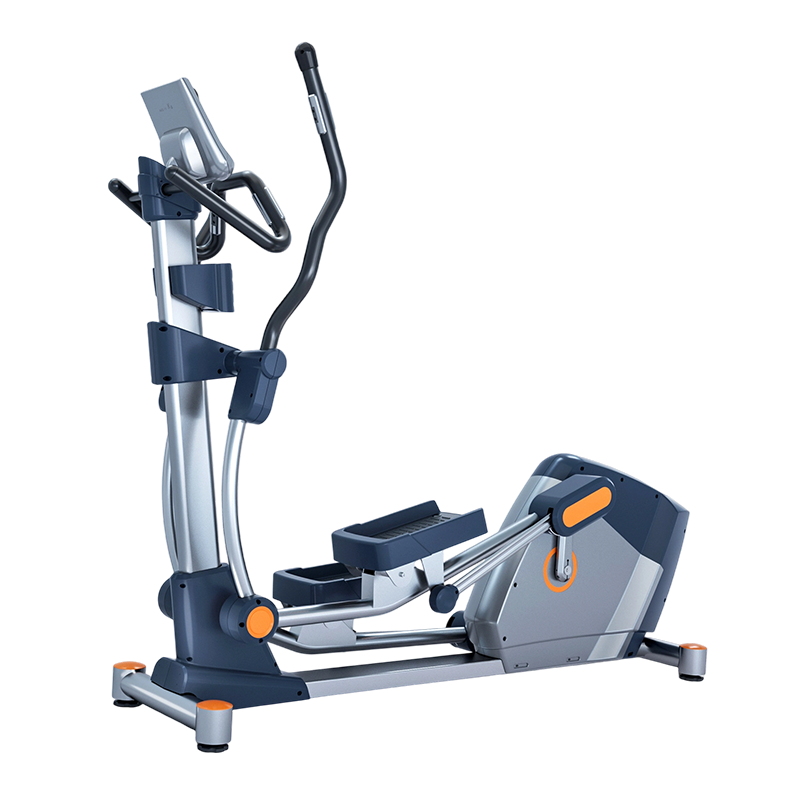
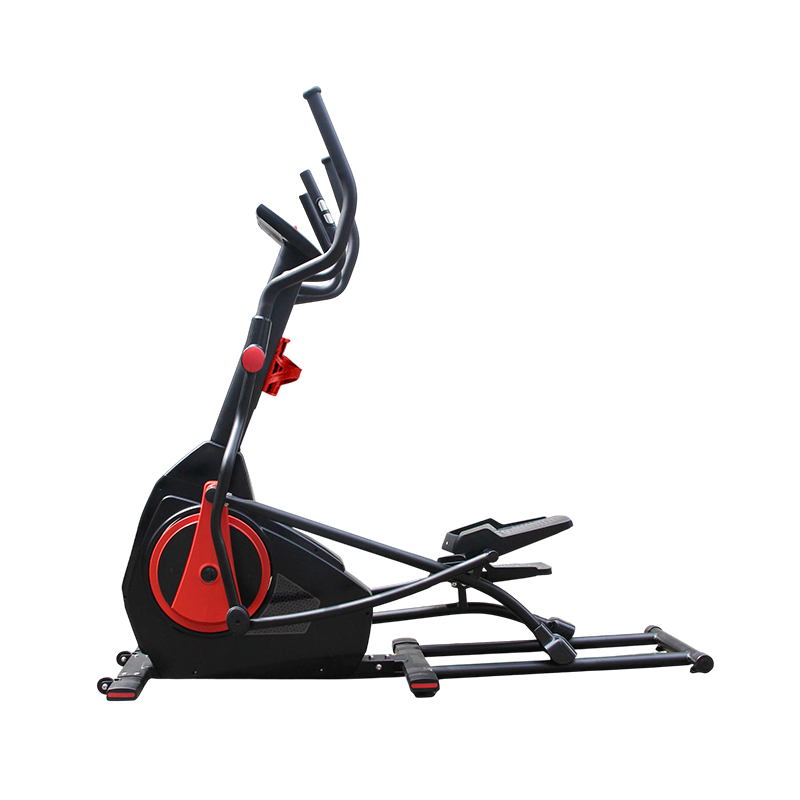
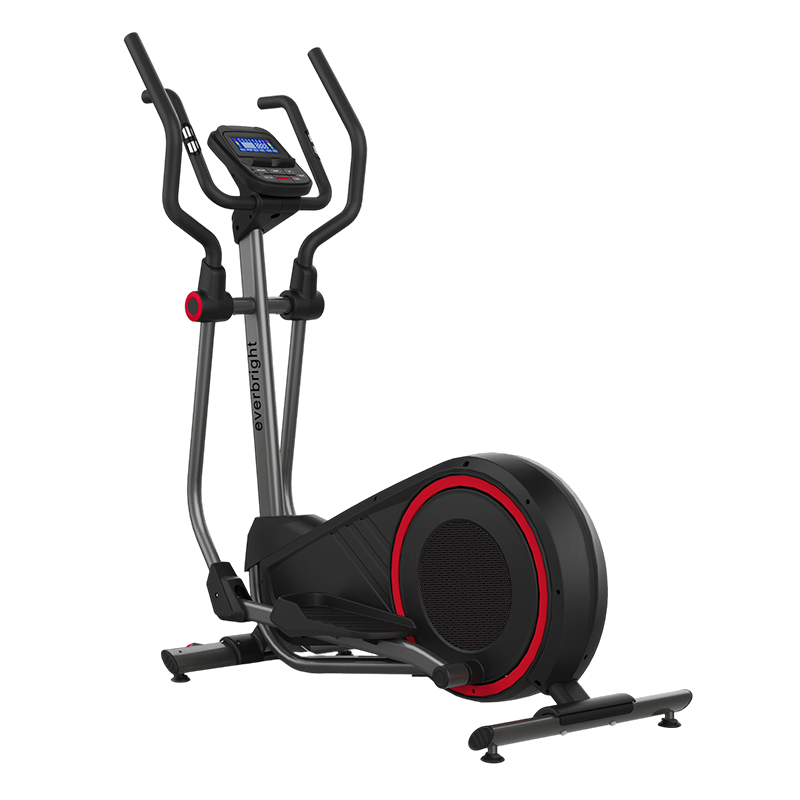
A front-drive or rear-drive elliptical reproduces the climbing motion with the feet locked to pedals, which removes the balance demand entirely and takes the repeated impact off the heel. Moving the arms against resistance also raises the cardiovascular cost without asking more of the calves, which is useful on days when your lower legs still feel the previous session. Machines built around wide, adjustable stride paths handle this substitution best, since the range of motion can be matched to your own hip angle rather than to a fixed pedal spacing.
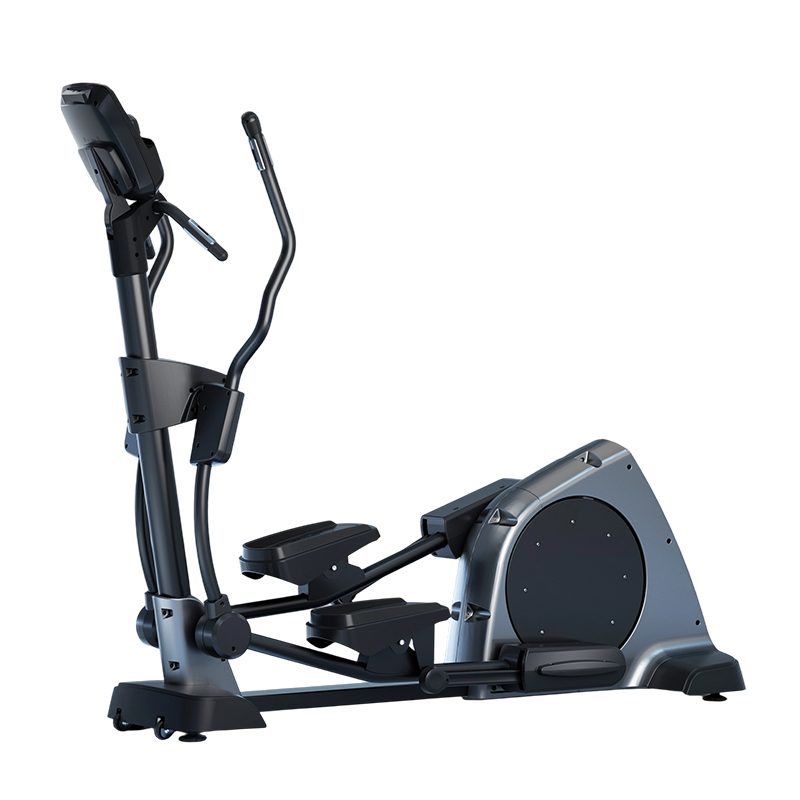 EB5200L Wide-Step Commercial Elliptical MachineInstrument Features: 1) A large 7-inch (158*97) display provides clear and intuitive data display, making it easy for users to quickly read information. 2) The meter f...View Product →
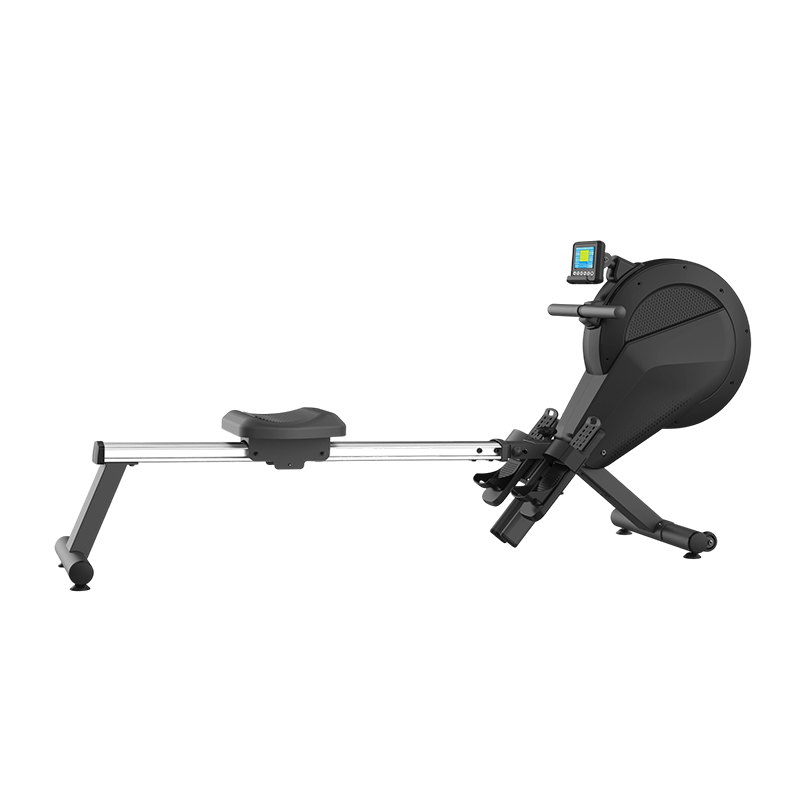
Rowing is the other sensible swap. It trains the posterior chain through hip extension and adds a genuine upper-body pull that incline walking never touches, which matters if your weekly plan is otherwise all legs and lungs. Keep the stroke rate around 20 to 24 per minute and the damper low, and treat it as steady aerobic work rather than a sprint piece.
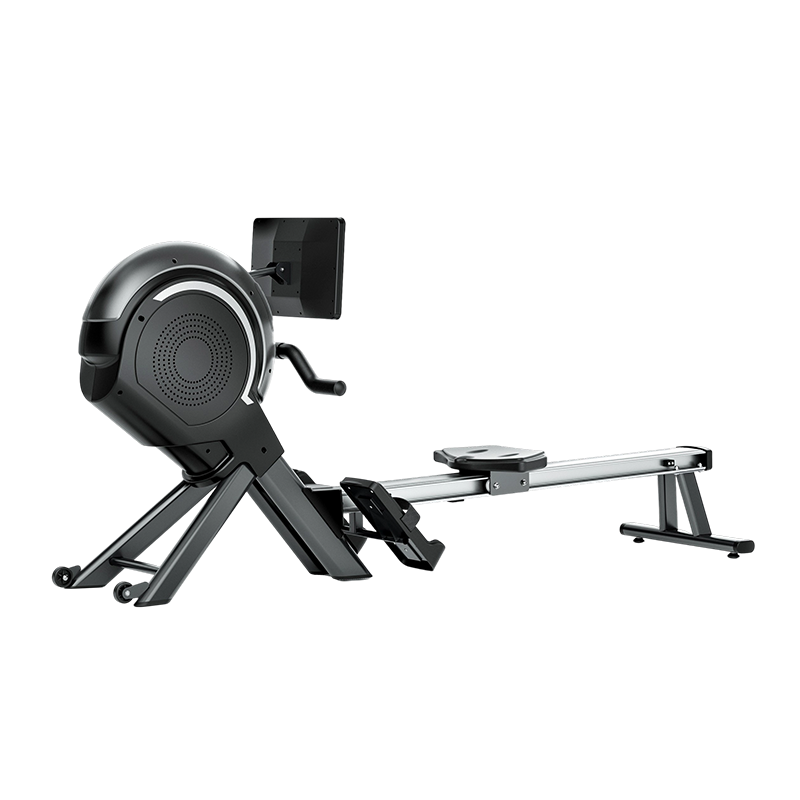 R500 High End Home Use Rowing MachineInstrument Features: 1) Equipped with a large 15.6-inch TFT screen, the display area is spacious and the data content is clearly visible, eliminating the need for effo...View Product →
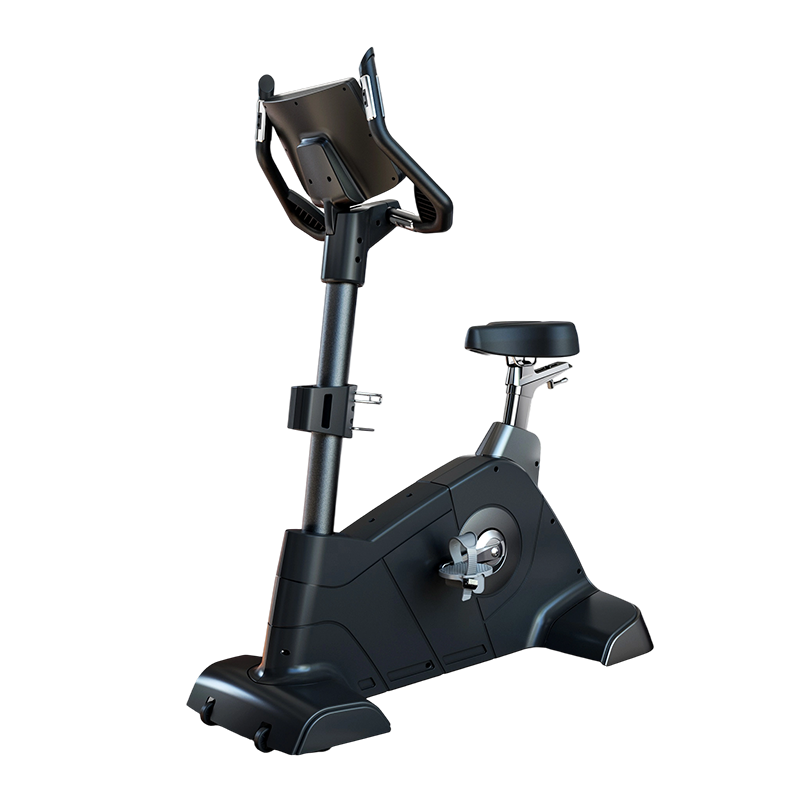
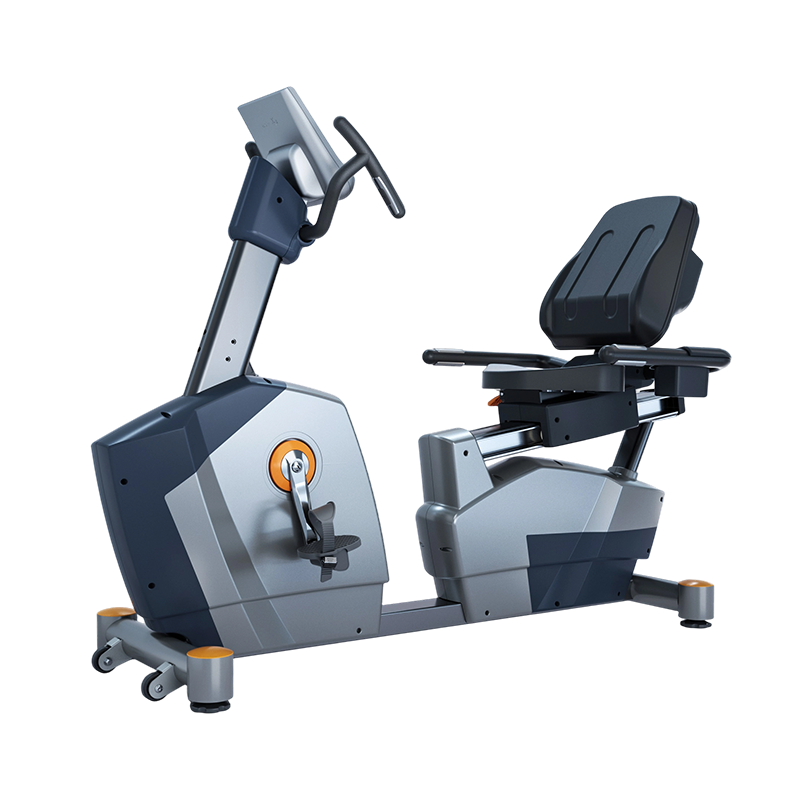
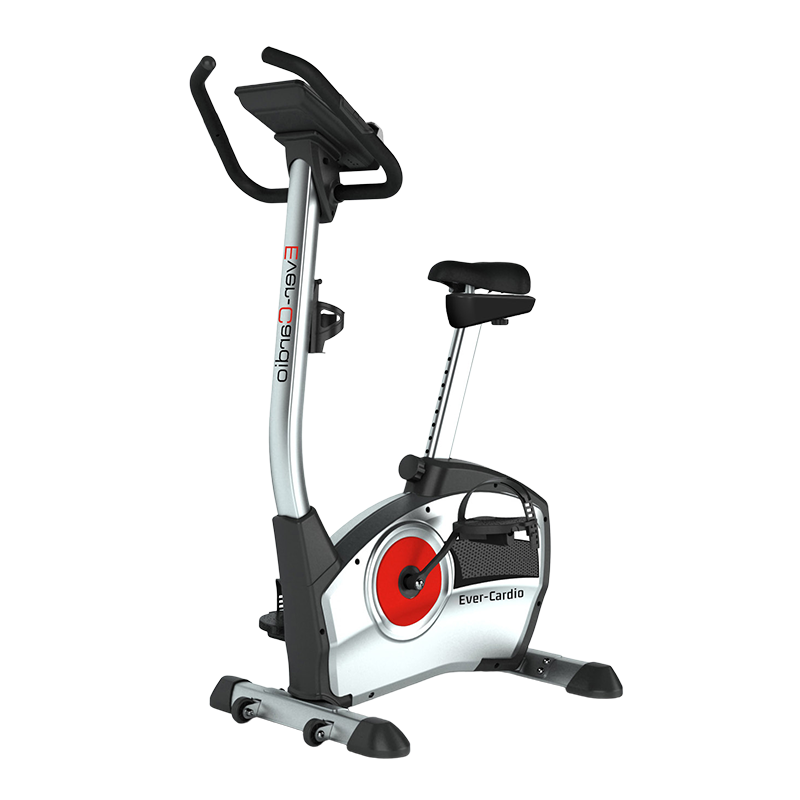
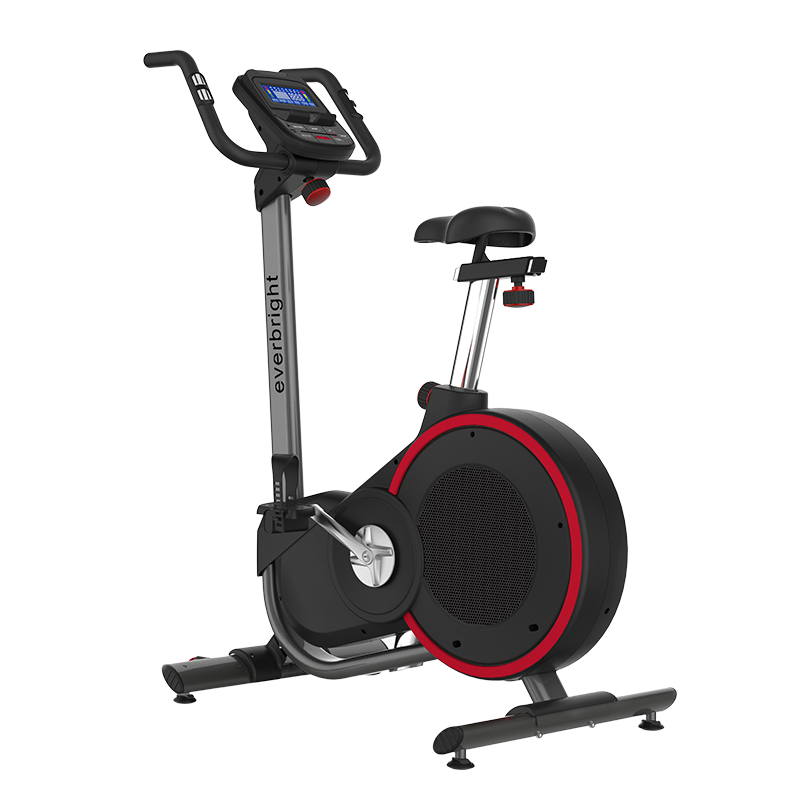
Upright and recumbent bikes slot in on the same logic. A recumbent takes the lower back and balance out of the picture, which helps on days when you want the heart rate without any postural demand at all.
Three groups consistently find the standard protocol uncomfortable rather than productive.
People with unresolved lower-limb pain or a recent injury will feel a 12% grade most acutely in the Achilles and the front of the knee. Dropping to 6% and extending duration gives a comparable aerobic load with far less tissue strain. If you are pregnant, or you have a balance issue, or you have recently had surgery, get clearance before adding an incline component — the centre-of-mass drift on a slope is the part that catches people out, not the speed.
Anyone new to structured training should also start with duration rather than grade. Fifteen minutes at 6%, completed without needing the rails, beats an abandoned attempt at 12% every time. Consistency beats intensity in the first six weeks, and the four-week ramp exists precisely to protect that.
Yes, in a softened version. Start at 6% for 15 minutes and add grade or time weekly. Most beginners reach the full protocol in three to five weeks, and the limiting factor is almost always calf tolerance rather than cardiovascular fitness.
You can, but there is little to gain. Three to five sessions a week captures nearly all the aerobic benefit and gives connective tissue time to adapt. Alternating with a low-impact machine is a better use of the same thirty minutes.
No workout burns only fat. Incline walking sits in an intensity range where fat contributes a substantial share of the fuel mix, but total energy balance decides whether fat mass changes. Use the calorie figures as one input into a weekly deficit, not as a standalone result.
Compensate by extending duration to 35 or 40 minutes at the highest honest grade available, or add a small amount of speed. A measured 9% for 35 minutes produces a broadly similar total work output to 12% for 30.
Running at a 12% grade is a different exercise with a much higher impact load and far greater ankle demand. It is not a substitute — it is a progression with its own risks, and it should be introduced gradually if at all.
Cardiovascular markers such as resting heart rate and recovery speed typically move within three to four weeks of consistent sessions. Visible body composition change depends almost entirely on nutrition and takes longer, usually eight weeks or more.
Neither is universally better; they stress different systems. Intervals improve peak capacity in less time, while 12-3-30 builds an aerobic base with far lower recovery cost. Many people run one interval session and three steady incline sessions per week and get the benefits of both.
The 12-3-30 workout earns its popularity for an unglamorous reason: it is easy to repeat. Twelve percent, three miles per hour, thirty minutes. What turns those settings into a training effect is measurement — confirming the grade is genuine, keeping your hands off the rails, and building duration before grade. Get those three things right and thirty minutes on an incline becomes one of the most reliable aerobic habits you can own. Get them wrong and you are thirty minutes into a session that feels hard and delivers less than half of what you signed up for.
Hot Products

Phone: +86-152 5836 5876
TEL: +86-574 6322 1199
Email: mandy@evbfit.com
Address: No. 518 Zhengtong Road, Kandun Street, Cixi, Ningbo, Zhejiang, China
Copyright © Zhejiang Everbright Industry, Inc. All Rights Reserved. Custom Exercise Bikes Manufacturers China Stationary Bikes Factory