Sep 28, 2026
Content
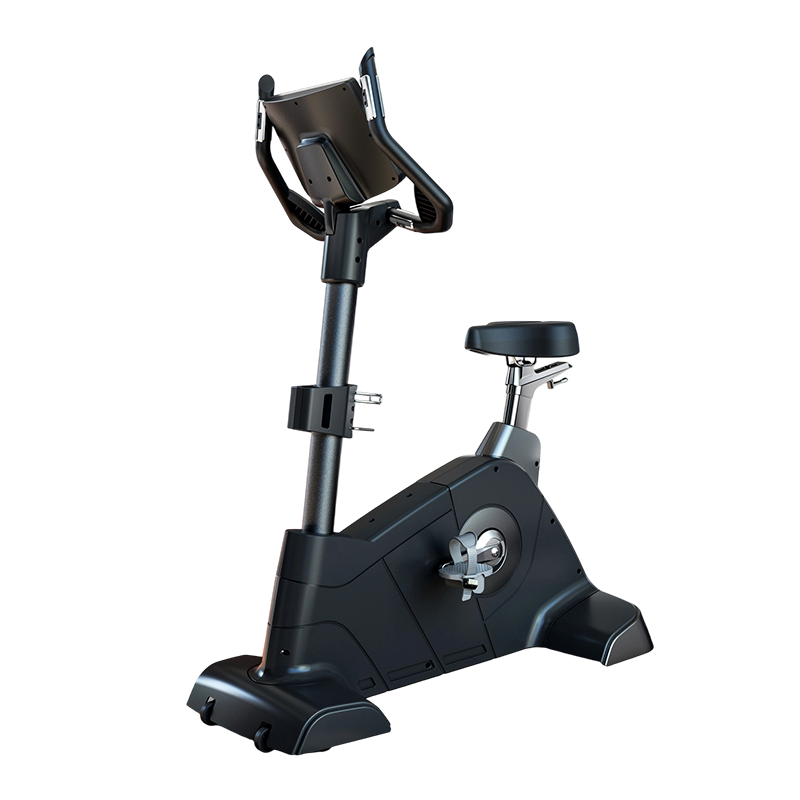
After years of producing upright exercise bikes for international fitness brands, we get one question more than any other: what is the best upright bike? The straightforward answer is that no single model wins across every situation. The best upright bike for your home gym is the one that meets your actual training needs, your floor space, and your tolerance for maintenance. From our perspective on the factory floor, three factors decide most of the experience: how the resistance system behaves over years of use, how rigid the frame is under real pedaling forces, and how much adjustment the bike offers for different body types.
Let us walk through these factors and the buying logic that should sit behind them. We will also explain why a high price does not automatically mean a high-quality product for your specific use.
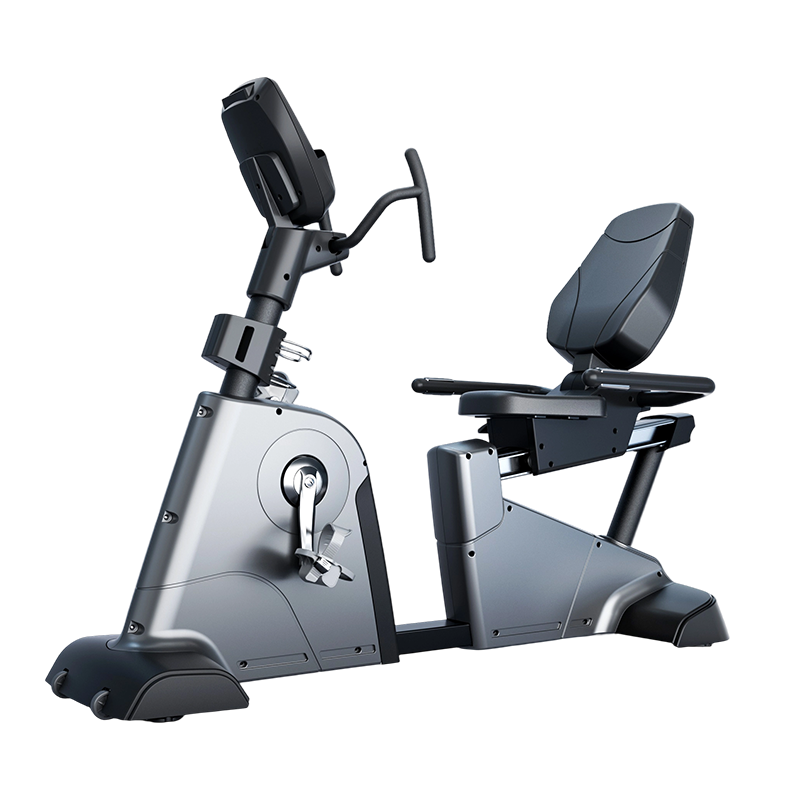
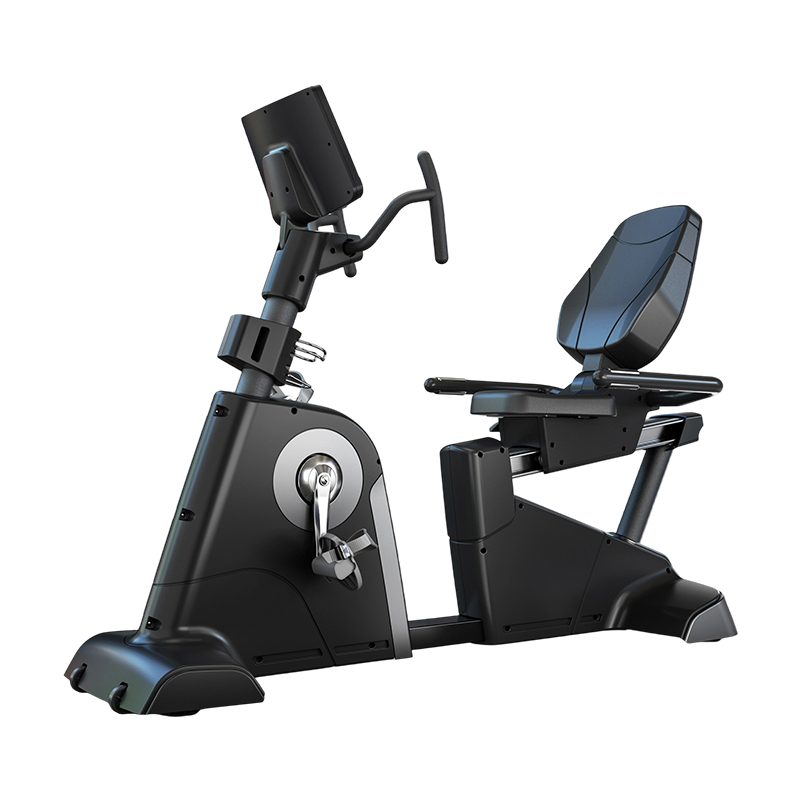
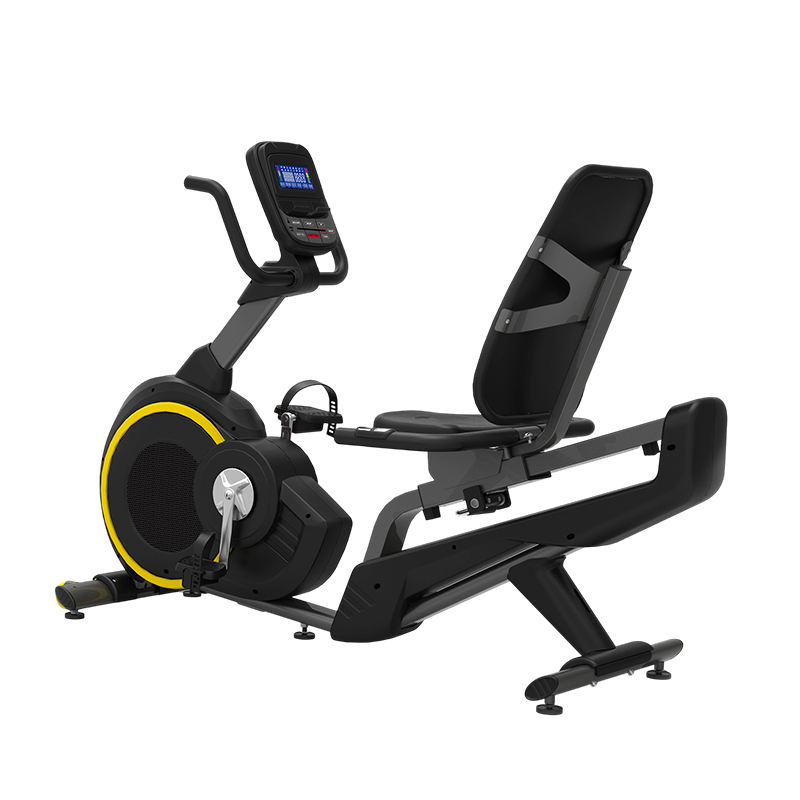
Although upright bikes share a general silhouette, they serve a different purpose than recumbent bikes or spin bikes. The table below summarizes the practical differences from a training and equipment perspective.
| Feature | Upright Bike | Recumbent Bike | Spin Bike |
|---|---|---|---|
| Posture | Semi-upright, resembles road cycling | Reclined with back support | Upright racing posture |
| Main muscle group | Quadriceps, hamstrings, glutes | Lower back friendly, quads focus | Full lower body plus core |
| Joint impact | Lower impact than outdoor riding | Lowest joint compression | Higher peak load on knees |
| Space requirement | About 1.0–1.2 m length | About 1.5–1.8 m length | About 1.1–1.4 m length |
| Best for | General cardio, rehab, home gyms | Back-friendly training, seniors | Intense interval sessions |
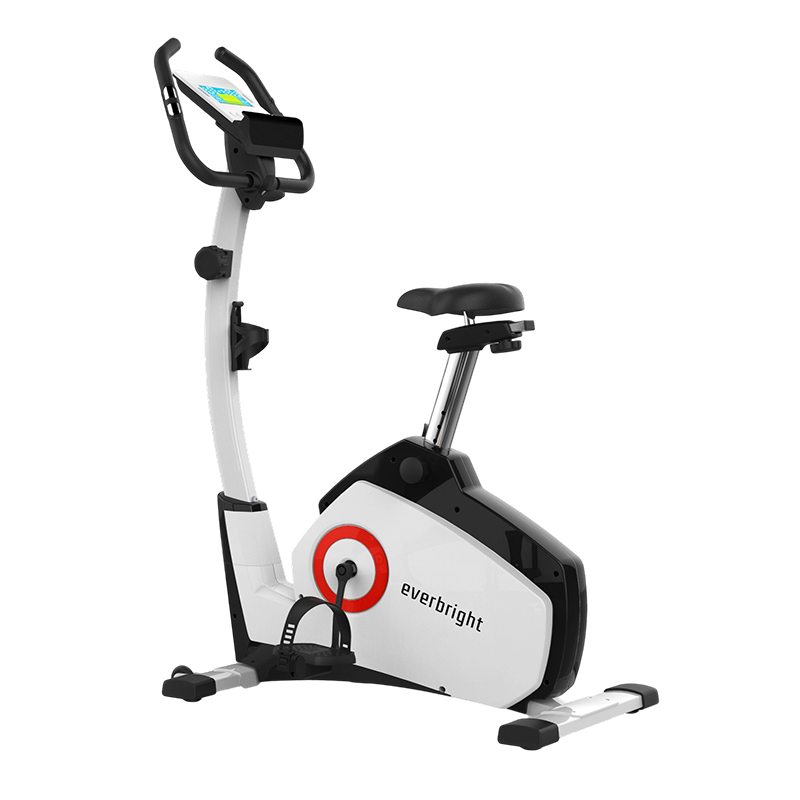
An upright bike is the most balanced choice when you want a training position that feels similar to outdoor cycling while keeping the floor footprint compact. The upright geometry keeps your torso slightly forward, which allows the hips to work through a full extension without requiring the same lean that a spin bike demands. This is why many home users choose an upright bike for long steady sessions, while commercial facilities include them in general cardio zones.
The flywheel is the heart of the bike. Lighter flywheels around 8–10 kg can feel jerky at high speed, while heavier flywheels between 12 and 18 kg provide a smoother pedaling return. For home use, a 12–14 kg flywheel is usually the sweet spot. In commercial applications, manufacturers often choose 18–20 kg units because a heavier flywheel reduces the tendency to stall when riders accelerate hard. The position of the flywheel matters as well. A front-mounted flywheel makes the bike feel more natural for upright posture because the cranks move across a stable center of gravity.
Magnetic resistance uses permanent magnets and a flywheel to generate braking force. It is quiet, requires almost no maintenance, and holds up well for years. Electromagnetic resistance replaces permanent magnets with a controlled magnetic field generated through a small motor or generator. This allows the bike to change resistance in precise steps or through a continuous curve. From a buyer standpoint, electromagnetic systems are easier to integrate with smart training apps and can provide more accurate feedback. The downside is that the electronics add complexity. That is why the best electromagnetic bikes normally come from manufacturers who have experience with both mechanical and electronic control.
Q factor is the distance between the outside of the two crank arms. When the Q factor is too wide, your feet spread apart and the knees tend to track outward. This can create discomfort during long rides. In production we measure the Q factor at the pedal mounting surface, not just between crank arms. A good upright bike should have a Q factor in the range of 16–18 cm for typical home users. Commercial bikes often run slightly wider between 18 and 21 cm to accommodate users with larger hip anatomy. If you share the bike across multiple users, an average range is acceptable, but if you are training seriously, a narrower Q factor will feel more efficient.
An upright bike is only as good as its fit. Look for seat height adjustment that accommodates leg lengths from about 75 cm to 95 cm, plus horizontal seat adjustment for users with different torso proportions. Handlebars should be adjustable in height and often in reach. In our experience, the percentage of returns caused by bike discomfort is strongly related to the quality of adjustment hardware. Magnetic pin adjusters and tool-free handles are easier for home users, while commercial bikes may use spring-loaded adjustments that are quicker to change during peak gym hours.
The frame should not flex when a rider stands up to sprint. Load capacity is not only about weight; it is about how the frame responds to lateral forces. For home bikes, a maximum user weight of 110–120 kg is typical. Light commercial and commercial models are usually rated to 130–160 kg. The stability you feel is a combination of tubing material, welding quality, and the spread of the stabilizers. A wide rear stabilizer reduces rocking during high-intensity pedaling. From a manufacturing perspective, the best way to verify stability is to put the bike on a hard floor, attach a tension gauge to the pedals, and observe how much the frame moves under 80–100 kg of force.
Buying an upright bike is not just about the machine. It also depends on how many people will use it and how many hours per day it will run.
For a home, the priority is quiet operation, easy assembly, and a small footprint. Home upright bikes need to be forgiving for users who train a few times a week. The resistance system should remain smooth even if the bike sits unused for weeks. A 12–16 kg flywheel, magnetic or electromagnetic resistance, and a rated user weight around 120 kg is a practical starting point.
Light commercial means hotels, small studios, and company gyms. These bikes run 2–6 hours a day and face variable riding habits. The frame needs to be heavier, the bearings more robust, and the service life of the drive belt or chain should be monitored. Here we would recommend choosing bikes with sealed bearing assemblies and a strong frame with a weight capacity above 130 kg. Look for a sturdy housing design that protects internal components from sweat and dust.
In a commercial gym, an upright bike can log 10 hours or more each day. That demands robust construction, easily replaceable wear parts, and a drive system designed for continuous torque. Many commercial facilities also prefer self-generating electromagnetic systems because they reduce the need for power outlets at the bike location, which simplifies layout and lowers installation cost.
When you are ready to compare models across these three categories, our upright exercise bike collection is organized by intended use. If you are looking for a dedicated home-use option, the S900 Home-Use Indoor Cycling Bike is built around the criteria described above.
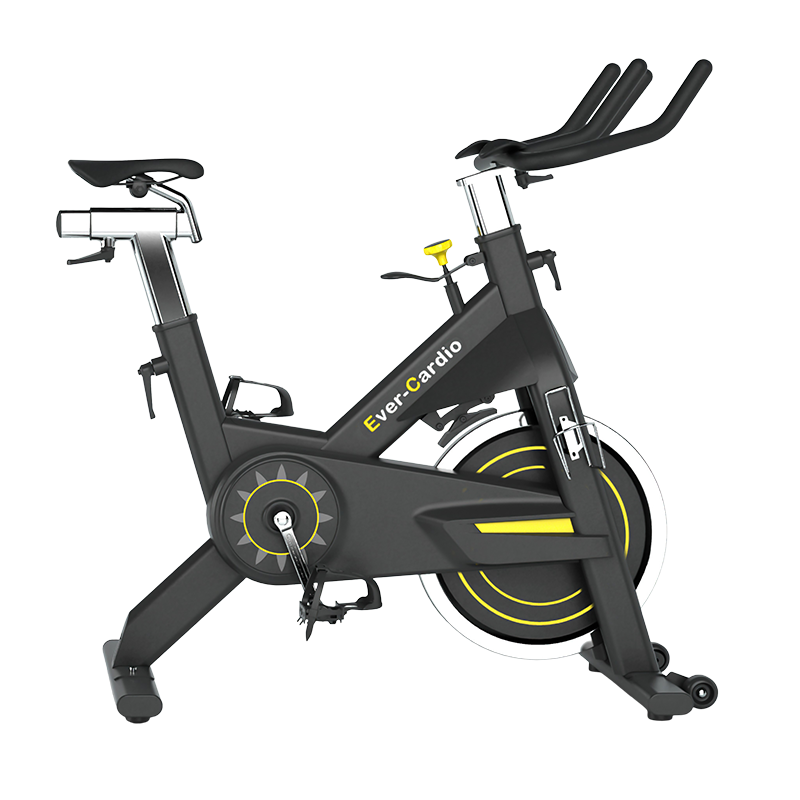 S900 Home-Use Indoor Cycling Bike for Compact Home TrainingThe S900 offers self-generating power and 32-level electric resistance, with smart reminders and data sync. Its compact design and adjustable fit make it suitable for beginners and athletes alike.View Product →
One of the fastest-growing trends in upright bikes is the combination of self-generating systems with electromagnetic control. In a self-generating bike, the motion of the pedals spins a small generator that creates electricity. This electricity powers the resistance adjustment and the electronic display. That means the bike does not need to be plugged into a wall socket, which is a major benefit for home trainers who want a clean floor space and for commercial gyms that want flexible placement without extra wiring.
The electromagnetic side of the system controls how strong the brake feels. Instead of relying on manual friction pads, the system changes the magnetic field strength in precise increments. This gives riders a consistent resistance curve that does not drift as the bike warms up. In our production experience, this is the main advantage over traditional magnetic brakes: you can lock in a resistance level and it remains the same from the first minute of a ride to the last.
There is an important specification to watch: the total resistance range. Some systems advertise many levels but the actual range between level 1 and level 20 is small. A well-designed self-generating electromagnetic system should offer a top resistance level around 18–25 kg of braking torque at the flywheel, and a bottom level low enough for beginners to pedal easily. If you test a bike and the highest setting still feels easy, that is a warning sign that the internal generator is not producing enough force.
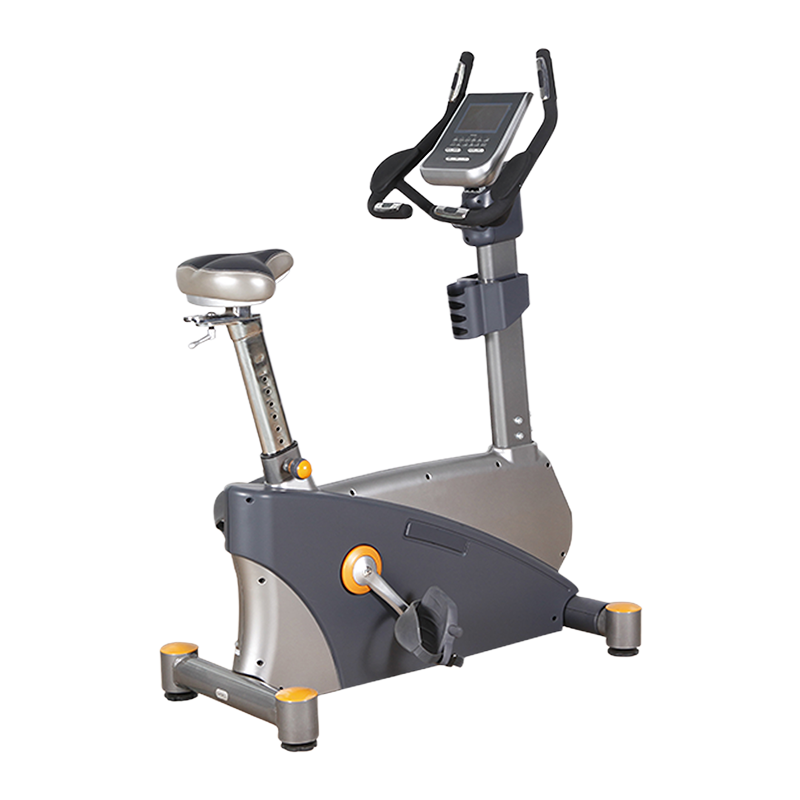 EB2000 Self-Propelled Electromagnetic Bike with 32 Resistance LevelsThe EB2000 features a self-generating electromagnetic system with 32 precise resistance levels, multiple modes including WATT and heart-rate control, and adjustable seat and handles for personalized comfort.View Product →
Modern upright bikes often include smart features such as speed control, cadence tracking, Bluetooth connectivity, and pre-programmed workouts. The value of these features depends on your training style. For a rider who follows structured workouts, cadence tracking is very useful because it allows you to maintain a target speed. For riders who prefer to train by feel, the display may be less important.
From our perspective, the most valuable smart feature is a speed-control system that automatically adjusts resistance to keep you within a target cadence range. This lets the bike adapt to your effort level and gives you a more engaging interval workout. Other features like data export to third-party apps are a matter of personal taste. A screen is helpful if you want to follow a class or see your metrics clearly, but it adds weight and complexity to the bike. If you do not need a screen, a simpler console that shows speed, distance, time, and cadence is enough.
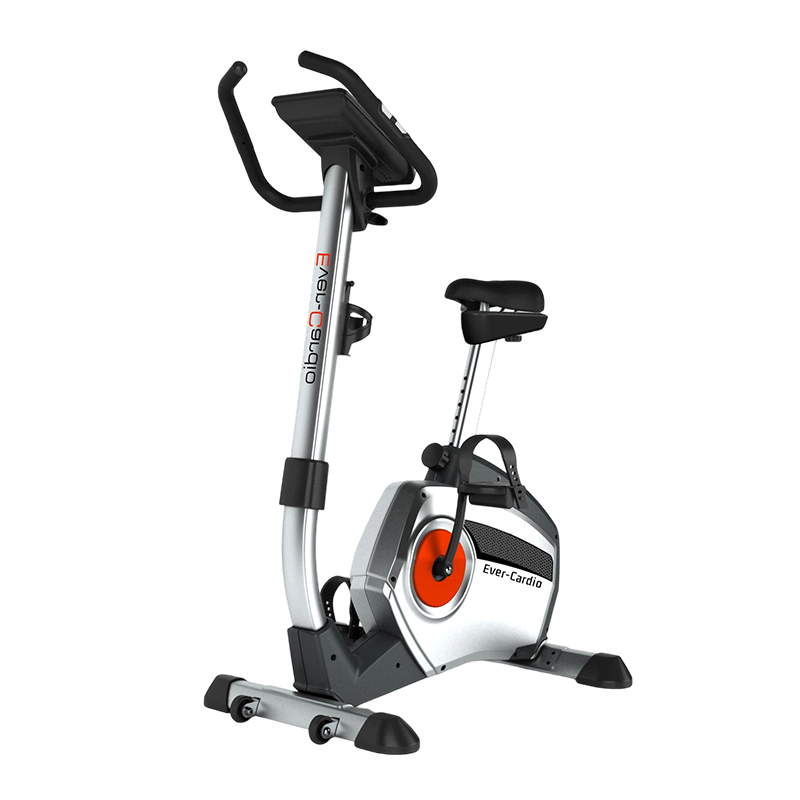 SL03 Smart Indoor Bike with Touchscreen and Magnetic ResistanceThe SL03 combines a touchscreen display with magnetic resistance for a smooth, quiet ride. It offers heart-rate monitoring, data analysis, and adjustable ergonomics for a comfortable home workout.View Product →
Both can support weight loss. Upright bikes tend to produce a higher heart rate response because they recruit more core and stabilizer muscles. Recumbent bikes may be more comfortable for longer sessions. The best choice is the one you will use consistently.
Not always. Heavier flywheels create a smoother ride and are useful for sprint training, but they add inertia and make the bike harder to start. A home rider is usually best served by a 12–14 kg flywheel. Commercial bikes with 18–20 kg flywheels are designed for continuous high-torque use.
No. The workout quality comes from the resistance system and your training plan. Smart features add convenience and feedback, but a well-built standard magnetic bike can deliver excellent results.
Most upright bikes take about 1.0 to 1.2 meters in length and 0.5 to 0.6 meters in width. Add clearance for a seat and handlebars when moving or training. If you measure the longest point through the flywheel and rear stabilizer, you will get a realistic footprint.
Magnetic resistance uses permanent magnets. It is simple, quiet, and low-maintenance. Electromagnetic resistance uses a controlled electrical field, which allows smooth and precise resistance changes. It is more expensive and can integrate with apps and speed-control programs.
It can if the production specification is designed for that workload. The key difference is bearing quality, frame weight, and the strength of the stabilizer feet. Always choose a model that is rated for the runtime you expect, not just the maximum user weight.
The best upright bike for you starts with a clear answer to three questions: who will ride it, how often, and how long will each session last. If you keep those in mind, the remaining decisions become easier. Choose a bike with a flywheel weight that matches the training intensity you expect. Choose a resistance system that can be adjusted without friction pads. Choose a frame with realistic weight capacity and a clear maintenance schedule for the wear parts. Check the set-up area and compare noise levels from different models before you decide.
From a manufacturer's standpoint, the bikes that outlive their stated service life share one pattern: solid welding, quality bearings, and an adjustable geometry that fits more than 90% of users. Selecting from a partner that actually builds the equipment and handles production for international brands means you benefit from that experience directly. If you prefer a systematic approach, this detailed guide to upright exercise bikes explains everything from the basic mechanics to practical purchase decisions.
Our final recommendation is to evaluate the resistance range, flywheel quality, frame stability, and connectivity features in that order. Do not let marketing numbers push you toward a bike that is overbuilt or underpowered for your real use. The best upright bike is the one that supports your routine with minimal friction and maximum comfort for many years to come.
Hot Products

Phone: +86-152 5836 5876
TEL: +86-574 6322 1199
Email: mandy@evbfit.com
Address: No. 518 Zhengtong Road, Kandun Street, Cixi, Ningbo, Zhejiang, China
Copyright © Zhejiang Everbright Industry, Inc. All Rights Reserved. Custom Exercise Bikes Manufacturers China Stationary Bikes Factory