Sep 21, 2026
Content
Fitness center buyers often make the mistake of choosing a treadmill based solely on its sticker price and appearance. The real cost of a gym equipment treadmill emerges only after months of continuous use. A machine designed for commercial duty will keep running through peak hours, while a home-grade model may fail within weeks of opening. If you are preparing to buy gym equipment treadmills for a fitness facility, the following sections cover everything you need to know, starting with the specifications that actually determine whether your investment pays off.
Treadmills represent roughly 40% of all cardio machine usage in an average commercial gym, according to IHRSA facility benchmark data. They are the most intuitive full-body cardio option. Walking, jogging, and running require no instruction beyond stepping on the belt. That popularity creates real operational pressure.
Consider a fitness center operating ten treadmills. Each machine runs an average of 7 hours per day, which means the cardio zone accumulates more than 70 hours of running time every single day. By comparison, a home treadmill typically runs less than one hour per day. This 10-15 times difference in duty cycle makes the selection criteria for a commercial treadmill fundamentally different from those of a residential unit.
The key is not about the number of display features or the complexity of the workout programs. It is about which machine can survive the highest number of duty cycles without downtime. In a commercial setting, one broken treadmill disrupts member routines, creates queues, and forces you to spend money on emergency repairs. Selecting the right model from the beginning reduces those risks substantially.
Once you accept that a treadmill in a fitness center is a high-cycle piece of commercial equipment, you can evaluate the specifications that drive durability and long-term cost. The table below summarizes the differences between home, light commercial, and commercial treadmills based on common manufacturer engineering standards.
| Specification | Home Use | Light Commercial | Commercial |
|---|---|---|---|
| Continuous Horsepower (CHP) | 1.5 - 2.5 HP | 2.5 - 3.5 HP | 3.5 - 5.0 HP |
| Belt Width | 45 - 51 cm | 51 - 56 cm | 56 - 60 cm |
| Belt Length | 130 - 140 cm | 140 - 150 cm | 150 - 155 cm |
| Maximum User Weight | 100 - 130 kg | 130 - 160 kg | 160 - 200 kg |
| Typical Daily Duty | 0.5 - 2 hours | 4 - 6 hours | 6 - 12 hours |
| Frame Construction | Light aluminum | Reinforced steel | Heavy-duty steel |
Continuous horsepower (CHP) is the single most important factor when choosing a commercial treadmill. CHP measures the motor's sustained output capacity, unlike peak horsepower that only lasts for a short burst. A commercial gym treadmill should have at least 3.5 CHP. Below that threshold, the motor warms up during peak hours and triggers thermal shutdown. The result is unpredictable availability for your members and expensive repair bills. Motors rated at 4.0 to 5.0 CHP are common in fitness centers where users run at high intensity and high incline.
The running surface must accommodate a wide range of user gaits. A 56 to 60 cm belt width gives first-time walkers and experienced sprinters a safe landing area. A narrower belt causes runners to land partially on the side rails, which increases friction and shortens the running deck's lifespan. Belt length above 150 cm also reduces the risk of foot strikes near the front or rear rollers. For tall users, a longer belt provides a more natural stride and improves overall comfort.
The running deck must cushion the repeated impact transmitted through the heel and knee. Commercial treadmills use multi-layer cushioning systems that distribute impact energy more evenly. Many manufacturers now test the peak vertical force at the front of the deck. A well-designed commercial deck keeps that peak below 1.4 times the runner's body weight. The result is lower fatigue for users and significantly less stress on the machine's bearings and frame joints.
Heavy-duty steel frames with a 160 to 200 kg user weight limit are the industry norm for commercial treadmills. Some manufacturers add cross-bracing under the frame to reduce flex during intense sessions. The deck itself should be around 25 mm thick or more. A thicker deck resists warping over time and provides a firmer platform for runners. Lighter decks flex heavily under continuous running and contribute to belt misalignment.
Commercial treadmills typically offer speeds from 0.8 km/h down to walking pace, rising to 20 km/h or more at the top end. A wide speed range allows beginner walkers and advanced runners to share the same floor space. It also gives trainers the flexibility to design interval sessions with fast and slow segments.
Facility managers need easy access to the motor compartment, belt tensioning bolts, and lubrication ports. Treadmills that require removing a large portion of the hood for simple adjustments create needless labor time. Look for a side access panel, a removable motor cover, and clearly marked tension adjustment points. These design choices reduce downtime during routine service.
Not every gym requires the same treadmill configuration. A large commercial fitness club, a hotel wellness center, and a corporate workout room operate under different demand patterns.
Large facilities often place six to twelve treadmills in a single row. The best layout includes at least two different speed ranges so that advanced runners can use high-speed settings while beginners walk on lower-speed units. The floor plan should leave about 1.2 meters of clearance behind each treadmill for safety and maintenance access. Rows also need to be spaced so that staff can perform belt adjustments without moving the entire machine.
Hotels often have one or two treadmills, but guests use them at almost any hour of the day. These machines still need commercial durability, and a light commercial model can often be sufficient. The primary concern is noise. A quiet motor and a smooth, low-friction belt are essential in a hotel environment. Choose a treadmill whose noise output stays below 65 decibels at 10 km/h running speed.
A corporate fitness room may have one treadmill and a few other cardio units. Employees with different fitness levels use the same equipment during lunch breaks and after work. A mid-range model with diverse workout programs works well. The deck should be wide enough to accommodate users of varying heights and gaits.
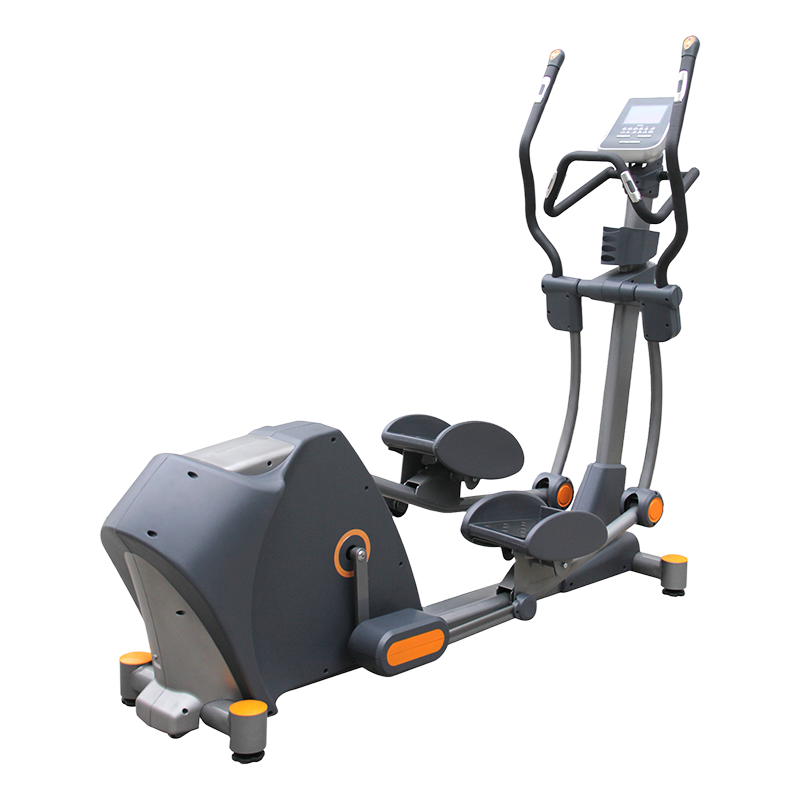
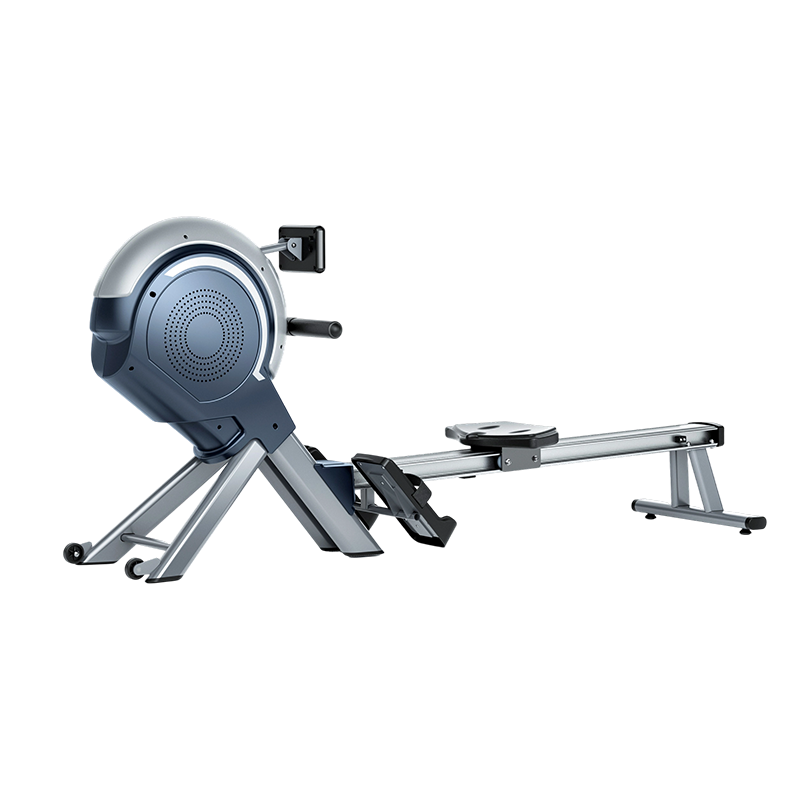
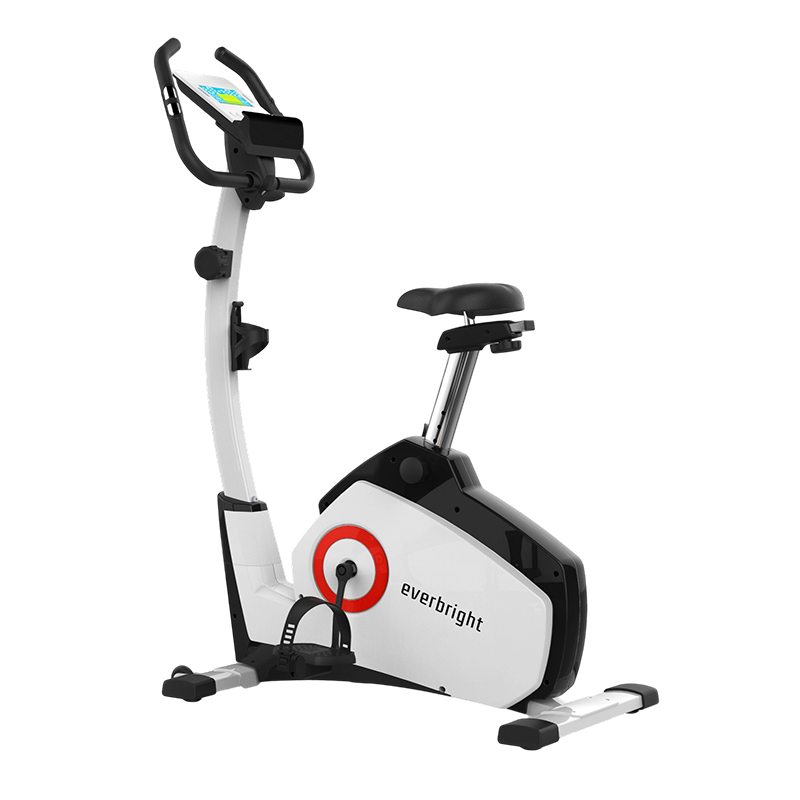
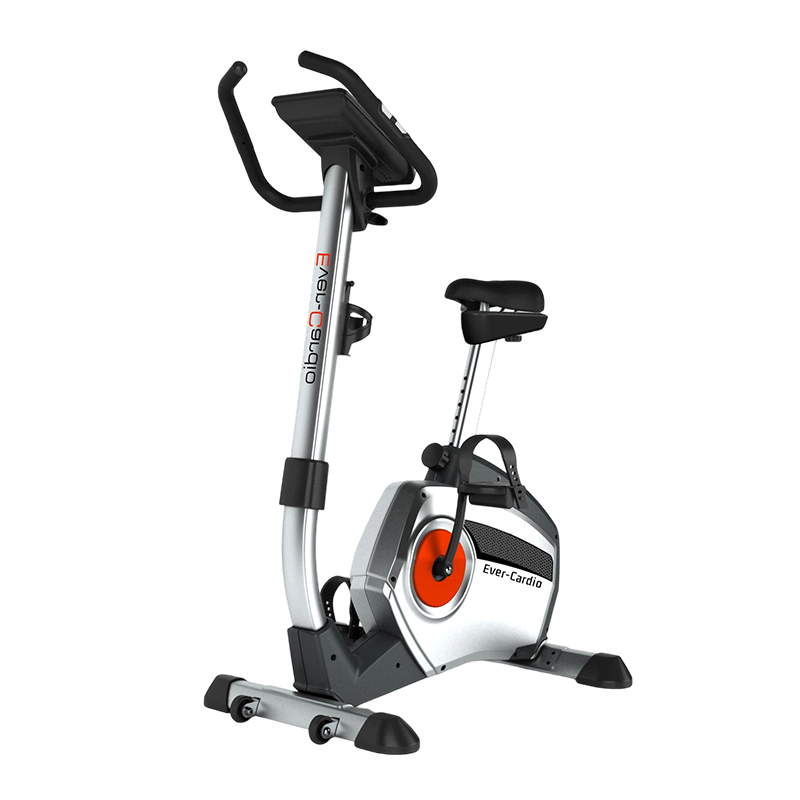
The selection process should also consider the surrounding equipment. A balanced cardio zone combines treadmills with elliptical trainers, upright bikes, and rowing machines. If one type of machine breaks down, members still have alternatives. For example, a facility that pairs its treadmills with a commercial elliptical machine like the 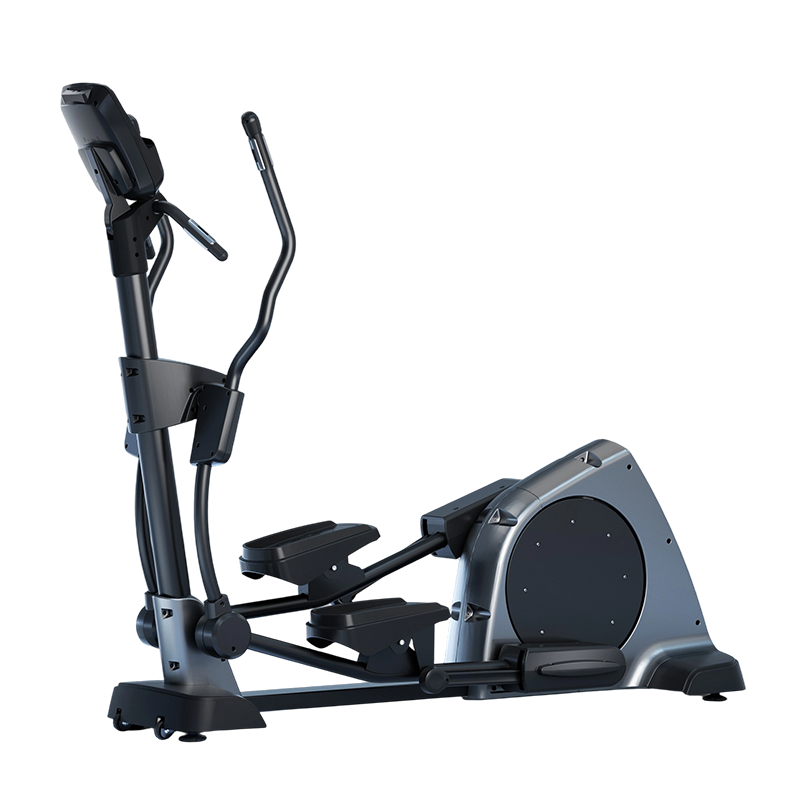 EB5200L Wide-Step Commercial Elliptical MachineThis commercial elliptical offers a 21-inch stride length and a 7-inch display with wireless heart rate reception. Its 12 automatic modes and armrest shortcuts provide versatile workouts and easy control, making it a reliable low-impact option for cardio zones.View Product → gives users a low-impact option that still delivers a strong cardiovascular workout. This variety also reduces congestion at peak hours.
A treadmill is not simply a motor and a belt. It is a welded frame, a painted steel surface, a layered running deck, and a system of rollers and pulleys that must work together in perfect alignment. That is why the manufacturing capability of your supplier directly affects the machine's long-term performance.
One manufacturer that demonstrates this approach is Zhejiang Everbright Industry, Inc., whose production base integrates welding, painting, spraying, and final assembly within a 127,000-square-meter campus. This vertical integration lets the factory control quality from the first metal cut all the way to packaging. Frame modules arrive at the assembly line already aligned, which reduces the need for post-assembly corrections. When you buy from a contract manufacturer, you also benefit from the engineering expertise developed during projects for major international fitness brands. That accumulated knowledge shows up in the mechanical reliability of the final product.
Good manufacturers run batch-by-batch inspections. They check roller runout, verify belt alignment with a precision gauge, and test the resistance system across the full speed range. Many also conduct running durability tests on sample units for 72 hours or more. These tests are a practical way to verify production consistency. You can visit the manufacturing approach that such a factory uses to ensure consistency across production lines.
When you evaluate a potential supplier, ask for a sample unit to run for at least a full week before releasing a large order. This small step gives you a real-world check on build quality and reduces the risk of a costly batch problem.
A well-maintained commercial treadmill can last 10 years or more; a neglected unit may fail within two. The difference is a disciplined maintenance routine. Here is a practical schedule compiled from common commercial maintenance guidelines.
The financial impact is clear. According to a widely cited equipment management study by the American College of Sports Medicine, preventive maintenance can extend treadmill service life by two to three times. A modest annual maintenance budget of around $300 per unit can save thousands of dollars in replacement costs. For a facility with ten treadmills, that is a $3,000 yearly investment that protects tens of thousands of dollars of equipment.
Treadmill technology is evolving in response to user expectations and facility budgets. Several trends have gained momentum.
Modern machines connect to fitness apps, track member progress, and suggest workouts based on past performance. Facilities increasingly adopt these features because they boost member retention. The broader movement toward smart equipment in the home treadmill segment shows that users now expect data connectivity as standard. The same expectation is carrying over to commercial fitness spaces.
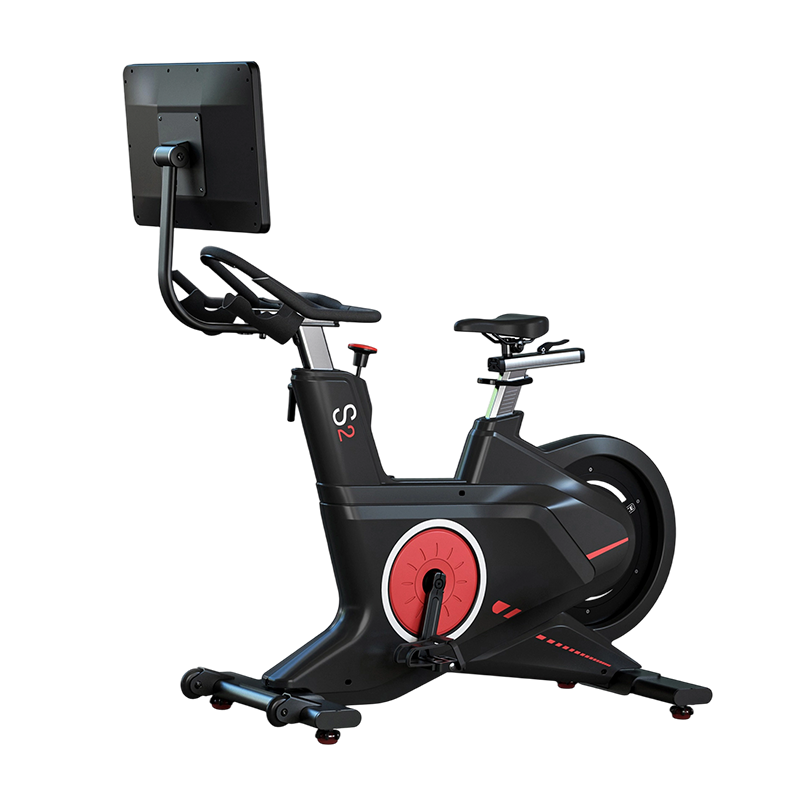
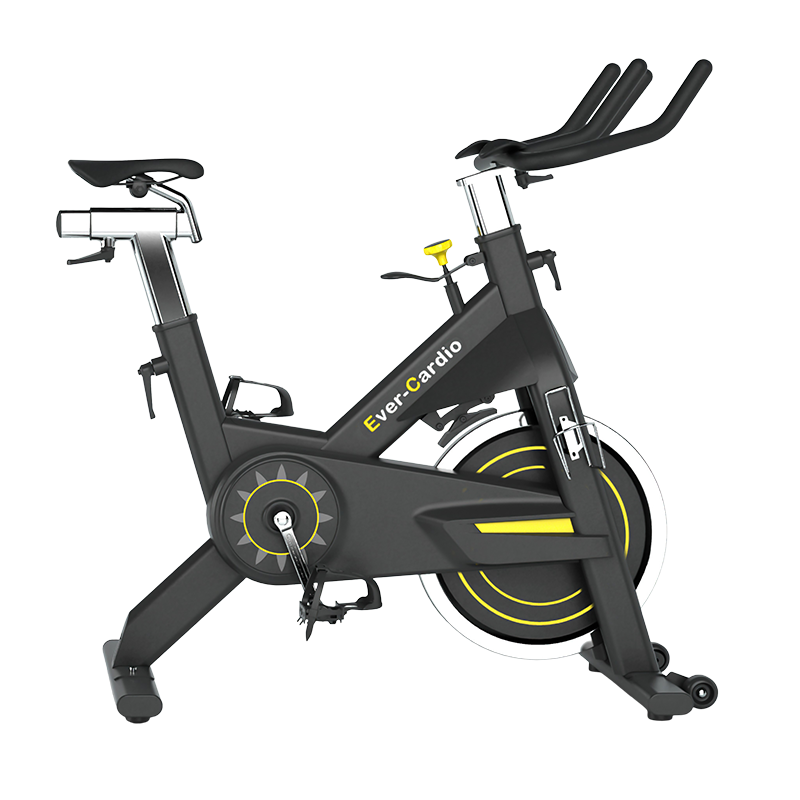
Some cardio machines generate their own power through electromagnetic resistance, which reduces electricity consumption. For a gym running twelve treadmills and ten other cardio devices, the annual power saving is significant. The EB2000 self-propelled electromagnetic controlled fitness bike is a clear example of this technology applied to indoor cycling. A facility that adopts self-generating equipment in its cardio zone lowers both utility costs and environmental footprint.
Newer machines log running hours and alert facility managers when components reach service intervals. This shifts maintenance from reactive to predictive, which extends equipment life and reduces unexpected failures. The combination of these trends creates a smarter, more cost-effective cardio floor. For more detail on how smart functionality is changing the home treadmill segment, a recent overview of smart treadmill upgrades offers useful background.
A commercial treadmill is engineered for a 6 to 12 hour daily duty cycle, with a continuous horsepower rating of 3.5 to 5.0 HP, a steel frame rated for 160 to 200 kg, and a maintenance-friendly design. A home treadmill is tested for less than 2 hours of daily use and has lighter construction. Using a home model in a commercial setting will lead to repeated breakdowns.
Industry benchmarks commonly cite 6 to 12 hours of daily running time for commercial gyms. This is why motor cooling systems and frame rigidity are more important than extra display features in these machines.
A fitness center treadmill should have at least 3.5 continuous horsepower (CHP). Facilities with heavy traffic, incline training, and high-intensity group sessions should consider 4.5 to 5.0 CHP to ensure stable performance throughout the day.
Most manufacturers recommend applying 20-30 mL of silicone-based lubricant every 60 to 100 running hours. If your facility sees 8 hours of daily use, that means monthly lubrication. Check the manufacturer's specific guidance for your deck type, as some systems require more frequent care.
Belt width between 56 and 60 cm is the standard choice in commercial settings. This width accommodates both walkers and runners of different sizes and reduces the risk of foot strikes on the side rails. Narrower belts increase friction and wear out faster.
It is not recommended. Even a small studio may see 4 to 6 hours of combined daily use. A home treadmill rated for less than 2 hours will overheat, require frequent repairs, and eventually fail. A light commercial model is the safer minimum.
Choosing the right gym equipment treadmill is a long-term business decision. Start by calculating your expected daily running hours. Then evaluate motor power, belt size, frame durability, and maintenance requirements. A supplier with proven vertically integrated manufacturing makes a measurable difference in performance and service life. The machines you select today will define your facility's daily operations for years to come. Review working samples, test them under real conditions, and build a clear preventive maintenance plan before your first order arrives.
Hot Products

Phone: +86-152 5836 5876
TEL: +86-574 6322 1199
Email: mandy@evbfit.com
Address: No. 518 Zhengtong Road, Kandun Street, Cixi, Ningbo, Zhejiang, China
Copyright © Zhejiang Everbright Industry, Inc. All Rights Reserved. Custom Exercise Bikes Manufacturers China Stationary Bikes Factory