May 04, 2026
Content
Whether you should use a treadmill on an empty stomach is not a one-size-fits-all answer. If your primary goal is fat loss and you are doing a low-to-moderate intensity session, fasted treadmill walking or jogging can offer a measurable advantage. However, if you are training for performance, endurance, or building speed, skipping a pre-workout meal is likely to work against you. The decision comes down to your body type, training intensity, session duration, and what you are trying to achieve in the long run.
Research published in the British Journal of Nutrition found that exercising in a fasted state burned up to 20% more fat compared to exercising after eating. But that number does not tell the whole story. Fat oxidation during exercise does not automatically translate to greater fat loss over 24 hours or over weeks of training. The full picture is more nuanced, and understanding it will help you make smarter decisions every time you step onto the treadmill.
When you wake up in the morning after seven to nine hours of sleep, your blood glucose levels are relatively low and your glycogen stores — the carbohydrate reserves stored in your liver and muscles — are partially depleted. This metabolic state is what fitness professionals call the "fasted state." At this point, your body has already been burning calories through basic functions overnight and has been gradually shifting toward using stored fat for fuel.
When you start walking or jogging on the treadmill in this condition, your body continues to prioritize fat as its energy source because there is no fresh glucose available from a recent meal. Insulin levels are low, which is significant because insulin suppresses fat breakdown. With insulin out of the way, fat cells are more accessible and lipolysis — the breakdown of stored fat — proceeds more efficiently.
Additionally, fasted exercise has been associated with elevated levels of human growth hormone (HGH), which supports fat metabolism and muscle preservation. One study from the Intermountain Medical Center Heart Institute found that fasting men showed a 2,000% increase in HGH, while women showed a 1,300% increase after a 24-hour fast. While your pre-workout fast is far shorter, the directional hormonal shift is still meaningful for your treadmill session.
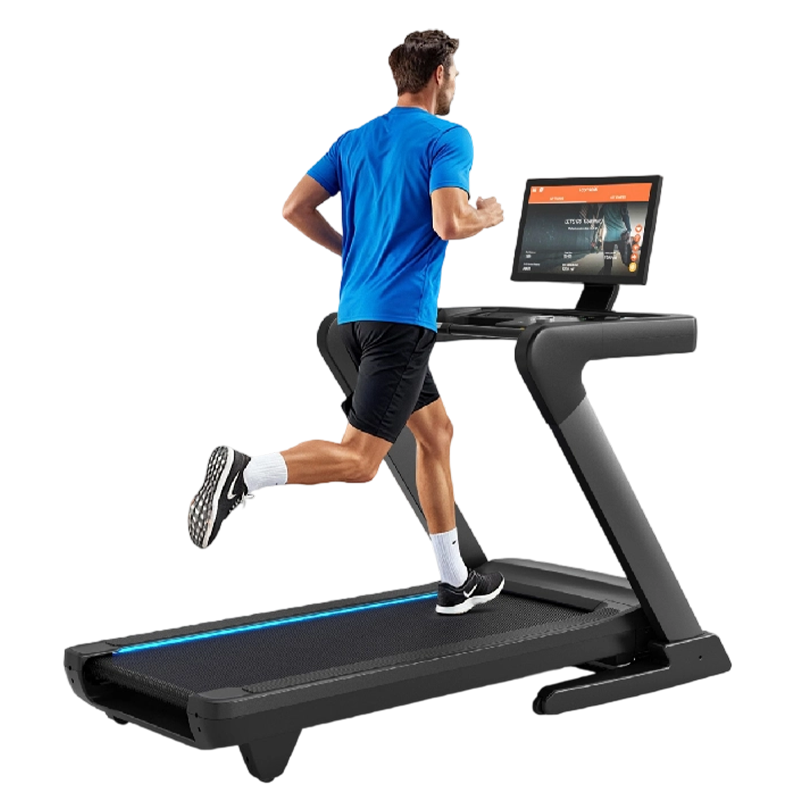
For certain people with specific goals, fasted treadmill training makes a lot of practical and physiological sense. Here is why it can be a legitimate strategy:
At low-to-moderate intensities — roughly 50 to 65% of your maximum heart rate — your body relies predominantly on fat for energy regardless of fed or fasted status. But in a fasted state, the percentage of energy coming from fat increases further. This is why many bodybuilders and physique athletes perform fasted treadmill cardio at a brisk walk (3.5 to 4.0 mph) for 30 to 45 minutes as part of a cutting phase. They are deliberately working in the zone where fat is the dominant fuel and using the fasted state to amplify that effect.
Many people experience bloating, nausea, cramping, or a heavy feeling in the stomach when they exercise too soon after eating. Jumping on a treadmill on an empty stomach completely eliminates this problem. If your stomach is sensitive or if you simply do not have time to eat and then wait 60 to 90 minutes before your workout, training fasted is a practical solution that keeps you consistent without physical discomfort.
Regularly performing fasted aerobic exercise, including treadmill sessions, has been linked to improvements in insulin sensitivity. A study in the Journal of Physiology demonstrated that fasted training produced better metabolic adaptations in muscle tissue compared to fed training at the same intensity. This has implications not just for fat loss but for long-term metabolic health, particularly for those managing or preventing type 2 diabetes.
If you exercise early in the morning, eating beforehand often requires waking up significantly earlier, which cuts into sleep. Sleep deprivation has its own negative effects on metabolism, cortisol levels, and fat storage. In this case, training fasted on the treadmill and eating afterward may actually produce better overall health outcomes than sacrificing sleep to fit in a pre-workout meal.
The benefits above do not apply universally. There are clear scenarios where getting on the treadmill without eating first is a bad idea:
If your treadmill session involves intervals, incline sprints, tempo runs, or anything pushing your heart rate above 75 to 80% of its maximum, carbohydrates become the dominant fuel source. In a fasted state, your glycogen reserves are low and your body cannot access fat fast enough to sustain that intensity. The result is a drop in performance, earlier fatigue, heavier legs, and a session that feels harder than it should. Research from the International Journal of Sport Nutrition and Exercise Metabolism confirmed that high-intensity exercise performance declines measurably when glycogen stores are depleted.
When glycogen is low and the body needs energy, it can begin breaking down muscle protein through a process called gluconeogenesis — essentially converting amino acids from muscle into glucose. This is particularly concerning for people who are in a caloric deficit and training hard. A 2016 study in the American Journal of Physiology found that prolonged fasted exercise increases muscle protein breakdown. If you are trying to build or preserve muscle mass while doing treadmill cardio, training without some protein or carbohydrate on board is counterproductive.
People with blood sugar regulation issues, including hypoglycemia, should be cautious about fasted exercise of any kind. Even in healthy individuals, treadmill sessions lasting longer than 45 to 60 minutes in a fasted state can trigger light-headedness, dizziness, shakiness, and an inability to concentrate. These symptoms are not just uncomfortable — they are also safety risks, particularly when operating a moving belt at speed.
Despite the higher fat oxidation during a fasted treadmill session, studies tracking total daily energy expenditure show that the difference in fat loss over time between fasted and fed training groups is often statistically insignificant. A meta-analysis published in the Journal of the International Society of Sports Nutrition in 2017 concluded that when total caloric intake is controlled, fasted and fed cardio produce similar body composition results. This means the "fasted cardio burns more fat" argument only holds when your total diet is not adjusted to compensate.
| Factor | Fasted Treadmill | Fed Treadmill |
|---|---|---|
| Fat oxidation during session | Higher | Moderate |
| High-intensity performance | Worse | Better |
| Digestive comfort | Better | Varies |
| Muscle preservation risk | Higher | Lower |
| Long-term fat loss difference | Minimal | Minimal |
| Insulin sensitivity over time | Greater improvement | Standard improvement |
| Risk of dizziness/hypoglycemia | Higher for long sessions | Lower |
Not all treadmill workouts are equally suited for a fasted state. The following formats work well without food beforehand:
What you should not do fasted on a treadmill: HIIT sprints, tempo runs longer than 20 minutes, incline sprints, or any structured training program that requires you to push above 80% of your maximum heart rate. Those sessions demand glycogen, and you simply will not have enough on board to perform them well or safely.
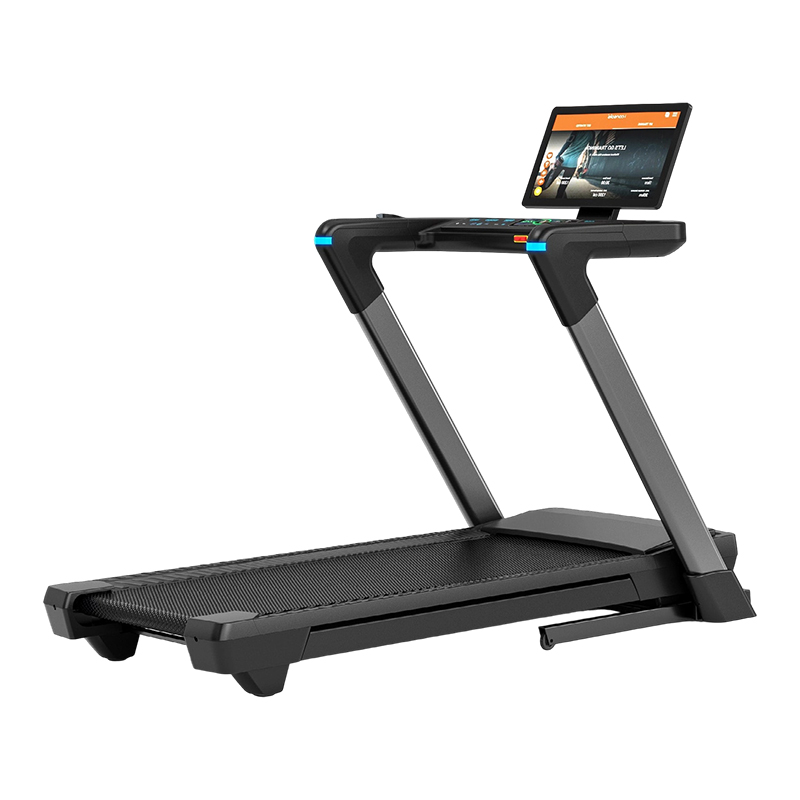
If you decide that fueling before your treadmill workout is the right call — particularly for longer or more intense sessions — timing and food choice matter a great deal. Eating the wrong foods too close to your session will leave you feeling sluggish, heavy, or nauseous. Here is how to fuel intelligently:
A balanced small meal works well at this window. Think oatmeal with a banana and a small amount of peanut butter, or two eggs on whole-grain toast. This provides slow-digesting carbohydrates and a small amount of protein without overloading your digestive system before the treadmill.
Stick to simple, fast-digesting carbohydrates. A banana, a handful of dates, a small rice cake with honey, or a sports gel will provide a quick glucose top-up without sitting heavily in the stomach. Avoid fiber, fat, and large amounts of protein in this window — all of them slow digestion and are likely to cause discomfort when you pick up the pace on the treadmill.
At this point, you are better off fasting than eating a real meal. However, a small amount of fast-acting carbohydrate — half a banana, a few gummy bears, or a sports drink — can provide a blood glucose boost without causing digestive issues during your run. Solid food this close to training is generally counterproductive.
Many people consume black coffee before a fasted treadmill session, and this is one habit that is well-supported by the evidence. Caffeine is one of the most researched ergogenic aids in sport nutrition. It stimulates the central nervous system, increases alertness, reduces perceived effort, and — critically for fasted training — enhances fat oxidation.
A meta-analysis in the British Journal of Sports Medicine found that caffeine improved endurance performance by an average of approximately 12%. When consumed without milk, sugar, or food, black coffee does not meaningfully raise insulin or break the fasted state. This makes it an ideal pre-workout choice before a fasted treadmill session — providing the alertness and motivation to train without undoing the metabolic advantages of training in a fasted state.
A standard dose of 3 to 6 mg of caffeine per kilogram of body weight — roughly one to two cups of black coffee for most people — consumed 30 to 60 minutes before the treadmill is the established effective range. Going beyond this does not improve performance linearly and may cause anxiety, jitteriness, or gastrointestinal distress.

Fasted treadmill exercise is not appropriate for everyone. Certain health conditions and life circumstances make it a genuinely poor choice:
If you are going to commit to fasted treadmill sessions, these strategies will help you get the most out of them while minimizing the downsides:
Fasted treadmill training is a legitimate strategy with real physiological backing — but it is not magic, and it is not for everyone. The headline benefit, higher fat oxidation during the session, is real but does not automatically translate into meaningfully greater long-term fat loss unless the rest of your nutrition is also dialed in. The more important question is not whether you eat before the treadmill, but whether you are consistent, training at an appropriate intensity, and eating well across the full day.
If you are a casual exerciser looking to lose weight and you find it easier to hop on the treadmill first thing in the morning before breakfast, go ahead — a 30 to 40-minute walk or light jog is both safe and effective in a fasted state. If you are training for a race, chasing performance goals, or doing structured treadmill running programs, eat before you train. The fuel you put in will directly determine what you can get out.
The best treadmill workout is the one you can do consistently, sustainably, and with enough energy to finish strong. Whether that means eating first or not is a personal decision based on your goals, your schedule, and how your body performs. Start with the lower-intensity fasted option, track your results honestly over four to six weeks, and adjust from there.
Hot Products

Phone: +86-152 5836 5876
TEL: +86-574 6322 1199
Email: mandy@evbfit.com
Address: No. 518 Zhengtong Road, Kandun Street, Cixi, Ningbo, Zhejiang, China
Copyright © Zhejiang Everbright Industry, Inc. All Rights Reserved. Custom Exercise Bikes Manufacturers China Stationary Bikes Factory