Apr 27, 2026
Content
If you've been grinding away on a treadmill and wondering whether your time could be better spent elsewhere, the short answer is: yes, several exercises outperform treadmill running in calories burned, muscle engagement, cardiovascular benefit, and long-term fitness gains. Rowing, cycling, jump rope, swimming, kettlebell training, and stair climbing all beat the treadmill in at least one — and often multiple — key fitness metrics. This article breaks down exactly which alternatives are worth your time, backed by data, and explains who benefits most from each.
The treadmill is one of the most popular pieces of gym equipment in the world, and for good reason — it's accessible, controllable, and effective for basic cardiovascular fitness. But "effective" doesn't mean "optimal." Depending on your fitness goals, body type, injury history, and available time, there are exercises that will deliver significantly better results. Understanding why requires looking at caloric expenditure, muscle recruitment, joint stress, metabolic conditioning, and practical sustainability.
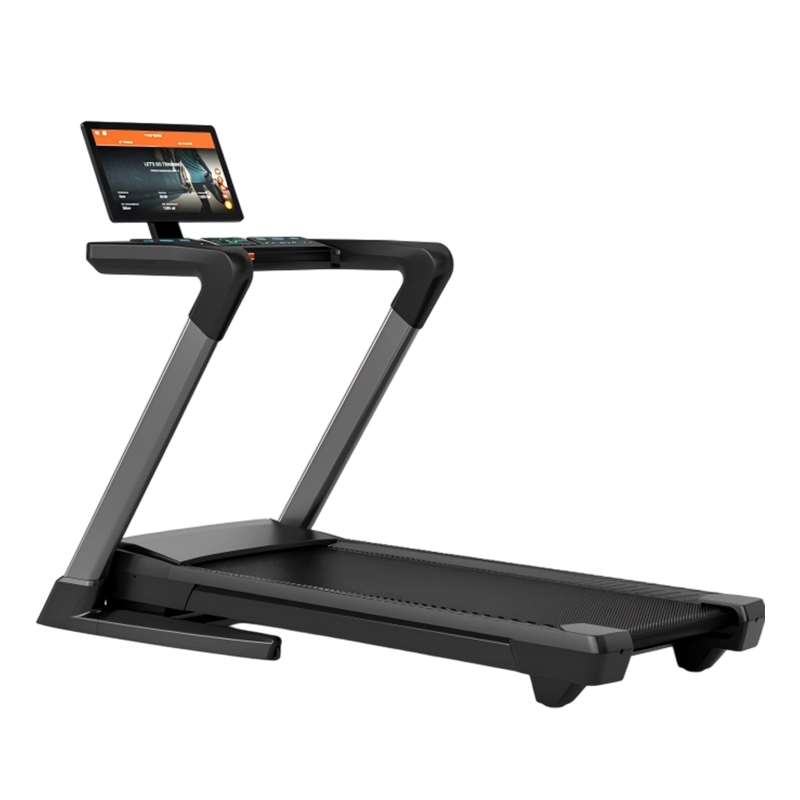
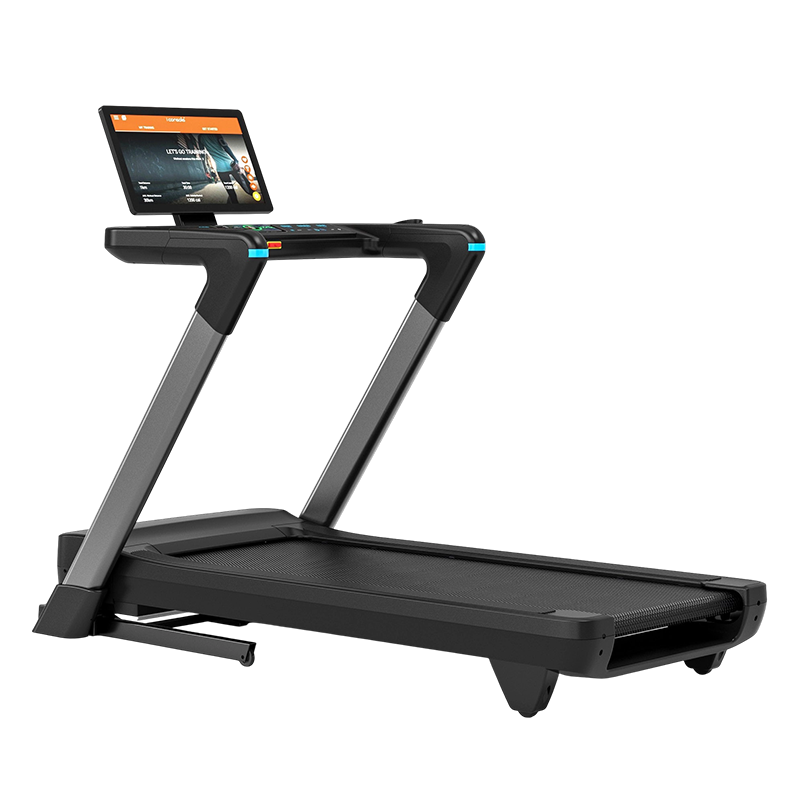
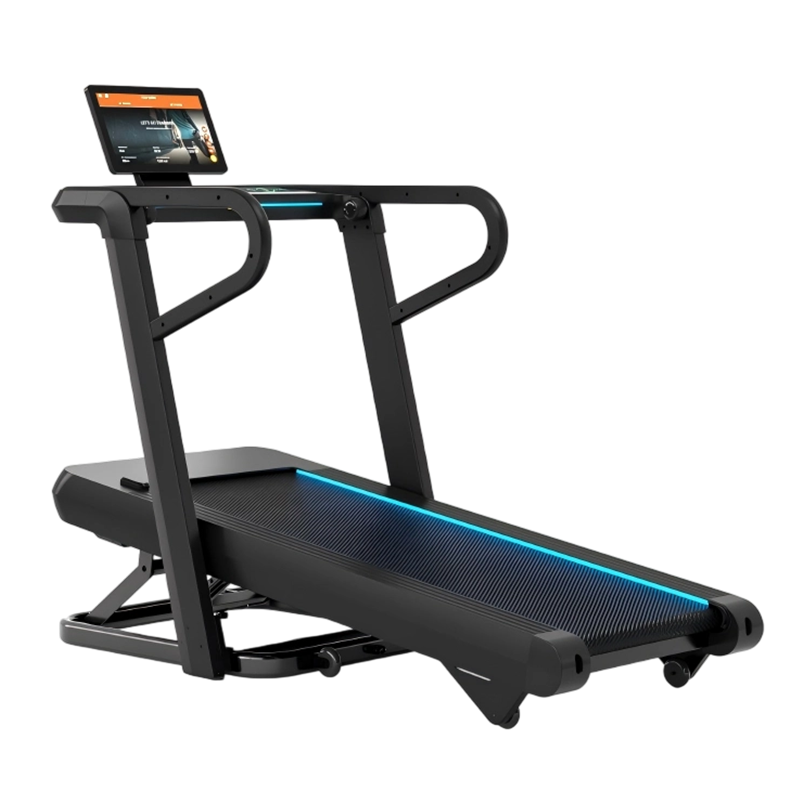
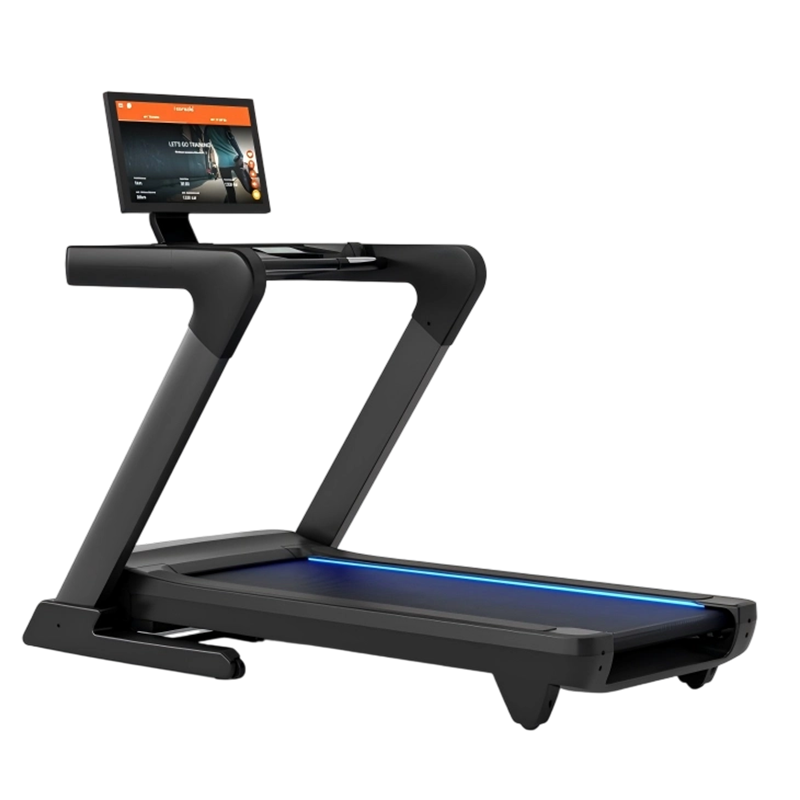
Before diving into alternatives, it's worth being specific about what the treadmill does and doesn't do well. A treadmill primarily trains the lower body — calves, hamstrings, quadriceps, and glutes — with minimal upper body engagement. The flat, motorized belt also slightly reduces the metabolic demand compared to outdoor running, because the belt assists leg turnover. Studies have found that treadmill running burns approximately 5–10% fewer calories than equivalent outdoor running due to the lack of air resistance and terrain variation.
Furthermore, the repetitive impact of treadmill running creates consistent stress on the knees, hips, and ankles. Research published in the British Journal of Sports Medicine estimates that recreational runners sustain injuries at a rate of 37–56% per year, with knees being the most commonly affected joint. For anyone with existing joint issues, or those who are overweight, the treadmill's repetitive impact pattern becomes a meaningful limitation rather than just a minor inconvenience.
Finally, treadmill workouts are among the most psychologically monotonous forms of exercise. Dropout rates for treadmill-based exercise programs are consistently higher than for varied training formats. Adherence — the ability to stick to a program long enough to see results — is arguably the single most important variable in any fitness journey, which makes alternatives that are more engaging a genuinely superior choice for most people.
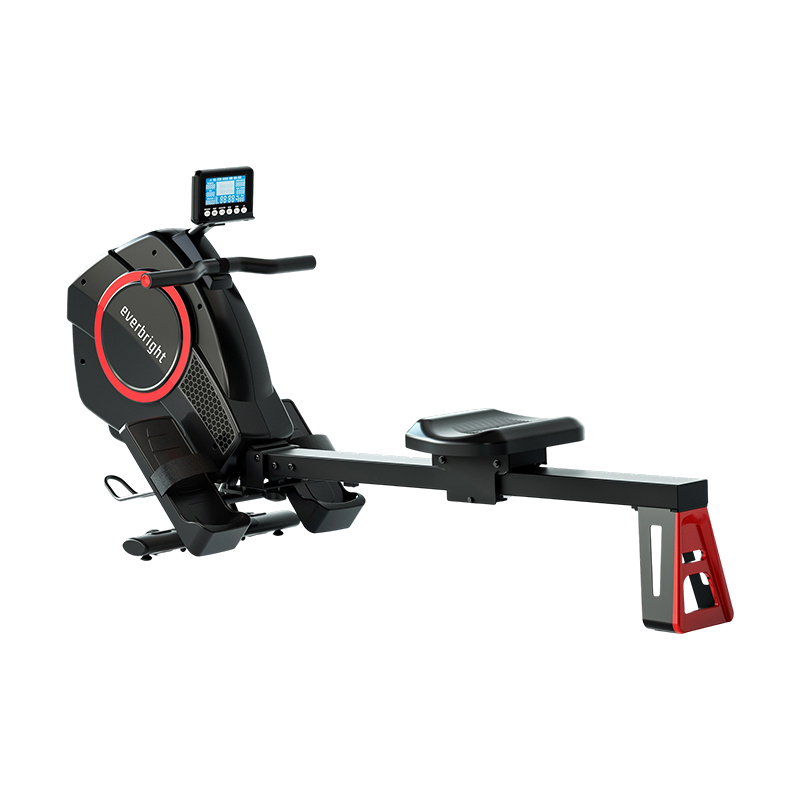
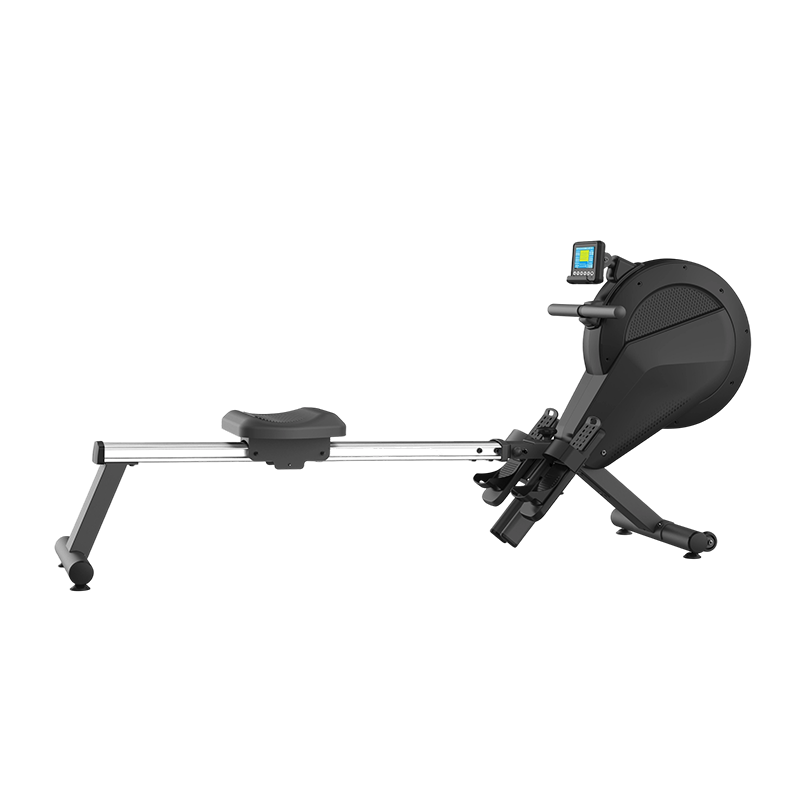
Rowing is widely regarded by exercise scientists as one of the most complete forms of cardiovascular exercise available. Unlike the treadmill, which is almost entirely lower-body, rowing activates approximately 86% of the body's muscle groups, including the legs, core, back, shoulders, and arms. This full-body demand means more muscle tissue is recruited per stroke, which directly translates to higher caloric expenditure and greater metabolic conditioning.
Calorie-for-calorie comparisons are telling. A 155-pound person running at a moderate pace of 6 mph on a treadmill burns roughly 372 calories in 30 minutes. The same person rowing vigorously for 30 minutes burns approximately 369–440 calories — competitive with running, and in many cases superior. At higher intensities, rowing pulls ahead significantly.
The mechanical advantage of rowing is its zero-impact nature. Because the movement is a seated, sliding action with no footstrike, there is no repetitive joint impact. This makes rowing an excellent choice for people recovering from lower limb injuries, those who are heavier and concerned about knee stress, and older athletes seeking sustainable cardio. Elite programs, including military conditioning and high-performance sports training, favor rowing for this combination of intensity and joint protection.
Rowing also builds meaningful upper body and back strength over time — something no amount of treadmill work will ever produce. For anyone who values a proportional, functional physique alongside cardiovascular fitness, the rowing machine is a clear upgrade over the treadmill.
Jump rope is deceptively simple and brutally effective. It consistently ranks among the highest calorie-burning exercises available, regardless of equipment cost or gym access. Ten minutes of vigorous jump rope burns roughly the same number of calories as 30 minutes of moderate treadmill jogging — a staggering efficiency ratio that very few exercises can match.
According to the Compendium of Physical Activities, jumping rope at a fast pace has a MET (Metabolic Equivalent of Task) value of around 12.3, compared to running at 6 mph which sits at approximately 9.8. A higher MET means more energy expenditure per unit of body weight per hour. For time-constrained individuals, this makes jump rope an exceptionally practical alternative to the treadmill.
Beyond raw calorie burn, jump rope improves coordination, footwork, timing, and cardiovascular endurance simultaneously. It is a staple training tool for boxers, martial artists, and basketball players — not because it's the only option, but because it delivers results that more expensive equipment simply cannot replicate in the same timeframe.
One important caveat: jump rope is high-impact and requires adequate ankle and calf strength to be performed safely at volume. Beginners should build up gradually to avoid Achilles tendon and shin splint issues. But for anyone already reasonably fit, replacing even two or three treadmill sessions per week with 15–20 minute jump rope workouts will produce faster cardiovascular improvements and greater calorie deficits.
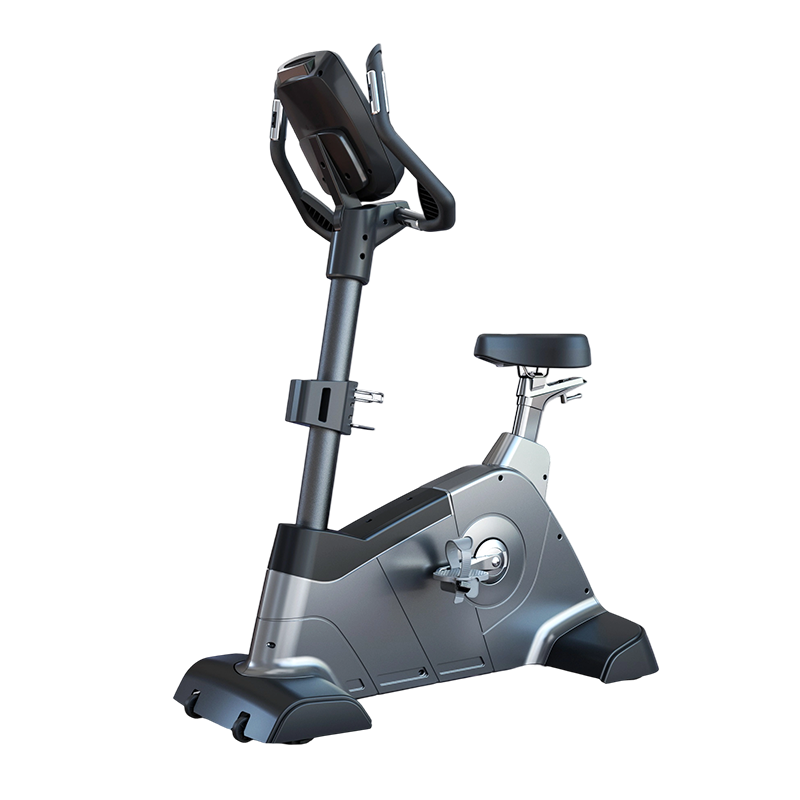
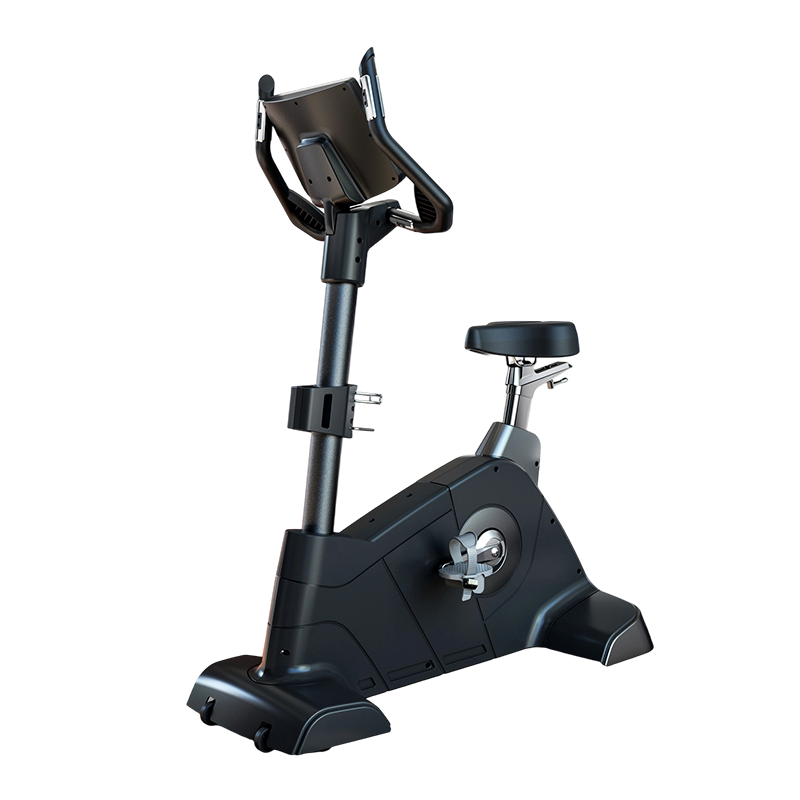
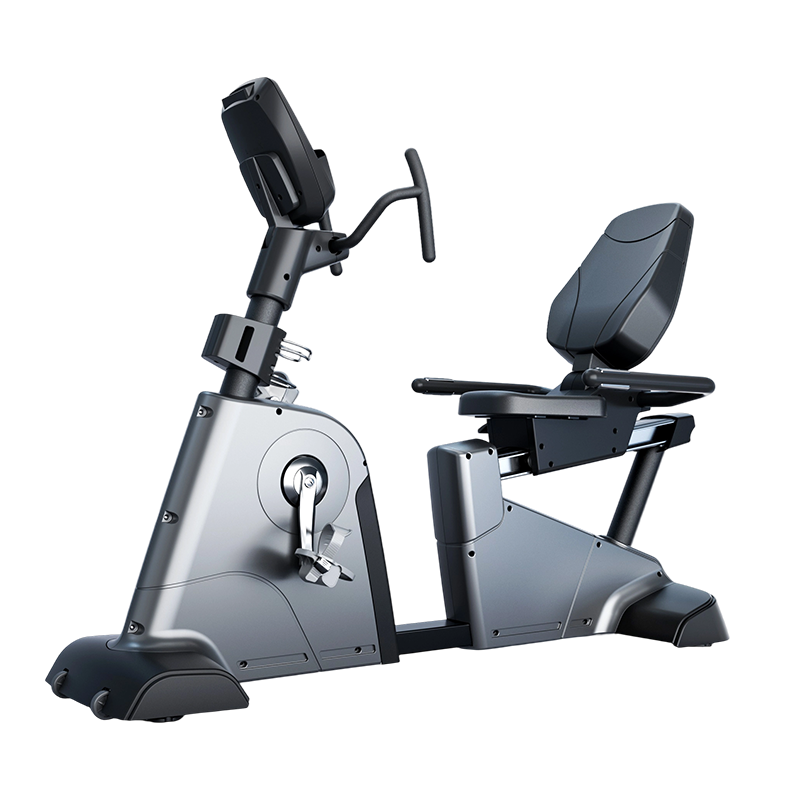
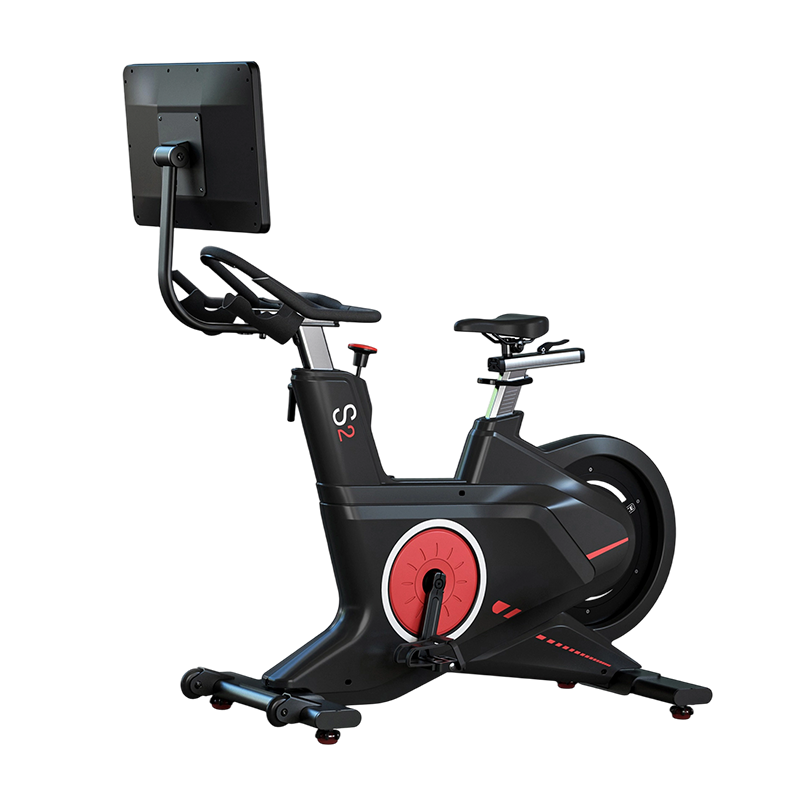
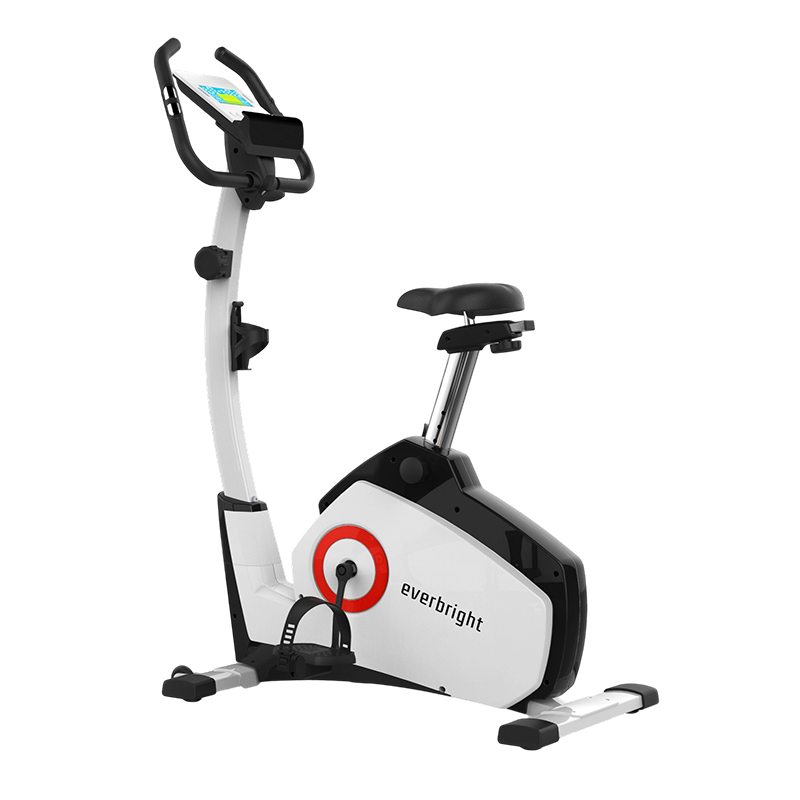
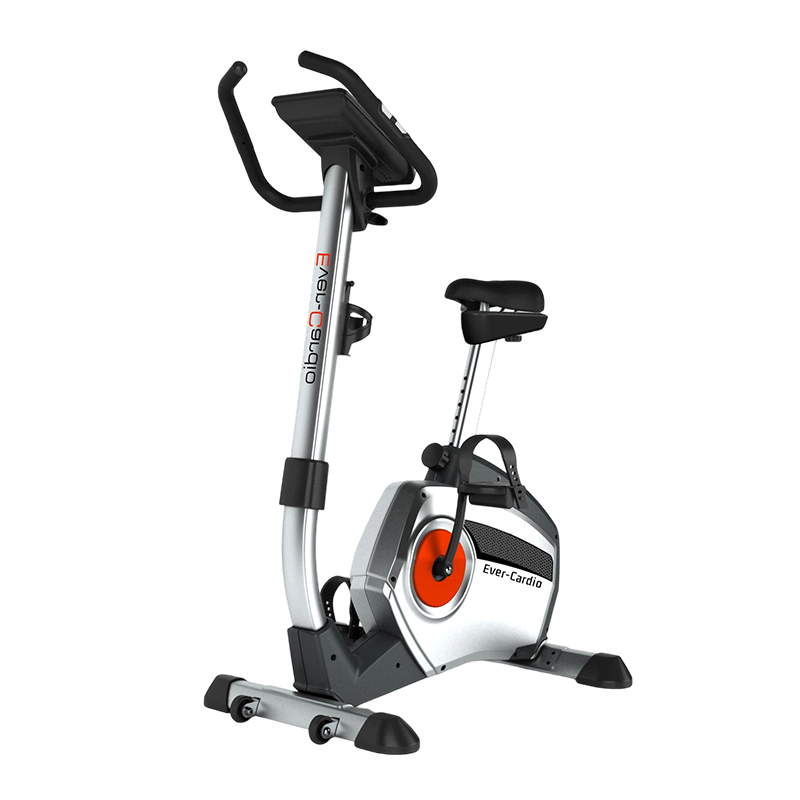
Cycling — whether on a road bike, mountain bike, or stationary trainer — offers a compelling combination of cardiovascular intensity and joint-friendliness that the treadmill cannot match. The biomechanics of pedaling distribute force evenly across the knee joint without the downward impact loading that running produces. This is why physical therapists routinely prescribe cycling during knee rehabilitation, and why it is the preferred cardio modality for many older adults and individuals with obesity.
In terms of caloric output, vigorous cycling (14–16 mph on a road bike, or a hard effort on a stationary bike) burns between 400–600 calories per hour for a 155-pound person — comparable to or exceeding treadmill running, with dramatically lower injury risk. High-intensity indoor cycling classes, such as those built around structured power intervals, can push caloric expenditure even higher while improving VO2 max at rates comparable to running programs.
Cycling also offers something the treadmill fundamentally lacks: genuine real-world utility. Commuting by bicycle, for instance, integrates cardiovascular training into daily life without requiring dedicated gym time. Studies tracking active commuters consistently find that regular cyclists maintain lower body weight, better cardiovascular markers, and higher daily activity levels than non-cyclists — often without ever setting foot on a treadmill.
| Metric | Stationary Bike | Treadmill |
|---|---|---|
| Joint Impact | Very Low | Moderate to High |
| Calories/Hour (vigorous) | 400–600 kcal | 370–500 kcal |
| Muscles Targeted | Quads, Glutes, Hamstrings | Quads, Hamstrings, Calves |
| Injury Risk | Low | Moderate |
| Upper Body Engagement | Minimal | Minimal |
| Suitable for Beginners | Yes | Yes |
Swimming stands in a category of its own among cardio alternatives to treadmill training. The water's buoyancy eliminates virtually all joint stress, while the resistance of moving through water creates muscular demand that far exceeds anything a treadmill can produce. Every major muscle group — chest, back, shoulders, arms, core, legs — is engaged with every stroke, making swimming the most genuinely full-body cardiovascular workout available.
Caloric expenditure from swimming varies considerably with stroke and intensity. Butterfly stroke is one of the most demanding movements in all of sports, burning upward of 700–900 calories per hour for a 155-pound swimmer. Even a moderate freestyle pace burns 400–500 calories per hour — competitive with vigorous treadmill running — while generating zero impact loading on any joint.
Swimming is particularly valuable for individuals with arthritis, lower back problems, post-surgical recovery, or those who are significantly overweight. For these populations, the treadmill is often not just suboptimal but actively contraindicated. Swimming allows these individuals to train at genuine cardiovascular intensity without the pain or injury risk that treadmill running would generate.
One meaningful limitation of swimming as a replacement for treadmill training is bone density. Swimming, like cycling, is a non-weight-bearing exercise and therefore does not stimulate the bone-strengthening adaptations that running and jumping produce. For individuals at risk of osteoporosis, or younger athletes looking to build dense, resilient bones, swimming should be supplemented with some form of weight-bearing activity.
Kettlebell training — particularly high-repetition swings, cleans, and snatches — produces cardiovascular adaptations that rival dedicated cardio machines, while simultaneously building strength and muscle. This dual stimulus is something the treadmill fundamentally cannot provide. A 20-minute kettlebell circuit can produce a metabolic response comparable to a 45-minute treadmill session.
A landmark study from the American Council on Exercise (ACE) found that a 20-minute kettlebell snatch workout burned approximately 272 calories during the session and an additional 290 calories in the post-exercise recovery period, for a total of 562 calories — far exceeding what a similar-duration treadmill session typically produces. This "afterburn" effect, known as Excess Post-Exercise Oxygen Consumption (EPOC), is substantially greater in high-intensity resistance-based training than in steady-state treadmill cardio.
The practical implications are significant. Someone training three times per week with kettlebells will develop cardiovascular fitness, functional strength, grip strength, core stability, and hip power — none of which treadmill training develops to any meaningful degree. For busy individuals who need to accomplish multiple fitness goals in limited time, kettlebell training is arguably the most time-efficient exercise modality available.
Performed with minimal rest between sets, this circuit takes approximately 25 minutes and produces cardiovascular and muscular fatigue far exceeding what an equivalent duration on a treadmill would generate.
Stair climbing — whether on a dedicated stair climber machine, a stadium, or a building's stairwell — is one of the most effective lower-body and cardiovascular exercises available, and it consistently outperforms flat treadmill running in both caloric burn and muscular demand per minute of exercise.
The mechanical reason is straightforward: climbing stairs requires lifting your entire body weight vertically with every step, which demands significantly more energy than the horizontal leg turnover of running on a flat treadmill. A 155-pound person climbing stairs burns approximately 420–500 calories per hour, while also placing substantially greater demand on the glutes, hamstrings, and calves than treadmill running does.
Stair climbing also has practical real-world applications — research from the University of Roehampton found that regular stair climbers demonstrated superior aerobic capacity and lower resting heart rates compared to matched groups doing equivalent treadmill training. The vertical component of stair climbing stimulates bone density in the hips and spine, making it particularly valuable for women over 40 and anyone concerned about long-term skeletal health.
For gym-goers who feel treadmill workouts are tedious and low-return, the stair climber or StairMaster is an immediately accessible upgrade that sits right next to it in most facilities. Simply switching machines can produce meaningfully better results with no additional time investment.
High-Intensity Interval Training (HIIT) — alternating short bursts of maximal effort with brief recovery periods — has been extensively studied over the past two decades and consistently outperforms steady-state treadmill cardio for fat loss, VO2 max improvement, and cardiovascular health markers, often in sessions that are 40–60% shorter in duration.
A landmark meta-analysis published in the British Journal of Sports Medicine in 2019, reviewing 36 studies, found that HIIT produced VO2 max improvements approximately 9 times greater than moderate-intensity continuous training (the type most people do on a treadmill) for the time invested. This is a practically relevant finding, not just a laboratory curiosity — it means 15 minutes of genuine HIIT can produce cardiovascular adaptations that 45 minutes of treadmill jogging cannot match.
HIIT can be performed in countless formats, none of which require a treadmill: sprint intervals on a track, cycle intervals on a bike, burpee-and-rest circuits, battle rope intervals, or box jump sequences. The equipment is secondary; the intensity structure is what drives the adaptation. For anyone still spending 45–60 minutes per session on a treadmill at a steady moderate pace, transitioning to structured HIIT is one of the most evidence-backed upgrades they can make.
Total session time: approximately 25 minutes. Metabolic and cardiovascular benefit: substantially greater than a 45-minute steady treadmill session for most fitness goals.
No single alternative is universally "the best." The right treadmill replacement depends on what you're training for, your current fitness level, your injury history, and your access to equipment. Below is a practical breakdown by goal:
Prioritize HIIT protocols and kettlebell circuits. Both generate significantly greater EPOC (afterburn) than treadmill running, meaning your metabolism stays elevated for hours after the session ends. Combine these with rowing or cycling on lower-intensity days for active recovery and sustainable calorie burning.
Rowing and cycling are the top choices. Both produce excellent VO2 max improvements and heart rate adaptations without the injury risk that accumulates with heavy treadmill running volume. For those who enjoy outdoor exercise, road cycling and open-water swimming also deliver outstanding endurance adaptations.
Swimming is the gold standard for joint-safe cardiovascular exercise. Cycling and rowing are also excellent. All three allow training at high cardiovascular intensities with virtually no joint impact, making them suitable for long-term, sustainable fitness without the breakdown risk that treadmill use accumulates over months and years.
Jump rope and HIIT circuits offer the highest return per minute of exercise time. If you have 15–20 minutes and need to maximize caloric expenditure and cardiovascular stimulus, neither a treadmill nor any other steady-state machine can compete with the efficiency of a properly structured jump rope or HIIT session.
Kettlebell training is the clear winner here. No other single-modality exercise simultaneously develops cardiovascular fitness, functional strength, and muscle mass in the way kettlebell training does. For anyone whose goals extend beyond pure cardio, the kettlebell is the most versatile tool available — and it costs a fraction of a treadmill.
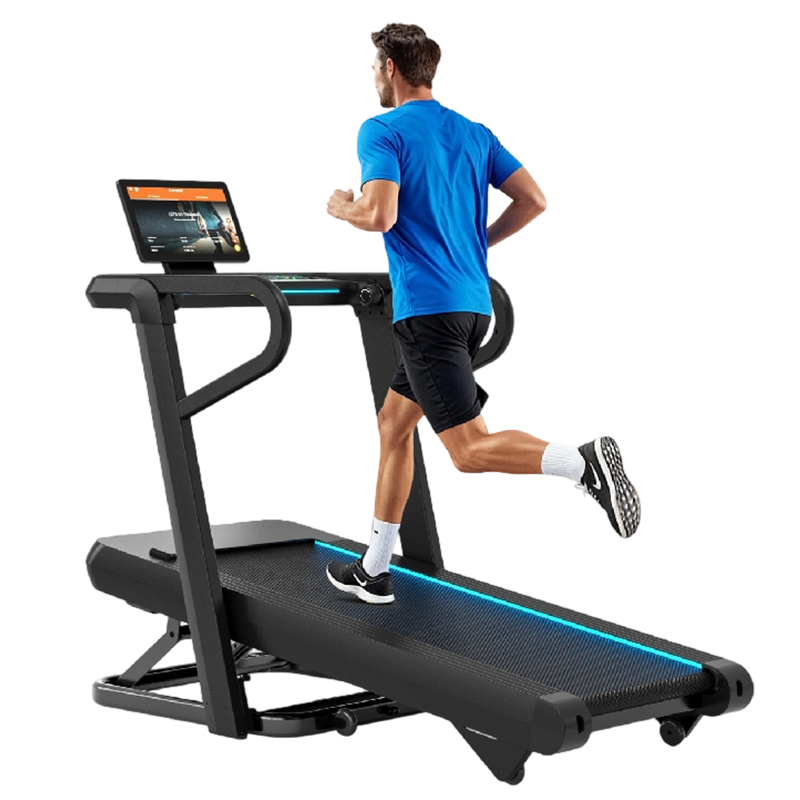
Absolutely — and for many people, this is the most intelligent approach. The treadmill isn't without value; it simply isn't the optimal choice for every session or every goal. Using a treadmill for easy recovery walks, light Zone 2 training, or occasional variety is perfectly reasonable. The problem arises when the treadmill becomes the default answer for all cardiovascular training, which leads to repetitive stress, plateaus, and limited overall fitness development.
A well-rounded weekly training structure might look like this: two rowing or cycling sessions for cardiovascular endurance, two kettlebell or HIIT sessions for metabolic conditioning and strength, one swimming session for active recovery and mobility, and at most one light treadmill walk for easy movement. This kind of varied programming produces faster, more comprehensive fitness improvements than any single-modality approach — treadmill-based or otherwise.
The underlying principle is simple: variety in training stimulus produces superior fitness outcomes compared to repeating the same movement pattern at the same intensity day after day. The treadmill became the default gym fixture not because it's the best tool, but because it's familiar and easy to use. The exercises outlined in this article challenge that default — and the data behind them is compelling enough to take seriously.
Hot Products

Phone: +86-152 5836 5876
TEL: +86-574 6322 1199
Email: mandy@evbfit.com
Address: No. 518 Zhengtong Road, Kandun Street, Cixi, Ningbo, Zhejiang, China
Copyright © Zhejiang Everbright Industry, Inc. All Rights Reserved. Custom Exercise Bikes Manufacturers China Stationary Bikes Factory