Dec 01, 2025
Content
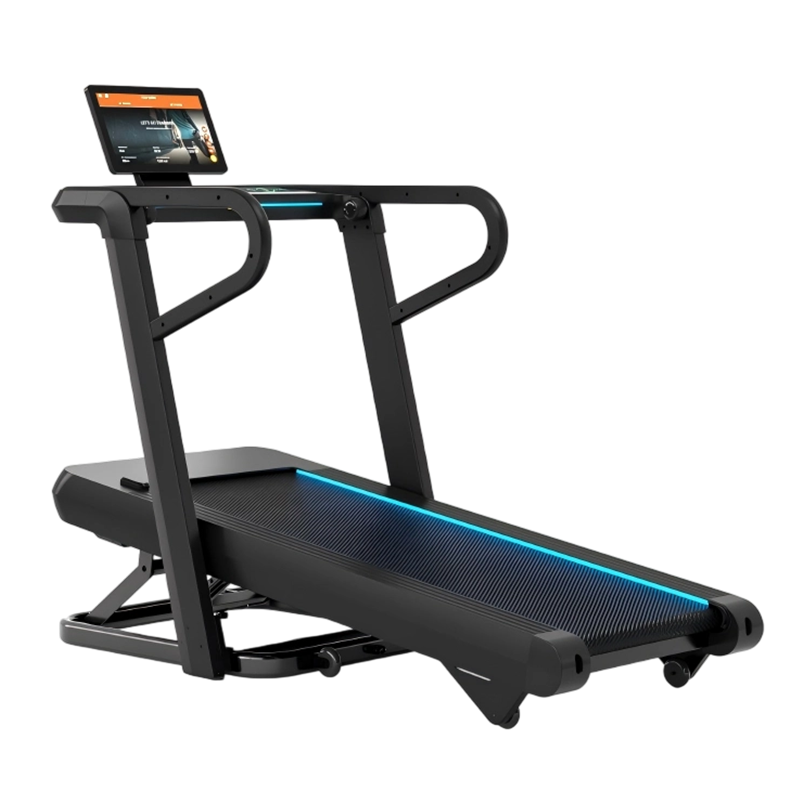
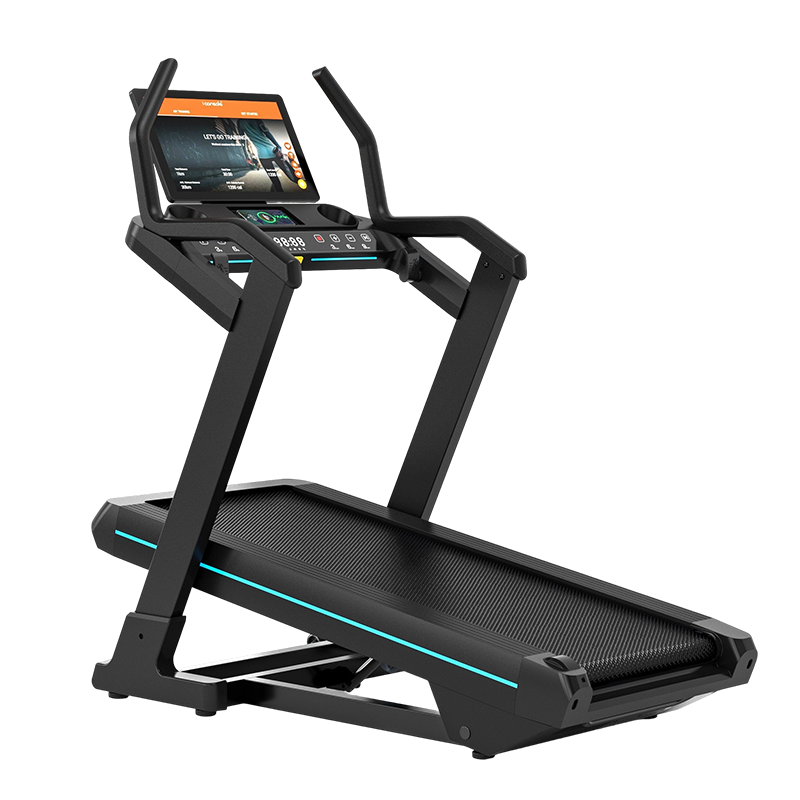
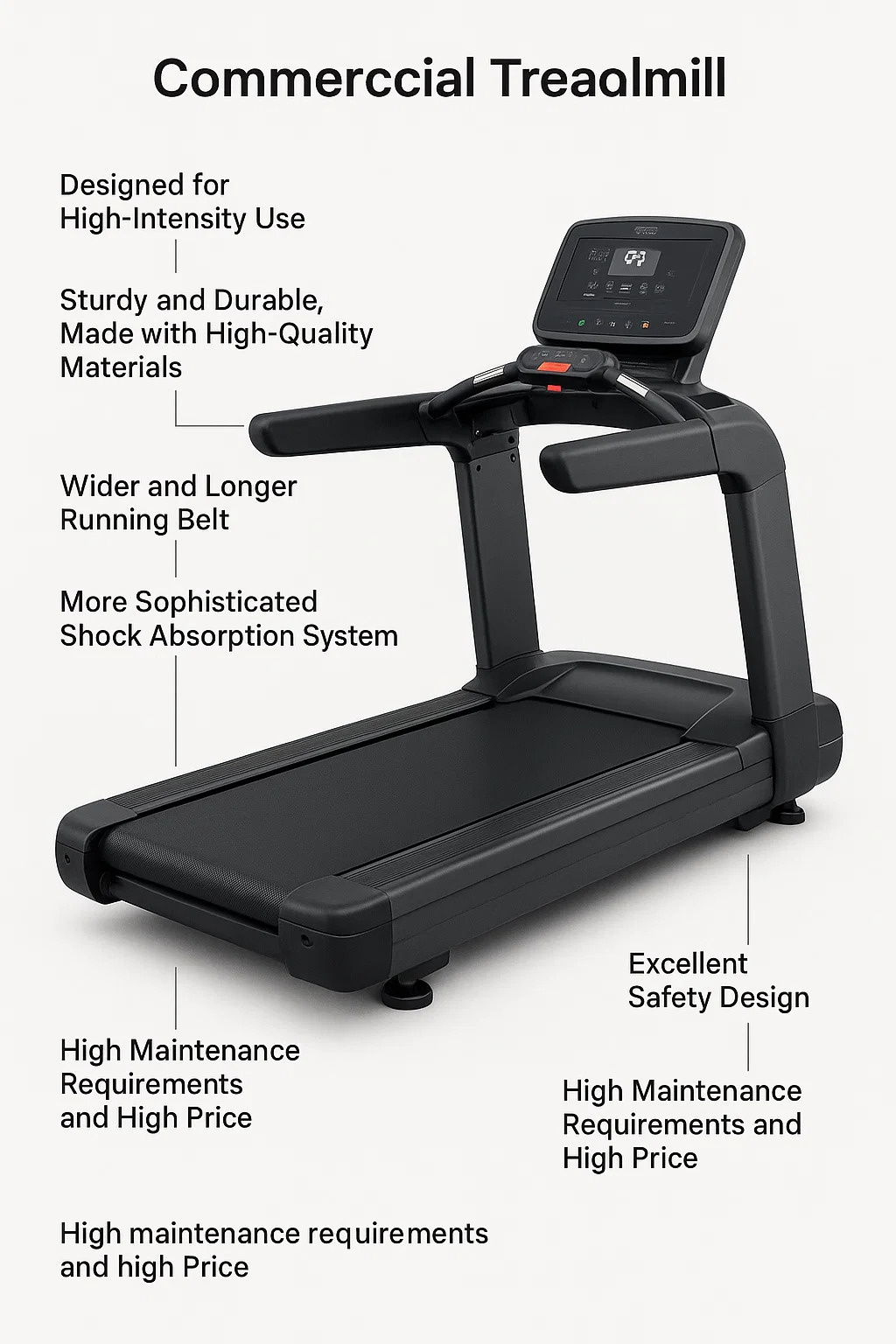
Let's talk about what a commercial treadmill is. You can think of it as the sturdy, heavy-duty treadmill you find in gyms. Here are its main features:
This is the most crucial difference. Commercial treadmills are specifically designed for public places like gyms, hotels, rehabilitation centers, and company employee fitness areas.
Imagine a busy gym during peak hours; a treadmill might be in use almost continuously from morning till night, with people of different heights and weights running, walking, and climbing on it. Home treadmills can't handle this kind of constant use, but commercial treadmills are built for it.
Their design goal is to work continuously for many hours every day, withstanding frequent and prolonged use by numerous members.
To withstand high-intensity use, commercial treadmills use top-quality materials.
The frame is usually very heavy and robust, often welded from thick steel pipes, providing exceptional stability during use.
The running deck (the board under the running belt) is particularly thick and wear-resistant, with a high weight capacity, easily accommodating users of all sizes.
The motor is much more powerful, providing ample power. Even if someone runs fast, is heavy, or sets a steep incline, the motor can easily handle it without overheating or malfunctioning, ensuring smooth and quiet operation (relatively speaking).
The overall impression is: heavy, solid, and clearly very durable.
Commercial treadmills typically have wider and longer running belts. This not only makes running feel more comfortable and safer (less likely to step on the edge or feel cramped), but also better accommodates different strides and training methods (such as long strides or lateral movement training).
The spacious running belt is an important indicator of professionalism and comfort.
To protect users' joints (especially knees and ankles), and to enhance running comfort, commercial treadmills are usually equipped with more professional and effective shock absorption systems.
These systems are more complex in design, better absorbing the impact of the foot landing, making running feel "softer" and "more cushioned," reducing the impact on the body. This is very important for people who train regularly.
Commercial treadmills usually have simple, intuitive, and responsive control panels.
Although they also have various preset programs (such as uphill running and interval training), the button layout is reasonable, making it easy to see data and operate the treadmill while running (such as quickly adjusting speed and incline).
The screen display is clear, allowing users to easily see key information such as speed, time, distance, and heart rate even in dimly lit gyms. Many have interfaces for connecting heart rate monitors or wireless chest straps.
Considering the usage environment in public places and the varying skill levels of users, safety is paramount.
They are all equipped with emergency stop switches (usually a clip attached to clothing or a large red button), which immediately stop the treadmill when pulled or pressed, preventing accidental falls and injuries.
The running belt surface has good anti-slip texture.
The overall structure is stable and will not easily move or tip over.
Because they are so sturdy and durable, the price is much higher than home treadmills, usually several times or even ten times more expensive.
Also, due to the high intensity of use, they require more professional and regular maintenance (such as lubricating the running belt and checking for parts wear) to ensure long-term stable operation. Gyms usually sign maintenance contracts with suppliers.
When purchasing commercial treadmills, suppliers usually provide warranty and service terms specifically for commercial use. This is very different from the warranty scope and response time for home use, emphasizing quick response and on-site repair, because downtime in a gym means losses.
Hot Products

Phone: +86-152 5836 5876
TEL: +86-574 6322 1199
Email: mandy@evbfit.com
Address: No. 518 Zhengtong Road, Kandun Street, Cixi, Ningbo, Zhejiang, China
Copyright © Zhejiang Everbright Industry, Inc. All Rights Reserved. Custom Exercise Bikes Manufacturers China Stationary Bikes Factory