Magnetic Resistance Fitness Equipment
Introduction
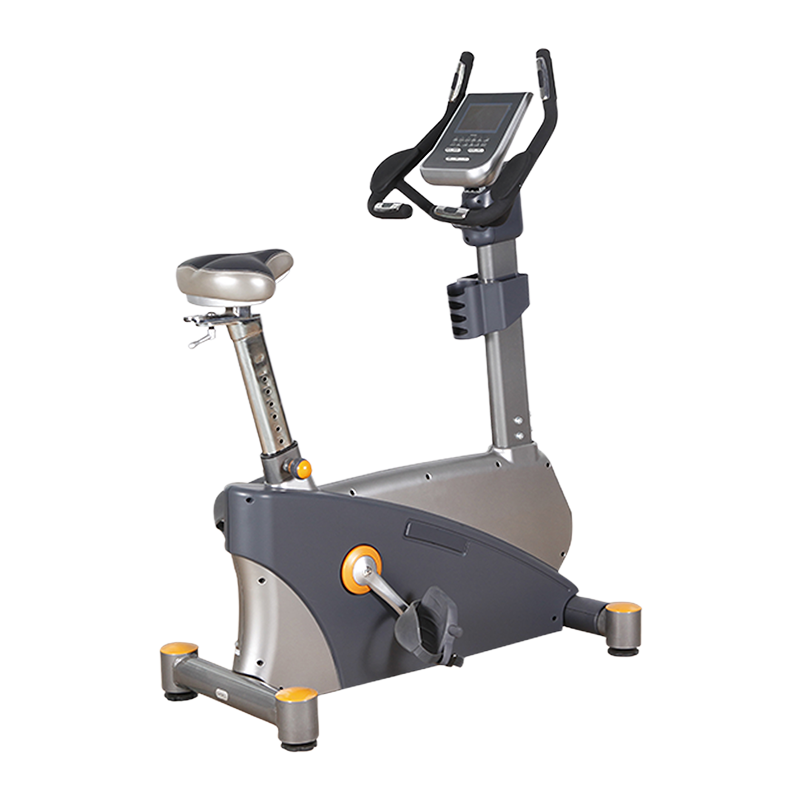
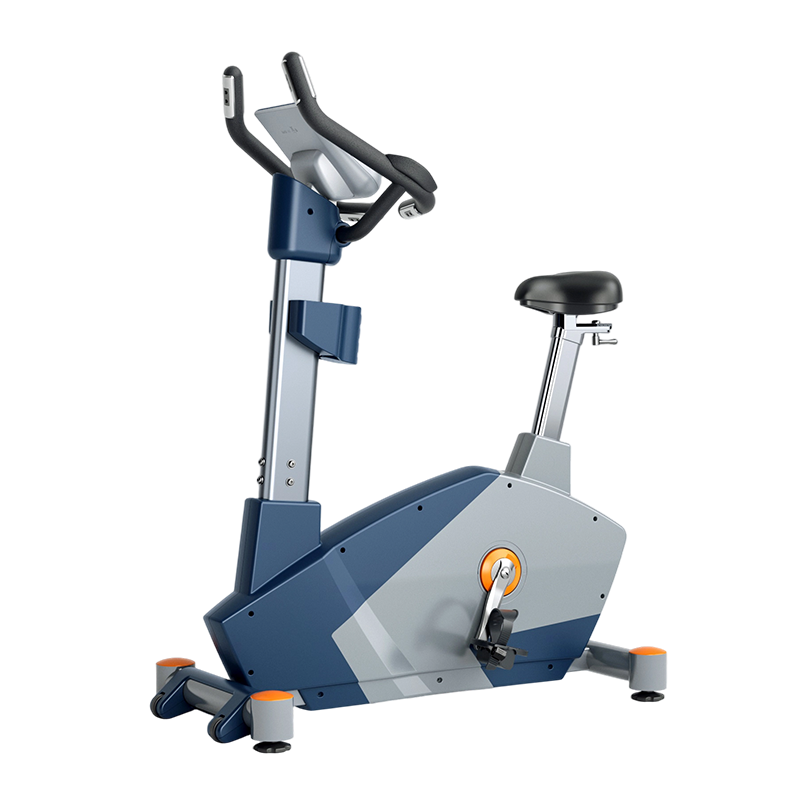
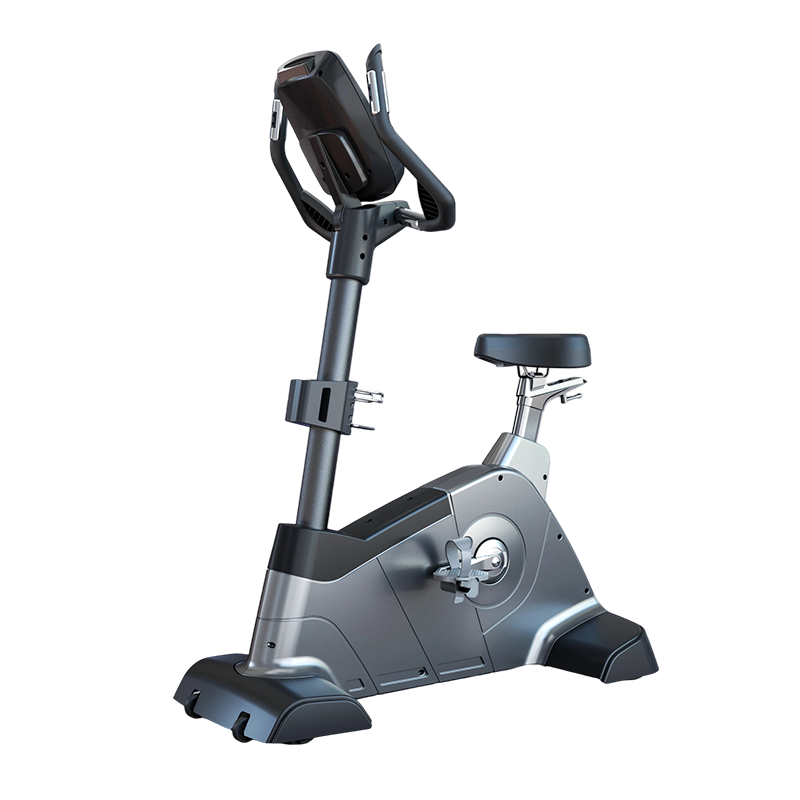
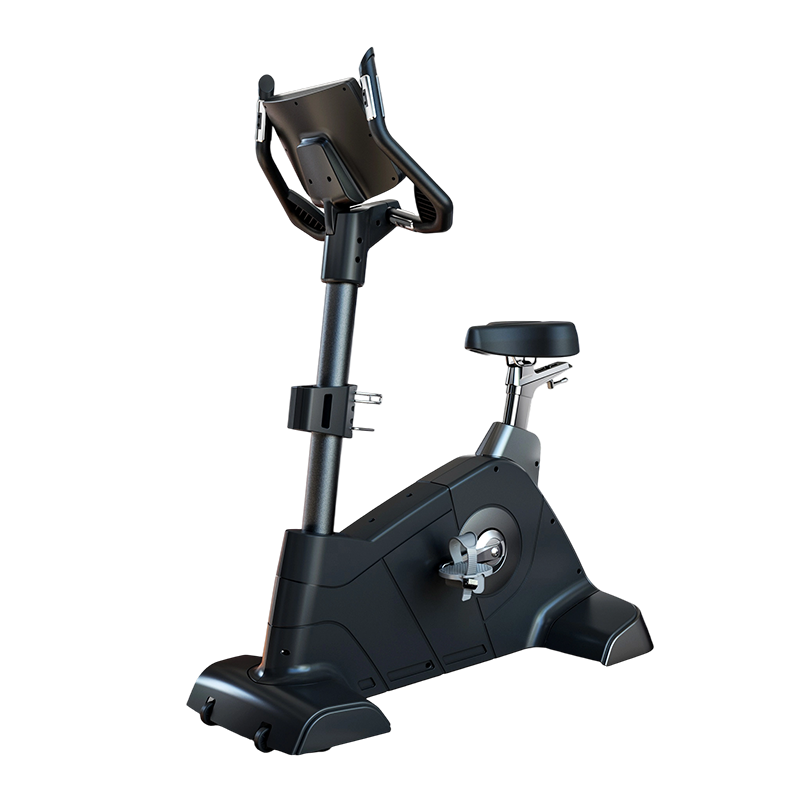
Magnetic resistance fitness equipment uses magnets to create the load that the user works against. In most designs a metal flywheel spins past a set of fixed or movable magnets, and the resulting eddy currents slow the flywheel without any physical contact between parts. Because nothing rubs against the flywheel, the load is smooth, there is almost no wear from braking, and operating noise stays low. This principle is used on upright bikes, recumbent bikes, spin bikes, ellipticals and rowing machines, which makes it one of the most widely specified resistance systems in the home and light commercial cardio market.For importers, distributors and fitness brands, the resistance system affects several purchasing factors at once: sound level, maintenance workload, warranty claims, shipping weight, and how the product is described to end users. Magnetic systems are usually compared with friction pad systems, fan or air systems, and hydraulic cylinders. Each has a place, but magnetic units are normally chosen where quiet use, consistent feel and low service needs are priorities.Zhejiang Everbright Industry builds magnetic resistance cardio machines at its 127,000 square meter factory in Cixi, Ningbo, with more than 300 technical staff supporting design, tooling and testing. About 80 percent of output is exported, and OEM and ODM orders can include changes to frame structure, upholstery color and brand logo. Magnetic models in the range are built to run at 40 dB or below, and self-generating electromagnetic resistance bikes are also available for buyers who want equipment that does not depend on a mains outlet.This page explains how magnetic resistance works, what specifications matter, how to evaluate suppliers, and how to install, use and maintain the equipment. The goal is to give buyers the information they need to write a clear purchasing specification and to answer questions from their own customers.

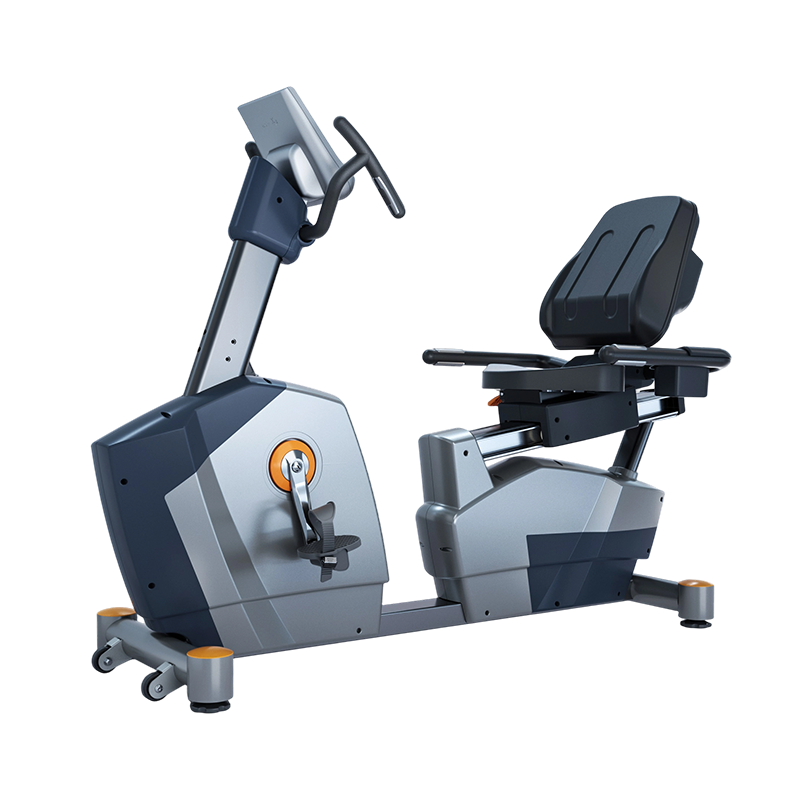
Technical Specifications and Features
A magnetic resistance system has three main parts: a conductive flywheel, a magnet assembly, and a mechanism that changes the gap between them. In a manual system, a knob and cable move the magnets closer to or farther from the flywheel. In an electronic system, a small motor or stepper moves the magnets on command from the console, which allows programmed workouts and numbered resistance levels. The closer the magnets sit to the flywheel, the stronger the eddy current braking and the higher the load.
Flywheel mass and drive ratio shape how the machine feels. A heavier flywheel stores more momentum and smooths out each pedal stroke or stride, while a lighter one lowers shipping weight and cost. Most home magnetic bikes use flywheels in the range of about 3 to 13 kg, and heavier values are more common on spin bikes. Drive is normally by belt, which is quieter than chain and needs little lubrication.
| Parameter | Typical range or option | Why it matters |
|---|---|---|
| Flywheel weight | About 3 to 13 kg | Affects smoothness of motion and unit weight |
| Resistance levels | 8 to 32 levels, or stepless knob | DZEIines workout range and console complexity |
| Adjustment method | Manual knob or motorized | Motorized allows programs and remote control |
| Drive type | Belt, sometimes chain | Belt is quieter and needs less lubrication |
| Operating noise | 40 dB or below on magnetic models | Suits apartments and shared rooms |
| Power supply | None, adapter, or self-generating | Self-generating units work without a mains outlet |
| User weight rating | Typically 100 to 150 kg | Drives frame steel and welding specification |
| Safety standard | EN ISO 20957 series, class H for home use | RZEIerence for stability and safety testing |
Self-generating electromagnetic resistance bikes add a small generator that powers the console and the resistance coil from the user's own pedaling. These are usZEIul for markets or sites where outlets are not close to the equipment. Buyers should confirm the minimum cadence needed to keep the display active, since this can vary between designs.
Professional Buying Guide
When sourcing magnetic resistance equipment, start by dZEIining the use case. A product for occasional home use has different frame, flywheel and bearing needs than one placed in a hotel gym or a small studio. Write down the target user weight, expected weekly hours of use, console features, and the sound level the product must meet. These points make quotations comparable between factories.
Ask the supplier for test data rather than general statements. A factory that tests to the EN ISO 20957 series can usually provide a report from an accredited laboratory, and a CE or other regional marking depends on the electrical parts as well as the frame. For electronic consoles and adapters, ask about the relevant electromagnetic compatibility and electrical safety requirements for the destination market.
| Criterion | What to check | Typical range or rZEIerence |
|---|---|---|
| Flywheel | Weight, balance, bearing type | About 3 to 13 kg, sealed bearings |
| Resistance range | Lowest and highest load, step size | 8 to 32 levels or stepless |
| Noise | Measured sound at normal cadence | 40 dB or below on magnetic models |
| Frame | Steel tube thickness, weld quality, finish | Typically 1.5 to 2.5 mm wall tube |
| Maximum user weight | Rated load and test report | Typically 100 to 150 kg |
| Console | Display, program count, connectivity | Basic LCD to touchscreen |
| Customization | Logo, upholstery color, frame structure | OEM and ODM options available |
| Packaging | Carton strength, drop test, container loading | Flat pack to reduce freight cost |
Also ask about minimum order quantity, sample lead time, spare part supply and warranty terms. Distributors often request a spare parts list with pedals, belts, knobs and sensors priced separately, because after-sales support affects repeat orders. Confirm whether the factory can supply color-matched upholstery and printed manuals in the destination language.
Usage Advantages
Magnetic resistance offers several practical advantages for the end user. Because the brake does not touch the flywheel, the load feels even across the pedal stroke, and there is no friction noise that grows over time. This allows use in apartments, bedrooms and offices where noise limits apply. The same property reduces heat build-up and the need to replace brake pads.
To get consistent results, users should set the resistance level bZEIore starting rather than during hard ZEIforts, and should warm up for several minutes at low load. Adjusting the saddle, handlebar or seat position to the user's body size reduces strain on the knees and lower back. For interval work, a motorized system that changes levels automatically helps the user keep to a plan.
| Advantage or tip | Explanation |
|---|---|
| Low noise | No contact braking, so sound is mostly the belt and bearings |
| Smooth load | Eddy current braking increases evenly as speed rises |
| Low wear | No brake pads to replace in normal use |
| Warm-up | Start at low resistance for 5 to 10 minutes |
| Posture | Keep a slight knee bend at the bottom of the pedal stroke |
| Cadence | Many users train between about 60 and 90 revolutions per minute |
| Interval use | Alternate high and low levels using console programs |
| Cool-down | Reduce load gradually and stop pedaling smoothly |
Users should remember that the displayed resistance level is a relative setting and not always a measured power value. If a buyer wants watt readings, the product must include a power sensor or a calibrated resistance curve. Clear wording in the product listing helps avoid returns caused by mismatched expectations.
Application Scenarios
Magnetic resistance equipment fits many settings because it is quiet and needs little service. The main differences between scenarios are the number of users, the hours of daily use, the available space, and whether the operator needs data from the machine. Matching the specification to the setting avoids paying for features that will not be used.
In homes, the priorities are low noise, a compact footprint and simple operation, so folding designs and self-generating bikes are common. In hotels and apartment buildings, the priorities shift to durability and consistent user experience across many guests. In rehabilitation and wellness programs, smooth and adjustable load matters more than console programs.
| Scenario | Equipment needs | Planning notes |
|---|---|---|
| Home use | Upright or recumbent bike, folding frame | Check ceiling height, floor type and storage space |
| Apartment or shared room | Models at 40 dB or below | Use a mat to limit vibration into the floor |
| Hotel fitness room | Several bike types, sturdy frame | Plan for cleaning between users and wall space |
| Corporate wellness room | Mixed bikes and ellipticals | Add simple instruction labels on each machine |
| Rehabilitation support | Recumbent bike, low step-through | Follow guidance from the supervising professional |
| Small studio | Spin bikes with heavier flywheels | Allow about 1 by 2 m per bike |
| Retail display | Console demo mode | Show resistance changes and noise level |
| Remote site or outdoor deck | Self-generating bike | Protect from rain and direct sun |
Distributors serving several of these markets often keep two or three base models and use OEM options such as upholstery color and logo to match local brands.
FAQ
Frequently Asked Questions
- Q: How does magnetic resistance work?
- A: A metal flywheel rotates past magnets, and the changing magnetic field creates eddy currents in the metal that oppose motion. Moving the magnets closer to the flywheel raises the load. There is no physical contact, so there is little friction wear.
- Q: Is magnetic resistance quieter than friction resistance?
- A: Yes, in most cases. Friction pad systems produce rubbing noise, while magnetic systems are mainly limited by belt and bearing sound. Magnetic models from Everbright are built to run at 40 dB or below.
- Q: Do magnetic bikes need electricity?
- A: Manual knob models do not need power for the resistance itself, though the console may use batteries. Motorized models need an adapter. Self-generating electromagnetic resistance bikes produce their own power from pedaling.
- Q: Can magnetic resistance equipment be customized for my brand?
- A: Yes. OEM and ODM orders can include changes to frame structure, upholstery color and brand logo. Minimum order quantity and lead time depend on the level of change, so these should be confirmed in the quotation.
- Q: What documents should importers request?
- A: Typically a test report to the EN ISO 20957 series, the relevant electrical and electromagnetic compatibility documents for the market, a packing list, and a parts list. Requirements differ by destination, so check local rules.
- Q: How often does a magnetic resistance machine need service?
- A: Routine checks of bolts, belt and linkage every few months are usually enough. Brake pads are not used, so the main wear parts are the belt, bearings, pedals and upholstery.
- Q: Are resistance levels the same as watts?
- A: No. Levels are relative settings. Watt output depends on both the level and the speed, and an accurate reading needs a power sensor or calibrated curve.