OEM Fitness Equipment Factory
Professional Manufacturing and OEM Capacity
An OEM fitness equipment factory provides comprehensive manufacturing solutions for global brands, offering everything from structural engineering to custom branding and logistics. These facilities are equipped with heavy-duty industrial machinery designed to produce high-volume commercial and residential fitness products that meet international quality standards.
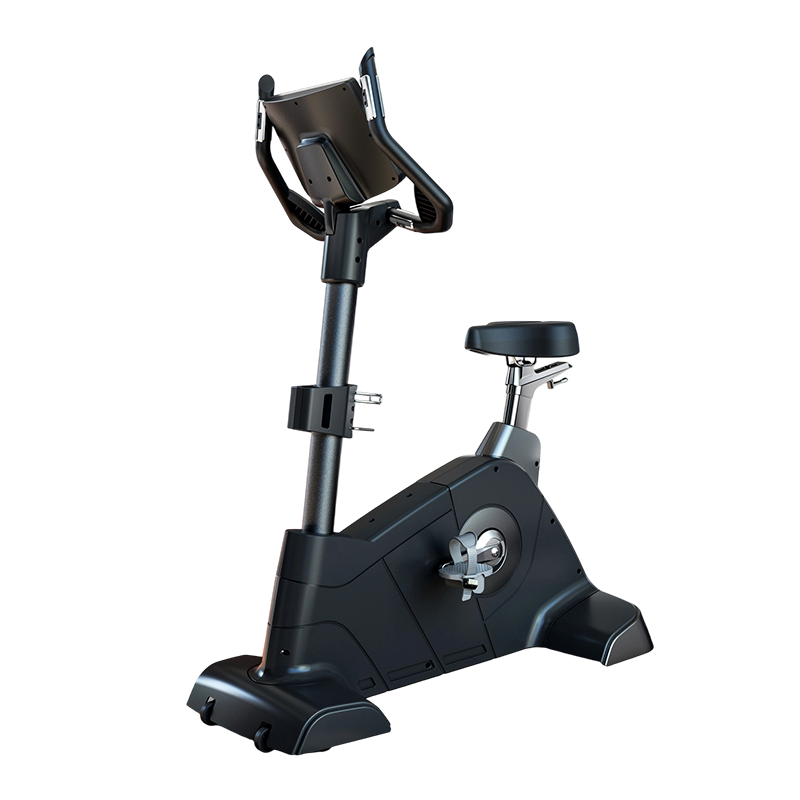

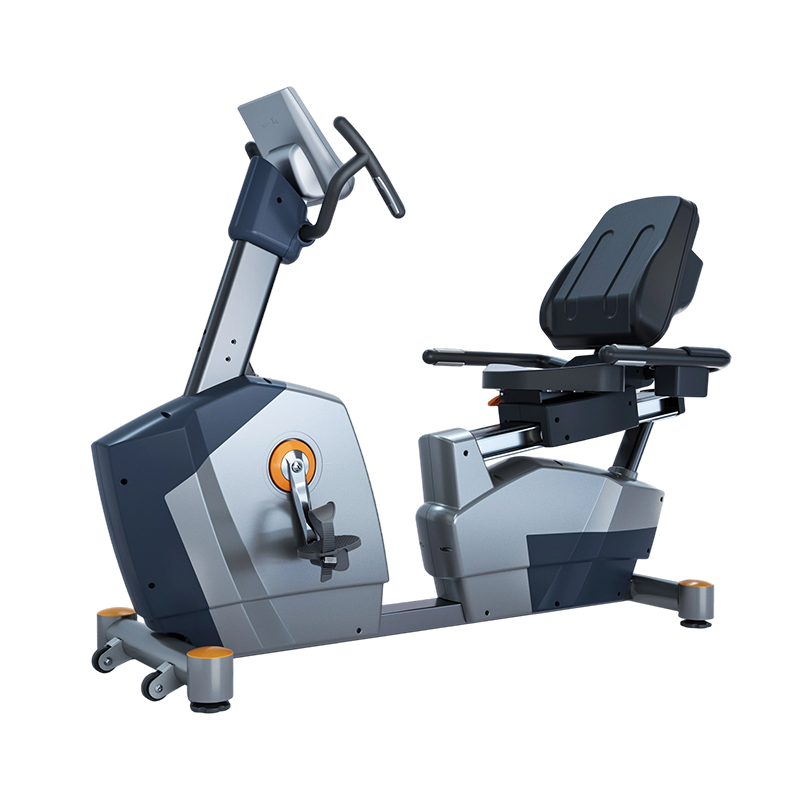
Factory Capabilities and Production Standards
- Robotic Welding Systems: Utilizes high-precision robots to ensure consistent, deep-penetration welds on steel and aluminum frames, providing superior structural integrity compared to manual welding.
- CNC Precision Machining: Advanced computer-numerical control lathes and mills produce internal components with micron-level tolerances, ensuring smooth mechanical operation.
- Automated Powder Coating Lines: Multi-stage electrostatic coating processes provide a durable, anti-corrosion finish that can withstand the high-humidity environment of a busy gym.
- In-House R&D and Prototyping: A dedicated team of engineers can transform conceptual drawings into functional prototypes, including PCB design and software integration.
- Strict Quality Control (QC): Every unit undergoes load testing, salt spray testing for corrosion, and electronic diagnostic checks before leaving the assembly line.
- Custom Branding and Packaging: Capabilities include laser-etched logos, custom color schemes, and drop-ship-ready packaging designed for international transit.
Guide to Selecting an OEM Manufacturing Partner
Selecting an OEM factory requires a deep dive into their certification and production history. Buyers should verify that the factory holds ISO 9001 certification and has experience with CE, UL, and RoHS compliance for international markets. It is essential to evaluate the factory’s R&D strength; a partner that can offer design suggestions to improve durability or reduce costs is more valuable than a simple assembly shop. Check the Minimum Order Quantity (MOQ) and lead times to ensure they align with your business model and seasonal demand. Inspect the raw material sourcing; high-quality factories use graded steel and premium electronics rather than recycled or non-branded components. Communication is also vital; the factory should have a dedicated account management team that can provide regular production updates and handle technical queries. For commercial-grade equipment, ask for proof of fatigue testing—specifically, how many millions of cycles the machines can withstand under load. Additionally, inquire about their logistics and shipping capabilities, including their ability to manage complex customs documentation and container loading optimization. Finally, visit the facility if possible to witness the working conditions and the actual QC processes in action.
Competitive Advantages of Factory Direct Sourcing
The primary advantage of working with an OEM fitness equipment factory is the significant cost savings achieved by eliminating middlemen and trading companies. This allows brand owners to maintain higher profit margins or offer more competitive pricing to their customers. Direct collaboration with the factory also allows for complete control over the product specifications, ensuring that the final equipment meets the exact needs of your target market. OEM partnerships facilitate rapid product iterations, enabling brands to bring new technologies to market faster than their competitors. From a quality perspective, having a direct line to the manufacturer means that any issues can be addressed at the source, leading to faster resolution of warranty claims and continuous product improvement. Furthermore, factories often offer exclusive territorial rights for certain designs, giving brands a unique edge in the marketplace. The ability to customize aesthetics, such as frame colors and console interfaces, helps in building strong brand identity and customer loyalty. Finally, a robust OEM partnership provides a scalable supply chain that can grow alongside your business, from small initial orders to large-scale international distribution.
Industrial and Commercial Applications
OEM fitness equipment factories primarily serve global fitness brands that require large-scale production of treadmills, bikes, and strength machines. They also work with gym franchises that want to develop their own line of branded equipment for their facilities. Large-scale retail chains utilize OEM services to produce high-quality home gym gear for the mass market. In the public sector, government and military agencies often source through OEM partners to meet specific equipment standards for training bases. Boutique fitness studios looking for a unique aesthetic often commission custom-designed machines to match their interior branding. Additionally, startups in the fitness tech space use OEM factories to produce the hardware components for their AI-integrated training platforms. The versatility of an OEM facility makes it suitable for producing specialized equipment for niche markets, such as rehabilitation centers or professional sports organizations. By providing a one-stop-shop for design, production, and shipping, these factories are the backbone of the global fitness equipment industry, enabling the diversity of products seen in modern health clubs and homes worldwide.
FAQ
- Q: What is the typical lead time for an OEM order?
- A: Lead times usually range from 30 to 60 days depending on the complexity of the equipment and the current production schedule of the factory.
- Q: Can the factory assist with product certification?
- A: Yes, reputable OEM factories work with third-party testing labs like SGS or TUV to ensure the products meet CE, UL, and other regional safety standards.
- Q: Is it possible to order a single prototype?
- A: Most factories will produce a prototype for a fee before moving into full production to ensure the design meets all performance and aesthetic requirements.