Senior-Friendly Cardio Equipment
Introduction
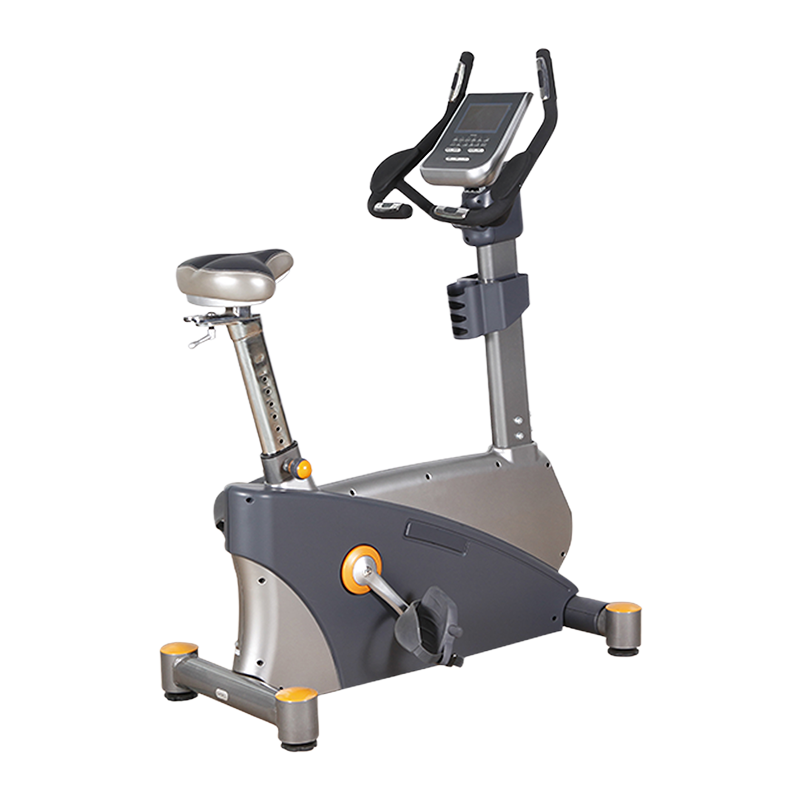
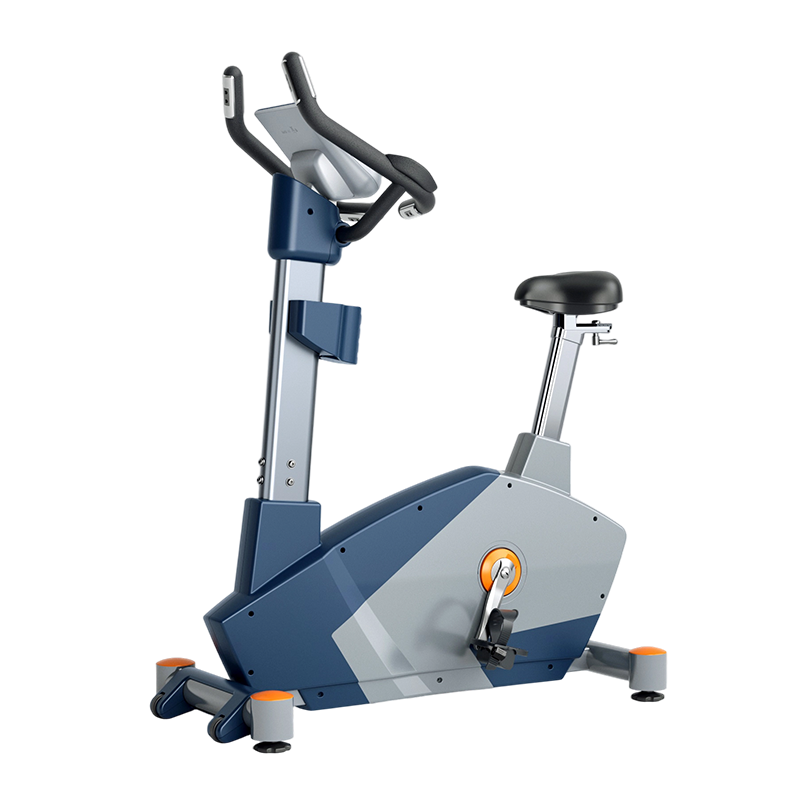
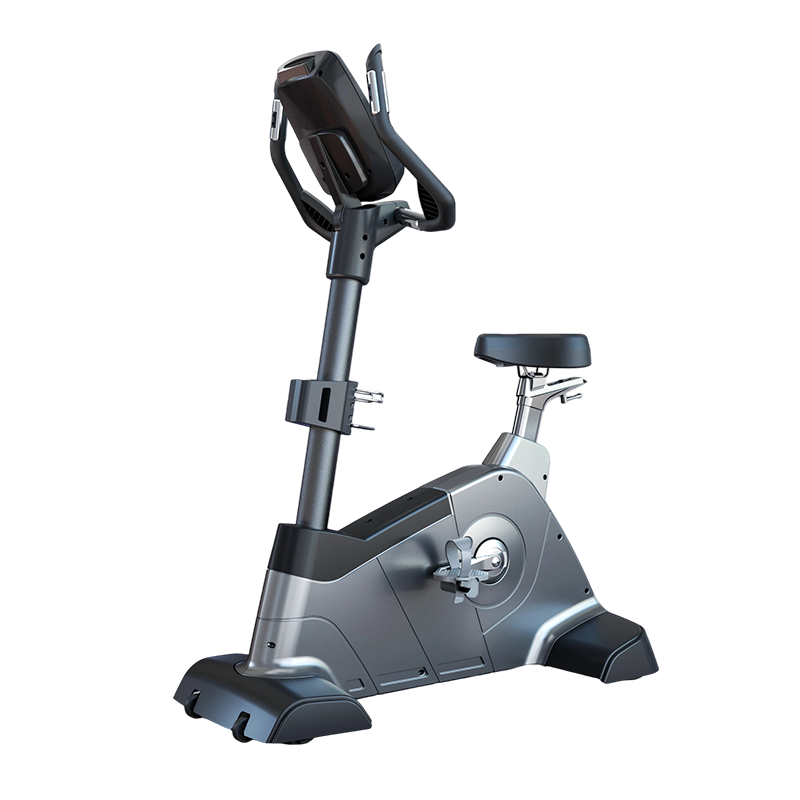
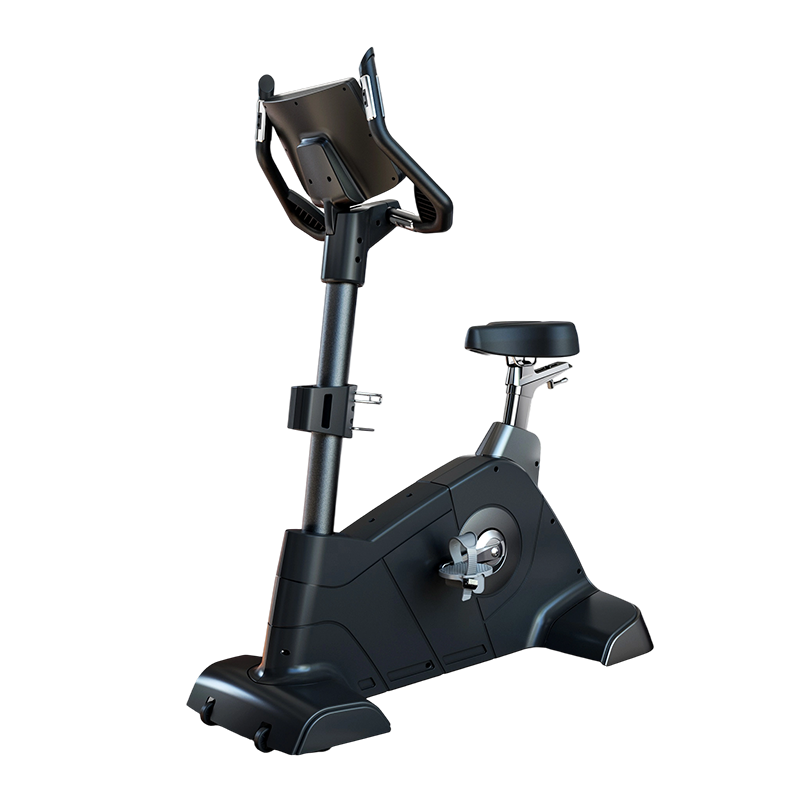
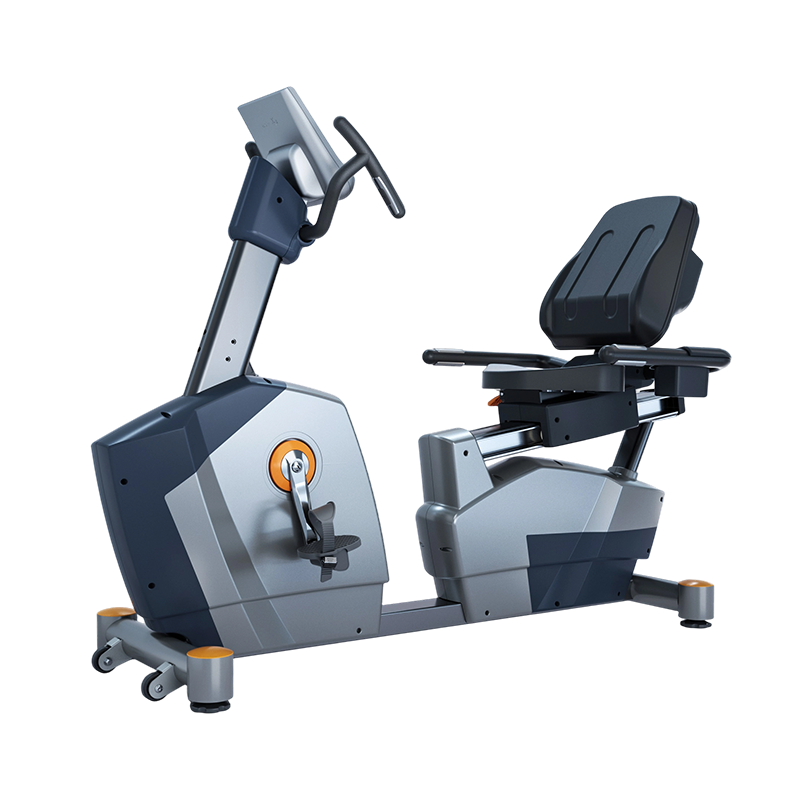
Senior-friendly cardio equipment is exercise equipment designed so that older adults can mount, use and dismount it with a low risk of falls and joint strain. Typical products include recumbent bikes with a step-through frame, upright bikes with a low entry, seated ellipticals and treadmills with handrails and a slow minimum speed. The design priorities are stability, a low step-over height, large and clear displays, and gentle starting resistance.The category matters to distributors because the population over 65 is growing in many export markets, and because older users are usually served by care homes, rehabilitation centers, senior living communities and physiotherapy clinics as well as by households. These buyers ask for documented safety features and for support in training staff, not only for a price.Zhejiang Everbright Industry builds recumbent bikes, upright bikes, ellipticals, treadmills and self-generating magnetic resistance bikes at its factory in Cixi, Ningbo. Magnetic models run at 40 dB or below, which is helpful in shared senior living rooms. The company works as an OEM and ODM supplier, so seat, backrest and color options can be adapted to a specific program.The sections below describe the technical features that make a machine suitable for older users, a buying checklist, usage guidance, maintenance and installation points, and answers to common questions.
- Common users: adults in their sixties and older, people returning to activity, and users with limited balance or joint stiffness.
- Common buyers: care homes, senior communities, clinics, public health programs and household buyers.
- Common requirements: low step-through, stable base, large controls, and a clear emergency stop.

Technical Specifications and Features
Features for older users concentrate on access, support and control. A low step-through height lets a user get onto the machine without lifting a leg high. A backrest and wide seat support the lower back during longer sessions. Pedals with straps hold the foot in place. Controls should have large characters and a simple layout. The table lists typical parameters buyers use when they compare senior-oriented models.
| Parameter | Typical range | Notes |
|---|---|---|
| Step-through height | 20 to 40 cm on recumbent and step-through bikes | Lower values suit users with limited hip flexion. |
| Seat width | 40 to 50 cm with backrest | A contoured backrest supports posture. |
| Seat adjustment | Horizontal slider with 8 to 15 positions | Allows a slight knee bend at full extension. |
| Starting resistance | Under 10 W or very low level | Low entry load suits first sessions. |
| Resistance type | Magnetic, quiet at 40 dB or below | No contact parts to wear down. |
| Display | Large LCD with 2 to 3 cm characters | High contrast and few buttons. |
| Maximum user weight | 120 to 150 kg | Check stability margin at full load. |
| Handles | Fixed and moving grips, pulse sensors | Handrails on treadmills and ellipticals provide support. |
Pedal crank length and Q-factor, which is the distance between the pedals, influence hip and knee alignment. Shorter cranks of about 150 to 165 mm can help users with limited range of motion. Ask the supplier whether alternative crank lengths are offered for OEM programs.
Self-generating electromagnetic resistance bikes give the user a display without a power cord, which also removes a trip hazard.
Professional Buying Guide
A buyer who supplies older users should think about the person getting on and off the machine as much as the person pedaling. Most falls occur during mounting and dismounting, so the entry design, the grip points and the stability of the base deserve attention. Care providers often involve a physiotherapist in the choice of a model.
| Criterion | What to check | Typical range or rZEIerence |
|---|---|---|
| Entry design | Step-through height and handle position | Under 40 cm; handle within reach when standing |
| Base stability | Stabilizer width and rubber feet | Wide base with leveling feet; no tipping under side load |
| Seat and backrest | Adjustability, padding, cleaning | Wipeable PU or vinyl; backrest angle 100 to 115 degrees |
| Controls | Button size and menu depth | Large buttons, one-touch start, clear stop |
| Safety | Emergency stop and pulse sensing | Stop key on treadmills; hand pulse sensors on grips |
| Noise | Sound level while in use | 40 dB or below on magnetic bikes |
| Documentation | Manual in the local language, large print instructions | Safety standards test report for the target market |
For OEM and ODM programs, ask about customization of structure, upholstery color and brand logo. A care group may want a specific seat color for contrast or a logo of its own. Everbright can adapt these elements; confirm the minimum order quantity and the sample approval stages. Also check the warranty on moving parts, since care homes tend to use machines on a daily timetable.
Usage Advantages
Low-impact cardio exercise is widely recommended for older adults, usually in combination with strength and balance work. Health authorities such as the World Health Organization suggest 150 to 300 minutes of moderate activity per week for adults, including older adults, adjusted to ability and medical advice. The points below help a buyer explain how senior-friendly machines are used.
| Advantage or tip | Explanation |
|---|---|
| Low joint load | Seated and supported cycling places less impact on hips, knees and ankles than walking or jogging. |
| Supported posture | A backrest and handles reduce the need for balance control during the session. |
| Gradual progress | Start with 5 to 10 minute sessions and add a few minutes each week. |
| Medical advice | Users with heart, blood pressure or bone conditions should consult a doctor bZEIore starting. |
| Seat setup | Set the seat so the leg is almost straight at the farthest pedal position. |
| Supervision | In care homes, staff should be nearby for the first sessions and for any change in settings. |
| Warm-up and cool-down | Three to five minutes of very light pedaling bZEIore and after the main part. |
| Quiet room | Low noise allows conversation, which makes group use more comfortable. |
Users should stop if they feel chest pain, dizziness or unusual shortness of breath. Instructions placed near the machine in large print help staff and family members support these points.
Application Scenarios
Senior-friendly cardio equipment is purchased for several settings that each have different supervision, space and budget. The table below shows common scenarios with the equipment needed and planning points for each, based on typical practice among distributors serving this segment.
| Scenario | Equipment needs | Planning notes |
|---|---|---|
| Care home | Recumbent bikes with step-through frame | Staff supervision, easy cleaning and low noise are priorities. |
| Senior living community | Mix of recumbent bikes, ellipticals and a walking treadmill | Group access during set hours; provide seating nearby. |
| Physiotherapy clinic | Bikes with low starting resistance | Programs controlled by a therapist; may overlap with rehabilitation needs. |
| Household use | Compact recumbent or upright bike | Small footprint, quiet running and simple controls. |
| Community center | Several bikes and a treadmill with handrails | Resistant to daily use by many different people. |
| Public health program | Bulk order of matching bikes | Standardized models simplify training and spare parts. |
Everbright supplies recumbent bikes, upright bikes, ellipticals, treadmills and folding designs, so a distributor can assemble a set for each scenario from one source. Customization of structure, upholstery color and brand logo supports private label programs for care groups and health suppliers.
FAQ
Frequently Asked Questions
- Q: What features make cardio equipment suitable for seniors?
- A: A low step-through height, supportive seat and backrest, stable wide base, large and clear display, low starting resistance and a clear emergency stop. Handrails and pedal straps also help.
- Q: Is a recumbent bike better than an upright bike for older users?
- A: A recumbent bike gives back support and a lower entry, which many older users find more comfortable. An upright bike takes less floor space and suits users with good balance. The choice depends on the user.
- Q: What resistance level should seniors start with?
- A: Start at a very low level and increase slowly over several weeks. A doctor or physiotherapist can advise on a safe range for each person.
- Q: How noisy are magnetic bikes?
- A: Magnetic resistance has no contact friction, and Everbright magnetic models run at 40 dB or below, which supports use in shared rooms and quiet homes.
- Q: Can the machines be customized for a care provider?
- A: Yes. Everbright works as an OEM and ODM supplier, with options for structure, upholstery color and brand logo. Details such as seat width or crank length are discussed per project.
- Q: Which test reports should a buyer request?
- A: A safety test report for the target market, a user weight and stability test, an electrical safety report for powered models, and a quality system certificate from the factory.
- Q: How often should machines in a care home be inspected?
- A: Visual checks should be done daily or weekly by staff, with a technician inspection every 6 to 12 months, depending on use and the supplier manual.