Aug 17, 2026
Content
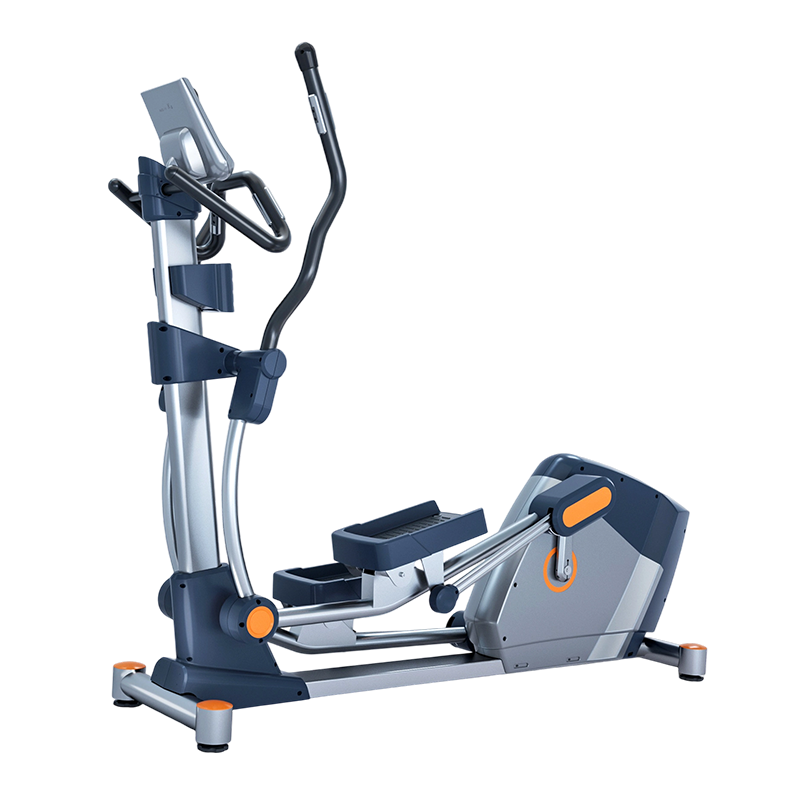
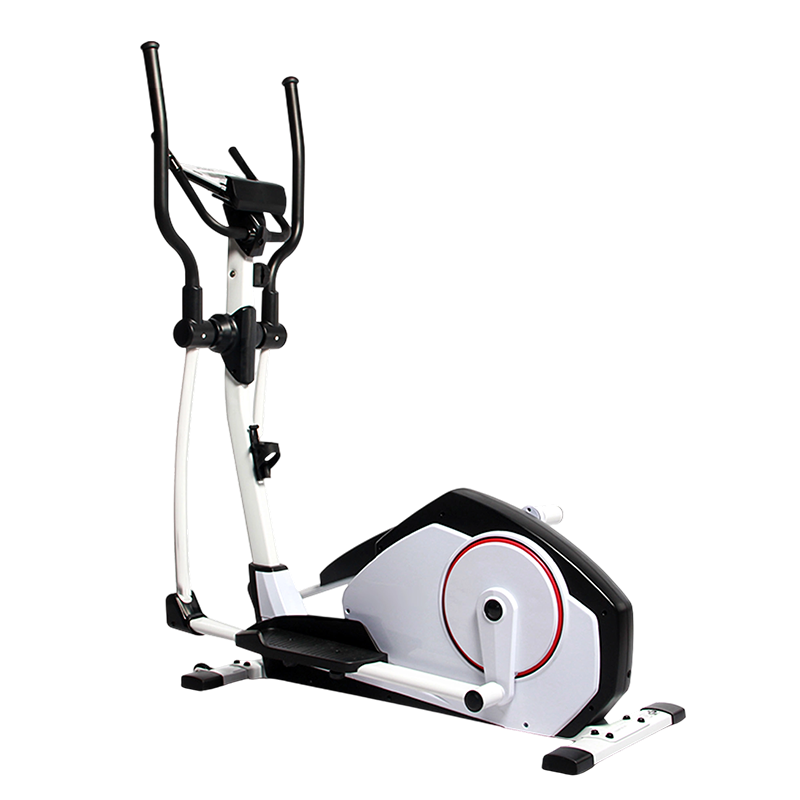
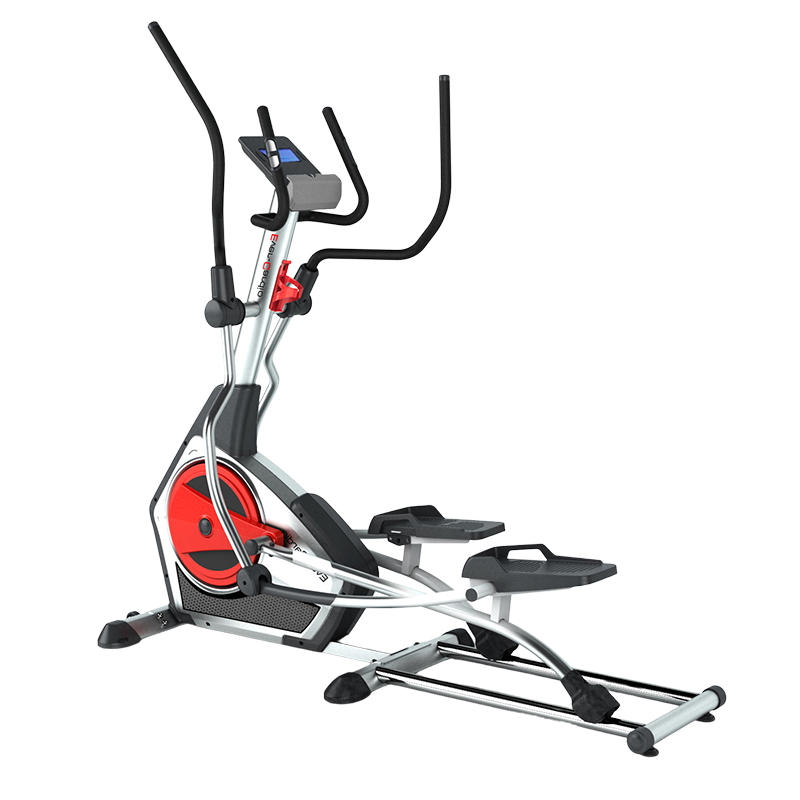
If you want a longer stride, a more upright body position, and a machine that usually costs less than a comparable rear-drive unit, a front-drive elliptical trainer is the right place to start your search. In this layout the flywheel sits in front of the user, the pedals connect to the drive wheel through a connecting arm, and the foot path follows a flatter, more extended ellipse. Several fitness-equipment makers and retailers describe this type as a "shuffle trainer" because the feet shuffle through a long elliptical path rather than a steep up-and-down arc (source: Diamondback Fitness).
A tall user is often the first to notice the advantage. Lifespan Fitness reports that front-drive models tend to offer the largest strides, with the longest around 50 cm, while many rear-drive units stay in the 40 to 46 cm range (source: lifespanfitness.com.au). If a rear-drive machine forces you to shorten your stride to avoid crowding the front housing, a front-drive model usually solves that problem without increasing the overall footprint.
The mechanical layout is straightforward. The flywheel and drive wheel sit at the front of the frame. Your feet push the pedals, the pedal arms turn the drive wheel, and the drive belt spins the flywheel. Most modern front-drive units use one of three resistance systems: magnetic brake, felt pad, or self-generating electromagnetic brake. The last option, which is becoming common in commercial-grade designs, generates resistance from the motion of the flywheel and powers the console without drawing heavily from a wall outlet.
Because the flywheel is in front of you, the pedal path tilts slightly downward and forward. The result is a flatter foot trajectory that feels closer to walking or striding than to running, and users often describe the motion as a shuffle. Consumer Reports describes the front-drive configuration as a drive wheel sitting at the front of the machine, often inside a large housing (source: consumerreports.org).
Your body position on a front-drive machine is naturally more upright. Peak Primal Wellness characterizes the motion as a more upright, stair-climbing feel, while rear-drive models deliver a smoother, more natural running stride (source: peakprimalwellness.com). This upright posture keeps the hips and knees in a relatively open angle, which helps users who want low-impact stepping action or who feel folded up on shorter-stride machines.
The table below summarizes the practical differences that affect a purchase decision. The figures are typical ranges reported by fitness retailers and manufacturers, not guarantees for a single model.
| Factor | Front-Drive Elliptical | Rear-Drive Elliptical |
|---|---|---|
| Flywheel position | Front of the frame, usually enclosed | Behind the user |
| Stride length | Up to 50-54 cm on many models | 40-46 cm on typical home models |
| Motion feel | Upright, flat, stair-climbing | Smoother, more natural running glide |
| Footprint | Often shorter and easier to place | Usually longer, needs more clearance |
| Noise level | Enclosed front housing reduces sound | Can be very quiet with good bearings |
| Typical price | Generally lower for the same resistance class | Generally higher |
| Best for | Tall users, home gyms, stepping-style workouts | Users who prefer a run-like stride |
If you are torn between the two, evaluate stride length and motion feel first. Price and footprint matter, but a machine that does not match your natural movement pattern will end up unused.
Front-drive machines are not simply cheaper versions of rear-drive options. They bring several measurable advantages to the cardio room.
These advantages explain why front-drive models dominate much of the home and mid-range market.
No configuration is perfect. Here is what you give up when you choose front drive.
The front flywheel housing is usually enclosed, which keeps belt noise low but makes servicing less convenient. Felt-pad resistance systems wear out and need periodic pad replacement; magnetic and self-generating electromagnetic systems avoid contact wear almost entirely. If you are equipping a commercial floor, prioritize contactless resistance.
If you want the feel of a natural running stride, a rear-drive or center-drive machine will likely feel smoother. The front-drive climbing sensation suits hikers, skiers, and users who enjoy stepping-based cardio, but it can feel unusual to someone expecting a flat glide. Test both configurations before you commit.
A light flywheel on any front-drive machine produces a jerky pedal motion. A front-drive unit with a 10 to 15 kg flywheel in a stable frame feels close to a rear-drive machine in smoothness. Check the stated flywheel weight instead of judging by screen size or price.
These five specifications explain most of the price difference between front-drive elliptical trainers.
| Specification | Why it matters | What to look for |
|---|---|---|
| Stride length | Controls comfort and hip angle | 48 cm or more; 50 cm plus for users over 180 cm |
| Flywheel weight | Controls smoothness and momentum | 8-15 kg for home; heavier for light commercial |
| Resistance type | Affects noise and maintenance | Magnetic or self-generating electromagnetic preferred |
| Frame and parts warranty | Indicates build quality and expected life | Compare frame, parts, and labor terms separately |
| Max user weight | Safety and durability reserve | Match the heaviest expected user with a margin |
Notice that console size is deliberately low in this list. A large screen can be added later; a short stride and a light flywheel cannot be upgraded.
A home front-drive elliptical needs to be quiet, compact, and forgiving when placed on a bedroom floor or in a small apartment. Models such as the AF170 front-drive elliptical trainer are designed for exactly this: the flywheel sits low and forward, the stride stays wide enough for a full push, and the console keeps workout data readable without feeling like a cockpit. If the room is really tight, the SF01 front-drive elliptical offers the same motion in a more compact frame, which makes it a practical choice for upper-floor bedrooms.
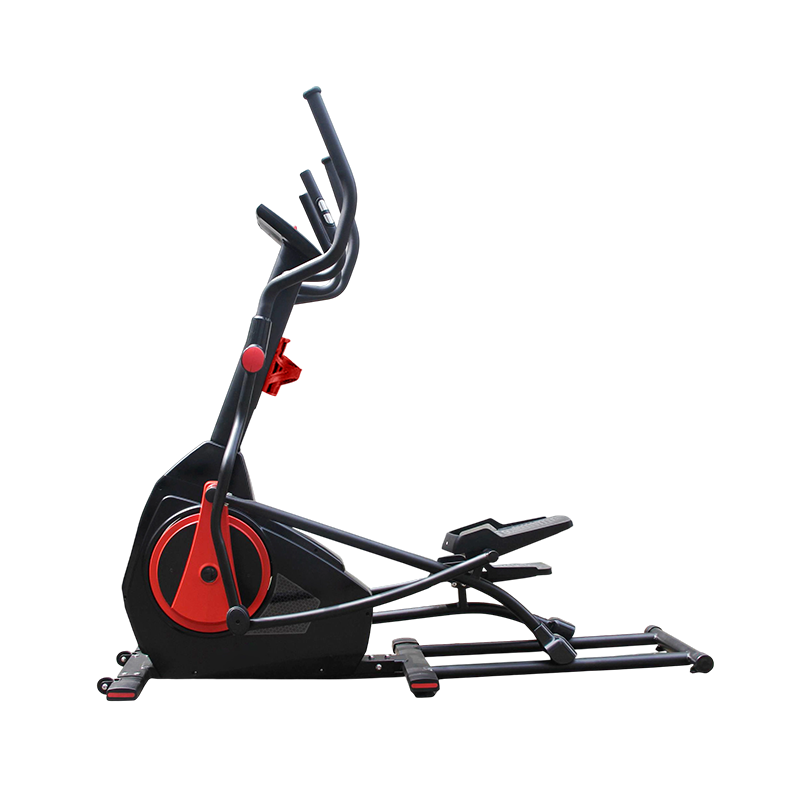 SF01 Front Drive Elliptical- Zhejiang Everbright Industry, IncInstrument Features:1) Accurately displays basic data such as exercise time, speed, distance, and calorie consumption, visualizing your w...View Product →
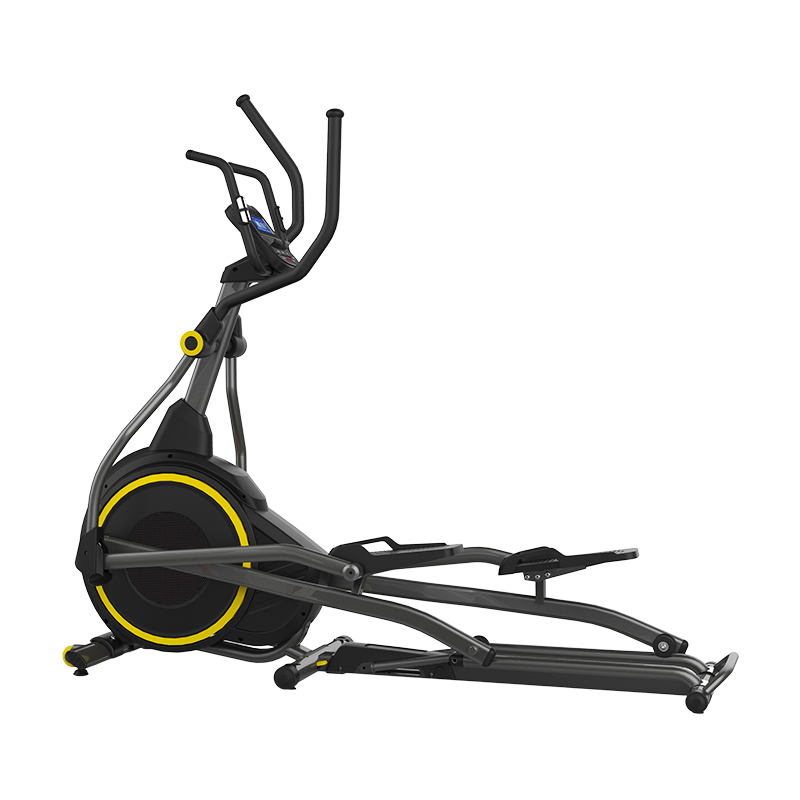 AF170 Front Drive Elliptical Trainer- Zhejiang Everbright Industry, IncInstrument Features:1) Saves exercise records and performs cluster analysis on data from multiple weeks or months, generating reports suc...View Product →
Commercial floors have a different set of needs: hours of continuous use, heavier riders, and minimal downtime. Here the priorities shift to a wide step, a heavier flywheel, and closed mechanical shielding. The EB5200L wide-stride commercial elliptical is a good example, with a step width that suits users above 185 cm and a frame built for continuous operation.
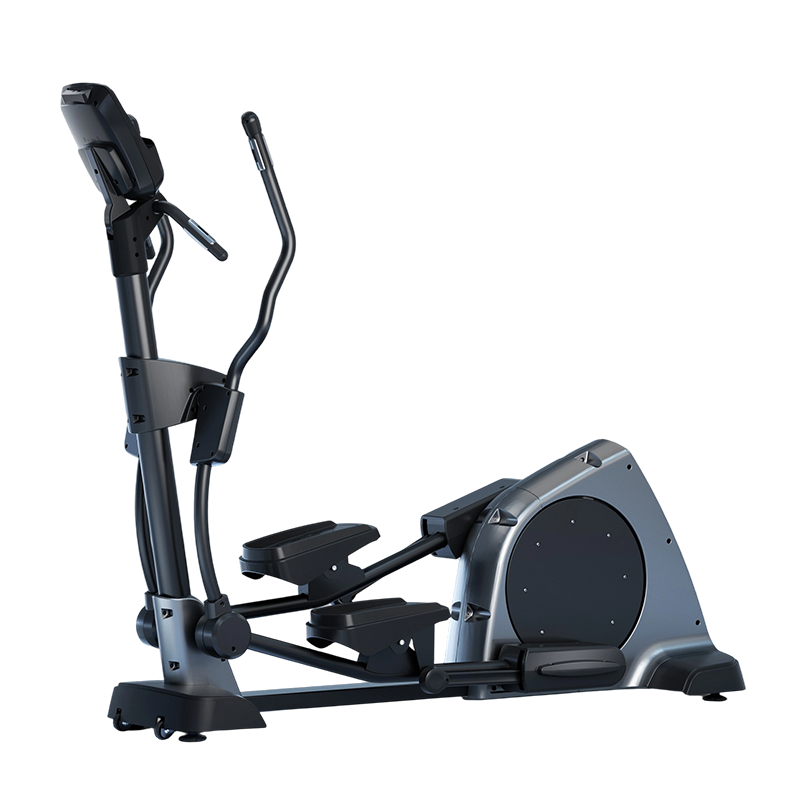 EB5200L Wide-Step Commercial Elliptical Machine- Zhejiang Everbright Industry, IInstrument Features:1) A large 7-inch (158*97) display provides clear and intuitive data display, making it easy for users to quickly rea...View Product →
A useful rule: home machines from a well-established factory typically support one to two hours of daily use, while light-commercial and commercial units are built for four or more hours per day. Match the duty cycle to your usage, not your budget.
A front-drive elliptical is only as dependable as the factory behind it. The most reliable quality signal is an established engineering and manufacturing history, not the size of the console. Zhejiang Everbright Industry, a fitness equipment manufacturer in Ningbo, China, has produced cardio machines for international brands for more than 20 years, and its elliptical line includes front-drive units built under both OEM and ODM agreements. A look at their company profile and manufacturing experience shows why contract manufacturers with in-house welding, painting, and assembly lines tend to deliver more consistent frame quality.
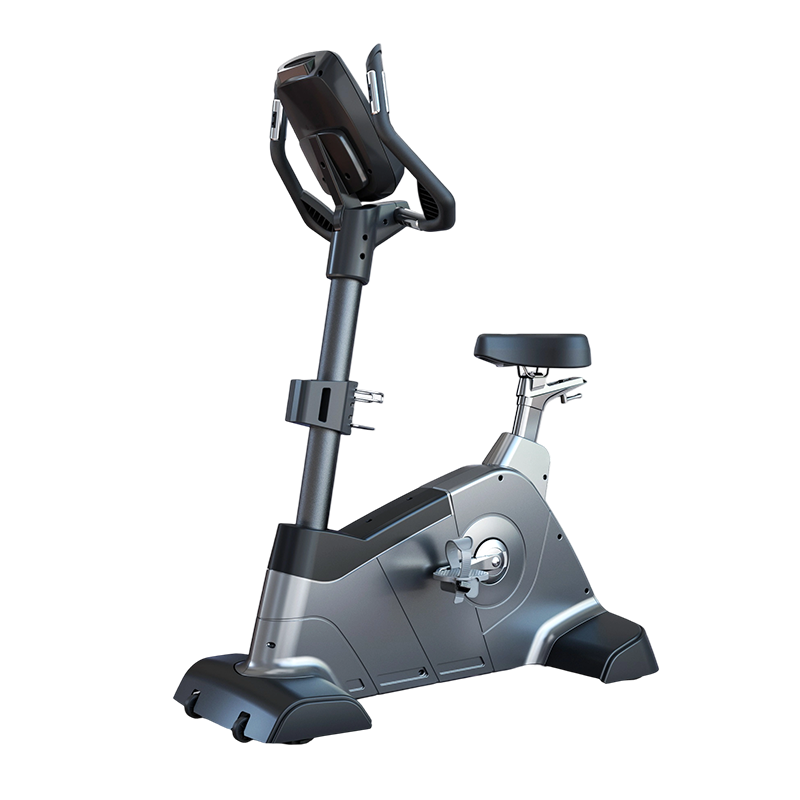
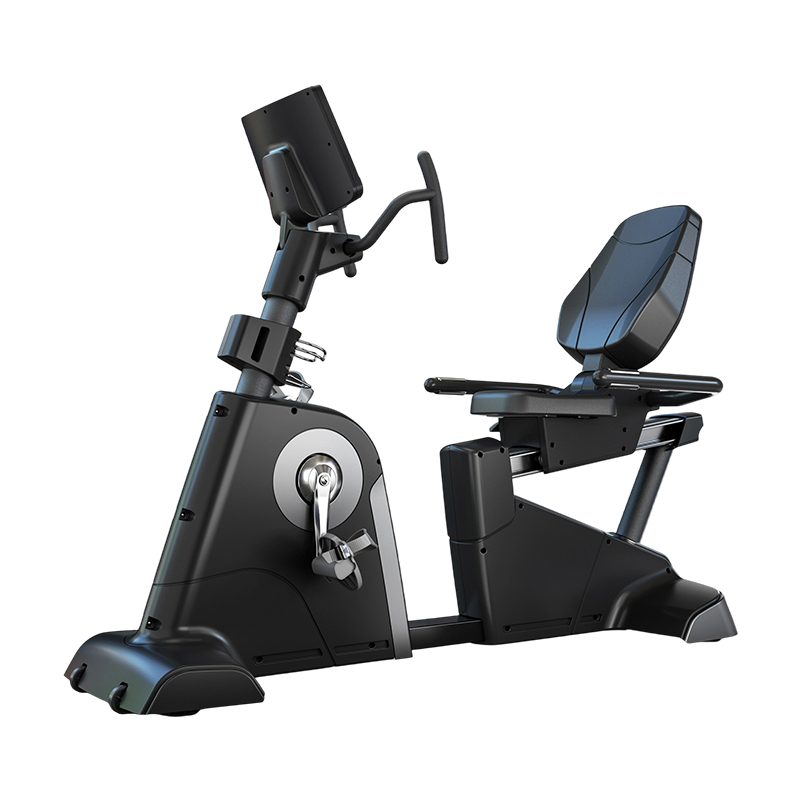
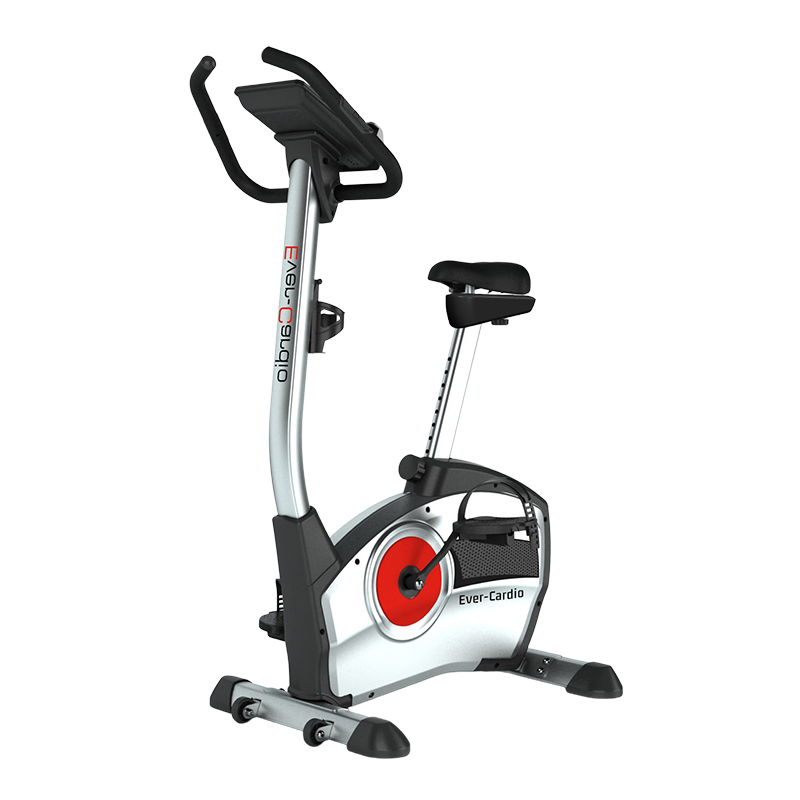
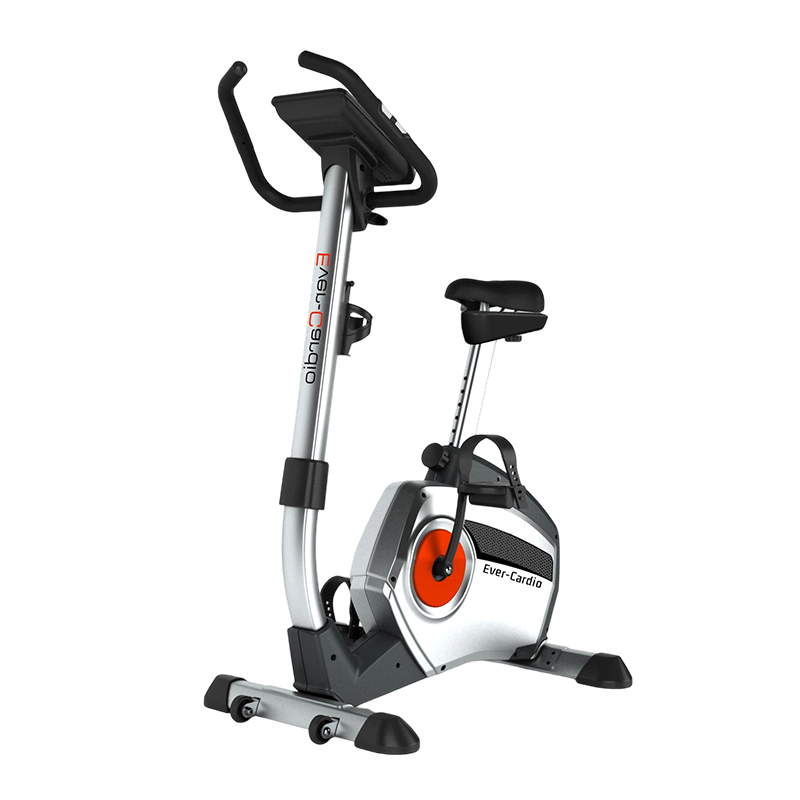
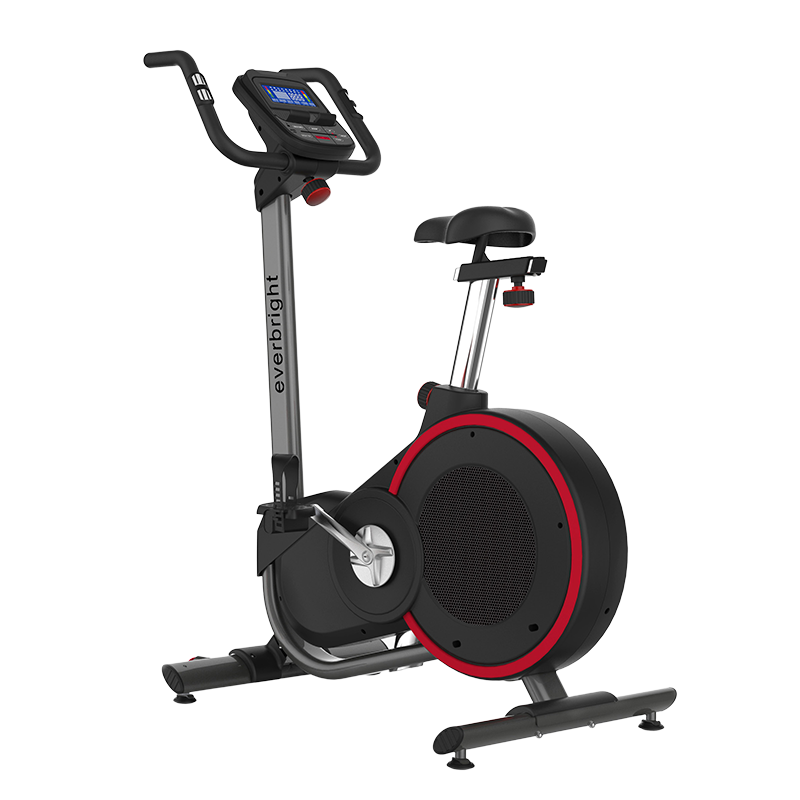
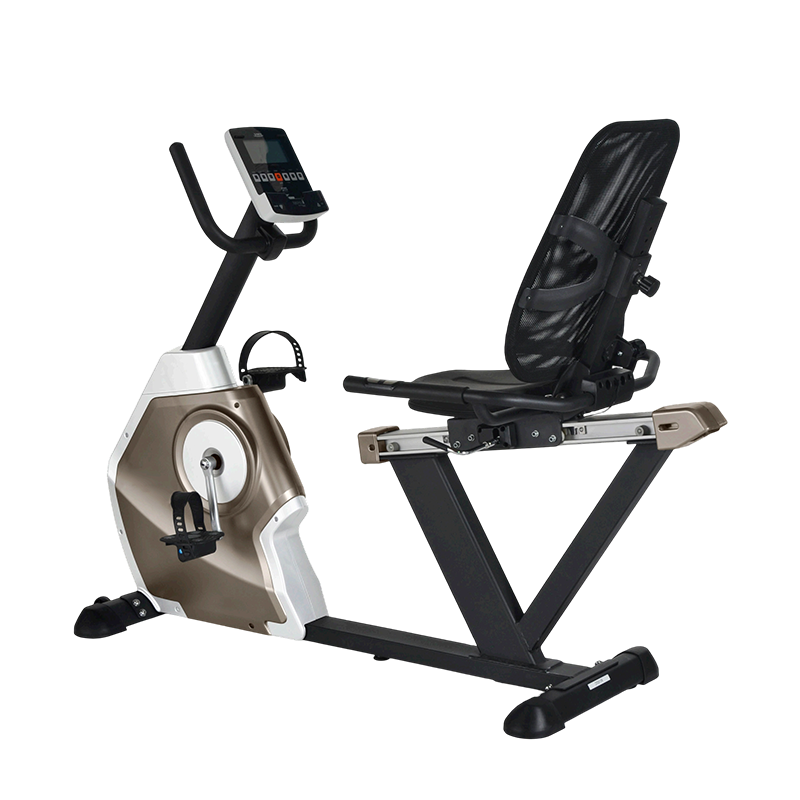
Also consider how the front-drive elliptical fits the rest of your cardio space. If the machine is part of a home cardio zone, a reclined or upright bike may serve specific users better. Our guide to upright exercise bikes explains when a seated cycling position makes more sense, and the recumbent exercise bike guide covers the lower-back considerations of a reclined seat. Choose the machine that fits the user, not the one that fits the marketing brochure.
Yes for most tall users. Front-drive models are the type most likely to offer a 50 cm or longer stride, which is the dimension that directly affects comfort for users above 180 cm (source: lifespanfitness.com.au). Always verify the stride spec on the exact model you intend to buy.
Front drive is usually the more practical answer for tight spaces and smaller budgets because the frame is shorter and the price is lower. If the only user is under 175 cm and prefers a run-like glide, rear drive can be worth the extra cost.
The flywheel position changes the angle of the pedal path. Front-drive machines produce an upright, stepping motion, while rear-drive machines produce a flatter running rhythm (source: peakprimalwellness.com). This is a ride preference, not a quality difference.
A well-built home unit should last 5 to 10 years with normal use, depending on frame quality and resistance type. Light-commercial and commercial units are engineered for longer daily duty, but still need periodic checks of belts, bearings, and brake components.
Look for at least 47 cm for average-height users and 50 cm or more for users above 180 cm. Anything under 45 cm will feel cramped during a 30-minute session.
Not always. Older models often need to be plugged in for the console and resistance, but self-generating electromagnetic models produce their own operating power, so they can be placed anywhere with enough floor space. Check the power requirement in the spec sheet before finalizing the room layout.
Hot Products

Phone: +86-152 5836 5876
TEL: +86-574 6322 1199
Email: mandy@evbfit.com
Address: No. 518 Zhengtong Road, Kandun Street, Cixi, Ningbo, Zhejiang, China
Copyright © Zhejiang Everbright Industry, Inc. All Rights Reserved. Custom Exercise Bikes Manufacturers China Stationary Bikes Factory