Aug 10, 2026
Content
A stair climber workout is one of the most direct ways to combine cardiovascular conditioning, lower-body strength, and balance work in a single session. If you are short on time, the most efficient protocol is the 25-7-2 method: 25 minutes of continuous climbing at level 7, performed twice a week, without holding the handrails. If your goal is improving endurance, the Norwegian 4x4 — four rounds of four minutes at a hard effort with three minutes of easy recovery — delivers a well-documented boost to aerobic capacity. Both methods scale easily to a home machine, including an elliptical or an exercise bike.
The direct answer: you do not need a long session or complicated choreography to make progress. A focused 20–30 minute climb, repeated two or three times a week, will produce more reliable results than an hour-long session with poor technique and constant rail support.
Stair climbing primarily targets the glutes, quadriceps, hamstrings, and calves, but the core also works continuously to keep your torso upright while one leg is unsupported. Each step lifts your body weight against gravity, so even a slow pace keeps the legs under tension through a long range of motion. This makes it closer to a loaded carry than to a flat treadmill walk.
Cleveland Clinic lists calorie burn as the first major benefit of stair climbing, along with aerobic fitness, balance, bone strength, and lower impact on the joints compared to running. For an average-weight adult, 30 minutes of continuous moderate climbing typically burns in the range of 300 calories. Sports-medicine sources, including Cleveland Clinic, commonly estimate that gripping the handrails can reduce calorie expenditure by roughly 20% because your arms take over part of the work that your legs would otherwise perform. Source: Cleveland Clinic — "How To Use Stair-Climbers To Step Up Your Fitness."
The best routine is the one you can repeat consistently. Here are five proven formats, each with a clear goal, structure, and intensity level.
Set the machine to intensity level 7, climb for 25 minutes, and do the session twice a week. Keep your hands off the rails and maintain a steady cadence instead of sprinting. In a Women's Health challenge, editors who followed the 25-7-2 format for one week found that it combined cardio and lower-body resistance in a demanding way; the no-hands requirement also forced better posture at the end of the session. Source: Women's Health — "Guide to the 25-7-2 workout."
If you want to practice the same steady-cadence discipline at home without a stair machine, a speed-control smart elliptical like the EB5100 speed-control smart elliptical machine locks a consistent rhythm and shows your stride rate, making it easier to track a full 25-minute block.
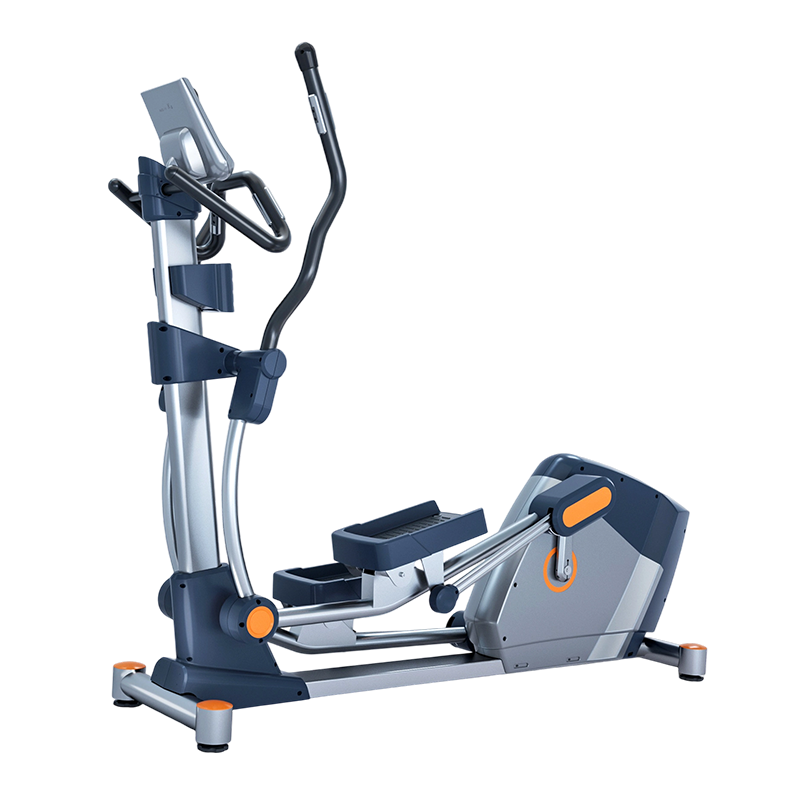 EB5100 Speed Control Smart Elliptical Machine- Zhejiang Everbright Industry, IncInstrument Features:1) Equipped with ambient indicator lights that display different colors based on exercise intensity and heart rate zo...View Product →
Based on Norwegian endurance training studies, the 4x4 format is one of the most widely used interval structures for raising aerobic capacity. After a 10-minute easy warm-up, climb for four minutes at an effort you can only sustain in short sentences, then recover for three minutes at a very easy pace. Repeat four times and finish with a five-minute cooldown. This session works well as one of two hard workouts in a week.
Use this format when you want a longer session without extreme intensity. Start at a manageable level, increase the speed or resistance by one level every two minutes until you reach a peak, then reduce the level every two minutes back to the starting point. A typical pyramid lasts 10–20 minutes and is easier to control than interval sprints. Many gym programming guides describe this as a "Stairway to Heaven" style workout because the effort rises and falls in a predictable arc.
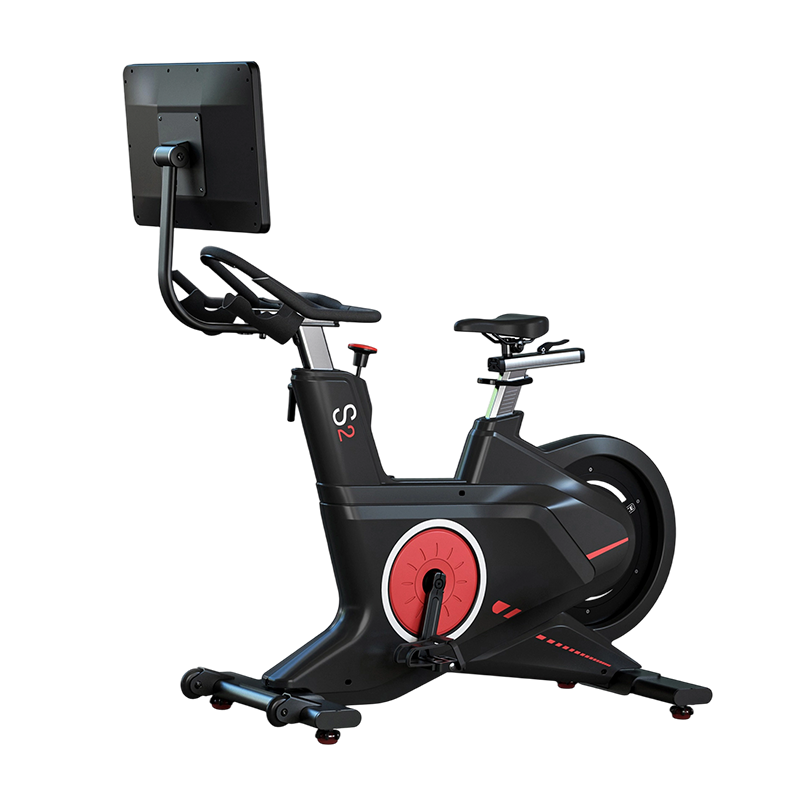
For a session that fits into a lunch break, use the classic Tabata ratio: 20 seconds of near-maximal effort, 10 seconds of easy stepping, repeated eight times. That is four minutes of work plus a warm-up and cooldown. Because the intensity is high, limit Tabata-style climbing to one or two sessions per week. If joint discomfort limits the stepping range, the same effort pattern can be performed on a sprint-focused indoor bike such as the S990 indoor sprint exercise bike, which provides a stable platform and quick resistance changes.
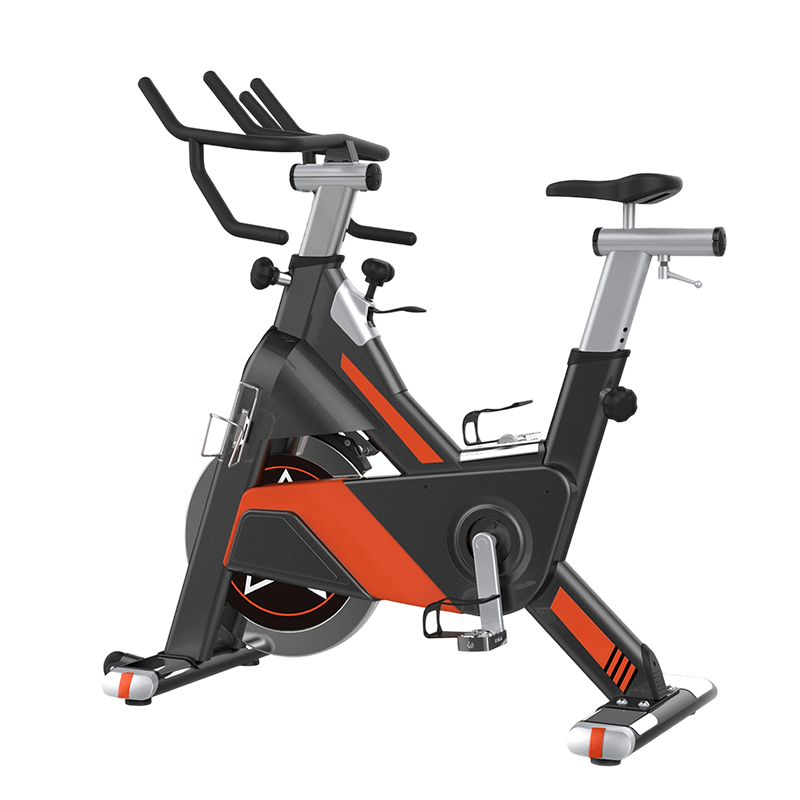 S990 Indoor Sprint Exercise Bike- Zhejiang Everbright Industry, IncInstrument Features:1) Smart connectivity allows users to connect to smart devices such as smartphones and tablets, recording and analyzi...View Product →
A tempo session trains your body to climb at a pace slightly below maximal sustainable effort. Keep a single speed for 20 minutes, hold your posture upright, and keep your hands barely resting on the rails for balance — not for support. The goal is rhythmic breathing and consistent stride length. This session is useful for runners and field-sport athletes who need to maintain form while fatigued.
| Workout | Main Goal | Structure | Total Time |
|---|---|---|---|
| 25-7-2 | Fat loss and conditioning | Level 7, 25 min, no hands, 2x per week | 25 min |
| Norwegian 4x4 | VO2 max improvement | 4 rounds of 4 min hard, 3 min easy | 35–40 min |
| Pyramid Climb | Training volume | Increase then decrease level every 2 min | 10–20 min |
| Tabata | Short high-intensity conditioning | 20 sec hard / 10 sec easy, 8 rounds | About 4 min |
| Tempo Threshold | Sustained pace and posture | Steady no-hand climb | 20 min |
The railings on a stair climber are meant for initial balance. Continuous gripping changes the movement pattern: your arms take load, your torso leans forward, and your calves do less work. The commonly cited energy-cost difference is significant — roughly 20% lower caloric expenditure with full rail support. Use one finger on each rail during the first minute if you are new, then remove the hands completely once your rhythm is stable.
Progressive overload can mean a faster cadence at the same level, a higher resistance level at the same cadence, or a deeper step range. A simple rule is to increase total training load by no more than 10% per week. For example, if you climb 20 minutes this week, aim for no more than 22 minutes next week.
Once the standard forward climb feels controlled, you can add lateral stepping or double-step climbs. These variations shift the load toward the inner and outer thighs and increase glute involvement. Keep the lateral moves slow until you are comfortable with balance.
Stay tall through the torso instead of hunching over the console. Keep your knees tracking in the direction of your toes, avoid locking the knees at the bottom of each step, and stop the movement if you feel sharp pain in the front of the knee or the lower back. Reducing the speed range usually solves the problem better than pushing through it.
A commercial stair climber is expensive and takes up meaningful floor space. At home, two fitness machines deliver a similar training effect: long-stride elliptical trainers and upright or spin bikes. The key is to match the workout structure, not just the piece of equipment.
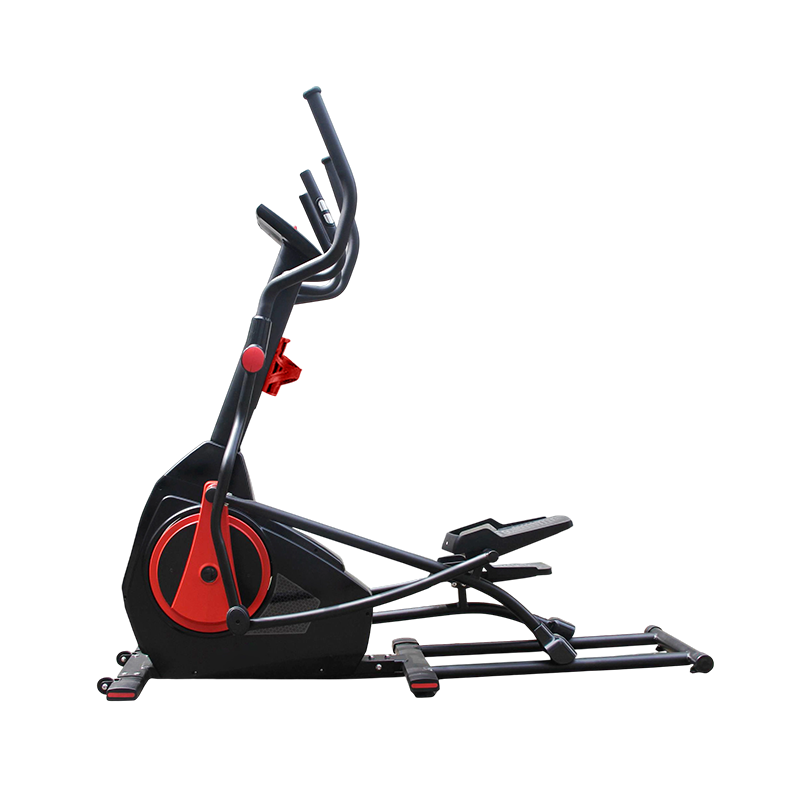
An elliptical with a long stride path is the closest home approximation to the climbing motion because the legs move in a continuous, weight-bearing arc. If you prefer a more natural hip extension, a rear-drive elliptical like the AE170 rear-drive elliptical exercise machine pushes the stride slightly flatter and longer, which places more emphasis on the glutes and hamstrings. You can apply every protocol in this article — 25-7-2, 4x4, pyramids, and tempo — to an elliptical by using a fixed incline or resistance setting.
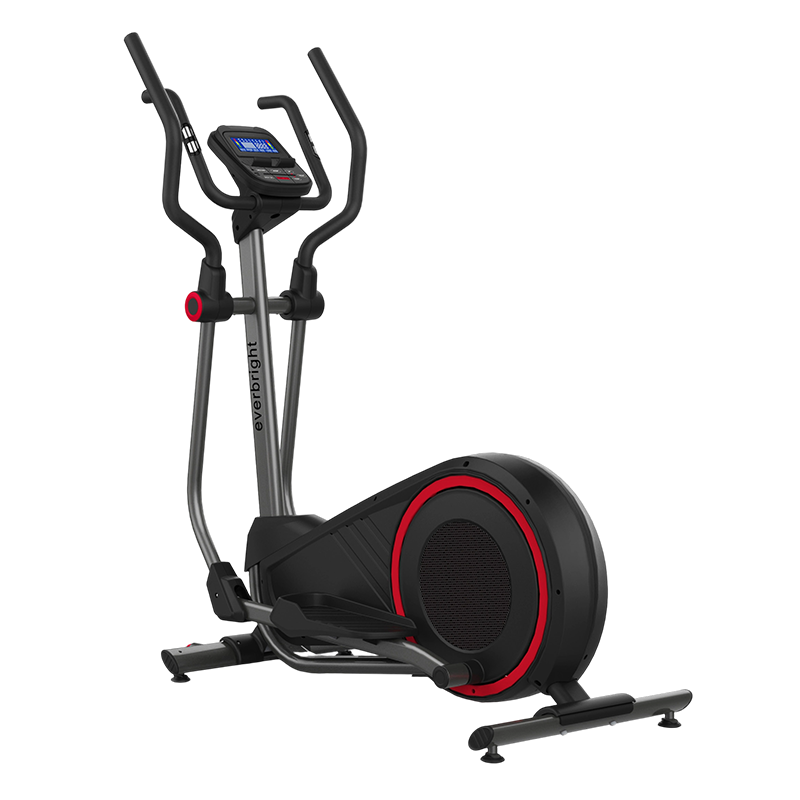 AE170 Rear Drive Elliptical Exercise Machine- Zhejiang Everbright Industry, IncInstrument Features:1) When competition mode is enabled (e.g., competing against historical exercise data or preset virtual opponents), t...View Product →
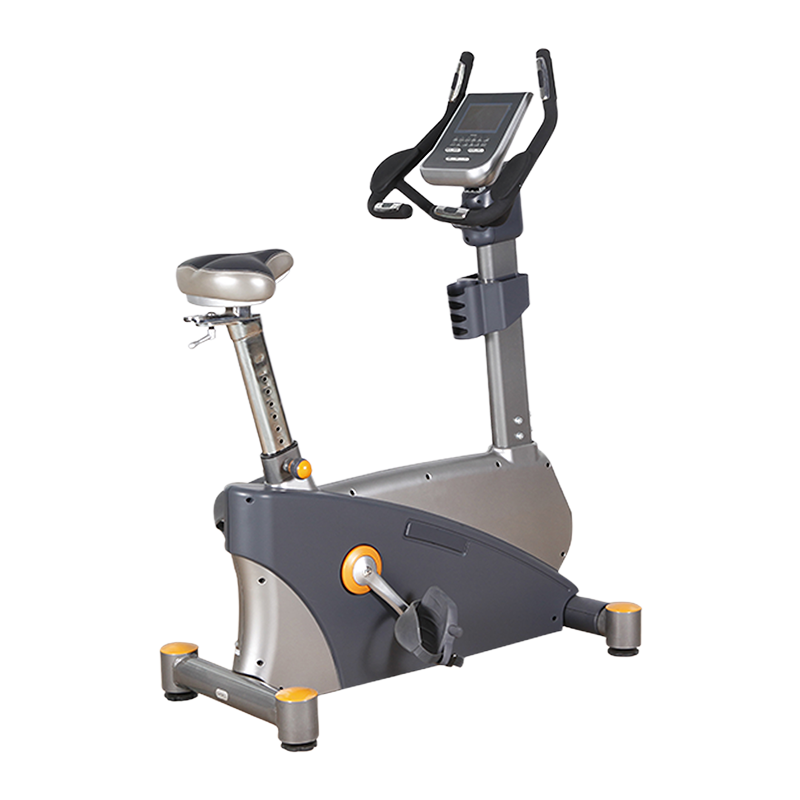
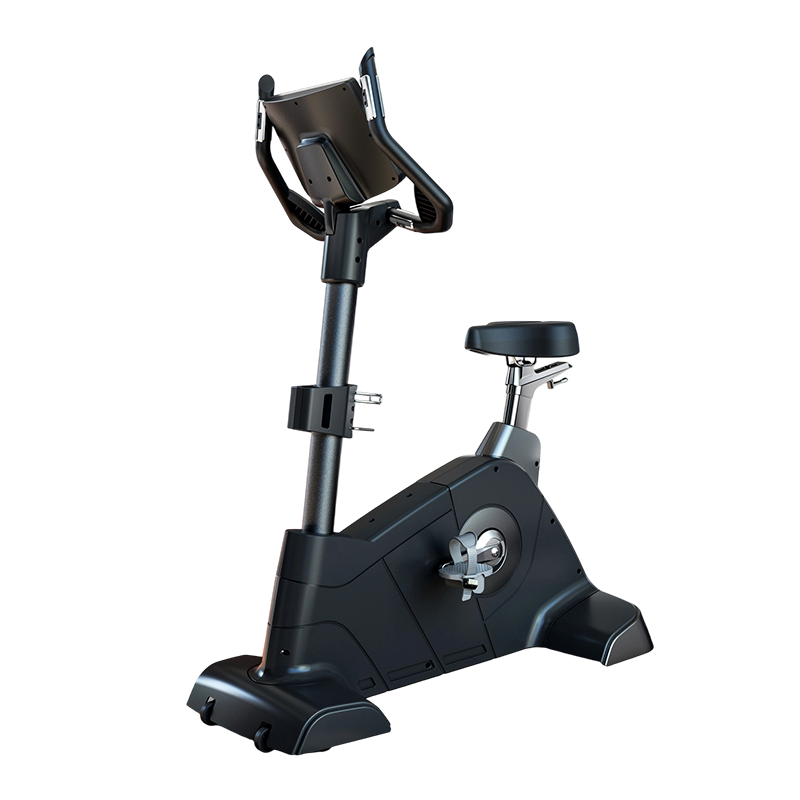
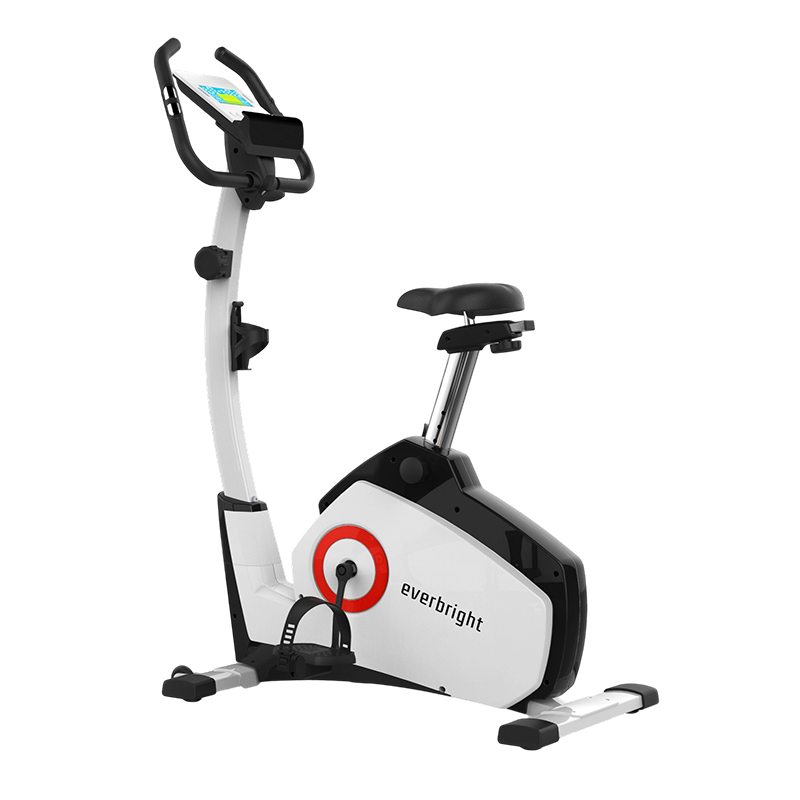
If you prefer non-weight-bearing training or want to protect the knees, an upright bike can replicate the cardiovascular load of stair climbing. High-resistance seated climbs and standing sprints target the quadriceps at a lower impact level. Before choosing a model, our detailed upright exercise bike guide walks through the main decision points such as resistance type, adjustability, and intended use. For shorter interval sessions, the spin bike reliability for indoor interval training explains why a fixed-wheel setup works well for 20-second sprints and 4x4 repeats.
Use this sample as a starting point. Put the harder sessions on non-consecutive days so that your legs have time to recover.
| Day | Session | Focus |
|---|---|---|
| Monday | 25-7-2 (level 7, 25 min, no hands) | Steady efficiency |
| Wednesday | Pyramid climb (12–16 min) plus 10 min easy | Volume and pacing |
| Friday | Norwegian 4x4, or Tabata if short on time | VO2 max and intensity |
| Saturday | 20 min tempo climb or 30 min easy elliptical | Recovery and technique |
| Sunday | Rest | Recovery |
Begin the first week with shorter durations, especially if you are new to no-hands climbing. Increase the total minutes by roughly 10% per week, and keep at least one full rest day in every seven-day block.
Yes. The 25-7-2 protocol — 25 minutes at level 7, twice a week, without holding the rails — creates a solid stimulus for both cardiovascular conditioning and lower-body endurance. For most people, additional training time is unnecessary unless the goal is longer endurance events.
Two to three times per week is a practical range. Because the movement is weight-bearing and continuous, your legs need at least one recovery day between harder climbing sessions. If you add a third day, make it a shorter tempo or pyramid workout.
In most comparisons, stair climbing burns a similar number of calories to moderate running for equal time and body weight, with the advantage of lower impact on the joints. A 30-minute stair session for an average-weight adult typically falls in the 300-calorie range. Source: Cleveland Clinic — "How To Use Stair-Climbers To Step Up Your Fitness."
Use the rails only for balance during the first minute or when you feel unsteady. Holding them for support reduces calorie expenditure and shifts work away from the legs. Keep a light touch at most, or no hands once you are comfortable.
Yes. Long-stride ellipticals and upright bikes can follow the same protocols — 25-7-2, pyramids, tempo, and Tabata intervals. Choose a machine that allows steady resistance control, keep a consistent cadence, and track session duration instead of step count.
Start around level 3–5 for 10–15 minutes, focusing on posture and light rail touch. After one or two sessions, increase the duration first, then raise the intensity level. Avoid starting directly at level 7 if you are new to climbing machines, because the quadriceps and calves will fatigue quickly.
Stair climber workouts work because they combine a weight-bearing lower-body stimulus with adjustable cardiovascular intensity. The best plan is a simple one: choose one hard interval day, one steady endurance day, and one pyramid or tempo day each week. If you train at home, an elliptical or bike can replicate the same structures, but make sure the machine allows consistent resistance control and track your weekly volume. Consistency, not complexity, is what turns a stair climb into a real upgrade in your fitness.
Hot Products

Phone: +86-152 5836 5876
TEL: +86-574 6322 1199
Email: mandy@evbfit.com
Address: No. 518 Zhengtong Road, Kandun Street, Cixi, Ningbo, Zhejiang, China
Copyright © Zhejiang Everbright Industry, Inc. All Rights Reserved. Custom Exercise Bikes Manufacturers China Stationary Bikes Factory