Jul 27, 2026
Content
To work an elliptical correctly, step onto the foot pedals while holding the stationary or moving handlebars, keep your torso tall with a slight forward lean from the hips rather than the waist, and drive the pedals through a smooth, full oval stroke instead of short choppy steps. Start at the lowest resistance for the first five minutes, then increase resistance gradually rather than raising speed alone, since resistance builds strength while speed mostly raises heart rate without adding muscle load.
A typical session runs 20 to 40 minutes, three to five times a week, and most beginners find that keeping the stride length setting close to 18 to 20 inches feels natural for an average adult frame. Because the machine has no fixed speed setting, every ounce of intensity comes from the rider, which is exactly why understanding the controls matters more on an elliptical than on almost any other cardio machine.
The sections below walk through mounting the machine, dialing in settings, choosing the right type of elliptical, building a workout structure around specific goals, tracking meaningful progress, staying safe long term, and keeping the machine itself in good working order.
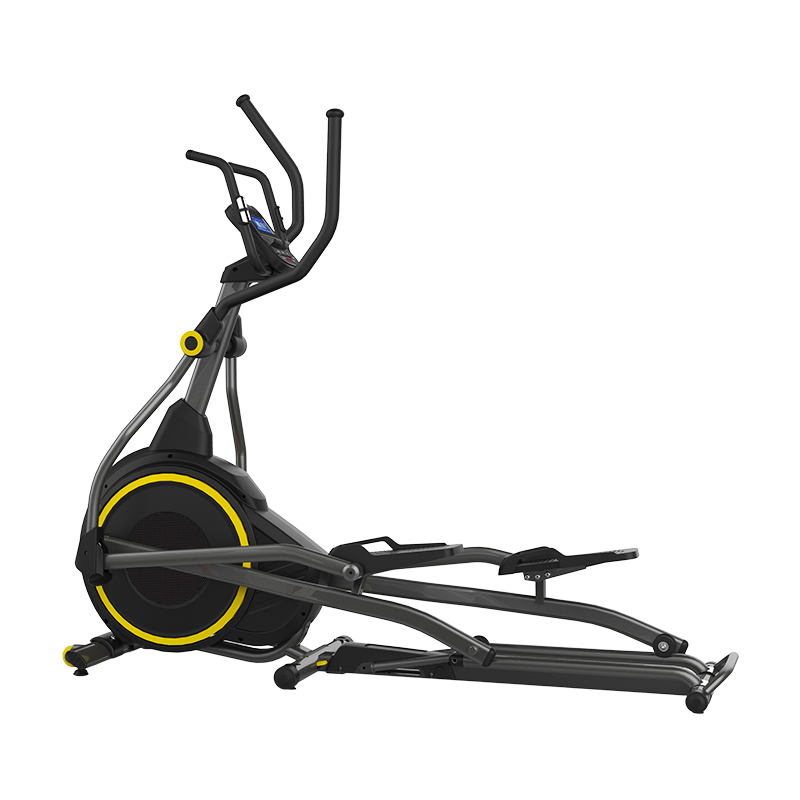
The elliptical trainer came onto the fitness scene in the early 1990s as an alternative to treadmills, bikes, and step machines, built around the idea of mimicking the natural walking and running stride without the foot ever leaving the pedal. That single design detail is the reason the machine still holds a place in gyms and home setups decades later.
Because the feet stay planted on the footplates throughout the entire stride, the elliptical is classified as a low-impact machine, even though the heart rate response can climb just as high as running. This makes it a practical option for building cardiovascular endurance on days when joints need a break from pavement or treadmill pounding, or for people easing back into consistent training after time away.
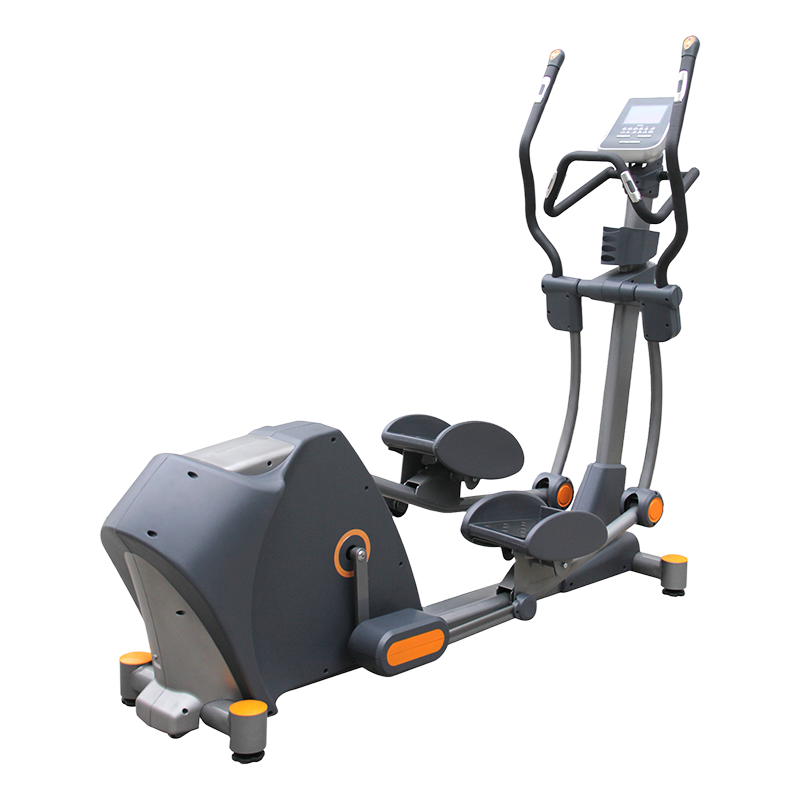
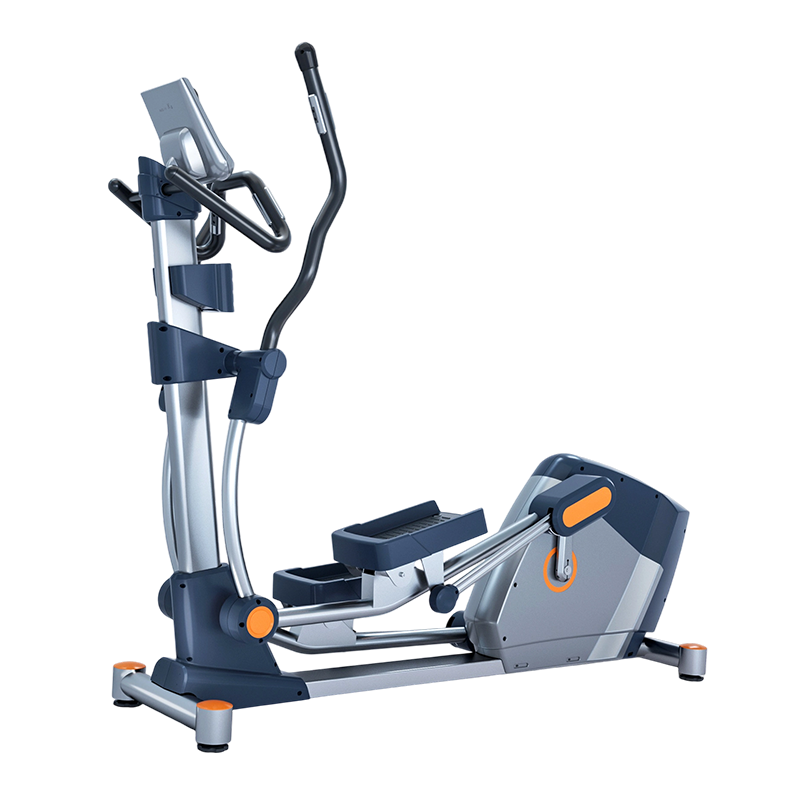
Older elliptical models used foot pedals alone, working the quadriceps, hamstrings, and glutes. Most modern machines add moving handlebars that swing in sync with the opposite leg, the same cross-body coordination pattern used in running, which brings the chest, back, shoulders, and arms into the movement as well. The core stays active throughout simply to keep the torso stable, which is part of why a well-executed elliptical session can feel more demanding than its low perceived impact suggests.
Resistance, incline, and stride length can all be adjusted independently, which means the same machine can host an easy recovery walk-equivalent session and, an hour later, host an interval session hard enough to challenge a well-conditioned athlete. Few pieces of cardio equipment offer that same range without changing machines.
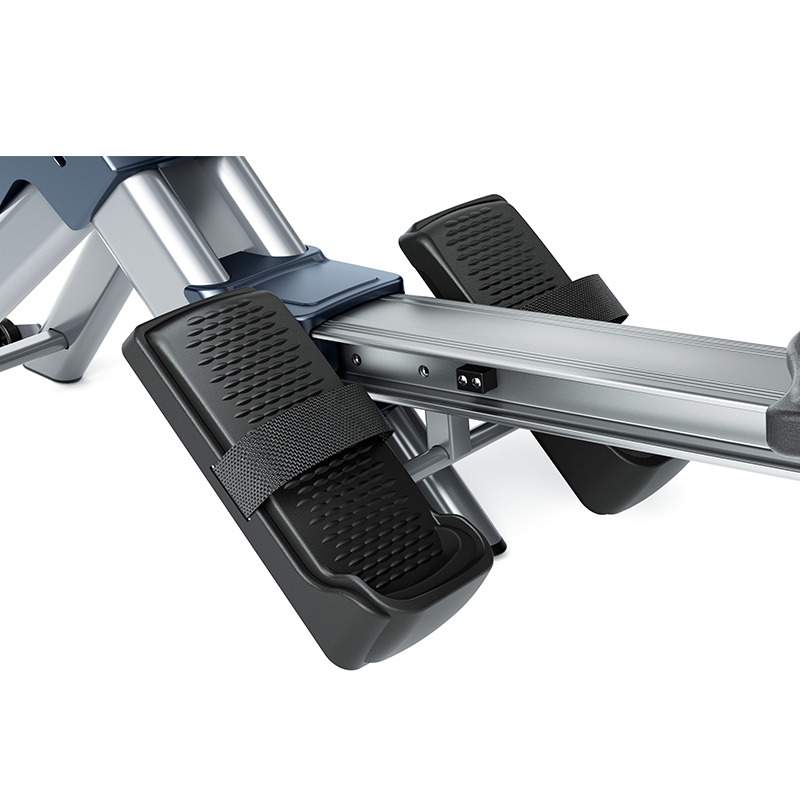
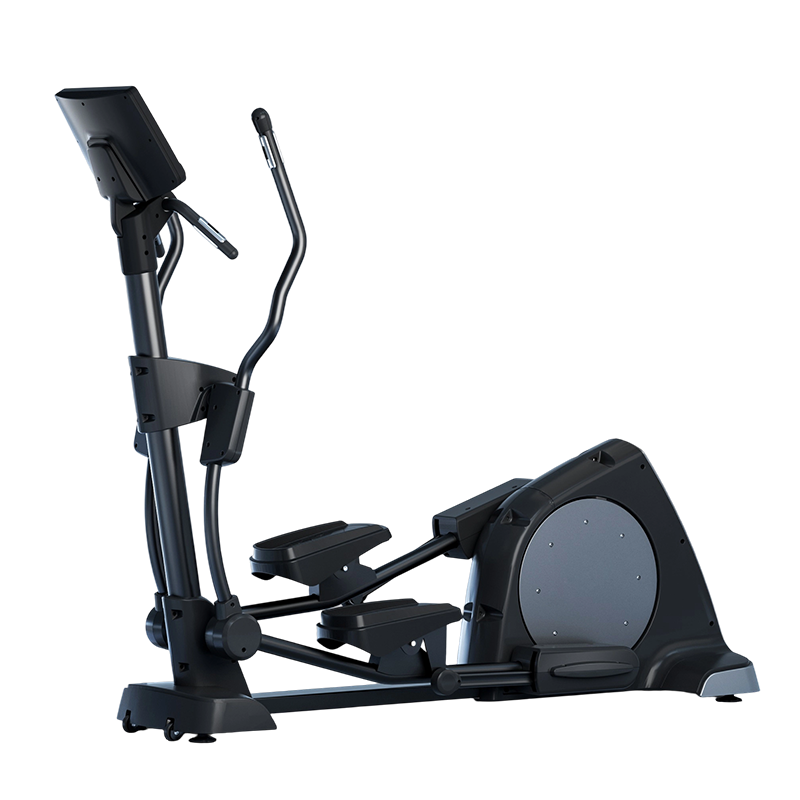
Not every elliptical moves the same way, and the drive location changes both the feel of the stride and the muscles emphasized.
| Drive Type | Stride Feel | Typical Emphasis |
|---|---|---|
| Front-Drive | Slightly steeper incline angle, ramp positioned in front | Calves and lower legs |
| Rear-Drive | Longer, flatter stride that many find closest to natural walking | Balanced leg engagement |
| Center-Drive | Compact, more upright stride, smaller footprint | Balanced with a more compact stance |
None of the three designs is universally superior; the right choice depends on available space, stride preference, and whether adjustable incline is a priority. Trying each type for a few minutes before committing to a home purchase is the most reliable way to find the stride that feels natural for your own height and gait.
Most injuries on an elliptical happen in the first ten seconds, not during the workout itself, because the pedals are already free to move as soon as weight shifts onto them. A deliberate mount removes that risk entirely.
Spend the first five minutes at low resistance and a comfortable, unhurried pace. This warm-up raises joint temperature, eases the legs into the stride pattern, and lets you notice any unusual noise or resistance from the machine before you commit to a harder effort.
Most consoles display time, distance, resistance level, incline, calories, and heart rate at once. Rather than watching every number, pick one or two that match the session's goal, such as heart rate for a steady endurance day or elapsed interval time for an interval day, and let the rest sit in your peripheral vision.
Form on an elliptical is judged less by how fast the legs move and more by how still the upper body stays. Leaning heavily on the handlebars is the single most common form fault, because it transfers load away from the legs and onto the wrists and lower back, which cuts the cardio benefit of the session.
On machines with moving arm handles, pushing and pulling in sync with the opposite leg recruits the chest, back, and arms, turning the session into closer to a full-body effort. Releasing the handles occasionally and swinging your arms naturally, similar to a jogging motion, shifts more balance work onto your core and can be a useful variation once your coordination on the machine feels solid.
Athletic shoes with reasonable arch support keep the foot stable across the whole footplate. Loose enough clothing to allow a full hip extension on the backstroke, without fabric bunching at the knee, makes the longer stride lengths far more comfortable, particularly during longer interval sessions.
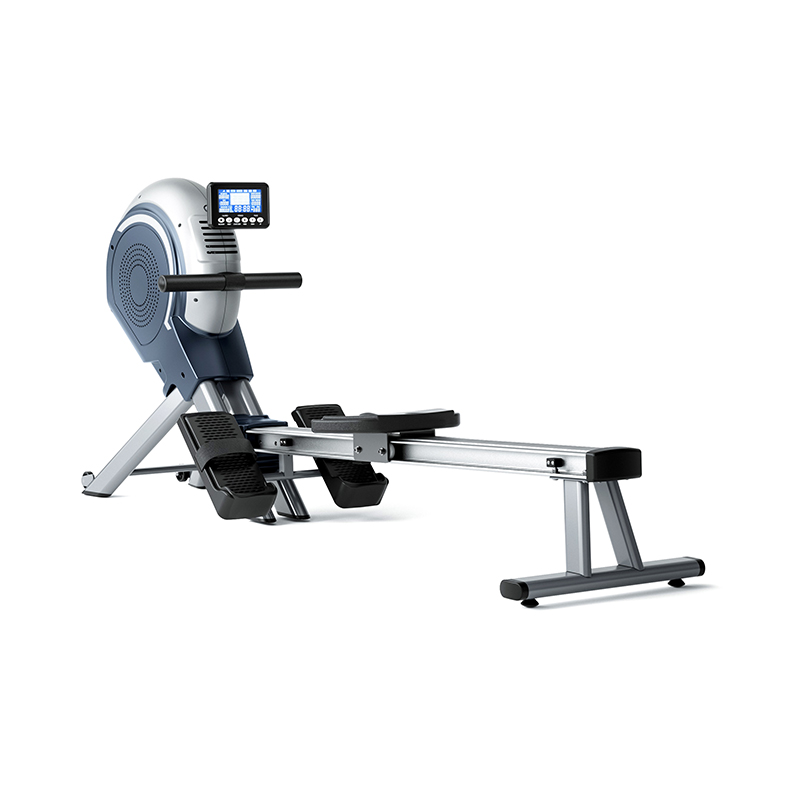
An elliptical has no true speed dial in the way a treadmill does; the machine is entirely user-powered, so intensity comes from three adjustable variables instead.
| Setting | What It Changes | Beginner Starting Point |
|---|---|---|
| Resistance | How hard each pedal push feels, mostly targeting leg strength | Lowest one or two levels on a 1 to 20 scale |
| Incline | Shifts emphasis toward glutes and hamstrings as it rises | Flat or a low single-digit setting |
| Stride Length | The distance each foot travels per rotation | Around 18 to 20 inches for an average adult height |
Raise resistance in small steps every few minutes rather than jumping straight to a high level. A useful check is the talk test: if you cannot speak in short sentences at your current resistance and pace, you are working above a sustainable cardio zone for a full session.
Taller users generally feel more natural with a longer stride, sometimes 20 inches or more, while shorter users often prefer settings closer to 16 to 18 inches to avoid overreaching at the front of the stride. Overreaching on a stride that is too long for your height is a common, quietly overlooked source of hip and lower back tightness after elliptical sessions.
Raising incline shifts more work onto the glutes and hamstrings, similar to walking uphill, while raising resistance makes every part of the stride harder regardless of angle. Combining a moderate incline with moderate resistance, rather than maxing out either one alone, tends to produce a more balanced lower-body workout.
The same machine can be programmed very differently depending on whether the priority is fat loss, endurance, leg strength, or active recovery.
| Goal | Session Structure | Frequency |
|---|---|---|
| Fat Loss | Longer steady sessions mixed with short interval days | 4 to 5 times weekly |
| Endurance | Steady pace held for 35 to 50 minutes at conversational effort | 3 to 4 times weekly |
| Leg Strength | Higher resistance, moderate incline, shorter duration | 2 to 3 times weekly |
| Active Recovery | Low resistance, easy pace, 15 to 20 minutes | On rest days between harder training |
After a five-minute warm-up, alternate one minute at a hard, breath-shortening resistance with two minutes at an easy, recovery resistance, repeated six to eight times, then finish with a five-minute cool-down at low resistance. This 30 to 35 minute structure is one of the more time-efficient ways to raise both cardiovascular fitness and leg endurance on the machine.
Random effort on the elliptical, where resistance and pace change without a plan, tends to plateau quickly. A structured progression, moving from steady pacing to interval work, keeps the same machine challenging for months.
| Week | Session Length | Structure |
|---|---|---|
| Week 1 | 15 to 20 minutes | Steady low resistance, focus on form |
| Week 2 | 20 to 25 minutes | Steady pace, resistance raised one level |
| Week 3 | 25 to 30 minutes | Introduce 1-minute harder pushes every 4 minutes |
| Week 4 | 30 minutes | Alternate 2 minutes hard and 2 minutes easy throughout |
Most ellipticals allow pedaling backward, which shifts more load onto the hamstrings and glutes compared to forward pedaling, which leans more on the quadriceps. Alternating direction every five to ten minutes during a session is a simple way to balance the muscle groups used without changing anything else about the workout.
Once 30 minutes of mixed steady and interval work feels manageable, progression usually continues through small increases in resistance or session length, rather than through dramatic jumps. Adding two to three minutes to a session, or one additional resistance level, every one to two weeks keeps the workload rising without outpacing recovery.
Because the elliptical combines a leg drive with an arm push and pull, it recruits more muscle groups in one motion than a stationary bike, and does so without the repeated joint impact of running.
Primary muscles worked include the quadriceps, hamstrings, glutes, and calves, with the chest, back, shoulders, and arms activated whenever the moving handlebars are used. Core muscles stay engaged throughout simply to keep the torso stable.
Calorie burn depends heavily on body weight, resistance, and pace, but a moderate 30-minute session commonly falls in a range of roughly 270 to 400 calories for an adult of average weight, with higher resistance and interval work pushing that figure up and a light, steady pace sitting near the lower end.
Sessions that actively push and pull the moving handlebars typically burn more calories at the same resistance and pace than sessions where the arms stay relaxed or the hands rest lightly on stationary rails, simply because more total muscle mass is contributing to the work.
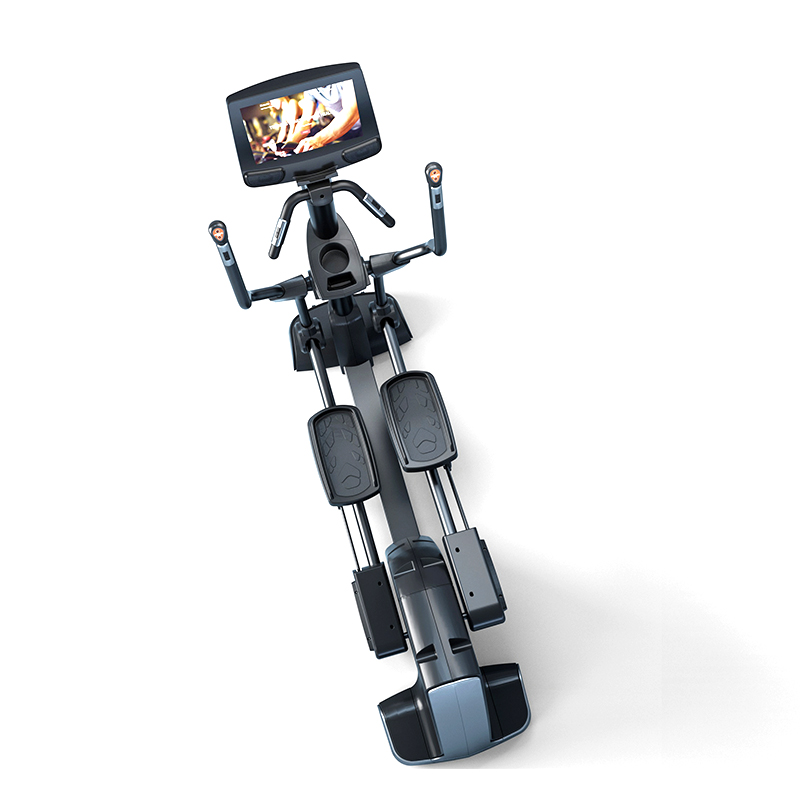
The calorie estimate on any console is a rough approximation, not a precise measurement, so relying on it alone to judge progress is unreliable. A few other markers give a clearer picture over time.
Most consoles include contact heart rate sensors built into the handlebars. Keeping a steady, light grip on both sensors at the same time gives the most consistent reading, and a general target for moderate cardio work is roughly 50 to 85 percent of estimated maximum heart rate, with the lower end suited to easy days and the upper end reserved for shorter interval efforts.
Choosing between cardio machines usually comes down to joint impact, the muscles targeted, and how much of the upper body gets involved.
| Machine | Joint Impact | Upper Body Involvement |
|---|---|---|
| Elliptical | Low, feet stay on the pedals | Moderate to high with moving handlebars |
| Treadmill | Moderate to high, especially running | Minimal unless arms are used deliberately |
| Stationary Bike | Low, seated and non weight-bearing | Low, mostly a lower-body machine |
Many well-rounded training weeks use more than one of these machines rather than choosing a single winner, pairing the elliptical's full-body, low-impact profile with a treadmill or bike session for variety and to spread the workload across slightly different movement patterns.
The elliptical works well as a complement to strength training and other cardio, rather than as the only tool in a routine.
A short 10 to 15 minute elliptical session before a strength workout can serve as an efficient full-body warm-up, raising body temperature and heart rate without pre-fatiguing the legs the way a long run might. On separate cardio-only days, a longer 30 to 40 minute session stands on its own.
Because the elliptical is low-impact, a gentle 15 to 20 minute session at low resistance the day after a hard leg workout can help circulate blood through tired muscles without adding meaningful new fatigue, which is why many training plans place it on days labeled as recovery rather than rest.
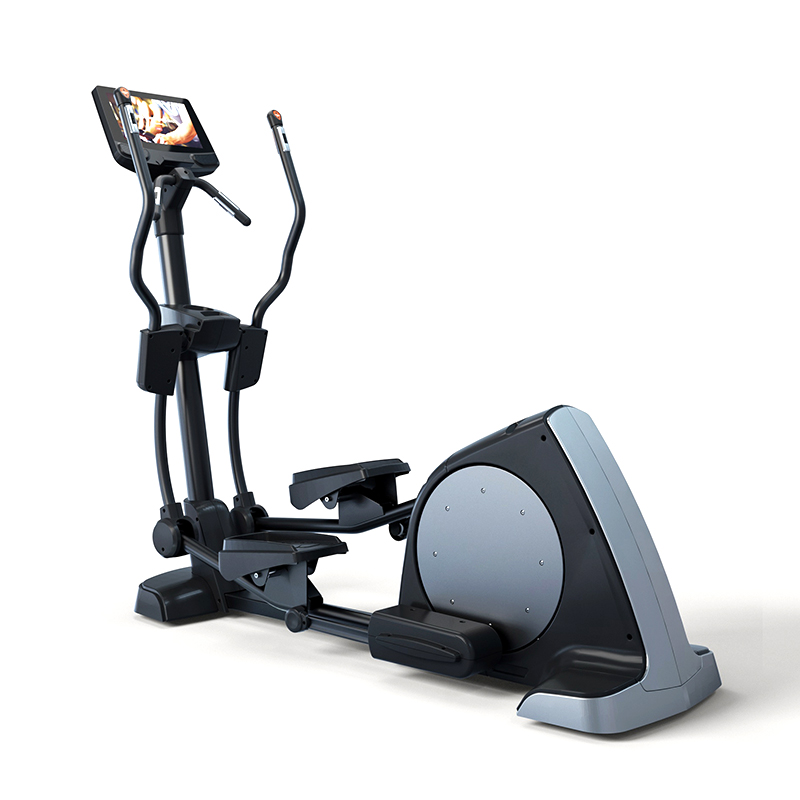
The elliptical is one of the more forgiving cardio machines, but a few habits keep sessions consistently safe over months and years of use.
| Day | Session Type | Duration |
|---|---|---|
| Monday | Steady moderate pace | 30 minutes |
| Wednesday | Interval training | 25 minutes |
| Friday | Higher resistance, reverse pedaling included | 30 minutes |
| Sunday | Light steady recovery pace | 20 minutes |
Leaving at least one full rest day between the harder sessions allows the leg muscles to recover, and most people find four sessions a week is a sustainable long-term frequency rather than daily use.
A well-maintained elliptical runs quieter, feels smoother underfoot, and lasts considerably longer, whether it sits in a home or a shared gym space.
Ten to fifteen minutes at low resistance is a reasonable starting point, building toward 20 to 30 minutes over the first few weeks as form and endurance improve.
A slight rock is normal because the pedals are unlocked and moving as soon as weight shifts onto them. Holding a stationary handrail while mounting removes most of that sensation.
Stationary handles are the safer choice while you are still learning balance and pace. Moving handles add upper body work once your footing feels secure.
This usually traces back to a stride length that does not match your height or resistance that is too high for your current form. Adjusting the stride setting and lowering resistance for a few sessions often resolves the discomfort.
Neither is better on its own; forward pedaling leans more on the quadriceps while backward pedaling shifts emphasis to the hamstrings and glutes, so alternating between the two balances the muscle groups worked.
Three to five sessions a week, with at least one rest day between harder efforts, works well for most people building cardiovascular fitness without overloading the legs.
It can provide comparable cardiovascular benefit for many people, with the advantage of much lower joint impact, though the specific muscle recruitment pattern differs slightly from running.
There is no universal target level since scales differ between machines. A practical guide is the talk test: resistance is appropriate when you can still speak in short sentences but not hold a full conversation comfortably.
Pushing and pulling the moving handlebars activates the chest, back, shoulders, and arms, which contributes to muscular endurance in those areas, though it works alongside rather than in place of dedicated upper body strength training.
The difference comes down to where the flywheel sits and how that changes the stride angle and footprint, with rear-drive machines generally offering the longest, flattest stride and center-drive machines offering the most compact footprint.
New squeaking, a stride that feels less smooth than usual, or resistance that no longer changes evenly across levels are all signs it is time to check the pedal arms, rail, and lubrication schedule.
Hot Products

Phone: +86-152 5836 5876
TEL: +86-574 6322 1199
Email: mandy@evbfit.com
Address: No. 518 Zhengtong Road, Kandun Street, Cixi, Ningbo, Zhejiang, China
Copyright © Zhejiang Everbright Industry, Inc. All Rights Reserved. Custom Exercise Bikes Manufacturers China Stationary Bikes Factory