Home Gym Cardio Equipment
Introduction
Home gym cardio equipment covers the exercise bikes, treadmills, ellipticals and rowing machines that are bought for use in a residence rather than in a club. The buyer is usually a household, and the channel is usually an online store, a sporting goods retailer or a brand that sells through its own website. This changes the design briZEI compared with commercial machines: the unit has to fit in a spare room, a garage corner or a living area, run quietly enough for shared walls, and work from a standard household power outlet or from no outside power at all.Typical home cardio families include upright bikes, recumbent bikes, spin bikes, compact ellipticals, folding treadmills and single-rail rowing machines. Each has a different footprint, noise profile and joint load, so importers normally build a range that covers several of them instead of one hero product. Self-generating magnetic resistance bikes are also common in this segment because they remove the need for a power cord during a ride.Zhejiang Everbright Industry manufactures these product families as an OEM and ODM supplier from its factory in Cixi, Ningbo. The site covers 127,000 square meters, more than 300 technical staff work there, and about 80 percent of output is exported, which means the production flow is already organized around overseas household standards, packaging and labeling.This page explains the technical features that matter for home use, how to evaluate a supplier, how the machines are installed and maintained, and which questions importers and distributors raise most often. It is written for buyers who need to compare specifications and prepare a product line, not for end users choosing a single machine.
- Typical home users: beginners, rehabilitation users, families sharing one machine, and people who train at set times around work.
- Typical purchase drivers: footprint, noise, price band, storage, and whether the machine needs an outlet.
- Typical business models: private label, branded OEM range, and ODM adaptation of an existing frame.
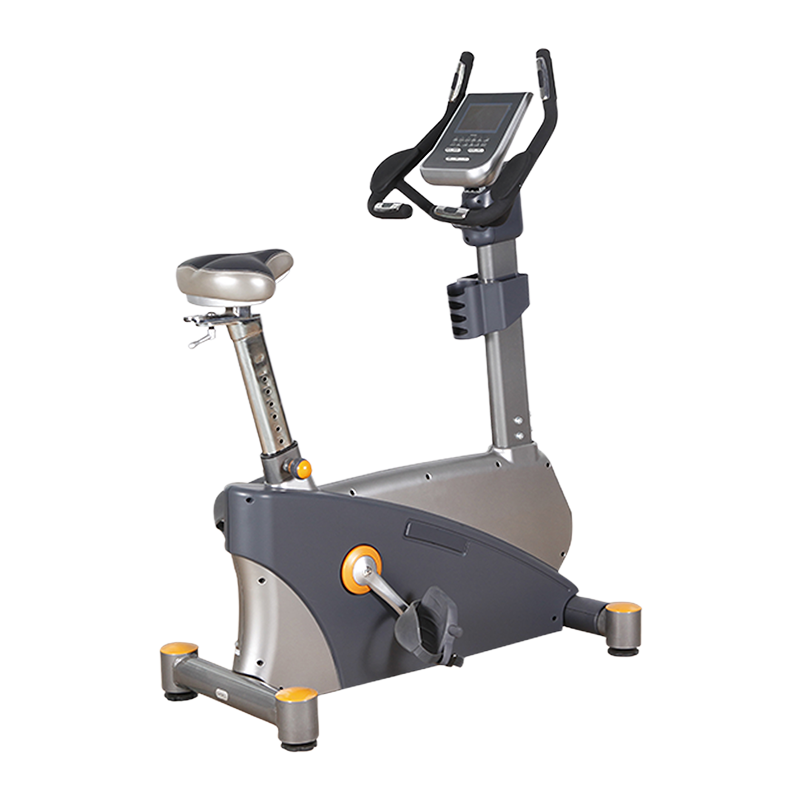
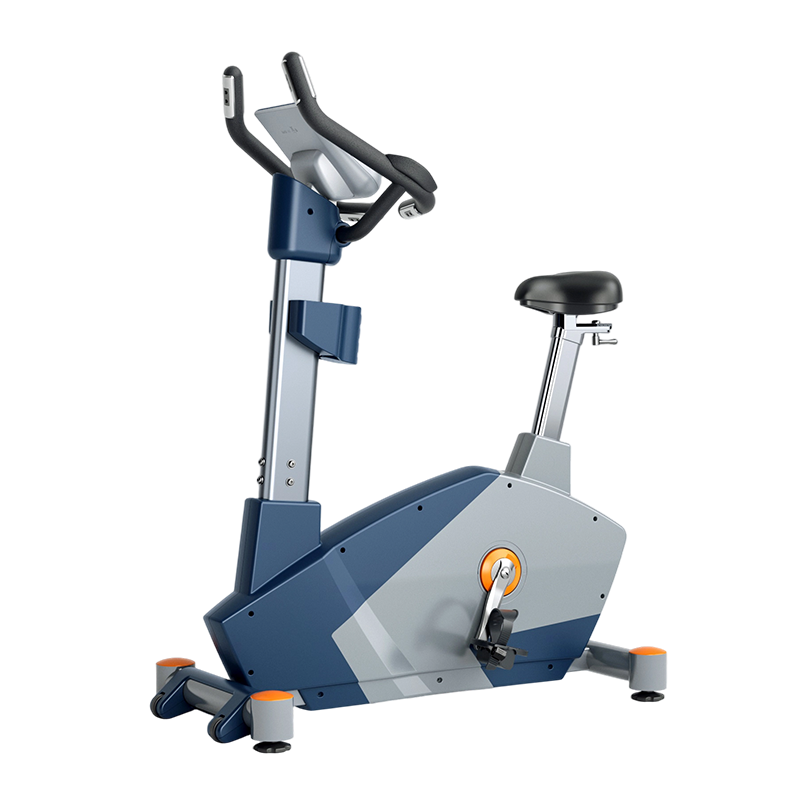
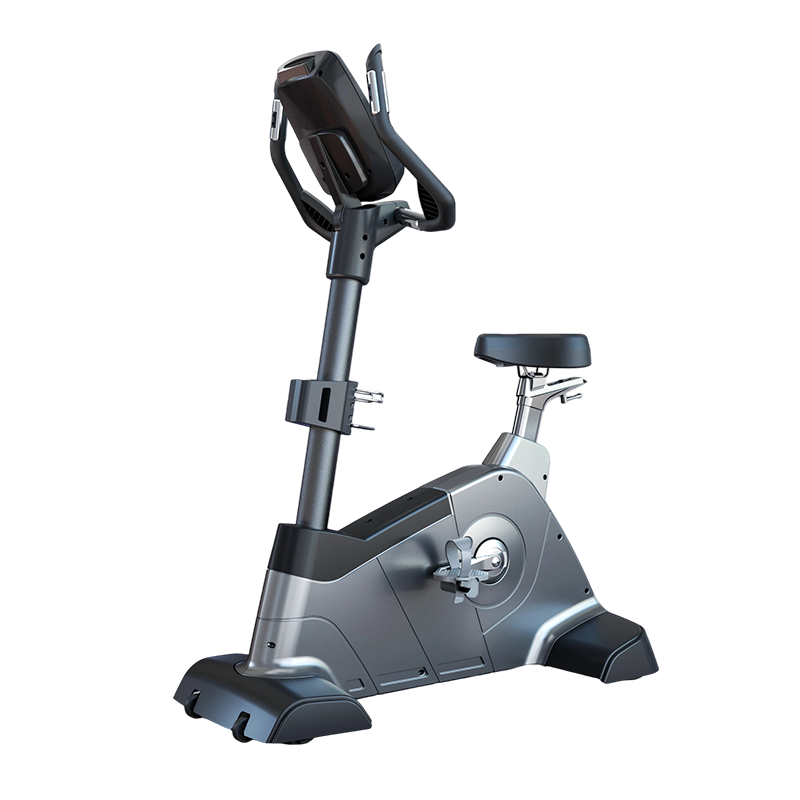
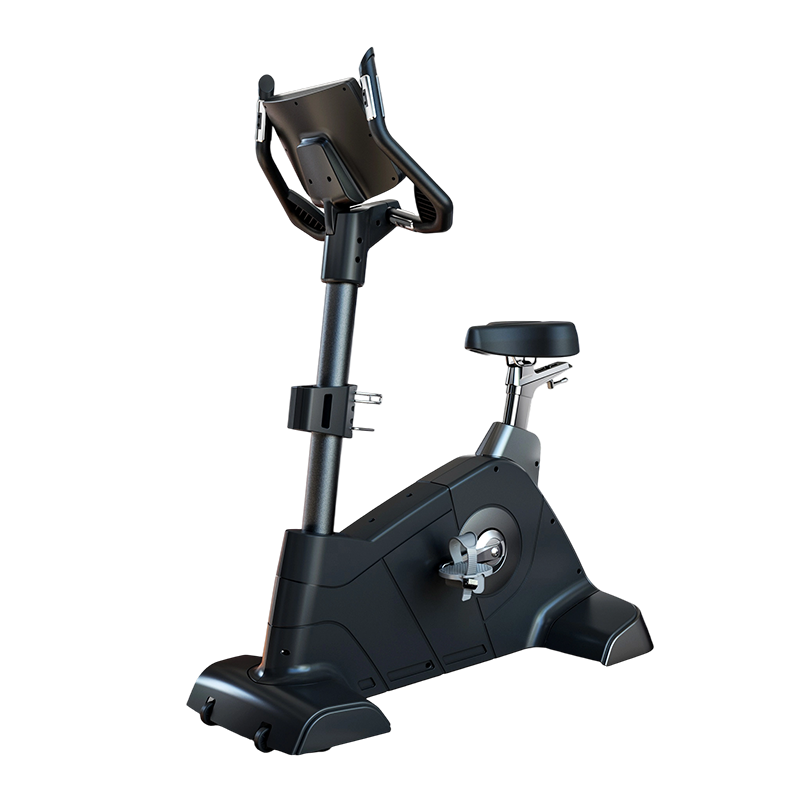

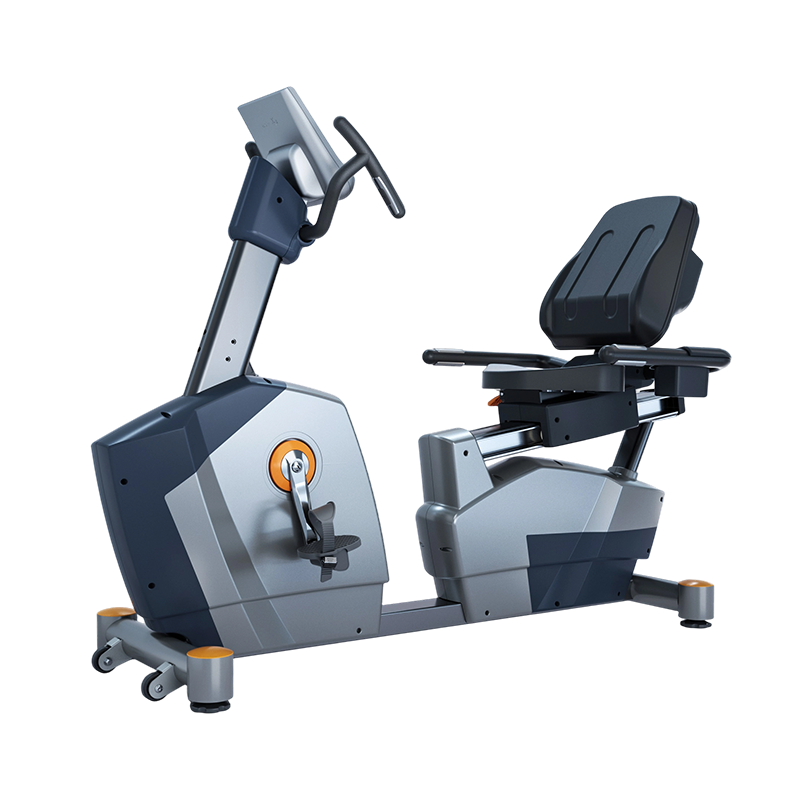
Technical Specifications and Features
Home cardio machines are specified differently from club machines. Duty cycle is lower, the user weight range is narrower, and the design leans toward compact footprint, low noise and simple controls. The table below lists parameters that buyers usually place in a specification sheet, with typical ranges seen across the category. Actual values depend on the model and should be confirmed against the supplier test report.
| Parameter | Typical range for home use | Notes |
|---|---|---|
| Maximum user weight | 100 to 150 kg | Upright and spin bikes often sit at the lower end; treadmills and ellipticals at the higher end. |
| Resistance system | Magnetic, or friction on spin bikes | Magnetic resistance has no contact wear and runs at 40 dB or below on suitable models. |
| Resistance levels | 8 to 32 levels, or continuous knob | Level count is a control feature; it does not change the peak load. |
| Flywheel mass | 3 to 13 kg on bikes | Heavier flywheels give smoother pedaling but add shipping weight. |
| Treadmill motor | 1.5 to 3.0 continuous HP | Continuous rating matters more than peak rating. |
| Treadmill speed | 1 to 12 or 16 km/h | Home models rarely need more than 16 km/h. |
| Power supply | Mains adapter, battery, or self-generating | Self-generating bikes keep the console alive without a socket. |
| Console | LCD or LED, 5 to 12 functions | Time, speed, distance, calories and pulse are common. |
Frame construction is normally welded steel tube with powder coating. Wall thickness, weld quality and the coating process determine rust resistance in humid rooms. Adjustable seats, handlebars and pedals affect how many body sizes the same product can serve, which matters for households with more than one user.
Everbright magnetic models are built to run at 40 dB or below, which is close to the level of a quiet conversation. That figure is relevant for apartment buyers and for users who train early or late.
Professional Buying Guide
Importers and distributors who build a home cardio line should start from the end user and the sales channel, then work back to the specification. A machine sold on an online marketplace has to survive parcel handling and be assembled by a non-technical customer. A machine sold through a showroom has to be demonstrated and compared with neighbors on a shelf. These two cases lead to different packaging, different manuals and different accessory choices.
The table lists the criteria that buyers most often check bZEIore placing a first order. Ask for documented evidence for each one instead of relying on catalog text.
| Criterion | What to check | Typical range or rZEIerence |
|---|---|---|
| Footprint | Assembled length and width, folded size if applicable | Bikes about 100 by 50 cm; treadmills about 130 to 170 by 70 cm |
| User weight rating | Stated maximum and the test that supports it | 100 to 150 kg for household classes |
| Noise | Sound level measured at the user position | 40 to 65 dB depending on type |
| Safety standard | Test report for the target market | EN 957 or EN ISO 20957 for Europe, ASTM or UL listings for North America |
| Packaging | Drop test, carton rating, unit weight | Master carton often 20 to 50 kg for a bike |
| Assembly | Number of steps, tools supplied, manual language | Under 45 minutes for a bike is a common target |
| Warranty and parts | Spare parts list and lead time | Frame 1 to 5 years, wear parts 1 year are common terms |
OEM and ODM options deserve a separate review. Everbright offers customization of structure, upholstery color and brand logo, so a buyer can ask for a changed seat color, a logo on the flywheel guard and the console, or a modified frame dimension. Confirm minimum order quantity per color and per model, and ask whether the tooling cost is charged once or shared.
Usage Advantages
A home cardio machine is used more often when it is placed where the user will see it and when it can be started in a few seconds. Many households leave a bike in a living room for this reason. The advantages below describe what buyers typically communicate to end users, followed by operating habits that reduce wear and injury.
| Advantage or tip | Explanation |
|---|---|
| Training at fixed times | Weather, daylight and travel time no longer affect the session, so the schedule is easier to keep. |
| Low impact options | Bikes and ellipticals place less load on knees and ankles than running, which suits users returning from a break. |
| Quiet operation | Magnetic resistance at 40 dB or below allows use while others sleep or work nearby. |
| Warm-up first | Five minutes at low resistance raises heart rate gradually bZEIore the main interval. |
| Seat and handlebar setup | Seat height should leave a slight bend in the knee at the bottom of the pedal stroke. |
| Progressive load | Raise resistance or time in small steps over weeks instead of large jumps. |
| Cool-down | Three to five minutes of easy movement helps heart rate return toward resting level. |
| Hydration and airflow | Place a fan and a water bottle within reach; sweat on the console shortens its life. |
For households with children, a locking feature, a removable safety key on treadmills and a guard around the flywheel are practical points to confirm. Distributors often include a short quick-start card in the carton covering seat height, first-week session length and the location of the emergency stop.
Application Scenarios
Home cardio equipment appears in more settings than the name suggests. Besides the living room and the spare bedroom, buyers supply apartments, small offices, vacation homes and residential building amenity rooms. Each place has different space, power and noise constraints, and a distributor can use these to decide which models to place in a catalog.
| Scenario | Equipment needs | Planning notes |
|---|---|---|
| Apartment | Quiet magnetic bike or compact elliptical | Check floor load and neighbor noise; foldable options save space. |
| Spare bedroom | Folding treadmill or recumbent bike | Allow clearance behind the unit and a plug within reach. |
| Garage gym | Rowing machine or spin bike with corrosion resistant finish | Temperature swings and humidity affect electronics and paint. |
| Family shared use | Adjustable upright bike | Wide seat and handlebar range suit different heights. |
| Home office | Under desk bike or compact seated trainer | Low noise and a low profile are the main needs. |
| Small residential amenity room | Several models in a compact layout | Treat as light commercial; ask for a higher duty rating. |
A retailer planning a seasonal range often pairs one bike, one treadmill and one low-impact machine to cover most users. Everbright can supply families such as upright, recumbent and spin bikes, ellipticals, treadmills and rowing machines from a single factory, which simplifies container consolidation and after-sales parts supply.
FAQ
Frequently Asked Questions
- Q: What counts as home gym cardio equipment?
- A: It is cardio machines designed for household use, including upright, recumbent and spin bikes, ellipticals, treadmills and rowing machines. They are rated for lower daily hours than commercial units and are sized for residential rooms.
- Q: How much space does a home cardio machine need?
- A: A bike typically occupies about 100 by 50 cm, a compact elliptical about 120 to 150 cm by 60 cm, and a treadmill about 130 to 170 cm by 70 cm. Add working clearance on all sides as stated in the manual.
- Q: Which resistance type is quieter, magnetic or friction?
- A: Magnetic resistance has no contact surface, so it is typically quieter and needs less maintenance. Everbright magnetic models are designed to run at 40 dB or below.
- Q: Can the product be customized for a private label?
- A: Yes. Everbright supports OEM and ODM work, including changes to structure, upholstery color and brand logo. Minimum order quantity and lead time are agreed per project.
- Q: What documents should an importer request?
- A: Typically a test report for the destination market standard, a user weight and load test summary, a packaging drop test result, a bill of materials, and the factory quality system certificates. Ask for copies bZEIore the first order.
- Q: Are self-generating bikes suitable for home use?
- A: Yes. A self-generating electromagnetic resistance bike produces power from pedaling to run the console and resistance, so it can be placed where no outlet is available. Check the minimum cadence at which the console stays active.
- Q: How are home machines shipped?
- A: Usually partly assembled in a single export carton, loaded on pallets or floor loaded in a 40 foot container. Carton size and unit weight determine how many units fit, so ask for a loading plan.