Aug 31, 2026
Content
A good running machine is not the one with the biggest screen or the loudest speakers. It is the one that keeps the belt moving smoothly, absorbs impact without wobbling, and holds your pace long after the workout stops being exciting. If you are shopping by spec sheets alone, you can easily miss the details that decide whether a treadmill feels solid at 12 km/h or shaky at 8 km/h.
When a buyer asks us for a good running machine, we ask three questions first: Who is the runner? How often will the treadmill be used? Where will it be installed? The answers tell us which motor class, deck size, frame strength, and console features are actually worth paying for. A treadmill that suits a 70 kg jogger three times per week is not automatically a good option for a 100 kg sprinter training daily.
For most home runners, a good treadmill should have at least a 2.5 CHP continuous motor, a 20 x 55 inch running surface, a top speed of 10 mph, and an incline range of at least 0 to 10 percent. For taller runners or heavier weekly mileage, the practical minimum moves to 3.0 CHP and a 22 x 60 inch belt. These are the starting points, not marketing claims.
Start with the numbers that directly affect your running comfort: motor power, belt size, speed range, and incline. These four specs determine what the machine can do. Everything else, including touchscreens, workout apps, and fancy handles, should be evaluated after those basics are confirmed.
| Specification | Minimum Recommendation | Why It Matters |
|---|---|---|
| Motor output | 2.5 CHP for home running, 3.0 CHP for frequent running | Continuous power keeps belt speed stable under foot strikes |
| Running surface | 20 x 55 inches; 22 x 60 inches for most adult runners | Longer and wider decks allow a natural stride |
| Maximum speed | 10 mph minimum, 12 mph if you do sprint intervals | Running faster than a treadmill's limit feels restrictive |
| Incline range | 0 to 10 percent minimum; 12 percent for hill training | Incline changes the training load without adding joint stress |
These are practical manufacturer cut-sheet benchmarks, not a universal rating standard. They give you a way to compare models quickly before you even look at photos or read a full review.
A good running machine needs a motor that can sustain its speed during a long run. That is why continuous horsepower is more important than peak horsepower. Peak values only describe a short burst of output, while continuous ratings describe what the motor can do safely for extended periods.
A motor marketed as 4.5 HP peak may still perform worse than a 2.5 CHP motor when both are asked to hold 10 mph for 40 minutes. For running, always compare the continuous rating. A 2.5 CHP motor is acceptable for a home runner who weighs under 90 kg and runs short distances. A 3.0 CHP motor is a safer choice for most adults who run regularly, and a 4.0 CHP motor becomes more relevant for heavier users or commercial environments.
Body weight changes the load on the motor. A 75 kg runner can often get years of reliable service from a 2.5 CHP motor. A 105 kg runner doing daily intervals will put much more stress on the same motor. In that case, the extra money for a 3.0 or 4.0 CHP motor is not a luxury. It is the difference between a machine that holds its pace and one that drags every time your foot lands near the front roller.
The running deck is where a treadmill proves whether it is built for walking or for real running. A good deck should feel firm enough to push off from and soft enough to take the edge off every landing. Cushioning that feels plush in the store can actually slow you down during a fast run.
A 20-inch-wide belt can work for walking, but most runners feel more secure on a 22-inch belt, especially when they are tired. For deck length, a 55-inch deck is the absolute minimum, while a 60-inch deck gives taller runners room to reach a natural stride. If you are over 178 cm, consider 60-inch decks only.
The best treadmill decks use shock-absorbing pads or elastomer dampers under the running surface. These components compress slightly when your foot lands and then rebound quickly. A 70 kg runner may prefer softer cushioning, while a 100 kg runner often needs a firmer deck to avoid bottoming out. Look for a deck design that absorbs vertical impact without creating a trampoline effect.
A treadmill can have excellent motor specs and still feel unsafe if the frame flexes. Frame stability is determined by the steel gauge, the quality of the welded joints, the roller diameter, and the overall structural design. These details cannot be judged from a product photo, but they decide how the machine behaves under a running stride.
Build quality becomes easier to trust when the manufacturer controls the full production process. According to Zhejiang Everbright’s published company profile, its manufacturing base covers 127,000 square meters and includes welding, painting, spray coating, parts production, and assembly in one facility. The facility also runs 8 production lines. That level of vertical integration matters because frame welding quality and surface treatment directly affect how long a treadmill stays stable in daily use. For this reason, many buyers prefer an OEM and ODM cardio equipment manufacturer with in-house production rather than a brand that simply assembles imported parts.
Most treadmill consoles look more advanced than necessary. If you normally run with your phone or tablet in front of you, a simple console with Bluetooth and speed controls may be enough. If you want guided training without holding a device, a larger display with built-in programs starts to make sense.
The home treadmill market has moved toward smart treadmill upgrades, so you should choose the functions that match your training style. Auto-adjusting incline, pace-based speed control, and workout data storage are useful. Touchscreen features that require a subscription may look attractive, but they become a wasted cost if you rarely use them.
A good running machine is only good if it matches its working environment. A home treadmill may run 3 hours per week. A hotel gym treadmill can run 8 hours per day. Those two machines are built very differently, even when they look similar.
| Duty Class | Typical Workload | What to Expect |
|---|---|---|
| Home use | 1 to 4 hours per week | Smaller motor acceptable, foldable frames common |
| Light commercial | 4 to 8 hours per day | Welded frame, stronger motor, heavier flywheel |
| Commercial | 8 to 12 hours per day | 4.0 CHP or more, serviceable parts, commercial-rated rollers |
For a facility that needs continuous running, it is smarter to choose a commercial treadmill range from a manufacturer with in-house production. Commercial machines are easier to service and hold up better when many people use them every day.
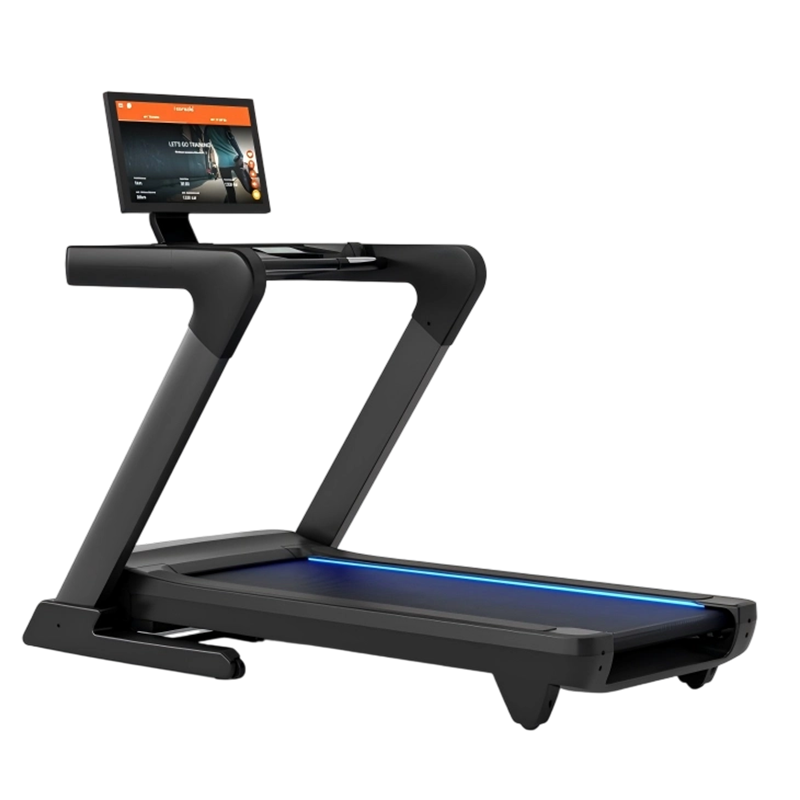
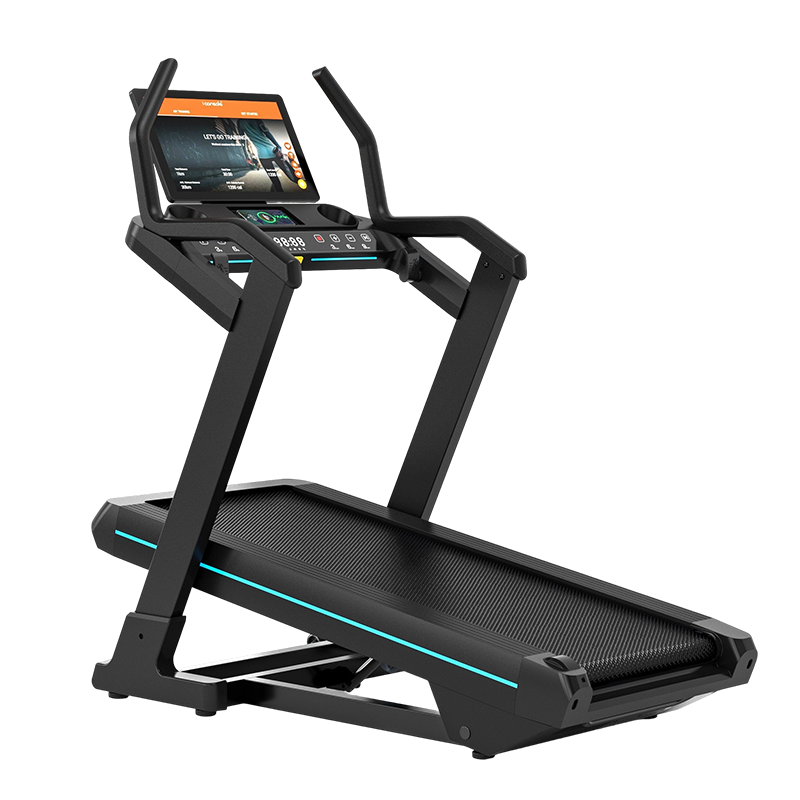
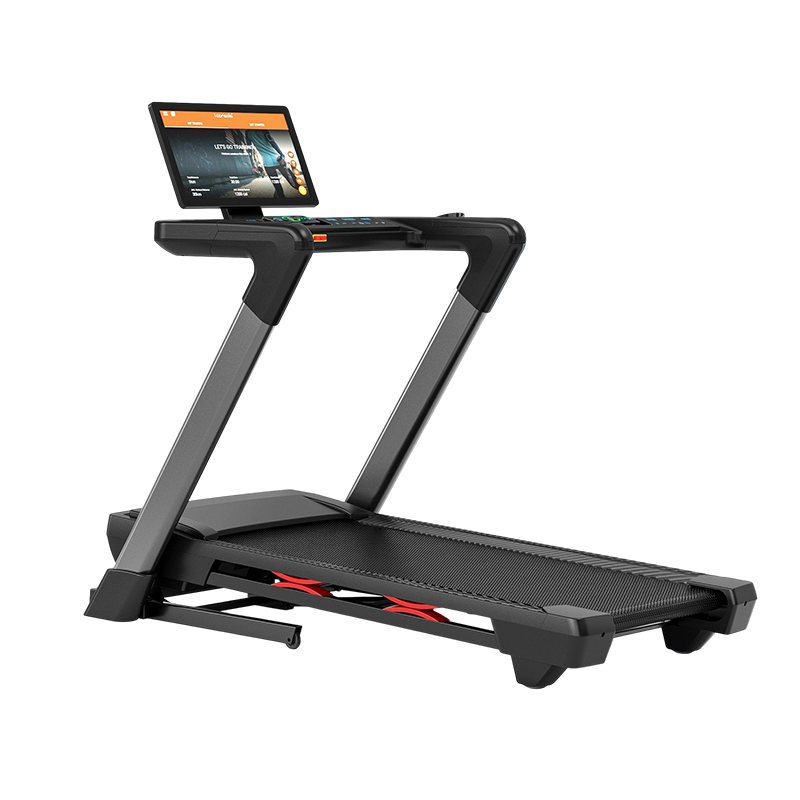 Commercial Treadmill Suppliers, Adjustable Incline Treadmill FactoryZhejiang Everbright Industry, Inc is China OEM & ODM commercial treadmill suppliers and adjustable incline treadmill factory, Professiona...View Product →
A good treadmill stays good only if it is maintained. Belt tracking, debris buildup, loose bolts, and dry deck surfaces cause most common running machine problems. A simple maintenance routine can extend the life of a home treadmill by several years.
Most manufacturers recommend checking belt tension and lubrication based on hours of use rather than calendar time. A belt that slips under hard push-off or hesitates when you increase speed is a sign that the deck or belt needs attention. Keeping the belt clean also prevents dust from building up between the belt and deck.
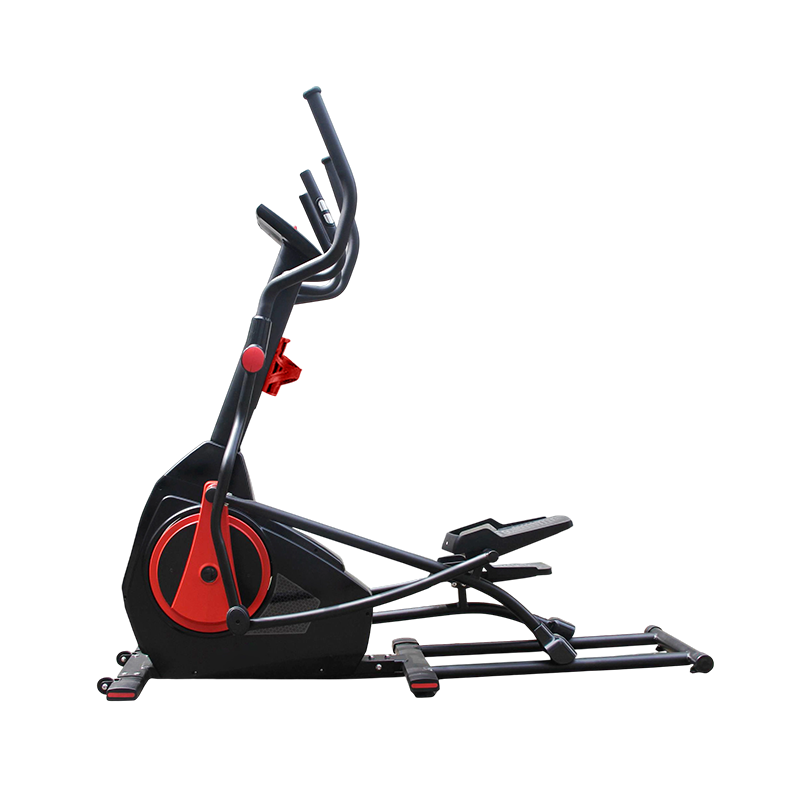
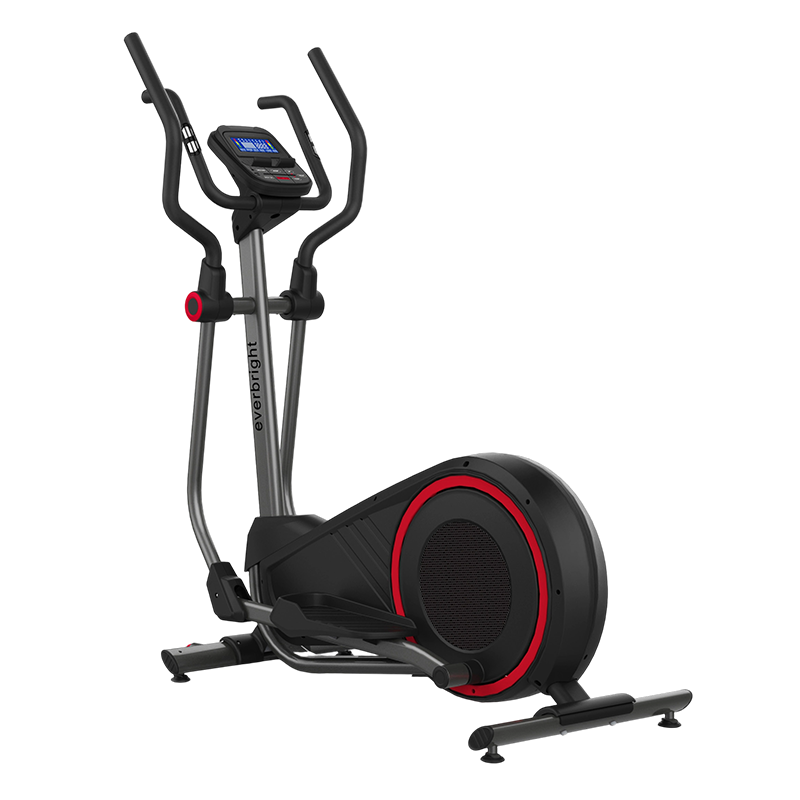
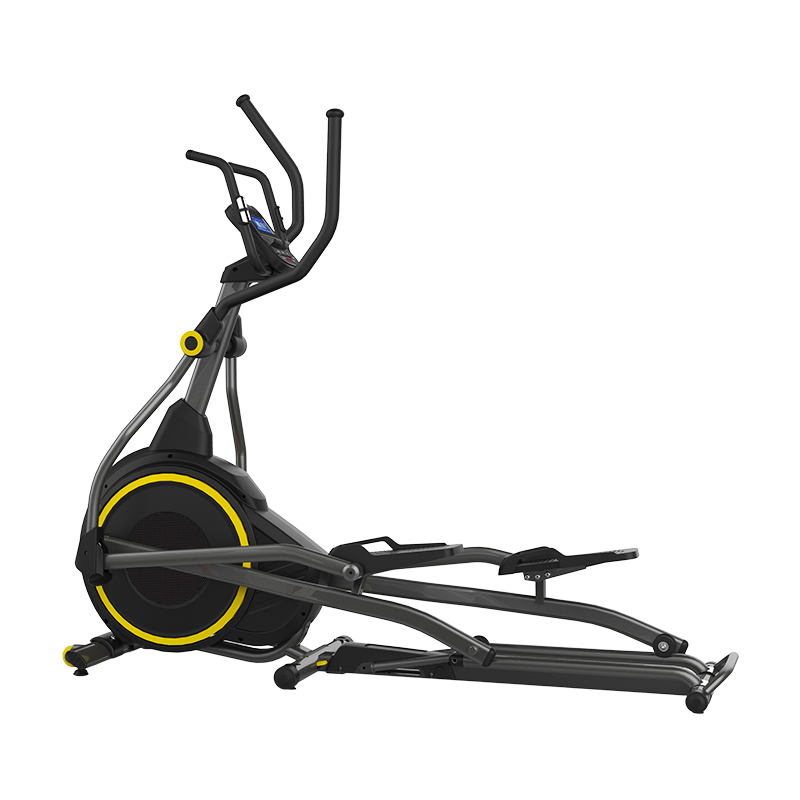
If you plan a complete home gym, the same build quality considerations apply to other cardio equipment. Many manufacturers offer elliptical cross-trainers built with the same standards, so you can match warranties, service schedules, and maintenance practices across your equipment.
A 2.5 CHP motor is the practical minimum for home running. A 3.0 CHP motor is recommended for runners over 90 kg, for daily training, or for anyone who wants a longer service life. Commercial facilities should look for 4.0 CHP or higher.
Folding treadmills can be good, but the folding hinge adds a potential point of flex. For fast running and interval training, a non-folding or rigid-frame machine is usually more stable. If space is limited, choose a folding model with a heavy steel latch mechanism and check for wobble at the hinge before buying.
For a 22 x 60 inch running surface, plan for an open area at least 2.5 meters long and 1.5 meters wide. Add clearance behind the treadmill for stepping off safely. Ceiling height matters too, especially for tall users or running at higher incline settings.
CHP stands for continuous horsepower and represents what the motor can deliver over a long period. Peak horsepower is a short-term burst that often appears in marketing materials. Always compare CHP values when choosing a treadmill.
With regular cleaning, lubrication, and belt adjustments, a well-built home treadmill can last 7 to 10 years. The belt and deck may need replacement sooner depending on how many hours the machine runs each week and how heavy the user is.
Hot Products

Phone: +86-152 5836 5876
TEL: +86-574 6322 1199
Email: mandy@evbfit.com
Address: No. 518 Zhengtong Road, Kandun Street, Cixi, Ningbo, Zhejiang, China
Copyright © Zhejiang Everbright Industry, Inc. All Rights Reserved. Custom Exercise Bikes Manufacturers China Stationary Bikes Factory